Remembrance Day in Canada: An Overview of Meaningful Traditions and Observance
Every November 11th, a profound stillness falls on Remembrance Day in Canada. It is a day of deep gratitude. This desire to honour our veterans is a unifying factor; according to a 2024 Veterans Affairs Canada report, 100% of people know the day. The Canadian Virtual War Memorial records that more than 118,000 Canadians lost their lives while serving, and we stand together to honour them.
However, there are new challenges for modern observance. You may watch virtual events at home. You shouldn't worry about the chill or a disruptive power flicker during the silence. This guide focuses on the meaning and ensures you can participate fully.
What is Remembrance Day? A Deeper Look at Its Meaning
Remembrance Day holiday is more than just a day on the calendar. People promise to honour the brave individuals who gave their all for our freedom and tranquillity. Instead of glorifying violence, they use this day to remember the horrific cost of peace.
We need to examine its powerful origins to comprehend this day fully:
The Eleventh Hour of the Eleventh Day: In this tradition, the guns became silent at 11:00 AM on November 11th, 1918, marking the conclusion of World War I. The two minutes of silence we still observe today were first observed on the first "Armistice Day".
More Than One War: While it started with WWI, Remembrance Day has grown to honour all Canadians who have stepped up to serve. This includes veterans of the Korean War, Afghanistan, World War II, and crucial peacekeeping missions.
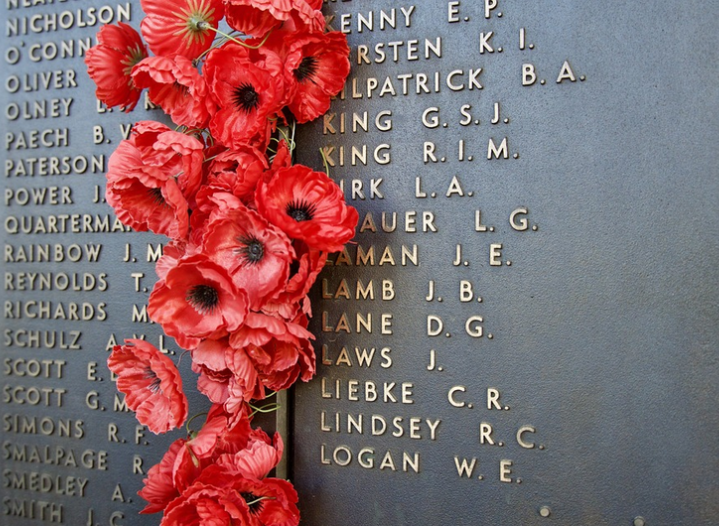
The Symbol of the Poppy: Crimson poppies are our best reminder; you should never forget them. This tradition is based on the famous poem "In Flanders Fields," written by a Canadian doctor. Despite the destruction, he saw the resilient flowers growing on the battlefield. It's a beautiful representation of life and hope.
Canadians carry poppies close to their hearts to symbolize their commitment to "never forget." Annually, the Poppy Campaign raises critical funds and ensures we care for our Veterans and their families as they cared for us.
How Canada Observes: Traditions and Ceremonies
On November 11th, Canadians will be standing shoulder to shoulder. People gather to honour their heroes and engage in traditions that tie them to the past. Everyone promised never to forget the definition of Remembrance Day.
The Two Minutes of Silence
Everything stops at exactly 11:00 AM, regardless of where you are. You join the entire nation in a powerful, quiet pause. We should pause to honour the brave people who fought in the trenches, the pilots who flew in the sky, the sailors who sailed the seas, and their families.
The National Ceremony in Ottawa
After that, everyone's attention is on Ottawa for the National Ceremony. Broadcast live, this is where our country's leaders, veterans, and a special Silver Cross Mother gather at the National War Memorial.
Pay attention to these symbols during the Remembrance Day ceremony:
The Last Post: A single horn signals the end of a soldier's comfortable rest.
The Wreaths: Veterans and dignitaries lay them at the memorial's base to remember the deceased.
The Rouse: A new, hopeful day is ushered in by the lively bugle sound of the Rouse after the silence.
The Fly-Past: It is the name of the Royal Canadian Air Force's booming aerial greeting.
Local Ceremonies at Cenotaphs and Legions
Even though the national event is moving, you can find the real essence of the day in your own neighbourhood. This is why local rituals at Legions and Cenotaphs are so significant. These hometown gatherings honour the local names etched in stone.
Of course, a chilly November day brings challenges. Organizers work hard to ensure the bugle is heard and our veterans are comfortable. A quiet, reliable power source is a game-changer.
Observing Canada Remembrance Day Today: At Home and in the Community
There are still ways to get involved, even if you cannot attend a public event. Modern technology and simple, personal acts of respect allow everyone to share daily.
At-Home Observance and Virtual Events
Many of us mark the day from home, tuning into the national broadcast from Ottawa. It's a moving experience that connects millions of us. This day is also perfect for teaching your kids, perhaps watching a documentary or exploring the Canadian War Museum's exhibits online.
The power should not blink at these crucial moments. A smart backup for your house, a portable power station is more than just an outdoor tool.
The EcoFlow RIVER 3 Plus Portable Power Station features a lightning-fast <10ms pro-grade UPS. It takes over in an instant if the power in your house flickers. On top of that, it offers a robust 600 W rated output (with up to 1200 W X-Boost) and 286 Wh capacity, so you can keep routers, laptops and lighting going even during a short outage. It weighs just 10.4 lb and runs whisper-quiet at less than 30 dB, meaning your Respectful Moment remains uninterrupted and still as peaceful as intended.
Staying Prepared for Outdoor Observance
If you’re heading to a local Remembrance Day service, being prepared helps you focus on the ceremony, not the cold or practical hiccups. Dress in warm layers, bring a blanket or folding chair, and wear your poppy as a sign of respect. Check the weather beforehand — November often brings chill, rain, freezing rain or early snow across much of Canada — and allow extra travel time for slick roads or transit delays. Keep a fully charged phone or a small power bank so you can follow live broadcasts or contact family if plans change; local broadcasts and the National Ceremony in Ottawa are commonly streamed for those at home. In severe storms ice and fallen trees can cause large outages and interrupted services, so know the location of nearby warming centres or shelter options just in case.
Engaging the Next Generation
We must transfer the torch to preserve our veterans' memories. You can conduct the following worthwhile Remembrance Day activities with your kids:
Make a Poppy: Use simple crafts to construct a poppy. This is an excellent, practical approach to discussing its meaning.
Write "Postcards for Peace": Send postcards to people residing in assisted living facilities to thank veterans for their service.
Read and Learn: Review the Veterans Affairs website or read Remembrance Day quotes like "A Poppy Is to Remember" with your partner.
Visit a Cenotaph: Take a leisurely walk to the military memorial in your community. Talk about what it means to be a hero after reading the names.
You can even make a "history hub" at home with a tablet showing interesting facts about Remembrance Day. This is where finding the best portable power station for your home shines. It lets you set up this learning space anywhere, keeping your devices charged daily for remembrance.

Conclusion
Remembrance Day is central to our Canadian spirit. The heroes who sacrificed their lives are honoured. That promise to never forget is our solemn vow.
From the powerful two minutes of silence to wearing a Remembrance Day poppy, every small act matters. Indeed, standing at a cenotaph, watching the ceremony, or teaching children keeps that sacred commitment alive.
On this Remembrance Day in 2025, EcoFlow is happy to support your observances. We sincerely ask that you be ready, be present, and never forget. Lest we forget!
FAQs
When is Remembrance Day?
Each year on November 11th, we honour our heroes on Remembrance Day. It falls on a Tuesday in 2025. On the eleventh hour of the eleventh day of the eleventh month, 1918, the First World War ended. At that point, we take a moment to reflect on their sacrifice and the peace they brought about.
Is Remembrance Day a statutory holiday in Canada?
Yes, Remembrance Day is a statutory holiday for federal employees in six provinces. However, most workers don't take the day off in Ontario, Quebec, Manitoba, and Nova Scotia. Although those provinces still acknowledge the day's significance, most activities continue.
What is the correct way to wear a Remembrance Day poppy?
The Royal Canadian Legion advises wearing the Remembrance Day poppy with dignity near your heart, on your left lapel. To honour our dead warriors, Canadians are urged to wear this potent emblem of remembering from the last Friday in October until November 11th.
How can I explain Remembrance Day to children?
Emphasizing the positive themes of peace and thankfulness for our soldiers is the greatest way to explain Remembrance Day to children. You can visit a nearby monument, read a courageous tale, or create a poppy craft. We intend to gently teach kids that we honour brave individuals for their amazing sacrifices to ensure our safety.