Fridge Always Running? Common Causes and How to Fix It
Most people notice a refrigerator problem by sound. The kitchen is quiet, the compressor is still humming, and it seems as though it never shuts off after dinner. If you find the fridge constantly running, it does not automatically mean the appliance is failing.
Hot weather, repeated door openings and a large grocery load can all stretch a cooling cycle. Some newer variable-speed models also run for long periods at lower output. The important clues are inside the cabinet: Is the food safely cold? Is lettuce freezing? Has frost appeared, or does the fridge sound different from last week? Those details separate normal operation from a fault that needs attention.
Why Does My Fridge Keep Running?
Start with temperature, not the noise. A fridge that holds a steady, safe temperature calls for a different response from one that hums all day while the milk gets warm.
Possible Cause | What You May Notice | What to Check |
Normal high cooling demand | Temperature stays stable despite long run times | Recent grocery load, frequent door opening, warm room |
Setting is too cold | Food feels unusually cold or starts freezing | Fridge and freezer settings |
Blocked airflow | Warm and cold spots on different shelves | Food blocking interior vents |
Poor door seal | Condensation, frost, or cool air near the door | Dirty, loose, or damaged gasket |
Poor heat release | Fridge runs longer and feels warm outside | Ventilation space and accessible condenser areas |
Frost or defrost problem | Ice buildup and weaker airflow | Freezer vents and rear panel |
Fan, sensor, or cooling fault | Unusual noise or unstable temperature | Professional diagnosis if basic checks do not help |
The Fridge Keeps Running but the Temperature Is Normal
Longer cycles can be ordinary when the cabinet remains properly chilled. Think about what happened before the sound changed. A week's groceries bring a great deal of room-temperature food into the fridge at once. Hosting a holiday dinner may mean the door is opened every few minutes. During a humid July heat wave, the appliance also has more heat to move out of the cabinet.
Give the fridge time to recover, then check it with a refrigerator thermometer placed in the fresh-food compartment. It is advised to set a refrigerator at 4°C or colder. One quick reading beside a vent is not especially useful, so look for a stable temperature over several hours and follow the thermometer manufacturer's directions.
If the temperature stays safe, the food is not freezing and the sound has not changed sharply, there may be nothing to repair. The owner's manual may also explain the normal sounds and operating pattern for that model.
The Fridge Keeps Running but Is Not Cold Enough
Warm food changes the situation. First, look inside for blocked vents. A large casserole dish or a row of meal-prep containers can stop cold air from moving through the compartment. The result is often uneven: one shelf feels cold while the door shelves or upper section remain too warm.
The gasket is next. Wipe away crumbs or sticky residue, then inspect the full perimeter for a twisted, loose or torn section. A seemingly closed door can still admit enough warm, damp air to keep the compressor busy. On a French-door model, check that the centre flap closes properly as well.
Outside the fridge, leave the clearances specified in the manual. This matters in compact condo kitchens and with second fridges pushed into basement, garage or laundry-room corners. Do not assume every model needs the same space.
If those checks make no difference and the cabinet remains above 4°C, the cause may be a fan, sensor, defrost or sealed-system fault. At that point, guessing at parts is rarely money well spent.
The Fridge Keeps Running and Gets Too Cold
When a refrigerator runs continuously and starts freezing food, check the control setting first. Someone may have lowered it during a summer heat spell or before a busy Thanksgiving weekend and forgotten to move it back.
Location matters too. Leafy greens, eggs and milk can freeze when placed directly in the stream from a cold-air vent, even though food elsewhere is fine. Shift those items and give the temperature time to settle before changing the control again.
Widespread freezing at a normal setting points elsewhere. A temperature sensor, thermostat, air damper or electronic control may be calling for cooling after the compartment is already cold enough.
How to Fix a Refrigerator That Runs Continuously
Begin with the checks that do not require taking the appliance apart. Temperature, loading, airflow and door sealing account for many complaints. Internal electrical and refrigeration work belongs with a qualified technician.
Adjust the Temperature and Reduce Cooling Load
Use a separate thermometer rather than trusting the display alone. If the fridge is colder than needed, adjust the setting by one step and wait for the model's recommended stabilization period before touching it again. Repeated changes make it difficult to tell which adjustment worked.
Ordinary kitchen habits add up. Keeping the door open while assembling lunches or repeatedly reaching in for drinks adds heat. Divide a large pot of leftovers into shallow containers so it cools promptly, and refrigerate perishable food within two hours.
No one needs to police every door opening. The useful change is simply to know what you want before opening the fridge and to make sure the door closes completely afterward.
Restore Proper Airflow and Ventilation
Cold air needs a path around the food. Keep packages away from interior vents and avoid pressing everything against the back wall. An overfilled refrigerator may have cold pockets and warm shelves even while its compressor works hard.
The outside of the appliance matters as well. Remove grocery bags, boxes or stored items from the ventilation areas, and check the installation clearances in the manual. Built-in and counter-depth models may vent differently from a standard freestanding fridge.
For a garage refrigerator, confirm that the model is approved for the temperatures the space reaches. An unheated Canadian garage can fall outside an appliance's operating range in winter, while the same space may become extremely hot in July.
Clean the Condenser and Improve Door Sealing
Dust and pet hair can interfere with heat release when a fridge has accessible condenser coils or vents. Cleaning instructions vary. Unplug the refrigerator, protect the food and follow the procedure in the owner's manual. Do not remove a sealed panel or probe around electrical parts simply because an online video shows a different model.
Clean the door gasket with the product recommended by the manufacturer and inspect the corners closely. A damaged gasket may need replacement. Also check that a food container or crowded door bin is not preventing the door from closing.
A slightly warm exterior surface can be normal because the refrigerator must release heat somewhere. Excessive heat together with poor cooling or a burning smell is a different matter and should not be ignored.
Remove Frost and Fix Defrost Problems
Heavy frost on the freezer's rear interior panel or around air vents can restrict the flow of cold air into the refrigerator section. That may leave the compressor running while the fresh-food compartment slowly warms.
Follow the model's manual for defrosting and move perishable food to safe cold storage first. Do not chip ice with a knife or another sharp tool. It is easy to puncture a hidden component and turn a repairable problem into a ruined appliance.
If thick frost returns soon after a proper defrost, the underlying problem may involve the defrost heater, sensor, wiring or control system. Repeating the thaw every few weeks is not a real fix.
.webp)
.webp)
Repair Faulty Fans, Sensors, or Cooling Components
Listen for a change rather than assuming every sound is bad. Fans can whir and compressors can hum during normal operation. Scraping, repeated clicking or a new rattle that appears with weak airflow deserves closer attention.
A faulty sensor may continue requesting cooling after the set temperature is reached. A failed fan can leave one compartment warm and another cold. Sealed-system, compressor and refrigerant work requires training and specialized equipment.
Once the basic checks have been exhausted, a technician can test components instead of replacing them by trial and error. Have the model number and a short record of temperature readings ready for the service call.
When Does a Constantly Running Fridge Need Professional Repair?
Run time by itself is not the deciding factor. A sudden change, unsafe temperature or a second symptom carries more weight.
Consider professional service when:
The refrigerator remains above 4°C even though it keeps running.
Heavy frost returns soon after a proper defrost.
Food freezes throughout the fresh-food compartment.
Grinding, repeated clicking, a burning smell or suddenly louder mechanical noise appears.
Temperature, airflow, ventilation, condenser and door-seal checks make no difference.
If there is a burning smell, visible arcing or a hot damaged cord, disconnect power only if it is safe to do so and arrange service. Do not keep switching the fridge back on to see whether the problem repeats.
An older fridge that has always used long cycles may be operating as designed. One that abruptly stops cycling and can no longer hold 4°C is telling you something has changed. Protect the food first, then deal with the appliance.
Once the cooling problem is understood, run time has another consequence. A compressor that stays on for longer uses more energy and can shorten the backup time available from a power station during an outage.
What Does Constant Fridge Running Mean for Energy Use?
The wattage on the nameplate does not tell the whole story. If you want to understand how many watts a fridge uses, daily consumption also depends on how long the compressor and fans operate, how hard they work and how often they start.
Energy Use from Longer Fridge Run Times
A conventional refrigerator cycles according to cooling demand. When the compressor runs more often or stays on longer at similar power, daily energy use generally rises.
Long cycles are not proof of waste. A variable-speed compressor may run for extended periods at a lower level instead of repeatedly switching on and off. What matters is why the pattern changed.
A grocery load or a hot afternoon creates a temporary increase. A leaking gasket, blocked vent, recurring frost or unnecessarily cold setting can maintain the extra demand every day. Fixing the cause may lower energy use, but it also improves temperature stability and reduces wear on the system.
If consumption is a concern, a plug-in electricity monitor rated for the appliance can provide a better picture than listening for the motor. Knowing how much energy the fridge actually uses can also help you estimate the capacity you may need from a portable power station for backup. Use only equipment approved for the refrigerator's load and follow its instructions.
Backup Runtime Under Continuous Fridge Operation
Compressor run time matters during an ice-storm outage or a summer thunderstorm. When planning a battery backup for a refrigerator, remember that two fridges with similar running wattage may draw very different amounts of stored energy over 12 hours. One cycles normally; the other hardly rests.
When planning refrigerator backup, consider:
how often the compressor runs during normal use;
the additional power required when it starts;
how long the fridge needs to stay powered;
what other essential devices will use the same backup source.
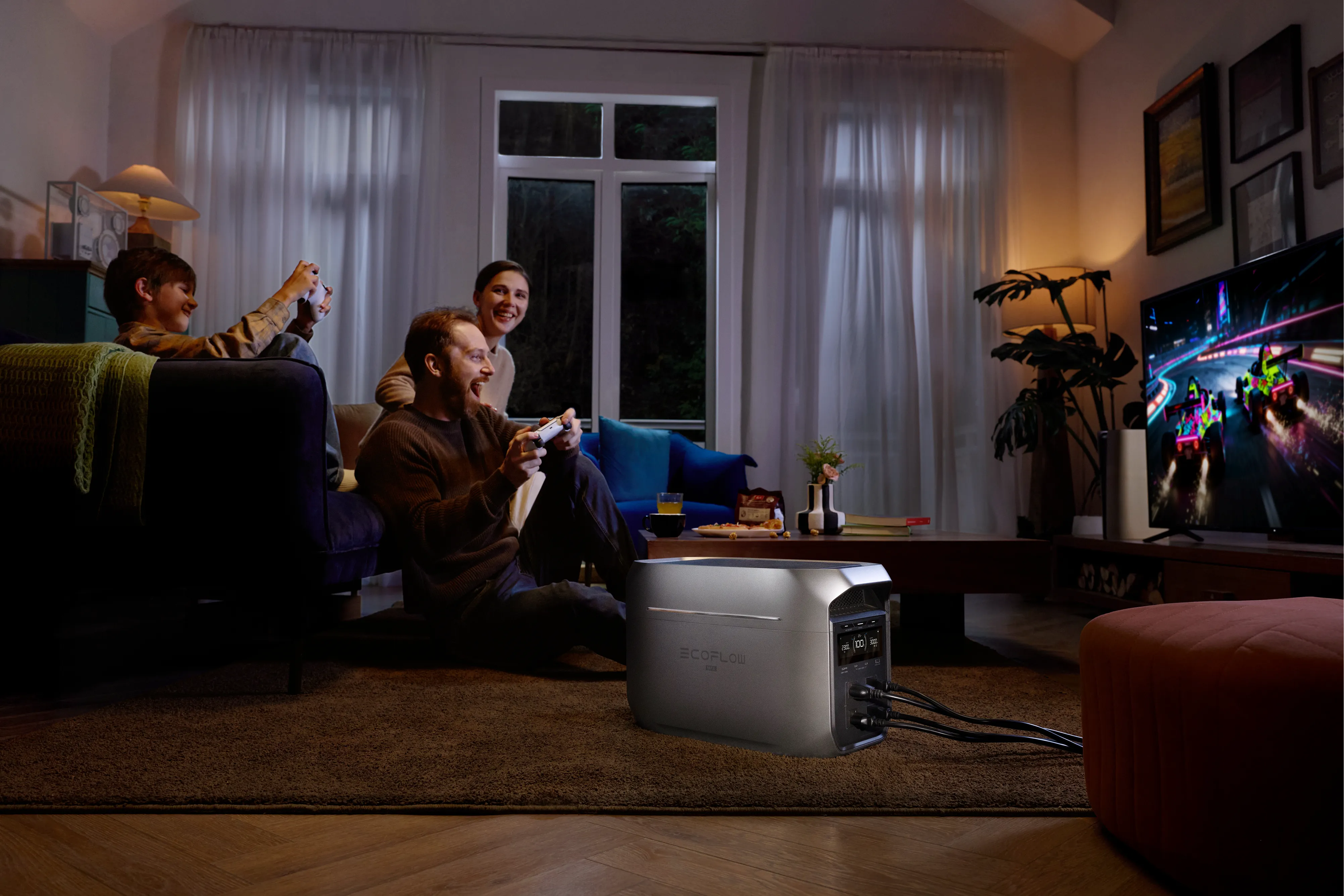
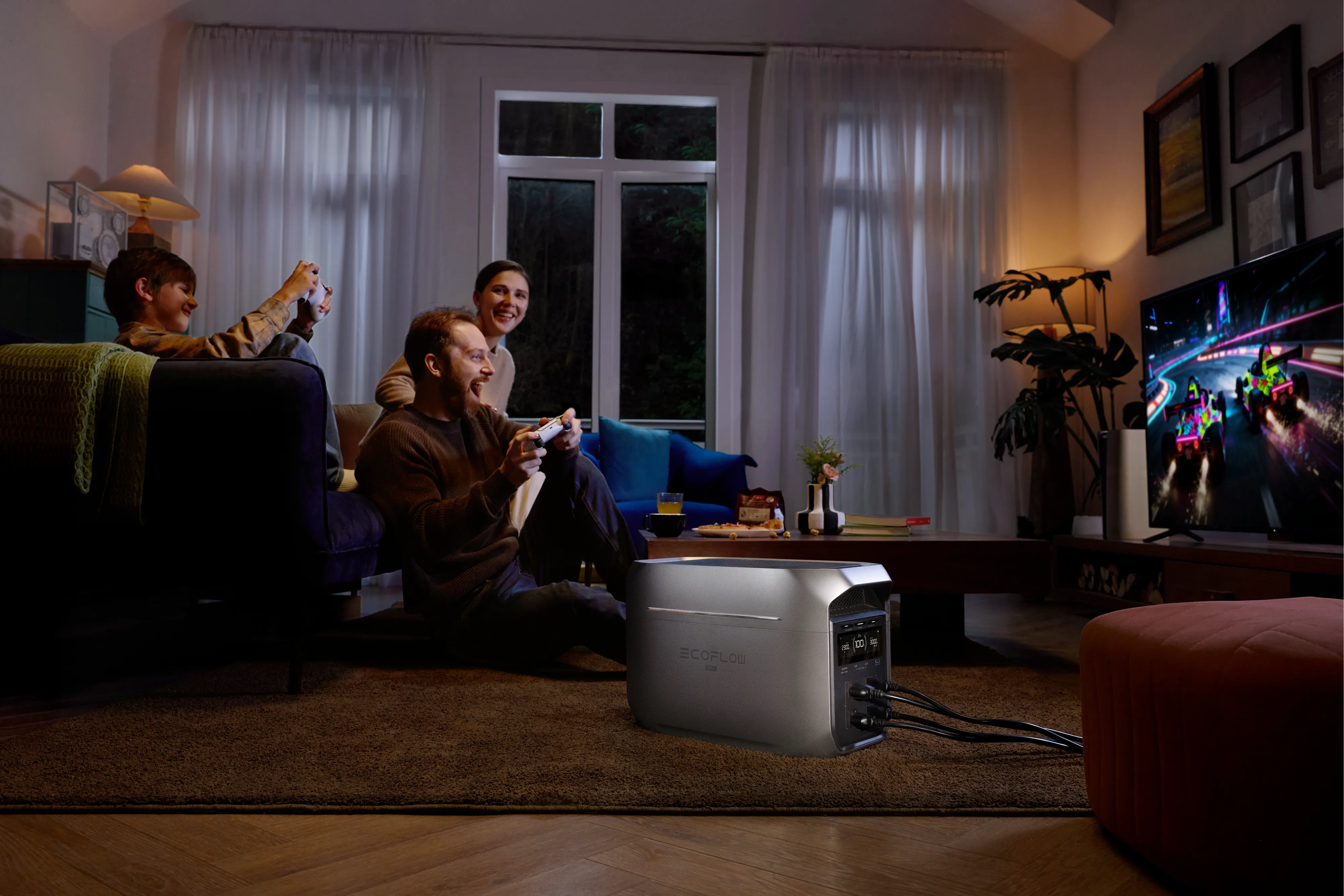
For a household that mainly wants to keep one refrigerator running along with a few basics, such as Wi-Fi, lights, and phone charging, the EcoFlow DELTA 3 Classic Portable Power Station is a practical option. It can help keep everyday essentials powered during an outage without requiring a larger backup setup. Its quick switchover is also useful for devices you want to keep running when utility power drops, while quiet operation makes it easier to use indoors.
If your backup plan includes both a refrigerator and a freezer, or you also want to run other household essentials, the EcoFlow DELTA 3 Max Plus Portable Power Station(2048Wh) is better suited to the heavier load. Its expandable design gives you more flexibility when longer backup time is needed, and it can support several devices at once without forcing you to constantly decide which essentials stay plugged in. App monitoring also makes it easier to keep an eye on power use and remaining battery during a longer outage.
Actual backup time will still depend on how often the refrigerator compressor runs, the room temperature, and what other devices are connected at the same time. A refrigerator that cycles normally will use less stored energy than one that is running almost continuously.
Conclusion
A refrigerator can run for a surprisingly long time without being broken. Summer heat, frequent door openings, a full grocery shop and variable-speed compressor design can all extend a cycle.
Temperature provides the better clue. If the fridge stays at 4°C or colder, the food is not freezing and no new noise or frost appears, watch it before assuming the worst. If cooling remains poor after the vents, gasket, settings and clearances are checked, arrange proper service rather than replacing parts at random.
FAQ
Is it okay for a refrigerator to run all the time?
It can be, particularly with a variable-speed model or during a period of heavy cooling demand. Confirm that the fresh-food compartment remains at 4°C or colder and watch for freezing, frost or a sudden change in noise.
How do I stop my refrigerator from running constantly?
Check the measured temperature, clear the interior vents, inspect the gasket and confirm the required exterior clearances. If those steps do not restore normal cooling, consult the manual and arrange service.
Why does my refrigerator run every 20 minutes?
There is no universal 20-minute cycle. Room temperature, door openings, food load, compressor design and the fridge's settings all affect how often it starts.
When should I worry about fridge noise?
Pay attention to a new grinding, repeated clicking, loud scraping or any sound paired with poor cooling. A burning smell or electrical sign calls for immediate caution and service.
Why does it sound like my fridge is constantly running?
The compressor or a fan may be operating for a long cycle, and newer variable-speed systems can sound different from older fridges. Check the cabinet temperature and look for frost, freezing or weak airflow before deciding that the sound indicates a fault.