Ice Fishing in Ontario: Best Lakes, Seasons, and What to Expect
- Ice Fishing in Ontario Basics: How It Works and What a First Trip Looks Like
- When to Go: Ontario Ice Fishing Seasons, Peak Bite Windows, and Weather Reality
- Where to Go: The Best Ontario Lakes and Regions for Ice Fishing
- What to Bring: Essential Gear, Comfort Upgrades, and Power for Cold-Weather Electronics
- Ontario Regulations and Ice Safety You Can’t Skip
- Frequently Asked Questions
- Plan Better, Fish Longer, and Stay Comfortable on Ontario Ice
Ice fishing in Ontario is a bucket-list experience for anglers, drawing visitors from across North America to its frozen lakes each winter. Whether you're targeting walleye, lake trout, northern pike, jumbo perch, or whitefish, you can choose from easy day trips or remote fly-in adventures.
To make the most of your time on the ice, it’s important to understand seasonal timing, lake selection, and key safety considerations.
Ice Fishing in Ontario Basics: How It Works and What a First Trip Looks Like
Ice fishing involves drilling holes through the frozen lake surface and dropping a line into the water below while you wait for a bite inside a portable shelter or heated rental hut.
If you’re an ice fishing beginner, we recommend booking an outfitter package, which includes:
Transportation via heated snow bus or snowmobile
Pre-drilled holes for ease
The right equipment and bait
Catch and release is common for conservation, but you're typically allowed to keep caught fish for food as long as you're within the legal limit.
Once you get the hang of it, ice fishing can become a fun, family-friendly activity, as many fishing lodges welcome kids and may even provide instruction.
When to Go: Ontario Ice Fishing Seasons, Peak Bite Windows, and Weather Reality
The winter fishing season in Ontario typically runs from early January through mid-March, with each phase offering different conditions and opportunities.
Seasonal Timing
Early ice (late December to mid-January) brings active fish and less pressure, but thinner ice limits vehicle access.
Mid-winter (mid-January through February) offers the best infrastructure, like plowed ice roads and established hut communities.
Late ice (late February to mid-March) sees larger fish move shallow, preparing for spawn, though safety risks increase as ice deteriorates.
Peak Bite Windows
Walleye bite best at dawn and dusk, with many anglers targeting trophy fish after dark.
Perch feed throughout the day but peak midday.
Stable weather generally produces better fishing than rapidly changing conditions, while extreme cold snaps slow fish activity. Overcast days often trigger feeding in shallow water.
Weather and Gear Considerations
Cold conditions affect both equipment and performance on the ice:
Batteries drain faster in freezing temperatures, but lithium batteries outperform alkaline.
Fishing lines can freeze in the rod guides when wet
LCD screens slow below -20°C
Propane heaters become essential below -15°C for keeping hands warm enough to tie knots.
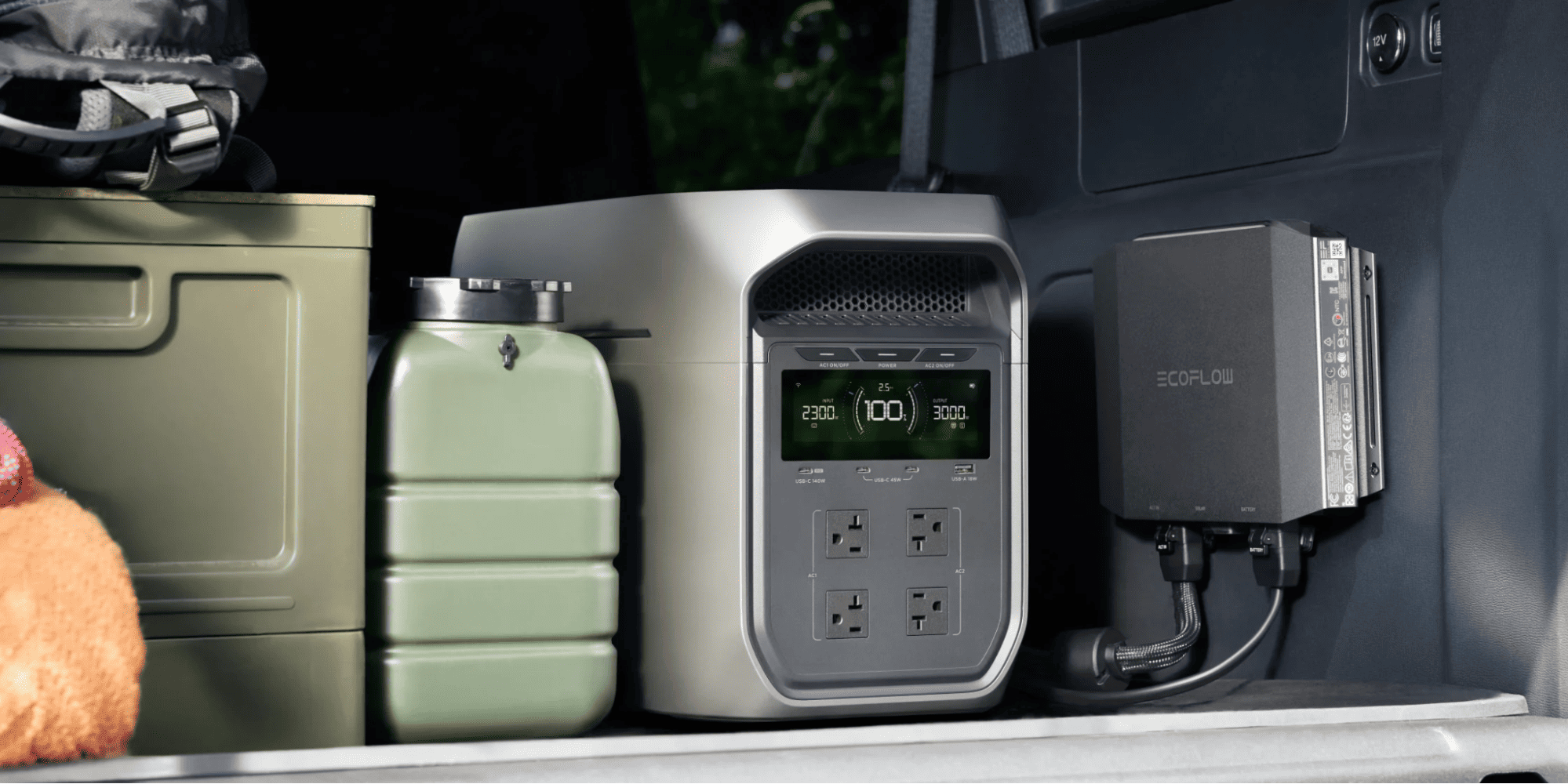
Portable power stations like the EcoFlow DELTA Series help keep electronics and heated gear running reliably in these cold conditions. Since traditional generators aren’t practical here, they offer a safer, more convenient way to keep your essential ice fishing accessories powered up.
Where to Go: The Best Ontario Lakes and Regions for Ice Fishing
Lake Simcoe: The ice fishing capital of Ontario, just an hour north of Toronto. Shallow and deep water areas with jumbo yellow perch, whitefish, and lake trout.
Lake Nipissing: Ranked as one of the top winter fishing destinations in Canada, famous for trophy walleye. Offers multiple public access points and parking areas in the North Bay Area.
Lake Temagami: A remote deep lake best suited to experienced anglers or guided trips, with several island lodges offering overnight bungalows with wood stoves.
Lake of the Woods: A massive fishery with 65,000+ miles of shoreline and 14,000+ islands. A world-class location for walleye, lake trout, crappie, northern pike, and jumbo perch.
Lac des Mille Lacs: Just two hours from Thunder Bay, this “lake of a thousand lakes” is in northwest Ontario. It's known for excellent daytime walleye fishing, but also holds northern pike, burbot, and yellow perch.
What to Bring: Essential Gear, Comfort Upgrades, and Power for Cold-Weather Electronics
Hand auger or power auger
Ice fishing rod — medium for panfish, medium-heavy for lake trout or pike
Tackle such as jigging spoons, tube jigs, and tip-ups
Live baits such as emerald shiners, minnows
A portable shelter
Electronics, including a portable fish finder
Safety gear such as picks, a flotation suit, and a throw rope
Warm clothing layers
Waterproof insulated footwear
Accessories — a five-gallon bucket (which doubles as your seat), plus an ice scoop, needle-nose pliers, and sunglasses
A power solution to charge your phone, run an underwater camera or fish finder, and power heated socks or gloves
Ontario Regulations and Ice Safety You Can’t Skip
Ontario requires anyone 18+ to get an Outdoors Card and a valid fishing license. However, Canadian residents can fish licence-free on Family Day Weekend in mid-February each year.
Check the regulations of your specific fishery management zone for catch limits and seasons. If fishing from a private ice hut, registration must be visibly displayed.
Always follow thickness safety minimums, noting that white opaque ice requires roughly double the thickness for the same level of safety.
Regulations are constantly updated, so consult the latest Ontario Fishing Regulations Summary for current rules.
Frequently Asked Questions
When Is the Best Time for Ice Fishing in Ontario?
The peak season runs from mid-January through late February. Lake trout season opens on mid-February on many lakes, often aligning with Family Day Weekend, which is excellent for beginners, as no license is required. Avoid very early December and late ice after March 15th, unless you're experienced with ice assessment.
How Thick Should Ice Be for Ice Fishing in Ontario?
Ten centimetres is the walking and fishing minimum of clear blue ice, while snowmobile travel requires a minimum of 12–15 cm, and ATV or light vehicles require 20–30 cm. For groups of anglers, 15 cm is the minimum. Always double the thickness requirements for white or opaque ice.
Do I Need a Licence to Ice Fish in Ontario?
Yes, anyone 18 or up requires a valid Ontario fishing license and an Outdoors Card. You can purchase it online or from licensed issuers. The only exception is Family Day weekend, when Canadian residents fish licence-free.
Plan Better, Fish Longer, and Stay Comfortable on Ontario Ice
Ontario ice fishing is an accessible way to get into winter angling. Start with a Toronto area day trip, and soon you'll be plotting remote northern adventures in Ontario's most popular fishing lakes.
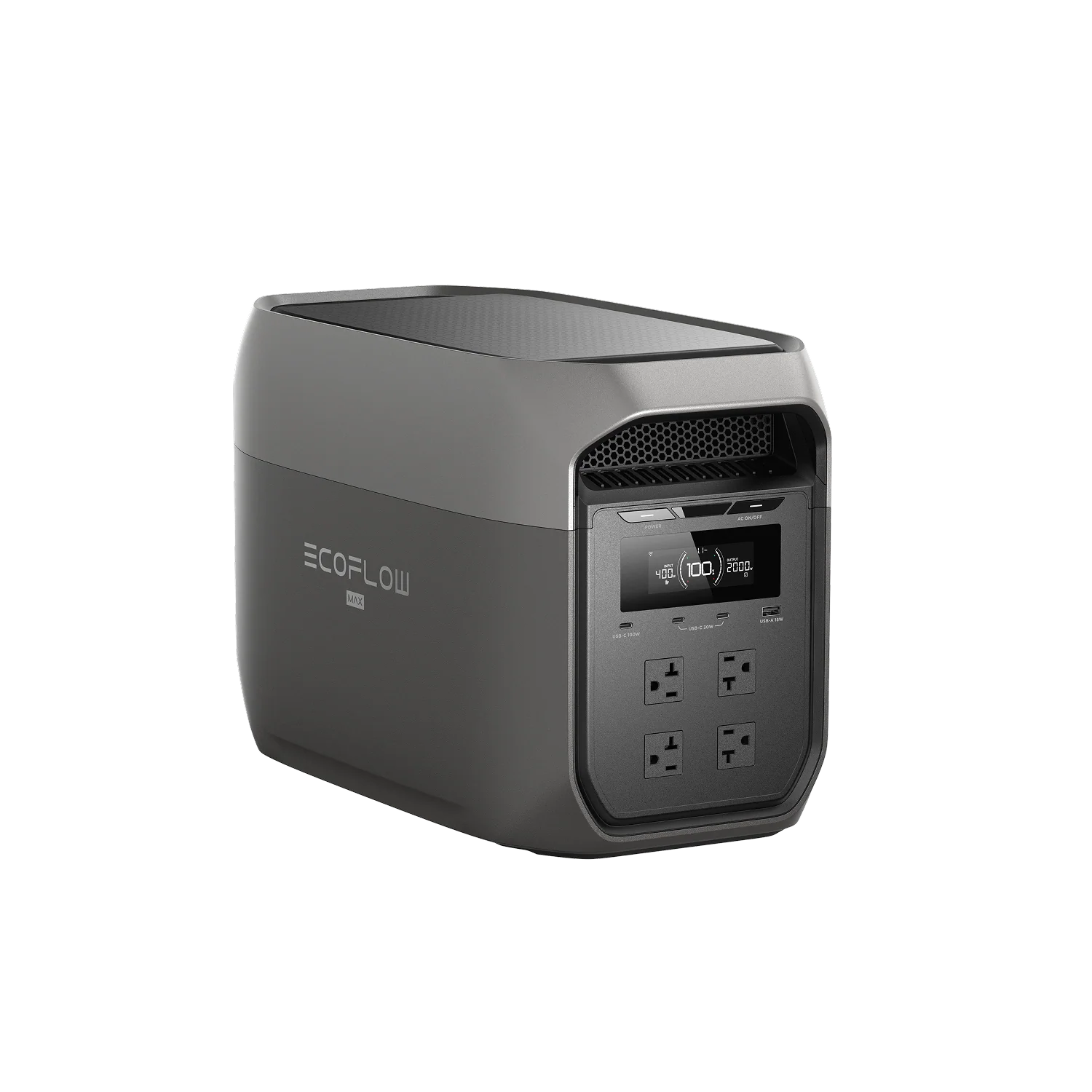
Plan your trips carefully, paying attention to weather, ice thickness, and seasonal timing. Pack thoughtfully, and bring a reliable power source, like the EcoFlow DELTA 3 Max Plus, to keep essential gear such as fish finders, heated clothing, and electronics running smoothly.
Now that you know what to expect, what the best lakes are, and when to go, you're ready to enjoy Ontario's short but spectacular winter fishing season.