Northern Lights Viewing in Canada: Best Locations, Chase Tips, and Off-Grid Power Essentials
The aurora borealis, also known as the northern lights, draws people to Canada’s northern areas from far and wide every year. To view this phenomenon, you’ll need careful planning and the right equipment. This guide covers everything you need to know.
What Are the Northern Lights and Why is Canada a Prime Viewing Ground?
This natural light show starts millions of kilometres away on the surface of the sun, which releases a constant stream of solar wind, made up of charged particles.
These collide with the Earth’s magnetic field, are funnelled towards the north and south poles, and release energy into colourful ribbons of green, blue, crimson, and purple.
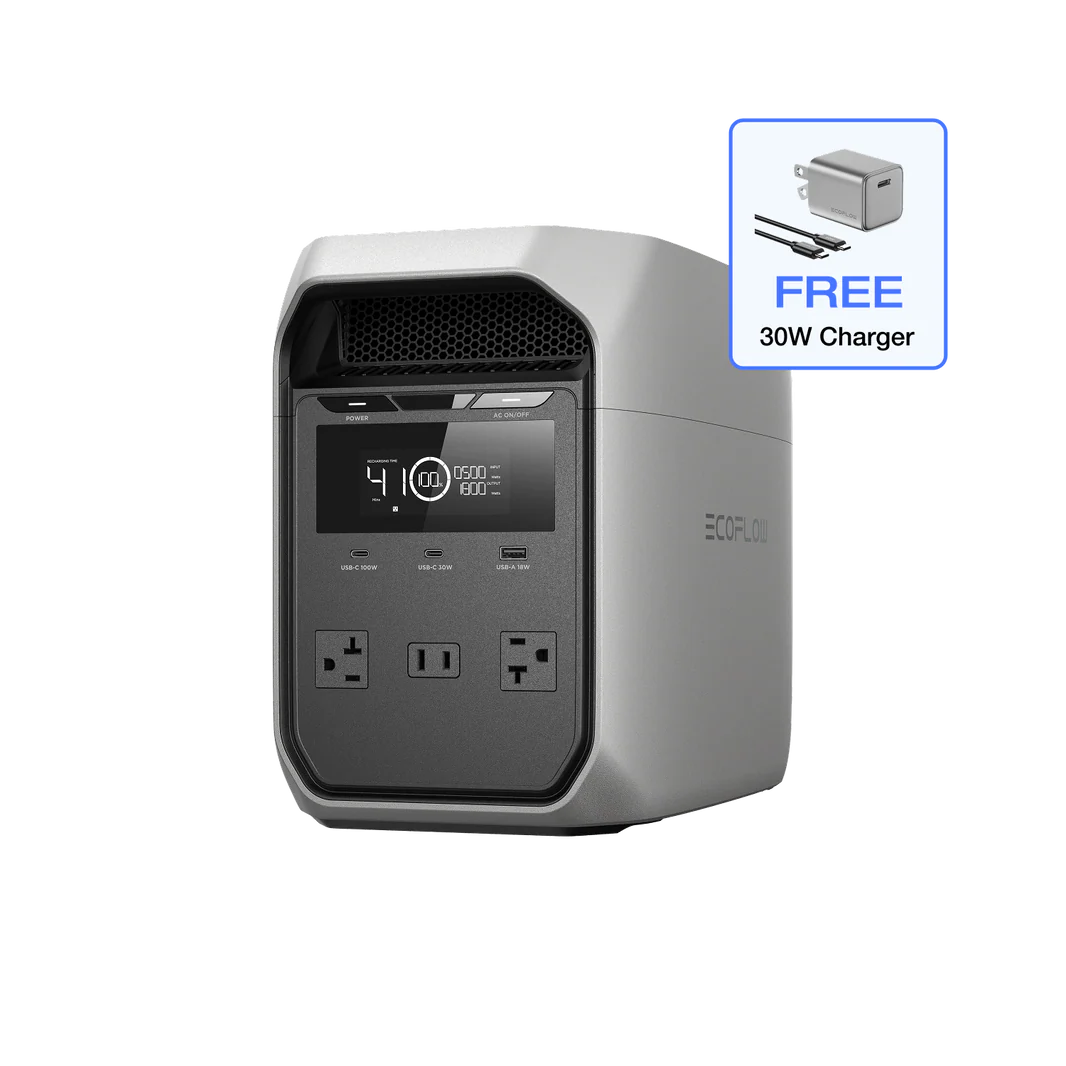
Many people head into the wilds of Canada to see the northern lights, using portable power equipment like an EcoFlow DELTA 3 Classic to run their cameras, phones, and other devices.
Canada is one of the best places to see the phenomenon thanks to a large portion of the landmass sitting beneath the "auroral oval." This is the magnetic zone where the geomagnetic activity is the most intense.
It also boasts large swathes of wilderness with no urban light pollution, ensuring pristine dark skies that are perfect for aurora chasing.
Top Regions for Aurora Viewing in Canada
The northern lights can sometimes appear further south, especially during major solar storms. But there are three regions in Canada that are particularly good for aurora viewing:
Churchill, Manitoba
Churchill, on the edge of Hudson Bay, is known for being an astronomical wonderland at night. It has up to 300 nights per year of aurora activity because it’s located right underneath the auroral oval, and even minor storms can create incredible displays.
Visitors can watch from tundra buggies or state-of-the-art domes with reinforced glass roofs to allow for panoramic sky scanning.
Whitehorse, Yukon
Yukon boasts incredible mountain ranges, and the dry climate helps reduce cloud cover, so you can expect a good chance of clear skies during winter.
Here, you can go on guided tours that venture into alpine passes. The spectacular scenery makes for particularly impressive photographs with the mountainous backdrops.
Yellowknife, Northwest Territories
Perhaps the best place of all for viewing northern lights, Yellowknife has an arid climate, and the low humidity means cloud cover is less likely. If you stay here for three nights during the peak season, you have an excellent chance of seeing a display.
Aurora Village is nearby, where you can stay in heated teepees for extra comfort while viewing the lights.
Timing, Forecasts, and Planning for Aurora Hunts
In an aurora chase, success involves good timing, and you’ll want to keep an eye on space weather forecasts.
Scientists evaluate the aurora strength using the Kp-index, which ranges from 0 to 9. This measures geomagnetic activity.
Kp 1 or 2 is often enough for a brilliant display in the best viewing regions, while Kp 5 or higher can mean the lights are visible further south.
If you’re preparing months in advance, perhaps planning a camping trip, aim to visit one of the above areas in the winter months of January through March. Make sure you have booked somewhere to stay, and pack for cold weather.
How Do Dark Skies and Weather Affect Viewing?
Thick clouds are the biggest source of disappointment for aurora chasers because they hide even the best geomagnetic storms. These storms occur 80 to 500 kilometres above the Earth, so clear nights are essential to view them.
Light pollution is another risk, and this can be artificial or natural. Just as it’s hard to see the stars properly when there’s too much surface light, the same is true for the northern lights because the light reduces the visual contrast.
Get far away from urban lights and plan around the new moon phase because the light from a full moon can also impact viewing.
Off‑Grid Power Solutions for Aurora Chasing
When you’re chasing the aurora, you’ll usually be heading off into remote, off-grid territory during the night, and your power supply becomes as critical as your thermal layers.
Why Reliable Power Matters for Night Viewing
If you’ve never experienced sub-zero northern temperatures, you’ll soon realize how challenging the environment is. The cold temperatures can drain batteries very quickly, so your smartphone, DSLR camera, and other power picks can run out of power in no time. This isn’t ideal if you’re relying on your devices for communication or once-in-a-lifetime photos and videos.
Having access to a reliable power source becomes mandatory in these situations. If you’re freestyle camping, you won’t have access to a power source, but you’ll need one to power up your gear.
Traditional combustion generators aren’t suited to this environment because they’re noisy and disrupt the wilderness. A silent portable power station is a better option.
For photographers, weekend travellers, and anyone looking for dependable backup power for cameras, phones, and small electronics, the EcoFlow DELTA 3 Classic offers a compact and convenient solution.
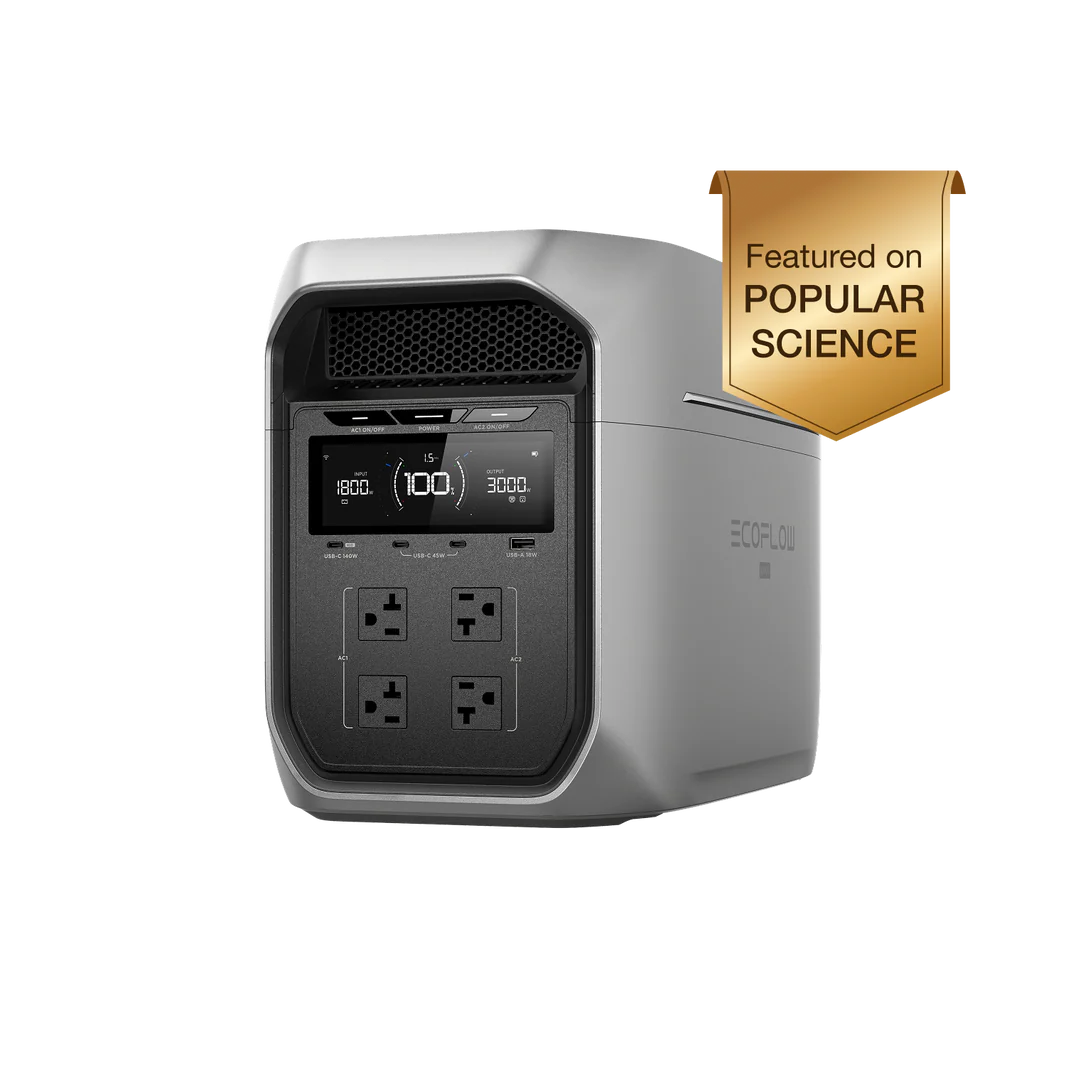
If you're planning a longer off-grid stay or need additional charging capacity, an EcoFlow DELTA 3 Max + 400W Solar Panel kit can provide extended runtime and renewable charging capability, helping keep your gear powered throughout your aurora adventure.
Frequently Asked Questions
When Is the Best Time of Year to See the Northern Lights in Canada?
The aurora viewing season lasts from late September to about mid-April, when the nights are longer and darker. The prime window is the middle of winter, from January to March, when the clear skies offer the best chances of seeing the northern lights.
How Do I Prepare for an Overnight Aurora Chase?
Start by dressing in layers, including a moisture-wicking base, an insulated fleece mid-layer, a windproof outer shell, and insulated boots. Then pack any gear you need, from your camera and tripod to a portable power station. Check that your vehicle is in good condition, and make sure you have a plan for emergencies.
See More Lights, Stay Comfortable, Shoot Better Photos
Chasing the northern lights in Canada is an experience you’ll never forget, but careful planning in advance will help you make the most of your experience. Choose one of the places in this guide for the best experience and the best chance of seeing the greatest light show in nature.
Whether you're heading out for a single evening of photography or an extended off-grid expedition, having dependable portable power helps keep your cameras, phones, navigation devices, and other essential gear ready when the lights appear.
Explore EcoFlow’s full range of portable power stations to find the right solution for your next northern lights adventure.