Beach Essentials: What to Pack for a Summer Day
Beach essentials in Canada should match the day, not a generic vacation photo. Sun, wind, cold water, local swim advisories, insects, parking distance, and fast-changing weather can all affect comfort. Pack for safety first, then add the items that make the day easy.
What Should Go First?
Start with health, hydration, and local conditions. A beach packing list that skips sunscreen, water, and swim advisories is incomplete, even if it includes towels and snacks.
Sun Protection
Pack broad-spectrum, water-resistant SPF 30 or higher sunscreen, sunglasses with UV protection, a wide-brim hat, and cover-up clothing. Check the UV index before leaving.
Water and Food
Bring more drinking water than you expect to need. Use insulated containers for perishable food and keep snacks simple.
Local Rules
Check parking, dogs, fire restrictions, alcohol rules, lifeguard hours, and whether the beach posts water quality notices.
The strongest beach essentials are boring in the best way. They prevent the problems that cut a summer beach day short.
How Do You Pack Sun Protection?
Canadian summer UV can be strong even when the air feels mild. Health Canada sun safety advises protection when the UV index is 3 or higher, including protective clothing, sunglasses, and sunscreen.
Item | Practical Standard | Why It Matters |
|---|---|---|
Sunscreen | Broad-spectrum, water-resistant, SPF 30 or higher | Reduces UV exposure |
Hat | Wide brim | Covers face, ears, and neck |
Sunglasses | UVA and UVB protection | Protects eyes |
Shade | Umbrella or beach tent if allowed | Reduces direct exposure |
Clothing | Light long sleeves or cover-up | Helps during peak UV |
Apply sunscreen before sun exposure and reapply after swimming, sweating, or towel drying. Cloud cover can reduce heat without removing UV risk.
Sun protection is not only for children or fair skin. Every beach packing list should treat UV exposure as a normal planning item.
What Keeps Food Safe?
Beach food should survive transport, heat, sand, and wet hands. Choose foods that are easy to serve and keep perishable items cold.
Frozen water bottles to help chill the cooler
Whole fruit, crackers, nuts, granola, and shelf-stable snacks
Sandwiches wrapped individually
A separate bag for trash and recycling
Hand sanitizer or wipes
Reusable plates and utensils if you are eating a full meal
A cooler thermometer for meat, dairy, cut fruit, and salads
Avoid leaving food in a hot vehicle while you swim. If the cooler will sit in sun for hours, use more ice packs and open it less often.
Food planning should be simple. The less assembly required on sand, the less contamination and waste you create.
What About Water Conditions?
Beach water can change after rain, high waves, sewer overflows, algae blooms, or heavy wildlife activity. Health Canada water guidance notes that public notifications may include swim advisories or beach closures.
Check the local beach page before leaving.
Read posted signs at the beach.
Avoid swimming after heavy rain if local guidance warns of contamination.
Keep children from swallowing water.
Stay out when algae blooms, strong currents, or closure notices are present.
Shower or wash hands after swimming when facilities are available.
Supervised beaches add a layer of safety, but lifeguards do not remove the need for judgment. Cold water, drop-offs, currents, and inflatable toys can create risk.
Water quality is one of the most important beach essentials because it cannot be fixed after you arrive. Check before you unpack.
What Comfort Items Matter?
Comfort items should solve real friction: carrying distance, wind, damp towels, changing clothes, dead phones, and tired children.
Carrying
Use a backpack, wagon, or large tote that can handle sand and distance from parking.
Seating
Bring a sand-resistant blanket, low chairs, or a compact mat. Add a dry bag for phones and keys.
Clothing
Pack a warm layer, dry underwear, and a change of clothes. Canadian lake and ocean beaches can cool quickly near evening.
Power
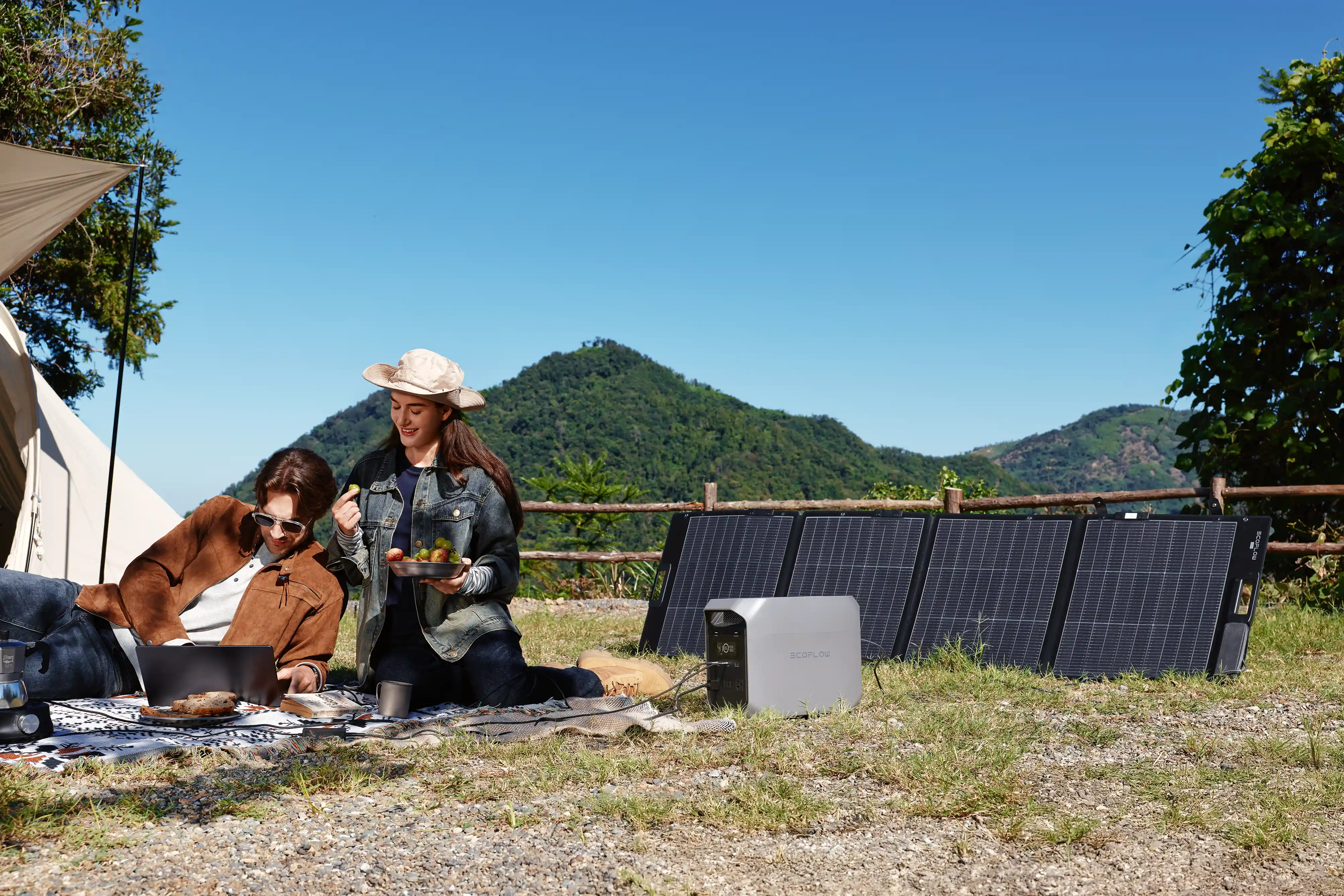
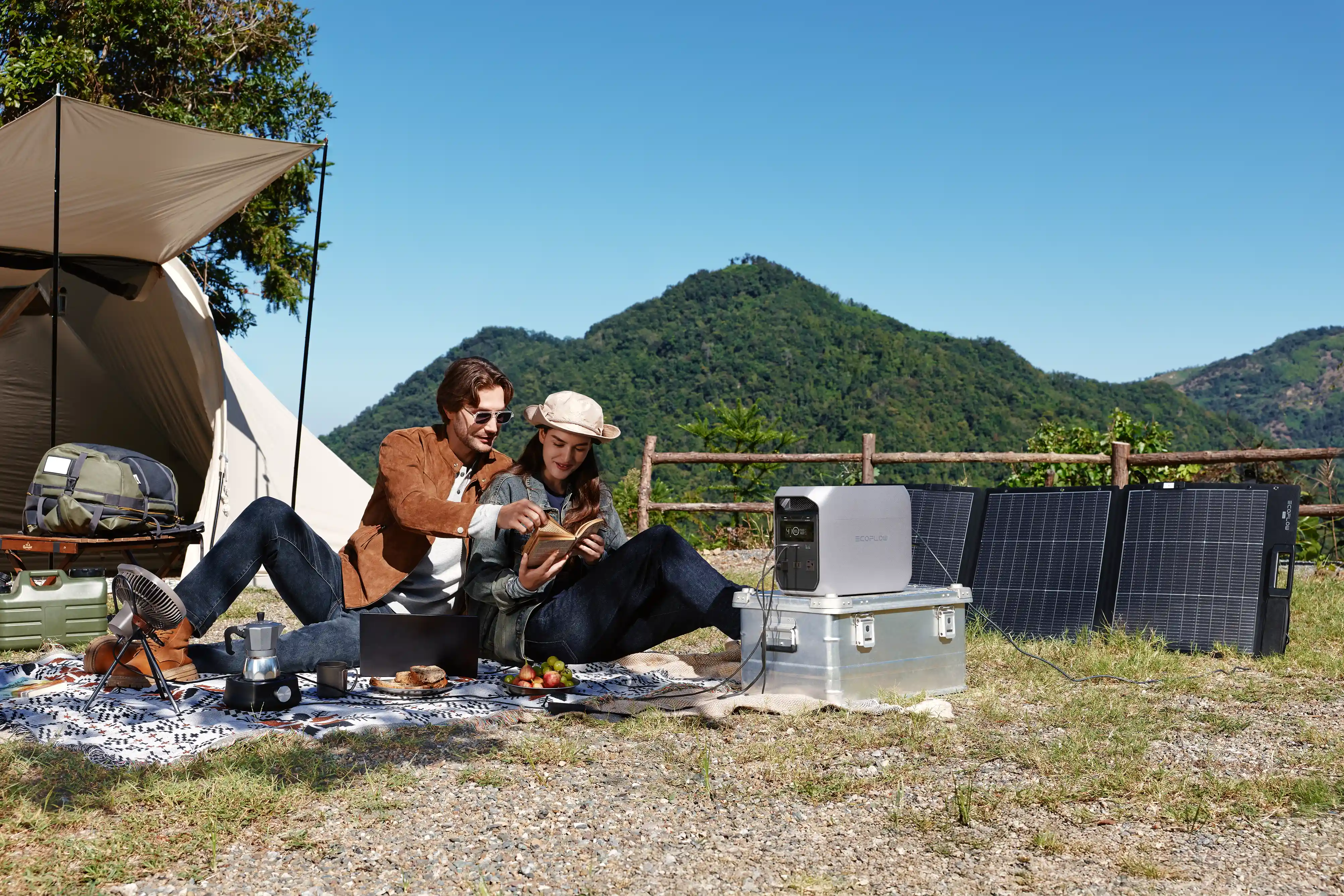
For phones, speakers at respectful volume, small fans, or camera charging during a long summer beach day, EcoFlow DELTA 3 Classic offers 1024Wh capacity, 1800W output, 45-minute AC charging to 80%, and 10ms auto-switching, with app-based energy and solar monitoring.
Comfort should stay considerate. Keep music low, secure umbrellas in wind, and avoid gear that spreads into neighboring space.
How Do You Reduce Waste?
A low-waste beach day is easier to clean up and better for wildlife. Plan for the trash you will create before you make it.
Use reusable water bottles.
Pack snacks in washable containers.
Bring a dedicated wet bag for swimsuits.
Avoid loose plastic wrap that blows away.
Choose reef-conscious and water-appropriate products where local guidance recommends it.
Carry out everything you carry in.
Pick up small litter near your spot before leaving.
Do not bury food scraps, cigarette butts, or pet waste in sand. They can attract animals, contaminate water, and create hazards for other beach users.
Waste reduction is not an extra task. It is a packing decision that makes the end of the day faster.
Master Your Summer Beach Day Prep
Beach essentials for a Canadian summer day should cover sun protection, safe water, hydration, food safety, comfort, and cleanup. Check UV index, beach advisories, parking rules, and weather before leaving. The best beach packing list prevents predictable problems while staying light enough to carry.
FAQs
Q1. What Are the Most Important Beach Essentials?
The most important beach essentials are sunscreen, water, shade, towels, swimwear, weather-appropriate clothing, snacks, a cooler, trash bags, hand wipes, sunglasses, a first aid item, plus any required personal medication. In Canada, also check UV index, water quality advisories, cold water risk, parking rules, and lifeguard status before leaving.
Q2. What Should Be on a Beach Packing List?
A beach packing list should include sun protection, drinking water, food, cooler packs, towels, dry clothing, swim gear, sandals, phone protection, ID, payment, medications, cleanup supplies, and local beach access permits. Add child gear, pet items, insect repellent, and warm layers when conditions require them. Keep valuables minimal and waterproofed.
Q3. What Makes a Canadian Summer Beach Different?
A Canadian summer beach can combine strong UV, cool water, wind, changing lake or ocean conditions, and local swim advisories. Some beaches have lifeguards, while others are unsupervised. Conditions can shift after rain or storms, so check local notices and bring layers even when the forecast looks warm, even on sunny afternoons.
Q4. How Much Water Should I Bring?
Bring enough water for every person to drink regularly, plus extra for delays, heat, kids, and pets. A practical minimum is more than you expect to drink at home during the same hours because sun, salt, wind, and activity increase fluid needs. Avoid relying only on beach taps or concessions.
Q5. Can I Bring Food to the Beach?
Most beaches allow food, but local rules vary. Pack low-mess snacks, keep perishable food cold, wash or sanitize hands before eating, and remove all waste. Avoid glass where prohibited. If you bring meat, dairy, cut fruit, or salads, use a cooler with enough ice packs and limit opening time.
Q6. Are Pets Part of Beach Essentials?
Pets require their own beach essentials: leash, water, bowl, shade, waste bags, towel, and proof of local pet rules. Hot sand, crowd noise, wildlife, and swim conditions can stress animals. Some beaches restrict pets during summer, so check before arrival and leave if your pet becomes uncomfortable before setting up gear.
Disclaimer
This article is general recreation information, not medical, water-safety, or legal advice. For Canadian sun protection guidance, review Health Canada and follow advice from your local public health authority.
Water conditions change by beach and day. Check official local postings and public health updates before swimming. For Canadian recreational water risk context, review water advisories and obey posted closures.