A Complete Guide to Freestyle Camping
- What Is Freestyle Camping?
- Where Does Freestyle Camping Fit in Canada?
- Why Freestyle Camping Feels Different From Traditional Camping
- What Do You Need for a Successful Freestyle Camp?
- How To Make Freestyle Camping More Comfortable Without Losing the Adventure
- Is Freestyle Camping Good for Beginners?
- Plan a Better Freestyle Camping Trip
- FAQs
Without a set schedule or a lot of other people, freestyle camping is a nice break from crowded sites. You can set your own pace, choose your own gear, and have any recreational activity you desire. That freedom in Canada can be fun, but it also means you need to plan better. You need to be in the right place, have the right gear, and set up your camp so that it works with the weather where you are.
What Is Freestyle Camping?
Freestyle camping is a flexible, self-directed way to camp. It usually means fewer fixed routines, fewer built-in services, and more control over where and how you spend the night. A freestyle camp might be a tent near a rustic site, a vehicle-based overnight stop where it is allowed, or a simple off-grid setup built around the basics.
It also helps to separate freestyle camping from free camping. They overlap, but they are not the same thing. Freestyle camping describes the style of the trip. Free camping usually refers to camping without a campsite fee in places where that is allowed. In Canada, some public lands and rustic recreation areas can feel close to free camping, but the rules still depend on the land type and the province.
Where Does Freestyle Camping Fit in Canada?
In Canada, the idea of freedom matters, but so do land rules. A trip can feel spontaneous and still need careful planning before you arrive.
Not Every Camping Area Allows the Same Freedom
Freestyle camping does not mean you can camp anywhere you like. In many national parks, camping is limited to designated campsites with the required permit or reservation. That means some of Canada’s best-known outdoor destinations are still more structured than a typical freestyle camp.
This is why location matters so much. A trip can still feel flexible and scenic, but the camping style has to match the rules of the land you are using.
Public Land and Rustic Sites Often Feel Closer to Free Camping
Some Canadian camping areas feel much closer to what people mean by free camping. In Ontario, Crown land can allow free camping for private, non-commercial use. In British Columbia, many recreation sites offer a simpler, more rustic camping experience, often with only basic facilities instead of full-service campground amenities.
That is part of the appeal. These places usually feel less structured, more self-directed, and closer to the kind of flexibility people expect from freestyle camping. At the same time, access, fire restrictions, and site-specific rules still need to be checked before the trip.
Why Freestyle Camping Feels Different From Traditional Camping
The appeal of freestyle camping is not only about saving money. It is also about how the whole trip feels once you leave the normal campground routine behind.
More Freedom, Less Structure
Traditional campgrounds often come with a set rhythm. There may be fixed check-in times, numbered sites, shared facilities, and closer neighbours. Freestyle camping usually feels looser. You may have more privacy, more route flexibility, and a stronger sense that the trip belongs to you rather than the campground schedule.
That freedom is a big reason people search for freestyle camping ideas in the first place. The trip can feel calmer, simpler, and more personal.
More Responsibility for Comfort and Safety
The trade-off is clear. When there are fewer built-in services, you have to solve more things yourself. Rustic sites may offer only the basics, which means comfort depends more on what you bring and how well you plan.
A freestyle camp usually requires more thought about:
water and food storage
weather changes
lighting after dark
charging phones and navigation devices
waste and campsite etiquette
Those details can make the difference between a relaxed trip and a frustrating one.
What Do You Need for a Successful Freestyle Camp?
You do not need to pack everything you own. But a few categories of gear matter more than many new campers expect.
Shelter, Sleep, and Food Basics
Start with the gear that shapes comfort first. That usually means a tent or vehicle-sleep setup, a sleeping bag that fits the weather, a pad or mattress, a simple cooking system, and food storage that fits the trip length. Clothing matters too, especially in Canada, where the weather can shift quickly between warm afternoons and cold nights.
A freestyle camp tends to feel easy when the basics are handled well. If sleep is poor, food is messy, or the weather catches you off guard, the rest of the trip gets harder fast.
Safety and Navigation Essentials
The next layer is safety. That includes a first-aid kit, weather awareness, maps, offline navigation, headlamps, and a reliable way to carry water. In remote or rustic areas, getting in and out may be part of the challenge, not just the campsite itself.
A few small items also do a lot of work:
A headlamp instead of only a phone flashlight
A paper map as a backup
Extra layers kept dry
A simple repair kit for small gear problems
That kind of preparation supports the freedom people want from freestyle camping without adding much bulk.
Why Power Matters More Than Many Campers Expect
Power planning is easy to overlook on a short trip. Then the phone battery drops, the site gets dark, the cooler warms up, and the camera dies right before sunset.
That is why power has become part of modern free camping and vehicle-based camping. Even a simple setup often depends on lights, phones, watches, cameras, small kitchen gear, or a portable cooler. The more flexible the trip is, the more useful and reliable power becomes.
How To Make Freestyle Camping More Comfortable Without Losing the Adventure
Adventure does not have to mean giving up every convenience. A good freestyle camp still feels simple, but it also feels stable.
A Better Power Setup Can Improve the Whole Trip
A solid power plan changes the mood of a trip. Early coffee feels easier. Lighting feels safer. Phones and cameras stay ready. If the weather shifts, your setup stays more manageable. For many campers, comfort is not about luxury. It is about removing small problems before they pile up.
That matters even more on longer weekends or multi-stop road trips. When your camp moves with you, your power source has to keep up.
What To Look for in Portable Power for Free Camping
For free camping or a more flexible freestyle camp, portable power should do more than keep one phone alive. It helps to have enough output for real camp gear, enough capacity for longer stays, and a charging speed that fits road-trip travel between stops.
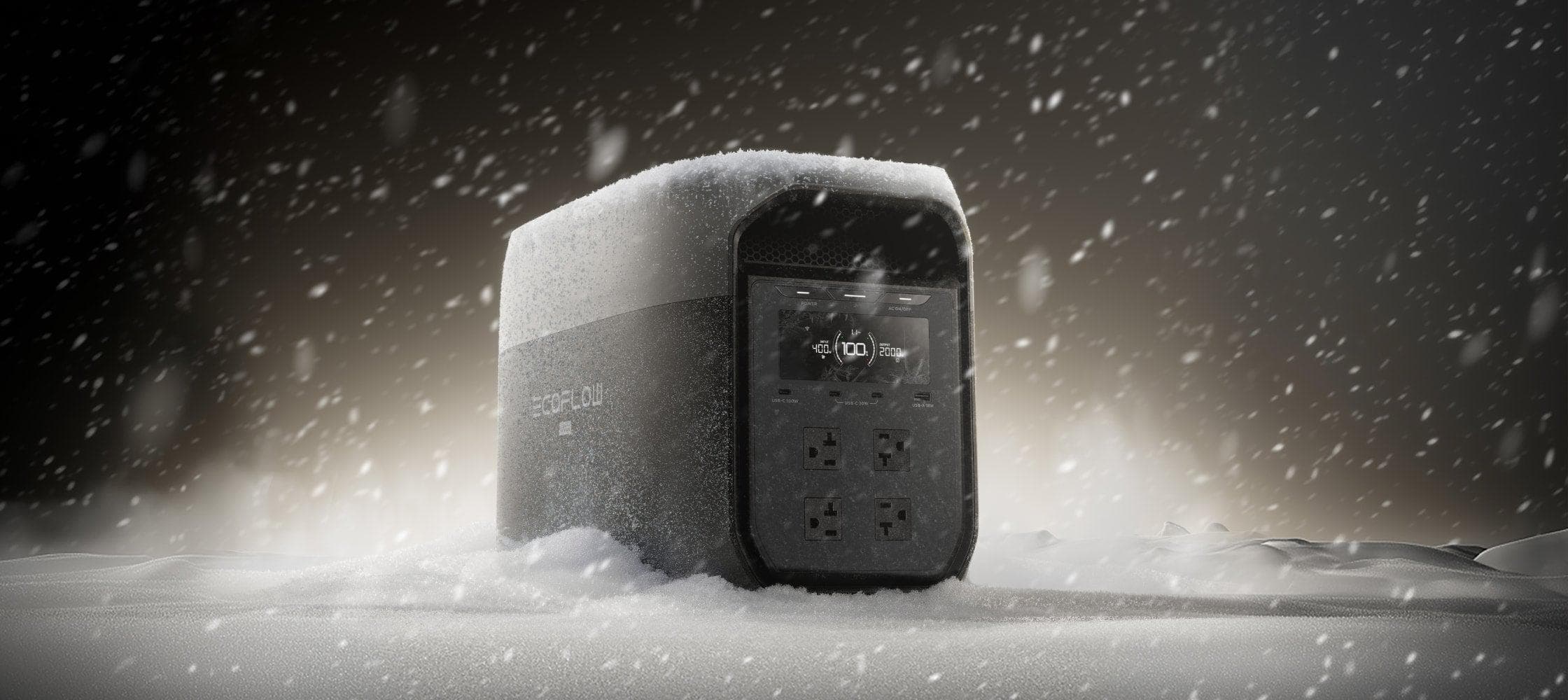
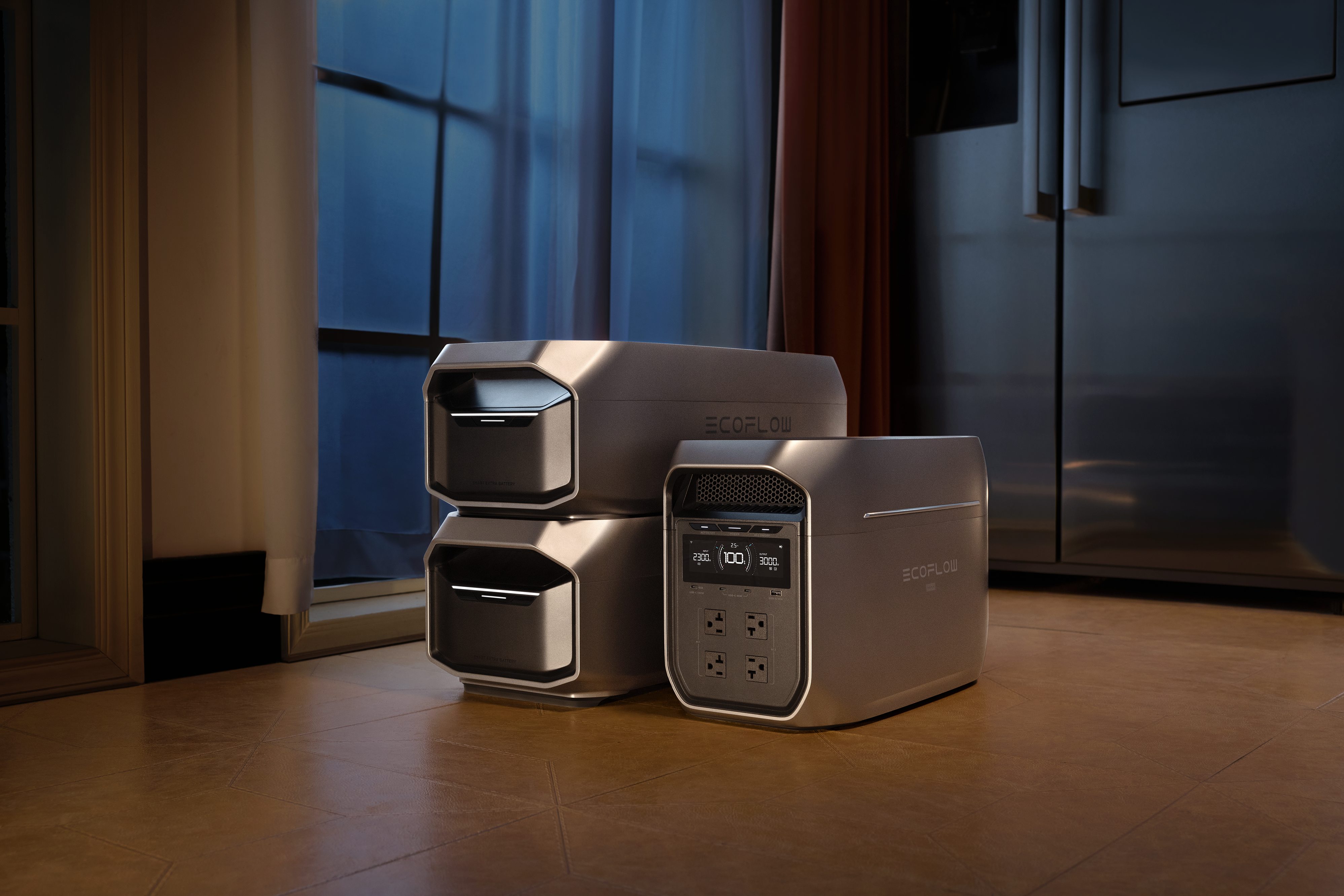
That is where EcoFlow DELTA 3 Max Plus fits naturally. Its 3000W output gives campers enough power for more demanding gear, and its capacity is expandable from 2kWh to 10kWh, which makes it easier to support lighting, cooler use, device charging, and a more comfortable camp kitchen without making the setup feel complicated. Those strengths make a real difference for campers who want more freedom without giving up the basics that keep a trip smooth.
Is Freestyle Camping Good for Beginners?
Freestyle camping can be a great fit for beginners, but it works best when the first trip stays simple. Generally speaking, a short weekend, a convenient location, pleasant weather, and a small gear list are preferable to attempting to do everything at once.
Freestyle camping is most enjoyable for novices when they select a location that is still peaceful and adaptable without putting too much strain on them. The intention is not to demonstrate how difficult the journey can be. The goal is to gain self-assurance, discover what really counts, and return with a clearer idea of the type of camping style that best suits you.
A smart first trip usually keeps these things in balance:
A simple route
A realistic weather window
A manageable amount of gear
Enough food, water, and lighting
A dependable power plan for basic comfort
That kind of start makes it easier to enjoy the freedom of a freestyle camp without turning every small issue into a bigger problem.
Plan a Better Freestyle Camping Trip
Freestyle camping works best when freedom and preparation go together. Choose the right place, pack for comfort as well as safety, and make power part of the plan instead of an afterthought. A smoother trip usually comes down to a few smart choices made before you leave. If you want a more capable setup for longer or more comfortable camp trips, EcoFlow DELTA 3 Max Plus is worth a closer look.
FAQs
Q1: Do You Need a Permit for Freestyle Camping in Canada?
It depends on where you plan to camp, the land type, and the province. Some public lands allow short stays without a camping fee, but other areas may require a permit, reservation, or designated campsite. Checking local rules before the trip is the safest approach. However, some areas have specific rules or restrictions. Always check with your provincial government or land management office before heading out to confirm what applies to your chosen location.
Q2: Is Freestyle Camping Safe for Solo Travelers?
Freestyle camping can be safe for solo travelers with the right preparation. Always share your plans and location with someone before you leave. Choose well-documented spots, carry a first aid kit, and make sure your phone or a satellite communicator is charged. Being in a remote area without facilities means self-reliance matters more, so plan carefully and know your limits before going alone.
Q3. Where Can You Park Overnight for Free in Canada?
Usually, only in places where overnight camping or overnight parking is clearly allowed, such as some Crown land areas and some simple public recreation sites. If you think that, you should not always be right. Many park campgrounds and managed camping areas still need specific sites, permits, or reservations. One of the most important things you can do to plan a safe trip is to look up the rules of the area before you stop for the night.
Q4. What Is Another Name for Free Camping?
Dispersed camping is another name for free camping. In some places and types of trips, people also use words like boondocking or wild camping. All of these simply mean camping outside of a developed campground, which is acceptable. The words may be different, but the idea is always the same: fewer built-in services and more choice.