What is Load Shedding and How to Prepare for Power Outages
In recent years, even regions known for having dependable power grids have faced unexpected pressure. Canada’s utilities are among the most reliable in the world, yet extreme weather events, rapid population growth, and rising electricity demand can still push the system close to its limits. In many countries, the response to these challenges is a controlled practice known as load shedding, something Canadians hear about less often but should still understand. Knowing what it is, why it’s used, and how it can affect your home is the first step in building a practical plan for staying powered during outages.
Load Shedding Meaning and Its Purpose
Load shedding is a deliberate, controlled action taken by electricity providers when the power grid is under stress. In simple terms, utilities temporarily shut off electricity to selected areas to reduce demand and prevent the entire system from failing. You can think of it as a large-scale version of a circuit breaker protecting your home, only this time, it’s safeguarding the stability of the entire grid.
The goal is not to inconvenience households or businesses. Instead, load shedding is used to prevent a far more serious outcome: a complete grid collapse. When electricity demand surpasses what the system can safely generate or transmit, operators must quickly remove some of that load to restore balance. These managed outages help protect infrastructure from long-term damage and ensure that essential facilities, such as hospitals, emergency services, and critical industries, can continue to operate. In essence, load shedding is a strategic measure designed to keep the broader network functioning when it’s under pressure.
Difference Between Blackouts and Planned Load Shedding
It’s important to understand the distinction between an unexpected power outage and the planned, controlled process of load shedding. Although both result in the lights going out, the reasons behind them, and what they signal about the grid, are very different.
Unpredictable vs. Scheduled
A traditional blackout in cities like Toronto or Vancouver usually arrives without warning. It might be triggered by a fallen tree, a blown transformer, or a sudden equipment failure. Load shedding, by contrast, is often scheduled and carried out in rotating blocks. Utilities may notify residents ahead of time, allowing communities to prepare while ensuring the disruption is shared fairly across different areas.
Fault-Driven vs. Grid-Controlled
A blackout is the consequence of something going wrong within the system, a fault, physical damage, or a technical failure. Load shedding is a proactive, grid controlled decision. System operators deliberately reduce electricity supply in certain zones to bring demand back in line with available capacity. In this sense, load shedding is a corrective action, not a symptom.
System Failure vs. Stability Protection
Large scale blackouts are usually the result of cascading failures and can take hours, or even days to fully restore. Load shedding, on the other hand, is a preventative measure used to stop minor imbalances from escalating into a full collapse. By briefly reducing load, operators protect the grid’s stability and preserve power for essential services.
| Item | Blackout | Load Shedding |
|---|---|---|
| Predictability | Unpredictable | Can be scheduled in advance |
| Cause | Faults or equipment failure | Supply–demand imbalance, intentional grid management |
| Duration | Variable and uncertain | Usually 2–4 hours per rotation |
| Control Method | Triggered by accidental events | Deliberately implemented by utility operators |
Causes of Load Shedding
Although load shedding can feel like a distant, technical concept, the reasons behind it are very real. Power grids face a variety of pressures, and when those pressures push the system outside safe operating limits, utilities may have no choice but to reduce demand through controlled outages.
Insufficient Power Generation
The most straightforward cause is simply a shortage of available electricity. If the grid cannot produce enough power to meet demand, whether due to aging infrastructure, delays in expanding generation capacity, or the retirement of older plants, the imbalance can become dangerous. Reducing the load through scheduled cuts helps keep the system stable until supply can catch up.
Rapid Demand Surges
Extreme weather plays a major role in electricity demand. Picture a heatwave sweeping across the Prairies, with thousands of homes switching on air conditioners at the same time. These sudden spikes push the grid far beyond what it was designed to handle. To prevent transmission lines or transformers from becoming overloaded, utilities may implement load shedding as an emergency measure.
Fuel Supply Constraints
In regions that rely on thermal power plants, a shortage of essential fuels, such as natural gas, coal, or oil, can sharply reduce the amount of electricity available. Weather disruptions, transportation delays, or supply chain issues can all limit fuel deliveries. When generation drops, utilities must shed load to keep the grid stable.
Maintenance or Equipment Outages
Power plants and major transmission equipment require routine maintenance. When large units are taken offline, the remaining system must carry the extra demand. Similarly, sudden failures, such as a blown transformer or a damaged substation, can remove significant capacity without warning. If the gap between supply and demand becomes too wide, load shedding may be necessary to avoid widespread outages.
Grid Stability Requirements
Every electrical grid must remain perfectly balanced between the power being produced and the power being consumed. If generation dips too low or demand spikes too quickly, the system’s frequency can drift out of its safe range. This instability can trigger a cascading failure. Load shedding acts as a quick, effective tool to restore balance and protect the overall network.
Load Shedding Effects on Daily Life
Although load shedding is implemented to protect the grid, its impact on daily life can be significant. A controlled outage may last only a few hours, but the ripple effects can disrupt essential services, compromise safety, and create unexpected challenges for households and businesses.
Infrastructure Failure and Fuel Shortages
When electricity is cut for extended periods, or if load shedding is poorly coordinated, critical infrastructure can quickly grind to a halt. Water pumps, sewage systems, and traffic lights rely on continuous power to operate safely. Public transit networks may experience delays or shutdowns, creating broader community disruptions. Fuel shortages can also emerge when gas stations lose the ability to power their pumps, limiting transportation and disrupting supply chains.
Economic Impact on Businesses and Homes
For businesses, especially in manufacturing, food processing, and tech sectors, even a short interruption can lead to major losses. Production lines may stall, sensitive machinery can be damaged, and data centres risk overheating without adequate cooling. Households feel the strain too, food spoils during warm weather outages, remote workers lose productivity, and families may face sudden expenses for fuel, battery systems, or backup generators.
Disruption to Communication and Security Systems
Reliable communication becomes uncertain during load shedding. Cellular towers generally have limited backup power, so mobile networks may weaken or fail altogether. Home alarm systems, motorized gates, electric locks, and security cameras also shut down, creating a heightened sense of vulnerability. For many families, this loss of connectivity and security is one of the most unsettling aspects of extended outages.
Health and Safety Risks During Extended Outages
Prolonged power cuts carry real health and safety concerns. Homes that rely on powered medical equipment face immediate risks, and indoor temperatures can quickly become uncomfortable, or dangerous. Winter outages can leave families without heat during severe cold snaps, while summer outages increase the risk of overheating, especially for seniors, young children, and those with health conditions. Ensuring a reliable power backup becomes essential in regions where extreme weather is part of life.
Essential Solutions and Load Shedding Device Options
The good news is that you’re not entirely dependent on the grid during periods of strain. A variety of practical solutions, ranging from simple, inexpensive devices to whole home backup systems, which can help keep your household running smoothly when the power goes out.
Uninterruptible Power Supply (UPS) for Electronics
For small but essential electronics, a basic Uninterruptible Power Supply (UPS) offers a simple first line of defence. When the power cuts out, a UPS provides a few minutes of battery power, enough time to save your work, prevent damage to sensitive devices, or keep your Wi-Fi and modem functioning during brief interruptions. While not designed to run appliances for long periods, a UPS is ideal for short flickers or unexpected dips in voltage.
Solar Systems and Inverter Setups
For homeowners seeking long term resilience, a full solar system paired with an inverter is a powerful option. Although the upfront investment can be significant, these systems allow you to generate and store your own electricity, reducing your dependence on the grid during outages. Solar powered backup not only offers energy independence but also provides a sustainable way to bridge gaps during prolonged periods of instability.
Smart Metering and Load Management
Many utilities across Canada now use smart meters and offer voluntary load management programs. These initiatives encourage households to shift or reduce electricity use during peak times, helping ease the strain on the grid. While these programs can offer incentives and improve overall system stability, they are not a substitute for dedicated backup power. For true outage protection, you’ll need a reliable system that can operate independently of the grid.
Flexible Home Backup Without Rewiring
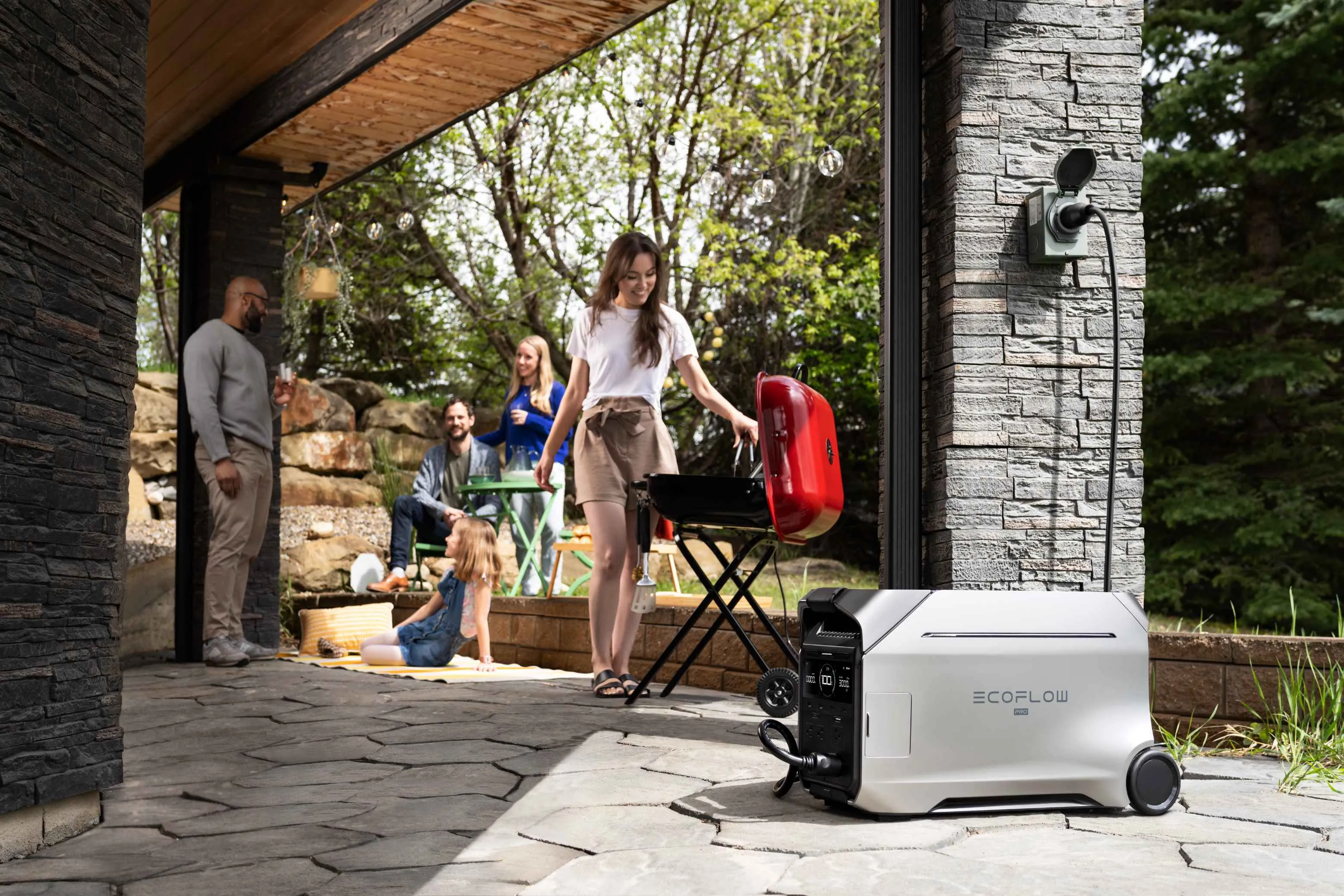
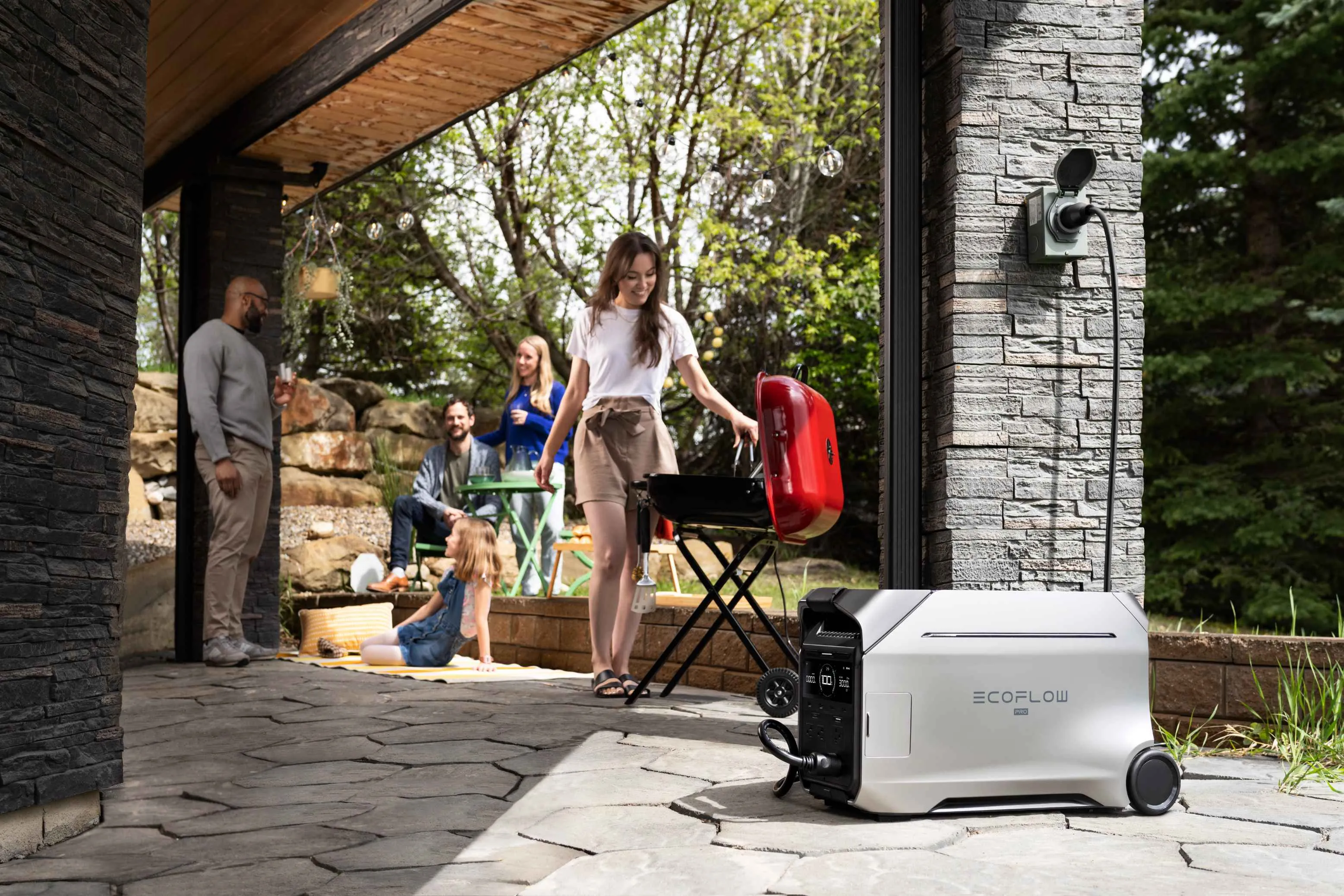
One of the most versatile and homeowner-friendly solutions today is the use of modern portable power stations. These systems offer a blend of high capacity, scalability, and ease of use, without requiring a major electrical panel upgrade. For comprehensive home resilience, the EcoFlow DELTA Pro Ultra X Whole-Home Backup Power stands out. It delivers ultra high power in a modular, scalable format and can support whole home backup without the need for invasive rewiring or complex installation. This flexibility makes it an excellent choice for managing load shedding, ensuring critical appliances continue running during outages while avoiding the cost and disruption of a major electrical overhaul.
Choosing a Load-Shedding Generator or Power Station
When selecting a backup power solution for your home, the primary decision is between a traditional fuel powered generator and a modern battery based portable power station. Each option has strengths, but your choice depends on budget, noise tolerance, installation preferences, and how often you expect outages.
1. Traditional Fuel Generators vs. Battery Solutions
Fuel generators, whether gasoline, diesel, or propane, are known for delivering high, continuous power output for long periods, so long as fuel is available. They’re effective during prolonged outages but come with clear drawbacks: loud operating noise, exhaust fumes, and ongoing maintenance requirements. They must always be used outdoors due to carbon monoxide risks.
Battery power stations, by contrast, offer a clean, quiet, and virtually maintenance-free alternative. Because they produce no emissions, they can safely operate indoors or in enclosed spaces and are ideal for residential neighbourhoods where noise and air quality are concerns. Their plug and play design also makes them easier to use than fuel generators, especially during sudden outages.
2. Noise Pollution and Maintenance Considerations
A fuel generator running for hours can disrupt households and entire neighbourhoods, an issue that becomes especially noticeable in denser areas, such as suburban communities around Edmonton or Calgary. Regular oil changes, fuel stabilizers, filter replacements, and winterization also add to long term maintenance needs. Battery power stations operate with near-silent efficiency, making them far more comfortable for extended use. With no moving parts and no fuel to manage, maintenance is minimal, offering a smoother long term ownership experience.
3. Sizing Your Backup Power Needs
Before choosing any backup system, it helps to get a clear sense of how much electricity your essential appliances actually draw. Most households rely on the same core items during an outage, a fridge, a freezer, a furnace fan, a few lights, and the Wi-Fi equipment that keeps everything connected. Adding up their wattage gives you a realistic picture of the capacity you’ll need. If the system is too small, you’ll end up cycling devices or losing power altogether. If it’s far larger than your needs, you’ll pay for performance you won’t fully use. Striking the right balance ensures your home stays functional during an outage without unnecessary expense.
4. Ideal Solution for Predictable Daily Outages
In places where outages follow a predictable, rotating schedule, a well sized portable power station can be the most convenient and dependable option. These units recharge quickly between interruptions and hold enough energy to keep your key appliances running without any fuss. The EcoFlow DELTA Pro 3 Portable Power Station stands out in this category because it combines fast AC charging, strong solar compatibility, and the ability to expand its storage when needed. It’s a practical, everyday solution for homes dealing with short, routine cuts in power, allowing you to maintain your normal routine without the noise, fumes, or upkeep that come with a traditional generator.
Conclusion
Load shedding, whether it happens only occasionally in Canada or forms part of daily life elsewhere, highlights just how delicate our power systems can be. Preparing for outages is no longer something reserved for worst case scenarios; it has become an essential piece of modern home readiness. When you understand why power cuts happen and pair that knowledge with the right backup tools, from modest UPS units to robust, whole home systems like the DELTA Pro Ultra X or DELTA Pro 3, you give your household the ability to stay warm, connected, and secure no matter what the grid is up against. A thoughtful plan today ensures that the next outage is a minor inconvenience rather than a major disruption.
FAQ
1. How long does load shedding typically last?
In most regions where load shedding is practiced, each rotation usually lasts between two and four hours before power is restored. These controlled cuts help stabilize the grid without overwhelming the system. During more severe supply shortages, however, the interruptions can stretch longer or occur multiple times within the same day, creating a recurring cycle of outages that requires households to be prepared.
2. Can a load-shedding device save my appliances?
Yes, it can. A well designed load-shedding device. whether a UPS or a portable power station, does more than just keep the lights on. These systems deliver clean, stable sine wave electricity that protects sensitive electronics from the abrupt surges and voltage fluctuations that often occur when grid power returns. Many setups also include surge protection, either built into the device or integrated through a dedicated sub-panel, reducing the risk of long-term damage to your appliances.
3. Is solar power effective during load shedding?
Solar can be an excellent solution, but only if paired with the right equipment. A standard grid-tied solar system without a battery will shut down automatically during load shedding for safety reasons. When the system includes a battery backup, however, solar panels can continue producing power and charging the battery even while the grid is down. This combination creates a reliable, self-sustaining power source, especially with modern systems like EcoFlow’s power stations that manage solar input efficiently during outages.
4. What’s the difference between generator and battery backup?
The key difference lies in how each one produces electricity. A generator burns fuel, gasoline, diesel, or propane to create power, which allows it to run for long stretches but comes with noise, fumes, and ongoing maintenance. A battery backup stores electricity in advance and releases it quietly and cleanly when needed. While battery solutions typically support shorter outage windows, they are far more convenient for indoor use and everyday residential environments where quiet, emission-free operation is important.
5. How to track load shedding schedules?
In regions with routine load shedding, utility companies usually publish detailed schedules outlining when each neighbourhood or zone will experience an outage. These timetables are commonly available on the utility’s website, through mobile apps, or via SMS notifications. By checking these schedules regularly, households can prepare meals, charge devices, and plan daily tasks around the expected interruptions.