LiFePO4 Battery Canada: How It Compares to NMC & Lead-Acid for Solar Storage
- What Is LiFePO4 and Why Does It Matter for Canadian Solar Storage?
- How Does LiFePO4 Perform in Cold Canadian Winters?
- How Does LiFePO4 Compare to NMC for Safety and Energy Density?
- How Does LiFePO4 Compare to Lead-Acid for Cycle Life and Maintenance?
- Which Battery Chemistry Costs Less Over Time?
- Which Battery Chemistry Fits Your Solar Setup Best?
- Frequently Asked Questions
- LiFePO4 Battery Storage Delivers Safe, Long-Lasting Power for Canadian Solar Systems
Choosing a battery chemistry for a solar setup means weighing cold-weather performance, safety, and long-term cost against your budget. LiFePO4, NMC, and lead-acid each handle these differently, and the right pick depends on where you live, how you'll use the system, and how much upkeep you're willing to take on. Here's how the three compare.
What Is LiFePO4 and Why Does It Matter for Canadian Solar Storage?
LiFePO4 (lithium iron phosphate) is a lithium-ion chemistry built around an olivine crystal structure, where the phosphorus-oxygen bonds resist breaking down under heat or mechanical stress.
That stability is why it holds up to roughly 270°C before releasing oxygen, compared to 150–210°C for NMC (nickel manganese cobalt), which is a meaningful margin for anyone storing batteries in a garage, shed, or basement through a Canadian summer and winter alike. It’s one factor that separates solar battery chemistry options at a fundamental level before cost or capacity come into the picture.
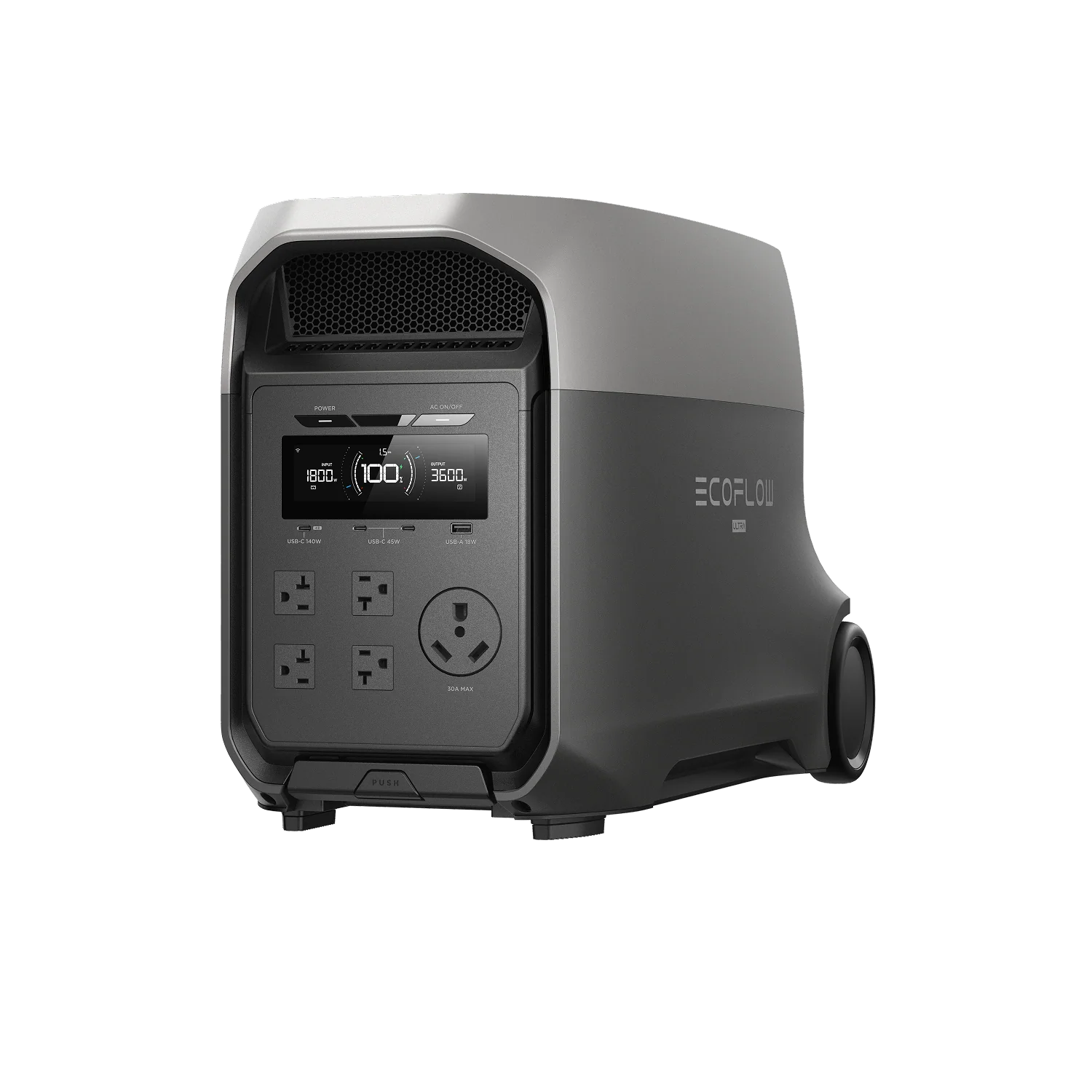
Homeowners pairing solar panels with a storage system feel that stability most in the battery doing the charging and discharging. The EcoFlow DELTA 3 Ultra uses this chemistry, so it stores the power solar panels generate with fewer safety concerns during unattended charging cycles and a longer usable life than older lead-acid setups.
How Does LiFePO4 Perform in Cold Canadian Winters?
Every battery chemistry loses some capacity in the cold, and LiFePO4 is no exception. Natural Resources Canada notes that charging or discharging a battery below about 10°C can affect performance and, if done improperly, cause lasting damage (a factor that matters for a solar storage bank in Thunder Bay or Whitehorse just as much as an EV).
Lead-acid batteries fare worse under the same conditions, losing capacity faster in sub-zero temperatures. LiFePO4 systems with a built-in battery management system avoid charging below freezing automatically, protecting the cells without extra input from you. If your setup regularly sees −10°C or colder, size in some extra capacity to cover the seasonal dip.
How Does LiFePO4 Compare to NMC for Safety and Energy Density?
Nickel manganese cobalt packs more energy into a smaller, lighter cell than LiFePO4, which is why it shows up in electric vehicles and portable electronics where weight matters most. That density comes with a tradeoff: NMC's layered oxide structure is more prone to thermal runaway than LiFePO4's phosphate-based cathode, which stays more stable at higher temperatures.
For a stationary setup, that extra density buys you less than it would in a vehicle, while the safety gap becomes more relevant.
How Does LiFePO4 Compare to Lead-Acid for Cycle Life and Maintenance?
Cycle Life and Depth of Discharge
LiFePO4 batteries typically deliver several thousand cycles, and sometimes more when kept to an 80% depth of discharge.
Lead-acid batteries generally last a fraction of that and degrade faster if regularly drained past 50%. Over a decade of daily use, that difference alone can mean replacing a lead-acid bank three or four times while the LiFePO4 unit is still running.
Maintenance Requirements
Flooded lead-acid batteries need regular water top-offs, terminal cleaning, and careful ventilation for the hydrogen gas they release while charging. LiFePO4 batteries are sealed and maintenance-free - no watering, no gassing, no equalization charges.
Discharge Curve and Power Consistency
Lead-acid voltage drops steadily as it discharges, so devices running on a nearly empty bank get noticeably less power than when it's full. LiFePO4 holds a flatter voltage curve through most of its discharge cycle, so appliances run consistently until the battery is nearly depleted.
Which Battery Chemistry Costs Less Over Time?
Lead-acid costs less upfront, with installed pricing often running well below lithium per kilowatt-hour.
But that lower entry cost gets erased by replacement frequency: a lead-acid bank swapped out several times over ten years usually costs more in total than a single LiFePO4 system, once you factor in replacement water and terminal servicing.
This total-cost math applies just as much to powering boat accessories as it does to a fixed home system.
Which Battery Chemistry Fits Your Solar Setup Best?
Off-Grid Cabins and Cottages
A cabin that sits unused for weeks benefits from LiFePO4's low self-discharge rate and lack of maintenance visits — no checking water levels or worrying about a lead-acid bank sulfating while you're away.
RVs and Vans
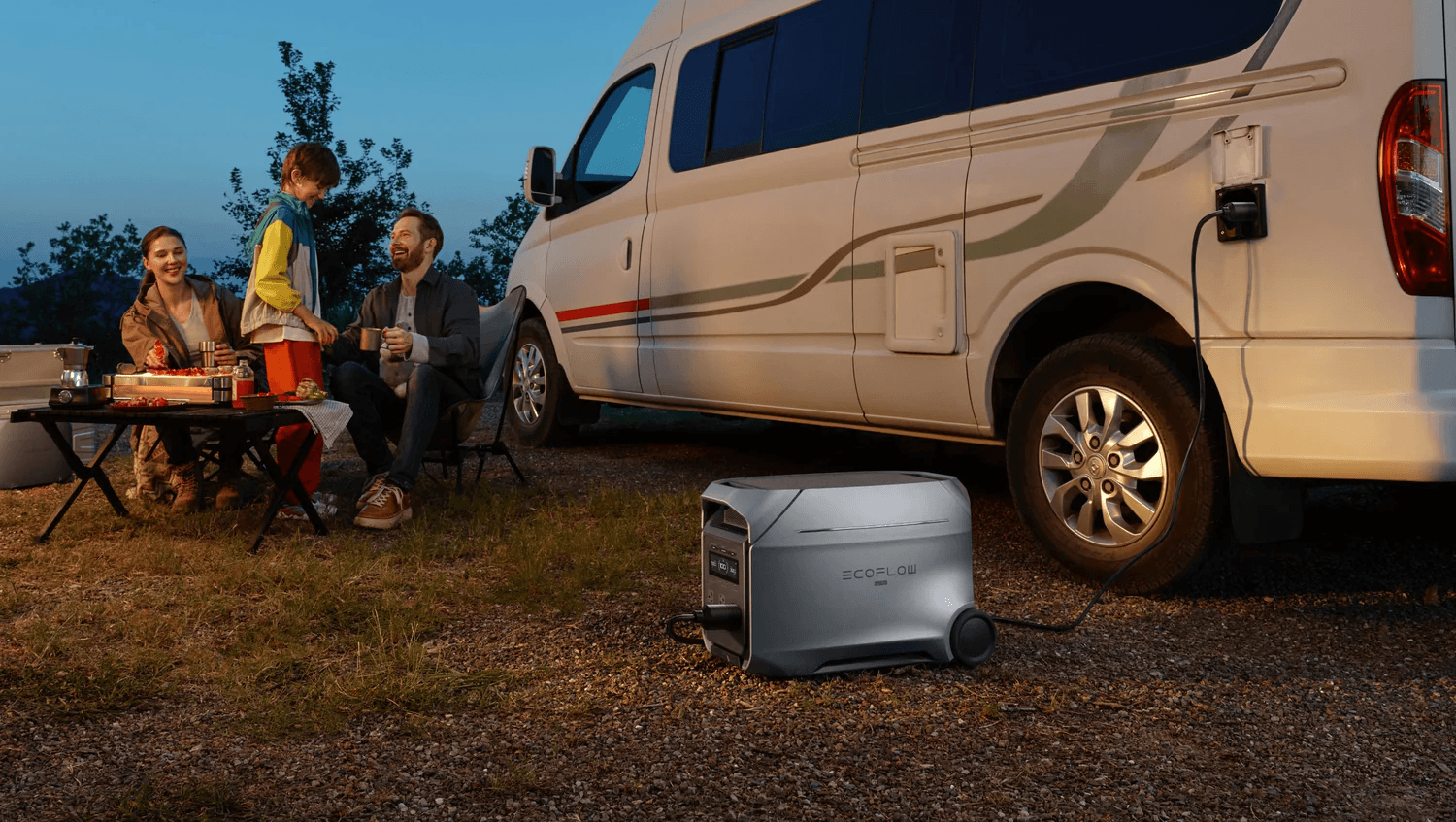
Weight and vibration resistance both favour LiFePO4 for mobile setups. Lead-acid batteries are heavier for the same usable capacity and more sensitive to highway bumps and shocks.
Home Battery Backup
For whole-home resilience during outages, cycle life and safety both weigh heavily, since the battery may charge and discharge daily for years.
Units like the EcoFlow DELTA 3 Ultra, which connects to a home’s electrical system through a manual transfer switch or inlet box, are what populate EcoFlow’s whole-home backup power solutions. LiFePO4 is typically better suited to that daily charge-discharge workload than NMC or lead-acid, which matters when you’re choosing a solar battery backup for year-round use.
Frequently Asked Questions
Does LiFePO4 Work Well in Cold Canadian Winters?
LiFePO4 batteries lose capacity as temperatures drop, delivering less output near and below 0°C. A built-in battery management system prevents charging below freezing, protecting the cells automatically. Sizing your system with extra capacity for winter months helps offset the seasonal drop in colder regions.
Is LiFePO4 Better Than Lead-Acid for Off-Grid Cabins in Canada?
For most cabins, yes. LiFePO4 needs no watering or terminal maintenance, tolerates deeper discharge without damage, and holds its charge longer during weeks of disuse. Lead-acid costs less initially but needs more attention and typically requires replacing several times over the same period a LiFePO4 battery keeps running.
How Long Do LiFePO4 Batteries Last Compared to NMC?
LiFePO4 generally delivers more charge cycles than NMC under similar conditions. NMC also degrades faster when regularly discharged close to 100%, so many NMC systems limit usable capacity to protect the cells, further narrowing the practical gap between the two chemistries.
Can LiFePO4 Batteries Work With an Existing Canadian Solar Setup?
In most cases, yes, provided your charge controller and inverter are compatible with lithium voltage ranges. Older systems built specifically around lead-acid charging profiles may need a controller adjustment or replacement. Checking your equipment's specifications against LiFePO4 requirements before switching avoids under-charging or compatibility issues.
LiFePO4 Battery Storage Delivers Safe, Long-Lasting Power for Canadian Solar Systems
Across cold-weather reliability, cycle life, safety, and long-term cost, LiFePO4 outperforms both NMC and lead-acid for most Canadian solar storage needs.
If you're weighing options for a cabin, RV, or home backup system, the EcoFlow DELTA 3 Ultra pairs LiFePO4's stability with the capacity to handle a Canadian winter's daily demands.