Is There a Fire Ban in Ontario? What Campers Need to Know
Ontario doesn’t put in place a single permanent fire ban that applies province-wide. As things stand right now, a Restricted Fire Zone covers the entire Northwest Region as well as sections of the Northeast Region. A number of individual provincial parks have also been promulgated by their own active fire restrictions. Wildfire danger and local weather can shift unexpectedly and quickly, which means fire rules are subject to sudden changes. If you’re planning to head outdoors, make sure you look up the most recent Restricted Fire Zone updates, municipal public notices, and alerts from parks and campgrounds before you go. This will give you a clearer picture of which fire restrictions apply at your destination.
How to Check Fire Ban Information in Ontario
Fire bans in Ontario can be issued by the province, local municipalities, or individual park authorities, so the rules may overlap. It’s risky to depend only on one province-wide public notice. Be sure to check updates from every governing body with jurisdiction over your destination before heading out. Rules enforced at the municipal or park level can sometimes be stricter than broader provincial directives.
Check Ontario's Current Restricted Fire Zones
Start with Ontario’s official outdoor fire restrictions webpage outdoor fire restrictionsand the Forest Fire Info Map. This interactive map displays active Restricted Fire Zones, ongoing wildland fires, and local fire threat levels.
A Restricted Fire Zone, or RFZ, is a temporary rule covering designated areas within Ontario’s Fire Region. Officials put these restrictions in place when conditions turn extremely dry, or firefighting crews are stretched too thin.
Check for Regional and Local Fire Restrictions
Towns and cities can introduce independent fire bans. Local fire restrictions may apply when no provincial RFZ exists, and they can remain active once provincial limits are revoked.
If you are staying at a private campground, cottage, or home, check with your municipality or local fire department. If you are visiting a provincial park, look up the Ontario Parks alerts page using the park’s name.
Check If the Fire Ban Is Partial or Full
If there is a partial fire ban in an Ontario Park, fires may be allowed only at certain times or in specific places. Check the park alert for the exact rules.
A full ban means no open fires are permitted in the park at any time. This normally includes a campfire inside a designated campsite fire pit.
Save the fire ban notice before you go into areas with poor cell service. Once at the park, check for any posted signs about fire restrictions.
What Is Prohibited During an Ontario Fire Ban?
What you can and cannot do during a fire ban in Ontario depends on your location and the authority that issued the restriction. Provincial parks, municipalities, conservation areas, and private campgrounds may all have different requirements
Open Fires and Outdoor Burning
During an RFZ, campfires, burning grass or debris, and the use of burn barrels are usually not allowed unless there is a specific exception. Just having a fire pit does not mean you can have a fire.
When there is a fire ban in Ontario Parks, you cannot use charcoal barbecues, wood-burning stoves, candles, torches, or incense burners because they can release embers or hot materials.
Fire-Producing Equipment and High-Risk Activities
Ontario Parks usually allows gas, propane, and liquid-fuel cooking stoves that have a working shut-off control. Always keep the stove at least one metre away from anything that could catch fire.
The table summarizes Ontario Parks equipment guidance. The current notice for your destination takes priority.
Equipment or Activity | During a Partial Fire Ban | During a Full Fire Ban | Key Conditions | Fire-Free Alternative |
Wood campfire | Only when the notice allows it | Not permitted | Follow stated times and locations | Rechargeable lanterns |
Charcoal barbecue | Check the notice | Not permitted in Ontario Parks | Coals and ashes remain an ignition risk | Electric grill at a powered site |
Wood or biomass stove | Check the notice | Not permitted in Ontario Parks | Includes twig and wood-pellet stoves | Approved propane stove |
Gas or propane cooking stove | Usually permitted | Permitted under Ontario Parks guidance | Requires a shut-off valve and safe clearance | Electric cooker |
Liquid-fuel cooking stove | Usually permitted | Permitted under Ontario Parks guidance | Requires a shut-off control or closable lid | Prepared meals |
Candle, torch, or incense burner | Check the notice | Not permitted in Ontario Parks | Citronella candles are included | LED candle |
Propane or gas lantern | Usually permitted | Permitted under Ontario Parks guidance | Confirm local rules and keep it stable | Rechargeable LED lantern |
Portable propane firepit | Check the notice | Permitted by Ontario Parks if it can be turned off immediately | Local rules may be stricter | Flame-free LED display |
Whenever you encounter unclear or conflicting guidance within fire safety regulations, abide by the most stringent rule available. Reach out to the governing authority to clarify before operating any camping equipment, and follow basic wildfire prevention practices around your campsite.
What to Check Before Camping in Ontario During a Fire Ban
The fire ban does not necessarily mean that you must cancel your camping plans. However, it may affect the conditions for entering the park, the methods of cooking, nighttime lighting, and the equipment that can be used.
Confirm Your Park or Campground Is Still Open.
A fire ban might stop you from having campfires, but campsites and other facilities could still be open. Make sure to check the status of the park you're planning to visit; double-check your reservation info, entry points, and any current warning notices. If your group decides not to use the campfire for camping, please check the cancellation policy. Moreover, don’t expect an automatic refund just because a fire ban is in place.
Check Road, Trail, and Backcountry Conditions
Wildfires can affect roads, canoe routes, and backcountry areas. Check Ontario 511 for highway updates and look for local notices about access or possible evacuations.
Before heading into areas with limited cell service, download maps, check the weather and smoke forecasts, and plan an alternate exit route. Let someone at home know your route and when you expect to return.
Check Your Cooking, Lighting, and Power Setup
Before heading out, review your camping checklist and make sure your setup works without an open fire. Bring a permitted cooking system, enough fuel or stored power, rechargeable lighting, and at least one ready-to-eat meal that requires no heating.
Check the power requirements of your electronic equipment before packing. Electric kettles, for example, draw far more power than camping lanterns even when used briefly. If you need to run several devices or small appliances, a portable power station can be more practical than relying on multiple small power banks.
How to Camp Comfortably Without a Campfire
Even without a campfire, you can still have hot meals, good lighting, and comfortable evenings at your campsite. Planning for cooking, warmth, lighting, and electricity will make things much easier.
Use Approved Stoves or Electric Appliances for Cooking
Before you go camping, take some time to check which equipment is allowed under Ontario’s fire ban rules. Propane or liquid fuel camping stoves with working shutoff valves can be a practical cooking option when permitted. Always set up your stove on a flat, stable surface and keep it away from tents, dry grass, and leaves. Even small sparks can start a fire in dry vegetation and quickly become dangerous.
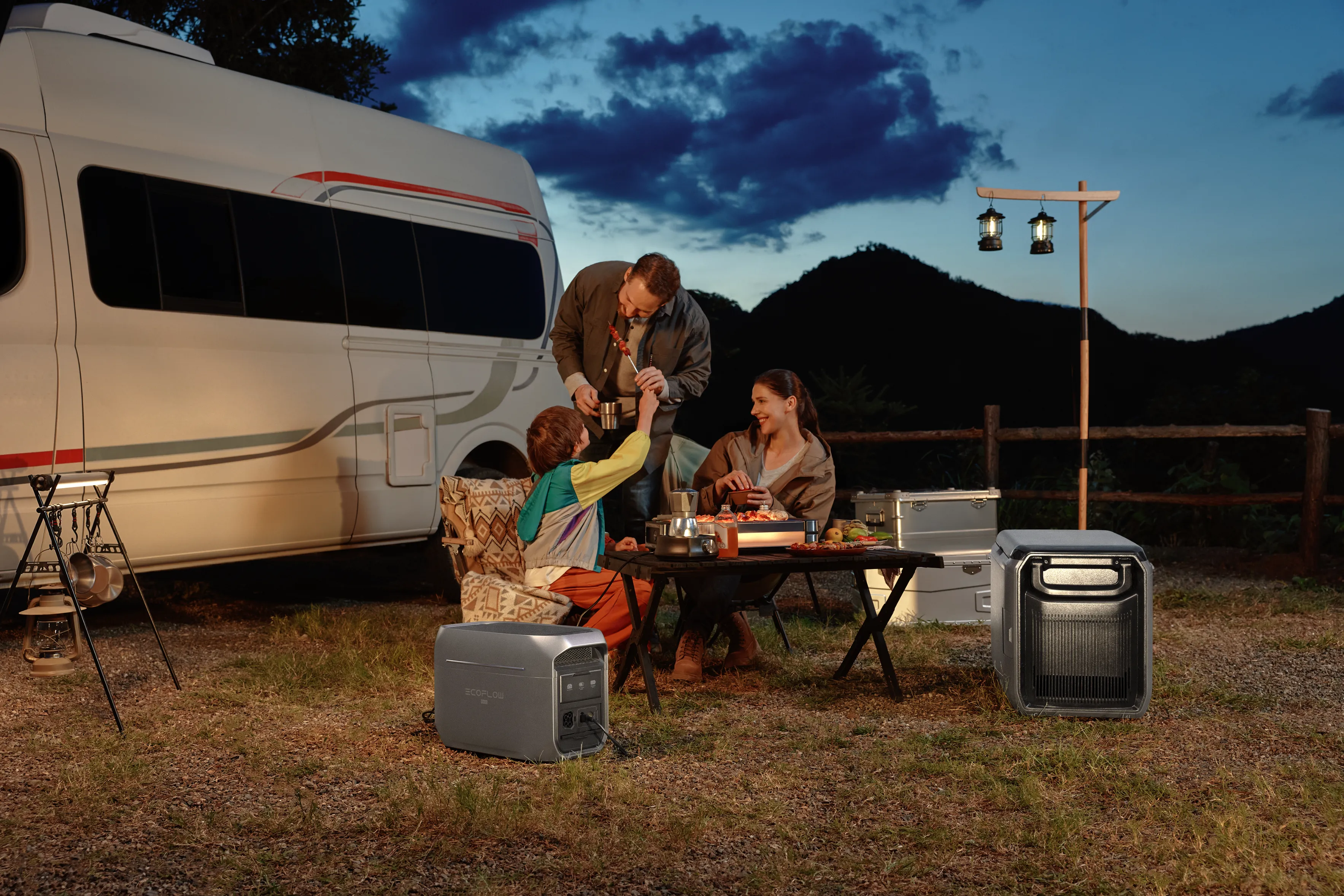
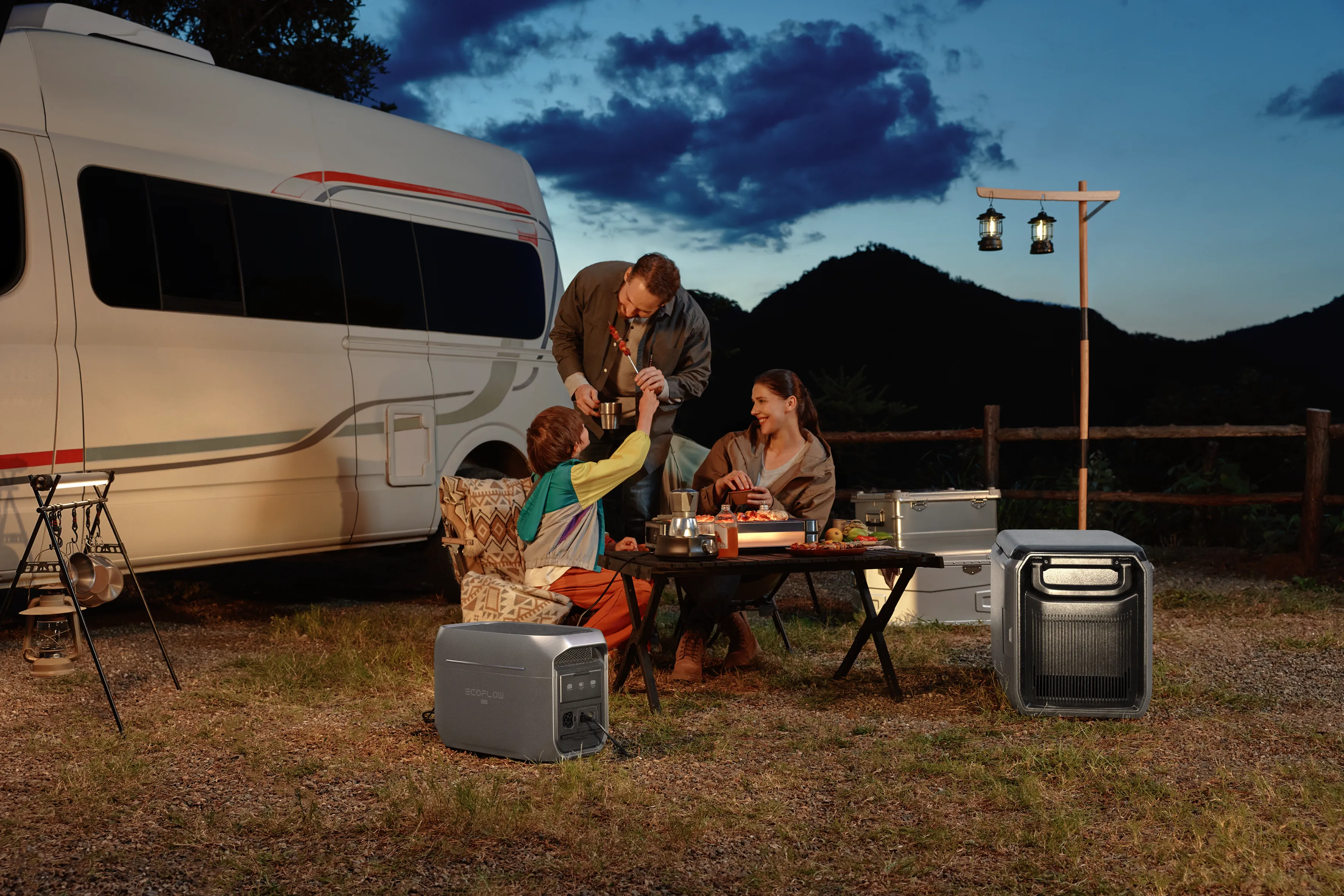
Many campgrounds also have electrical hookups, allowing you to use induction cooktops, rice cookers, electric kettles, and similar appliances without an open flame. At campsites without hookups, a power station can provide stored electricity for compatible cooking appliances and other essential devices. It’s a good idea to bring at least one ready-to-eat meal just in case. Fire restrictions can change quickly, and stricter rules may be put in place with little notice.
Stay Warm With Insulated Gear Instead of Fire
Grab a sleeping bag properly rated for the lowest overnight temperatures forecasted for your trip, and don’t skip an insulated sleeping pad underneath. Dry base layers, cozy warm socks, a toque, and a wind-resistant outer jacket retain your body heat much more effectively than counting on an open campfire to stay warm. Fires only provide temporary, spotty warmth, while proper cold-weather gear can help you stay more comfortable through the night.
Replace Firelight With Rechargeable Campsite Lighting
Use a lantern to light up the picnic table, and smaller lights to mark tent doors and paths. Warm-coloured LED string lights give soft lighting without candles. Point them down to avoid bothering other campers.
Power Lights and Essential Devices on Short Camping Trips
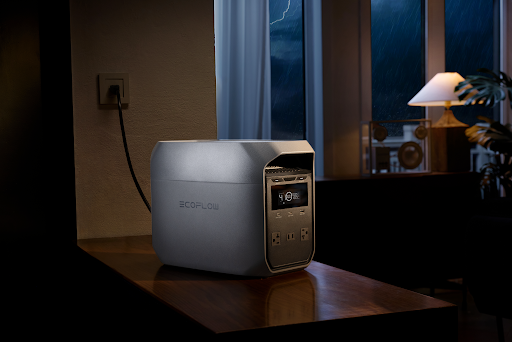
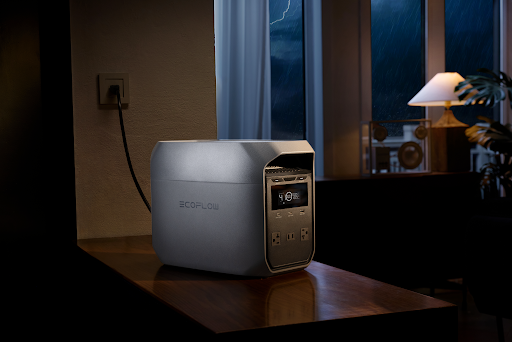
For a two- or three-day car-camping or family campground trip, the EcoFlow DELTA 3 Classic Portable Power Station (1024Wh) can serve as a central power source for campsite lights, phones, GPS devices, cameras, and a portable fridge. It can also run selected electric kettles, rice cookers, and other small cooking appliances when their power requirements are compatible.
During a fire ban, this setup lets you keep lights on at night, refrigerate food, charge devices, and prepare basic meals without needing a campfire or other restricted equipment. The DELTA 3 Classic can power more devices than several small power banks and is better for sharing power at your campsite during a two- or three-day trip.
Add Solar Charging for Longer Off-Grid Camping
For longer remote camping trips, extended car camping, or campsites without electricity, the EcoFlow DELTA 3 Max Plus Portable Power Station (2048Wh) can run a portable fridge, campsite lights, cameras, communication devices, and some higher-powered cooking appliances. This makes it a good choice for multi-day trips when a fire ban means you need more electric lighting and cooking options.
If you add a 400W Portable Solar Panel, the power station can recharge during the day when there is enough sunlight. This means you do not have to rely only on the energy you brought with you. Using both stored power and solar charging is more practical for longer trips without electrical hookups. It helps you keep your fridge, lights, devices, and electric cooking running throughout your stay.
Conclusion
Fire bans in Ontario depend on where you are, the time of year, local rules, and current wildfire conditions.
Before you go, look up provincial Restricted Fire Zone notices, local updates, and any alerts from parks or campgrounds. When you arrive, double-check the rules.
You can still have a safe and comfortable trip during a fire ban if you pack the right cooking gear, warm sleeping bags, rechargeable lights, and a reliable power source.
FAQS
Are campfires banned in Ontario?
Campfire restrictions in Ontario generally apply to specific areas and periods rather than as a permanent year-round province-wide rule. Open campfires may be prohibited where active fire restrictions or Restricted Fire Zone (RFZ) orders are in place to reduce wildfire risk. Fire rules vary across regions, parks, and communities, so check the latest regulations for your municipality, provincial park, or private campground before lighting an outdoor fire.
How do I find out if there is a fire ban in my area?
To confirm current fire restrictions for your destination, check multiple official sources for the most accurate updates. Start with Ontario’s official Forest Fire Info Map to view province-level RFZ status. Next, review updates from your local municipal website and fire department, as municipal burn rules often differ from provincial ones. Finally, look for any active alerts posted by the specific park or campground you plan to visit. Fire ban status can change quickly with shifting weather and wildfire conditions, so be sure to double-check the rules again upon arrival onsite.
Can I have a fire pit in my backyard in Ontario?
Whether backyard fire pits are allowed in Ontario depends on local municipal bylaws, permit requirements, and current provincial or local fire restrictions. Having a permanent backyard fire pit does not exempt you from active municipal burn bans or provincial Restricted Fire Zone rules. Even if your pit meets standard backyard safety specifications, temporary fire restrictions may still apply during periods of elevated wildfire risk. If you are unsure about current rules or permit requirements for your property, contact your local fire department for clarification before lighting an outdoor fire.
What Is a Restricted Fire Zone in Ontario?
A Restricted Fire Zone (RFZ) is a temporary provincial fire regulation put in place across designated parts of Ontario’s fire management regions. The government enforces these zone restrictions when wildfire risks spike to critical levels or when provincial firefighting resources are overextended and unable to handle new fire emergencies effectively. Under an official RFZ declaration, most open-air fires and outdoor burning activities are limited or fully banned to eliminate human ignition sources. These rules are not fixed long-term policies — they are activated based on real-time forest conditions, drought levels, and wildfire activity. They will be lifted once environmental conditions become safe again.
Can a fire ban begin after I arrive at my campsite?
Yes, fire bans and restriction upgrades can take effect suddenly, even after you’ve already settled into your campsite. Local fire hazard conditions are monitored around the clock by provincial and municipal fire officials, and rules can change rapidly due to sudden heatwaves, dry wind, or emerging wildfire outbreaks. It is very common for relaxed fire policies to be tightened or full restrictions to be introduced during your camping trip. Always keep an eye on onsite park notices, official digital updates, and roadside signage throughout your stay. Once a new fire ban comes into force, you must immediately cease all prohibited burning and turn off any restricted outdoor heating or cooking equipment to follow local fire safety laws.