Is Hydroelectric Energy Renewable in Canada? Pros, Cons, and Environmental Impact
- Why Is Canada So Dependent on Hydroelectric Power?
- What Are the Real Drawbacks of Canadian Hydropower Infrastructure?
- How Can You Prepare for Hydropower Shortages at Home?
- What Ecological Costs Does Large Scale Hydro Production Cause?
- Will Climate Change Threaten Canada’s Renewable Hydro Future?
- Conclusion
- FAQ
When Canadians turn on a light switch, chances are that electricity comes from a river or a big reservoir. Canada is one of the world’s top producers of hydroelectricity. The country relies heavily on water to keep the lights on and industrial sectors running smoothly.
But as the conversation around climate change gets louder, and as our winters and summers become harder to predict, more homeowners are asking a fair question. Is hydroelectric energy actually renewable and sustainable for Canada’s future?
This article gives you a clear look at Canada’s hydro infrastructure. We will talk about why we depend so much on water power, the real downsides of large scale hydro projects, the changing environmental costs, and how climate change is putting our grid at risk. We will also cover practical ways Canadian households can get ready for seasonal power shortages using modern backup energy solutions.
Why Is Canada So Dependent on Hydroelectric Power?
Canada did not end up with hydropower by chance. It is geography, engineering, and decades of work to build a stable energy supply. From Quebec and BC to Manitoba and Ontario, our fast moving rivers have shaped the national grid. This is why hydropower remains the backbone of Canada’s electricity system.
Use Renewable Flowing Water for Electricity
Hydropower is considered renewable because it relies on the natural water cycle, where rain and snowmelt continuously replenish rivers that drive turbines.
Produce Low Carbon Power Across Canada
Hydropower lets Canada meet a lot of its energy demand with a much smaller carbon footprint than fossil fuel dependent countries. Once a dam is built, running it releases almost no greenhouse gases. In fact, hydropower provides over 60% of Canada’s total electricity, allowing provinces like Quebec and BC to supply over 90% of their grid power from emissions-free sources.
Supply Stable Electricity During Peak Demand
One of hydro’s biggest strengths is how quickly it can respond. Wind and solar depend on the weather at any given moment, but reservoir-based hydro plants can ramp their output up or down within minutes. When demand spikes during a cold January snap or a hot summer heatwave, grid operators can rapidly increase output to meet demand.
Support Long Term National Energy Needs
Hydro dams are built to last for generations. While the upfront cost is significant, major dams like the Robert Bourassa in Quebec or the W.A.C. Bennett Dam in BC have been running efficiently for decades. These assets give us a steady baseline of affordable energy. They support Canadian industries, attract investment, and protect our energy independence from wild swings in global fuel markets, while also strengthening Canada’s sustainable energy foundation.
What Are the Real Drawbacks of Canadian Hydropower Infrastructure?
For all its benefits, Canada’s heavy reliance on a centralized hydro grid comes with some real weak spots. Canada’s infrastructure is aging and facing new kinds of strain. Relying so much on distant water sources is getting harder to ignore. Here are the main challenges built into Canada’s current hydro systems.
Cost More to Build and Maintain
Building large-scale hydro dams requires billions of dollars and often spans over a decade, with megaprojects routinely exceeding their projected budgets. For instance, British Columbia’s Site C and Labrador’s Muskrat Falls demonstrate how quickly capital expenditures can spiral out of control. On top of that, these concrete structures and turbines are now 50 or 60 years old. Keeping them safe and running is getting expensive. Provincial utilities and taxpayers are ultimately left to absorb the financial burden.
Lose Power Across Long Transmission Lines
In Canada, there is a massive geographic gap between power generation and demand centers. This presents a major engineering challenge. Most of our big hydro reservoirs sit in remote northern areas, thousands of kilometers away from major cities like Toronto, Montreal, and Vancouver. Sending that electricity down long transmission lines causes real power loss, as a portion of that energy is inevitably dissipated as heat.
Depend on Specific River Conditions
Hydropower output depends entirely on water availability. If a river runs low because of a dry winter or a scorching summer drought, the dams downstream just cannot produce as much power. This happens when river flow drops. So the stability of Canada’s main energy grid depends entirely on the weather. And the weather is getting more unpredictable, potentially affecting electricity supply in some regions during extreme conditions. As these fluctuations become more noticeable at the grid level, households and outdoor users may also start thinking more about backup options for short-term disruptions. In such cases, portable power stations can serve as a flexible backup energy solution for emergencies and temporary outages.
Canadian Hydropower: Pros & Cons
| Pros | Cons & Risks |
|---|---|
| Low Carbon: Emits minimal operational greenhouse gases compared to fossil fuels. | Ecosystem Damage: Floods massive forests and traditional Indigenous lands. |
| Grid Flexibility: Ramps power up or down in minutes during peak winter/summer demand. | Mercury Spikes: Decaying flooded plants release toxic methylmercury into fish. |
| Long Lifespan: Built to last for generations, providing a stable energy baseline. | Massive Budget Overruns: Mega-projects routinely face severe cost spirals (e.g., Site C). |
| Cheap Electricity: Gives provinces like Quebec the lowest power rates in North America. | Climate Vulnerability: High risk of power shortages during severe droughts and heatwaves. |


How Can You Prepare for Hydropower Shortages at Home?
Canada has always had a pretty reliable power grid. But that is changing fast. Shifting weather, intense summer heatwaves, and nasty winter storms mean power outages are no longer a rare inconvenience for many Canadian households. Investing in independent backup storage is the most reliable way to prepare for power outages without relying on public utilities. When the local grid stumbles, keeping the lights on becomes priority number one. Here is how you can get ready.
Keep Gas Powered Backup Generators Ready
Gas generators are still a common backup choice across Canada. They run on gasoline, propane, or diesel and can put out serious power right away. Enough to keep your key appliances going. But they come with some real downsides. They are loud. You have to store fuel. There is a carbon monoxide risk. And you can only run them outside, well away from your living space.
Use Standard Grid Tie Inverter Systems
A lot of homeowners go with rooftop solar panels and standard grid tied inverters to cut down their electricity bills. These systems work great when everything is normal. They send solar power straight into your home or back to the grid. But here is the catch. For safety reasons, standard grid tied setups shut down completely during a power outage. So when the hydro grid goes dark, your solar system cannot power your home at all.
Build Whole Home Backup Battery Systems
Canada has relied on big hydro dams for a long time. But with intense summer heat, wildfires, and wild weather in recent years, more families are thinking about keeping the lights on during blackouts. When the grid goes down completely, a few lights and a fridge are not enough. Essential systems such as furnaces, well pumps, and kitchen appliances also need to keep running smoothly.
For whole-home backup power, a high-capacity energy storage system is required. The EcoFlow DELTA Pro Ultra Whole-Home Backup Power is designed for this type of application, offering expandable capacity, high power output, and integration with smart home systems. It can support essential household loads during extended grid outages, operating quietly and without direct emissions.
Use Flexible Expandable Solar Station Bundles
Not every Canadian family needs a massive whole home backup system. Sometimes your needs are smaller and more flexible. Think about dealing with power dips during summer peak demand. Or managing spotty electricity at a rural property or the family cottage. In those cases, you do not need to run the whole house. You just need to keep critical appliances running, including the refrigerator, Wi-Fi routers, medical devices, and essential lighting.
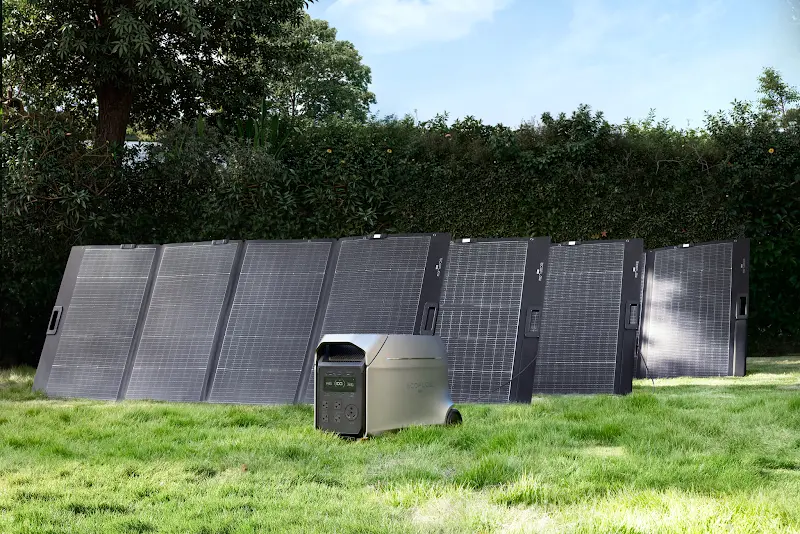
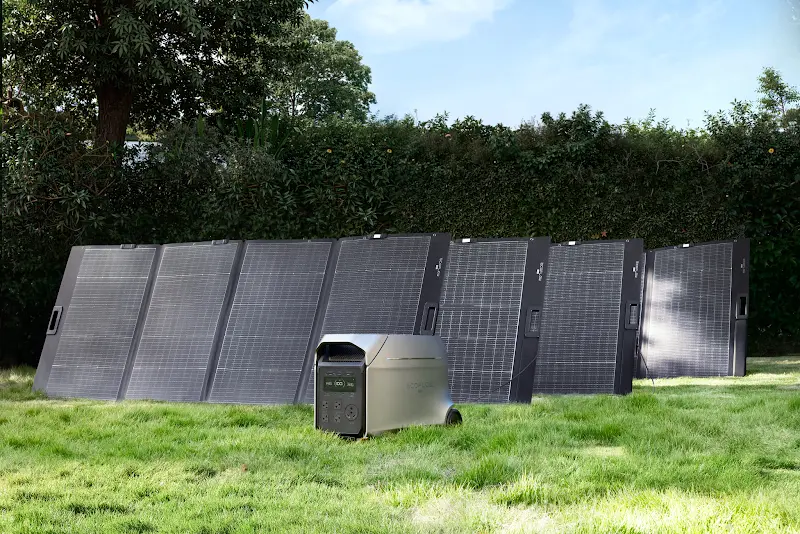
For these everyday backup situations, compact solar and storage setups are getting really popular. The EcoFlow DELTA 3 Ultra Plus + 400W Solar Panel bundle serves as an ideal solution. It is a portable power source you can actually use indoors, keeping your essential electronics running during short blackouts or local disruptions. And it charges back up with solar when you are off the grid.
What Ecological Costs Does Large Scale Hydro Production Cause?
People celebrate hydropower for its low carbon emissions. But calling it completely “environmentally friendly” ignores the huge physical impact it has on local ecosystems. Turning a free flowing river into a managed industrial reservoir changes the entire landscape. To really understand hydro’s footprint in Canada, we have to look at the environmental trade-offs that come with large scale production.
Flood Natural Wildlife Habitats
Big hydro dams flood huge areas of forest, valley, and wetland. That land is permanently altered or takes decades to recover. Animals either leave or die. In Canada, these floods have also wrecked traditional hunting and trapping lands for Indigenous communities. The whole landscape and its creatures change forever.
Release Trapped Mercury Into Surrounding Waterways
When large forested areas are flooded, the submerged organic matter begins to break down in oxygen-poor conditions. These low-oxygen environments create ideal conditions for microbes that transform inorganic mercury into methylmercury.
Once formed, methylmercury enters aquatic food webs and gradually accumulates as it moves up the food chain. As a result, fish in affected waters can carry higher levels of methylmercury, posing potential health risks for communities that rely on them for food.
Change River Temperatures and Water Flow
Dams block rivers in a big way. They also change the temperature of the water. Water sitting in a reservoir heats up and cools down differently than a free flowing river. When it finally gets released through the turbines, the temperature is all wrong. On top of that, the flow is controlled by humans, not nature. Those artificial changes mess with the seasonal cues that native fish like salmon and trout rely on to migrate and spawn.
Lower Water Levels in Downstream Areas
Hydro dams hold back huge amounts of water upstream. That means they control how much water goes downstream. Often, this lowers water levels downstream, drying up river deltas and shrinking coastal wetlands. Less water damages local aquatic habitats and cuts off nutrients that coastal ecosystems need. It also hits downstream communities hard, especially those that rely on steady water levels for boat travel and local utilities.
Will Climate Change Threaten Canada’s Renewable Hydro Future?
Canada’s clean energy strategy faces a key limitation. Hydropower helps fight climate change, but it is also at risk from it. Rising temperatures are breaking the weather patterns our grid was built on.
Accelerate Glacier Melting Across Western Canada
Glaciers in British Columbia and Alberta act as important natural water reservoirs, gradually releasing meltwater that supports river flows throughout the summer. As temperatures rise, these glaciers are melting at an accelerated rate, which can temporarily increase water availability. However, as long-term ice reserves decline, summer river flows are expected to decrease over time, which may reduce hydropower generation capacity in affected regions.
Reduce Water Levels in Major Reservoirs
Warmer temperatures mean more water evaporates from Canada’s big open air reservoirs. Add in longer stretches with less summer rain, and reservoir levels in several provinces are dropping close to the minimum needed to keep running. When water levels fall, the pressure that drives turbines also drops, reducing electricity output.
Increase Risks of Seasonal Power Shortages
Less water combined with higher demand creates a real risk of power shortages. During severe summer droughts, river flows are at their lowest. But that is also when households are cranking up their AC and cooling systems. That mismatch pushes provincial hydro utilities to their absolute limits. As a result, rolling brownouts or sudden grid failures during extreme weather events are becoming more likely.
Push Homes Toward Backup Energy Systems
As extreme weather events become more frequent, it is becoming less reliable to assume uninterrupted power during certain periods of the year. Seasonal shortages are a real concern, and wildfires and storms can also disrupt the grid. As a result, more households are taking energy security into their own hands by adopting backup power solutions such as a residential solar generator setup and whole-home battery systems.
Conclusion
Hydropower is the foundation of Canada’s energy system. It provides low-emission, flexible electricity that has kept the country running for decades. But it is far from perfect. There are ecological impacts, including habitat loss and mercury contamination. And most importantly, hydropower is increasingly vulnerable to climate change, with severe weather, droughts, and melting glaciers putting growing stress on Canada’s hydro-dependent grid.
For Canadian homeowners, relying only on the grid is no longer the most reliable option. It is increasingly advisable for households to consider independent backup power solutions. A whole home battery like the EcoFlow DELTA Pro Ultra for long outages. Or a flexible EcoFlow DELTA 3 Ultra Plus bundle for the cottage or everyday indoor emergencies. This can help ensure household resilience during grid interruptions. No matter what is happening at the dam upstream.
FAQ
Is Hydropower Environmentally Friendly?
No, hydroelectric power is not entirely environmentally friendly because its large-scale implementation causes significant ecological disruption. While it produces minimal air pollution and low greenhouse gas emissions compared to fossil fuels, the flooding required to build massive reservoirs destroys vital wildlife habitats, alters local water chemistry, and permanently damages river ecosystems downstream.
Are Hydropower Plants Completely Free of Greenhouse Gas Emissions?
No, hydropower plants are not completely free of greenhouse gas emissions, particularly during their initial decades of operation. When large reservoirs flood surrounding forests and soil, the submerged organic matter decays anaerobically, releasing substantial amounts of carbon dioxide and methane—a potent greenhouse gas—into the atmosphere, especially in the years immediately following construction.
How Do Droughts Affect Hydropower Generation?
Droughts directly reduce hydropower generation by lowering water levels in reservoirs and decreasing the volume of river flow needed to spin turbines. When water levels drop below optimal operational thresholds, the water pressure driving the generators weakens, forcing facilities to curtail their electricity output and occasionally causing regional energy shortages.
How Much Does Hydropower Cost in Canada?
Hydropower is historically one of the most cost-effective sources of electricity in Canada, keeping consumer utility rates relatively low. On average, residential electricity rates in hydro-dominated provinces typically range between 7¢ and 15¢ per kilowatt-hour (kWh), making it significantly cheaper than electricity generated from natural gas, diesel, or nuclear power in other jurisdictions.
Where in Canada Has the Lowest Hydro Rates?
The province of Quebec consistently offers the lowest hydro and electricity rates in Canada, closely followed by Manitoba and British Columbia. Thanks to massive, fully amortized state-owned hydroelectric networks managed by Hydro-Québec, residential consumers in these provinces enjoy some of the most affordable and stable electricity prices across North America.