Do You Really Need an Inverter Generator in Canada? How to Protect Sensitive Electronics in Canada (2026)
Canadian weather keeps getting messier, from ice storms in Ontario to summer heat waves in BC. Reliable backup power has gone from nice to have to must have. But just having a generator doesn’t cut it. You need the right kind of power to keep your modern home running. This guide shows the difference between standard and inverter generators, why it matters in Canada, and how to protect your electronics.
Do You Really Need an Inverter Electric Generator?
When the grid goes down during a harsh Canadian winter, the immediate instinct is to plug in essential heating and lighting equipment. For homeowners running sensitive electronics or smart appliances, a solar generator can provide cleaner and more stable backup power than many traditional portable generators. But before you connect your $2,000 MacBook or smart fridge to a decades-old portable unit, you need to understand what’s happening under the hood, as power quality varies wildly between generator types.
Standard Generator Power vs. Inverter Clean Power
Standard open-frame generators are built for power, not precision, running at a fixed speed to maintain frequency, but this mechanical process is imprecise and leads to “dirty power”. In contrast, inverter power is electronically controlled to produce a “Pure Sine Wave,” mimicking the smooth electricity provided by Canadian utilities like Hydro-Québec or BC Hydro.
While standard open-frame generators roar at a constant, ear-splitting volume (often exceeding 75-85dB), inverter technology introduces a major improvement: Whisper-quiet operation. Because an inverter generator can adjust its engine speed to match the electrical demand, it typically operates between 50-60dB—roughly the volume of a normal conversation. When weighing the pros and cons of inverter generators, operational benefits such as noise reduction and fuel efficiency often outweigh the higher initial cost for many users. In a quiet Canadian suburb, this is the difference between keeping the lights on and receiving a noise complaint from your neighbors.
| Feature | Standard Generator | Inverter Generator |
|---|---|---|
| Wave Type | Distorted Sine Wave | Pure Sine |
| THD | High | Low (<3%) |
| Noise | 75–85 dB | 50–60 dB |
| Safe for electronics | No | Yes |
In a blackout, this is what decides whether your $3,000 gaming rig and OLED TV survive or end up in the scrap heap.
What Is the Inverter Generator Process
An inverter generator starts by producing high frequency AC power, then converts it to DC, and finally inverts it back into clean AC power using smart circuitry. When comparing an inverter generator vs. generator, the primary distinction lies in this inversion process, which ensures the voltage remains stable regardless of engine speed. Because engine speed adjusts to demand, fuel consumption is typically lower during lighter loads, extending your run-time during long blackouts.
Technical Risks of Sine Wave Distortion
Most people don’t realize that sensitive microchips rely on a perfectly smooth electrical rhythm. When you use a standard generator, that rhythm gets distorted. In real-world home use, this may cause audio equipment to produce humming noises, LED lights to flicker, or certain chargers and power adapters to run warmer than normal. Over time, this “electrical stress” can silently fry the circuit boards in your most-used devices.
Safety of Using an Inverter with Generator Units
A built-in inverter system provides a critical layer of protection, isolating your sensitive electronics from raw engine surges. It ensures that even if the engine surges, the output remains within the tight tolerances required by modern safety standards.
Why Is Power Quality Critical for Canadian Homes?
Canada’s move to smart home tech has made life more comfortable, but the microprocessors running these systems don’t handle voltage spikes well. Old appliances could take a beating. Modern Canadian homes need clean, steady power to avoid expensive and permanent damage.
Smart Thermostats Can Fry During Outages
Modern smart thermostats contain sensitive control boards that don’t react well to unstable generator power. Their delicate sensors are often the first thing to go when a traditional generator sends a voltage surge their way. Dirty power can damage sensitive Wi-Fi modules or even damage the thermostat’s control board, leaving you without heat in dangerously cold temperatures.
Unstable Voltage Shortens the Life of Your Fridge and Freezer
Modern energy efficient appliances rely on complex control boards that are very sensitive to power fluctuations. Voltage fluctuations can cause fridge compressors to short-cycle and overheat, significantly shortening appliance lifespan, which cuts years off the life of these expensive kitchen investments.
Remote Work Gear Needs Stable Backup Power
With more people working from home from Toronto to the Maritimes, home offices have become critical infrastructure. You need professional grade, pure sine wave power for laptops, monitors, and networking gear. Unstable backup energy can corrupt data or fry hardware, so stable power is essential for protecting your livelihood.
Which Backup Systems Offer the Best Protection?
The right backup setup really depends on how you use it. Some Canadians need reliable home backup during outages, while others just want safe, quiet power for camping trips and weekends at the cottage.
Choose a Professional Grade Whole Home Backup
In Canada, sudden thunderstorms often lead to household power outages. During these times, many families are also performing spring maintenance, frequently using high-energy tools like lawnmowers or pressure washers. If you connect these heavy-duty tools to a standard generator alongside sensitive equipment like computers, the voltage fluctuations can lead to office equipment shutting down or circuit board damage. The EcoFlow DELTA 3 Ultra Plus Portable Power Station (3072Wh) is built for handling mixed loads like tools and sensitive electronics at the same time, keeping voltage and frequency stable even under heavy loads from high-draw machinery. This ensures your home office gear stays protected while you're out trimming the lawn.
For multi-day outages, you can pair it with the 800W Alternator Charger to fast-charge the system from your vehicle's engine. This turns your car into a mobile recharging station, ensuring your backup power is replenished and ready.
Use Reliable High Capacity Mobile Energy
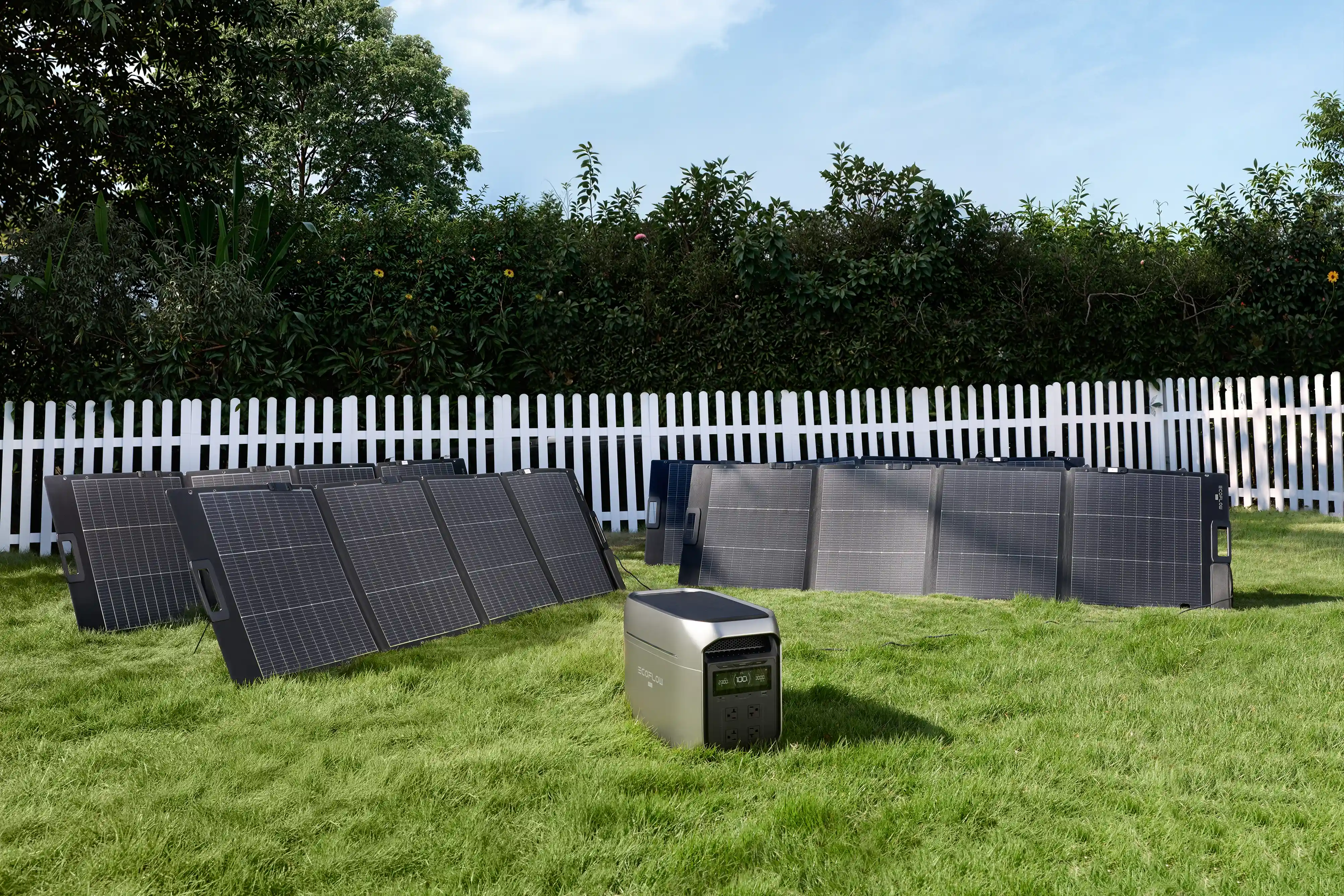
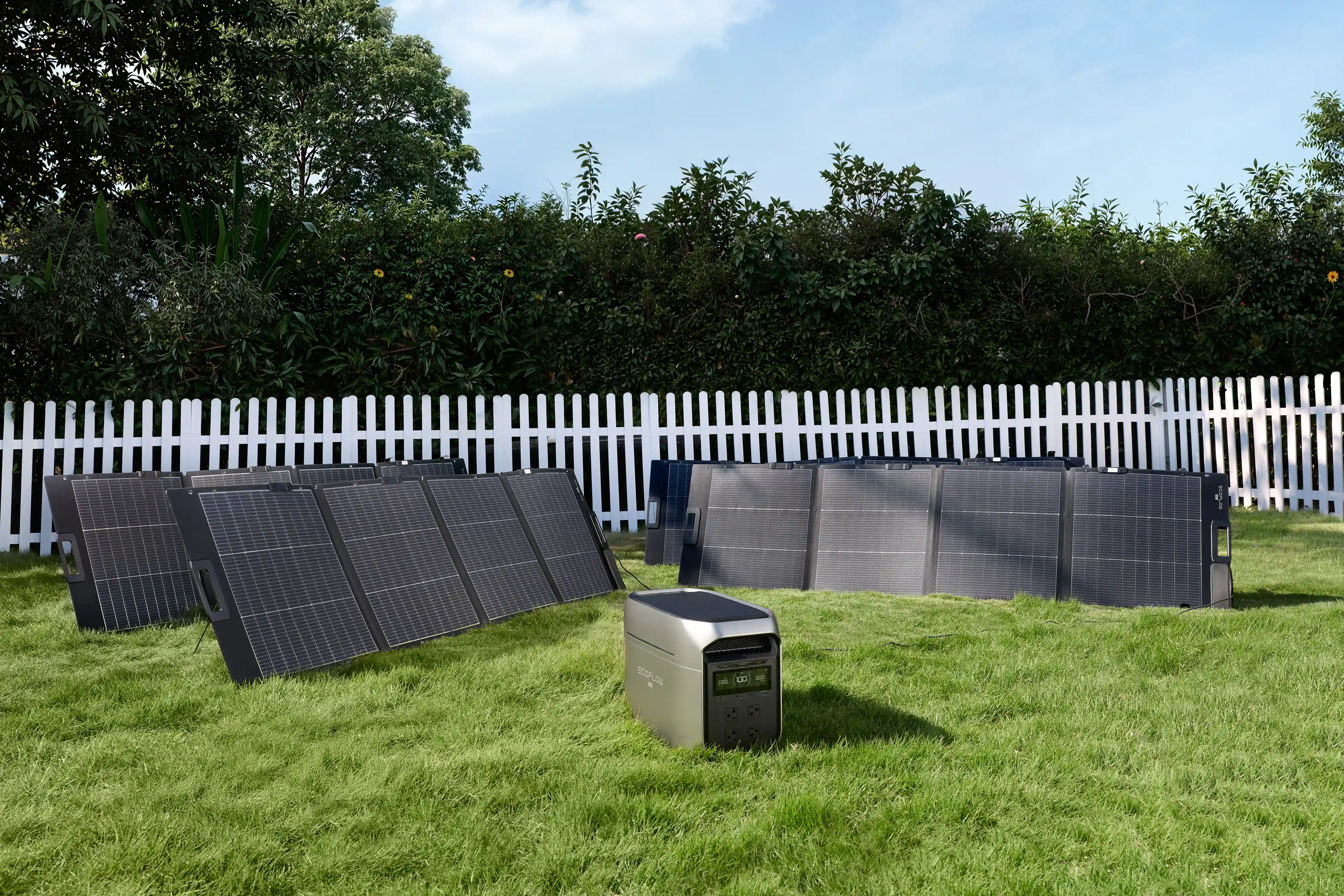
As the May camping season kicks off, many Canadians bring electronics into the great outdoors. When using standard small generators in the wilderness, unstable voltage often damages power adapters for drones, DSLRs, or gaming laptops. The EcoFlow EcoFlow DELTA 3 Max Plus (2048Wh) + 500W Solar Kit provides a voltage regulation solution better suited for camping, RV trips, and mobile setups, outputting Pure Sine Wave AC directly through its built-in inverter. Through its mobile app, you can manually set power priorities, ensuring your most important gear receives stable electricity and avoiding safety risks to expensive digital products.
Deploy a Dual Fuel Smart Generator System
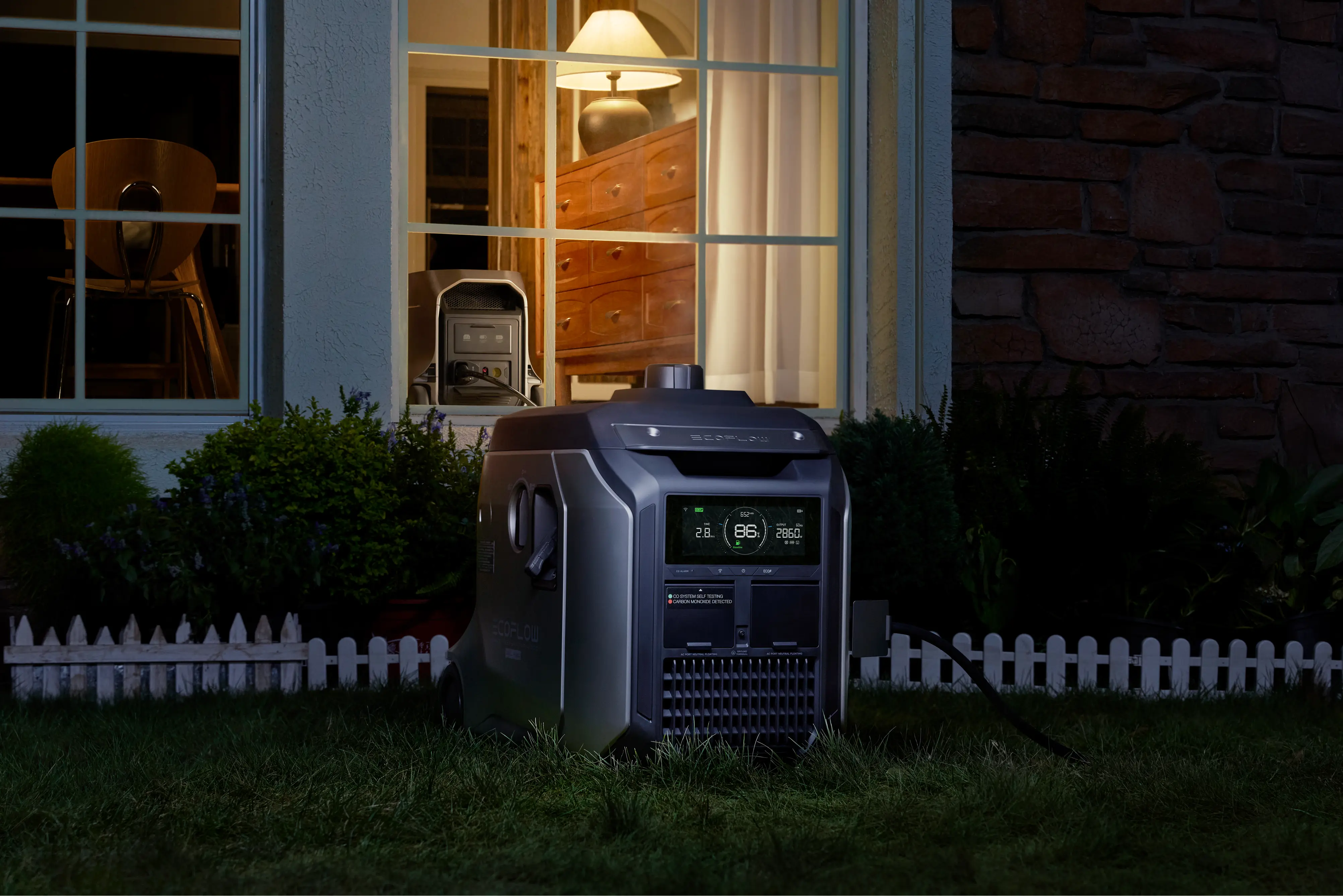
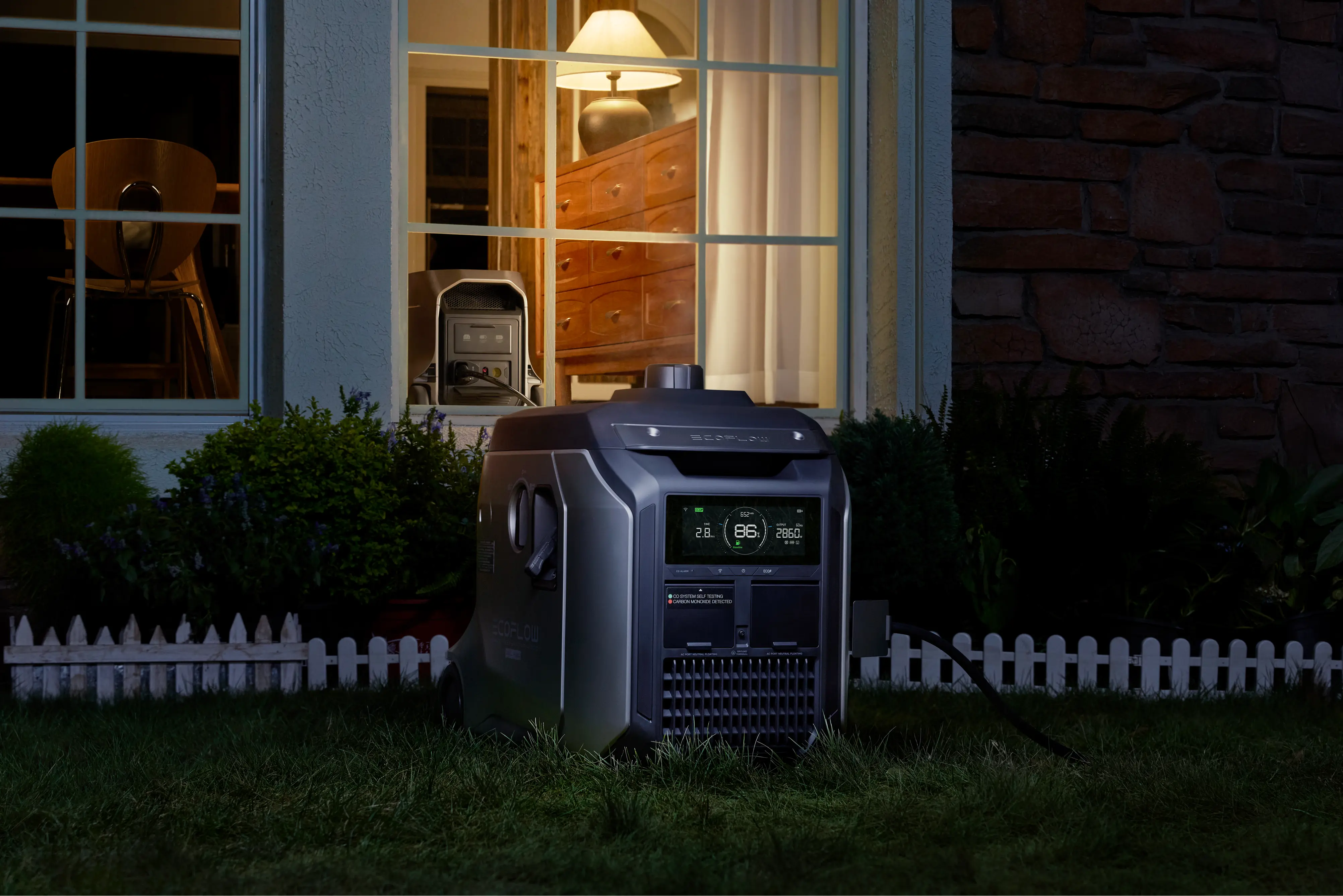
Dual-fuel systems (Gasoline/Propane) provide ultimate flexibility. Propane is popular in Canada because it is shelf-stable and does not degrade over time like gasoline during emergency winter storage.
Install a Fixed Standby Natural Gas Generator
For those in urban areas with gas lines, a permanent standby generator offers seamless protection. These units ensure your home transitions from grid to backup without your clocks even blinking.
How to Connect Your Devices Without Risk?
Following Canadian electrical safety standards is crucial to preventing fires or equipment damage.
Choose Proper Gauge Heavy Duty Extension Cords: Use 12-gauge or 14-gauge outdoor-rated, cold-weather-flexible cords to prevent "voltage drop".
Test Your Generator Output Before Connection: Let the generator warm up and use a multimeter to verify a steady 120V output.
Use External Surge Protectors for Safety: These provide an extra layer of protection to catch minor anomalies.
Ensure Grounding Safety for All Connected Devices: Proper grounding is essential in damp Canadian spring conditions to prevent static build-up and shocks.
How to Choose Your Ideal Backup Setup?
Picking the right backup system comes down to matching your power needs with where you live in Canada. Here’s what to think about to keep your electronics safe and your power reliable.
Estimate Your Total Essential Device Wattage
Determine your power needs by identifying critical loads like refrigerators and home offices, keeping in mind that motorized appliances require starting watts that are often double or triple their running wattage. Factoring in these surges, alongside the sensitive requirements of smart thermostats and Wi-Fi routers, ensures you select a system capable of handling the pressure of a real outage.
Factor in Portability for Canadian Camping
For many Canadians, a backup system also pulls double duty on May long weekend road trips. Whether you're in Algonquin Park or the Rockies, quiet matters just as much as power. Most National and Provincial parks have strict noise bylaws and quiet hours. Fire up a loud traditional generator and you could get a fine or get told to leave. A quiet inverter system lets you charge your drone or laptop without annoying everyone around you. You get quiet operation, no fumes, and minimal disturbance to nearby campsites.
Select a Weather-Ready Power Solution
To survive Canada's extreme temperature swings and damp springs, prioritize fuel-based generators with cold-start technology that can turn over even at -20°C. If using a portable power station, keep the unit indoors in a temperature-controlled area to reduce battery performance loss during cold weather. It’s also important to protect the system from moisture, melting snow, and heavy rain, especially when operating near garages, campsites, or outdoor work areas.
Conclusion
Keeping your home running in 2026 requires a reliable power plan built around protecting your sensitive gear. By choosing inverter technology, whether through a portable unit like the DELTA 3 series or a whole-home standby system, you’ll have the peace of mind knowing your home stays powered and your tech stays safe, no matter what the weather throws at us. As we face more volatile weather in Canada, investing in clean, stable power is the smartest way to safeguard your comfort and your expensive hardware you rely on.
FAQ
Are Inverter Generators Worth the Extra Money?
Yes, inverter generators are worth the investment because they provide the "Pure Sine Wave" power necessary to run sensitive electronics without the risk of overheating or circuit damage.
What Should You Not Plug into a Generator?
You should avoid plugging high-precision medical equipment or high-end computers directly into a non-inverter, standard generator without a surge protector, and you must never "backfeed" a generator into a wall outlet.
Can a Power Station Be Charged by a Generator?
Yes, most modern portable power stations can be charged via a generator’s AC outlet, allowing you to top up a battery system like the DELTA 3 Max Plus for silent, clean use indoors.
Do Power Stations Work in Cold Weather?
Power stations work in cold weather, but their battery efficiency typically drops when temperatures fall below freezing; it is best to keep them in an insulated or heated space while in use.
How Long Can You Continuously Run an Inverter Generator?
At roughly 25% load, most inverter generators will run overnight on a single tank, typically around 8–12 hours depending on temperature and fuel type, though using propane can extend this run time significantly for several days of intermittent use.