How to Power Your Furnace During Ice Storm Power Outages in Ontario
Winter in Ontario can turn quickly. One day it’s just another grey January forecast, and the next you’re hearing freezing rain warnings across the GTA, Ottawa, or cottage country. When ice starts building on trees and power lines, the real concern isn’t traffic, it’s whether the lights (and heat) will stay on. Ice storms in this province have a track record of knocking out power for hours, sometimes days. If your furnace depends on electricity, and most do, a blackout means your home temperature can drop faster than you expect. In this guide, we’ll explain why ice storms hit Ontario’s grid so hard, what actually happens to your furnace during a power outage, and the safest ways to keep your heating system running, from portable power stations to full home backup setups.
How Does Ice Cause Power Outages?
It doesn’t take a blizzard to knock out power in Ontario. Freezing rain, what many people call a “silver thaw”, is often enough. Rain falls, hits cold surfaces, and instantly freezes. It may look calm and even beautiful, but that thin layer of ice adds serious weight to the infrastructure Hydro One, Alectra, and other utilities depend on.
Extreme Ice Load Overwhelms Power Lines and Poles
Ice is heavier than most people realize. Even half an inch of accumulation can add hundreds of pounds of extra weight along a single span of power line. When wires and crossarms are coated in thick ice, the total load can exceed what wooden utility poles are designed to handle. Under that strain, poles can crack or snap, bringing entire sections of line down.
Conductor Galloping From Ice And Wind Interaction
During ice storms, you might notice power lines swaying or even “jumping” in the wind. This is known as galloping. Ice can form uneven shapes along the wire, creating lift when wind hits it. Even moderate gusts can cause violent movement. When lines swing too far, they can touch each other, causing electrical faults, or pull hardware loose from the poles.
Falling Trees and Branches Damaging Distribution Lines
In many Ontario neighbourhoods, trees are the biggest issue. Heavy ice builds up on branches, especially on older maples, birch, and pines. Once limbs snap, they often fall directly onto local distribution lines. These smaller neighbourhood lines are more vulnerable and can be harder for crews to access during icy road conditions, which delays restoration.
Ice Build-Up on Substations and Grid Infrastructure
It’s not just overhead lines that suffer. Substations, the control centres of the grid, are also exposed to the elements. Ice can accumulate on insulators, breakers, and switches. When ice mixes with road salt spray and moisture, it increases the risk of “flashovers,” where electricity arcs across surfaces and forces protective shutdowns. When that happens, thousands of homes can lose power at once.
Monitoring a winter storm snow forecast in advance gives homeowners time to prepare before freezing rain begins stressing local infrastructure.
What Happens to a Furnace When the Power Goes Out?
A lot of homeowners in Ontario assume that if their furnace runs on natural gas or propane, they’ll still have heat during a blackout. Unfortunately, that’s not how modern systems work. Today’s furnaces rely on electricity to operate safely. When the power goes out, the heating stops, even if the gas supply is fine.
Automatic Safety Shutdown
Modern furnaces are built with fail safe protection. The moment the system detects a loss of electrical power, the gas valve closes automatically. This prevents gas from flowing without proper ignition and protects against leaks or unsafe combustion. It’s a built-in safety feature, but it also means no power equals no heat.
Blower Motor Stops Running
Even if the burners could ignite, the blower motor needs 120V household power to move warm air through your ductwork. Without the blower, heat can’t circulate through the home. Instead, it stays trapped inside the furnace, which can cause the unit to overheat or shut down to prevent damage.
Control Board Loses Power
The control board is the operating system of your furnace. It manages the ignition sequence, monitors safety sensors, and communicates with the thermostat. When electricity cuts out, the control board shuts down completely. Without it, the furnace won’t start, cycle, or respond to temperature changes.
Knowing what shuts down first during an outage helps homeowners think more seriously about winter blackout preparedness rather than reacting after temperatures begin to drop.
How to Heat a House When the Furnace Goes Out?
When the power drops and your furnace shuts off, indoor temperatures can fall quickly, especially during an Ontario ice storm. This is why many homeowners now think beyond temporary fixes and consider whether a portable unit or a whole-home battery backup makes more sense for their situation. Once your home dips close to freezing, pipes become vulnerable and comfort disappears fast. Having a backup plan in place makes all the difference.
Portable Power Station
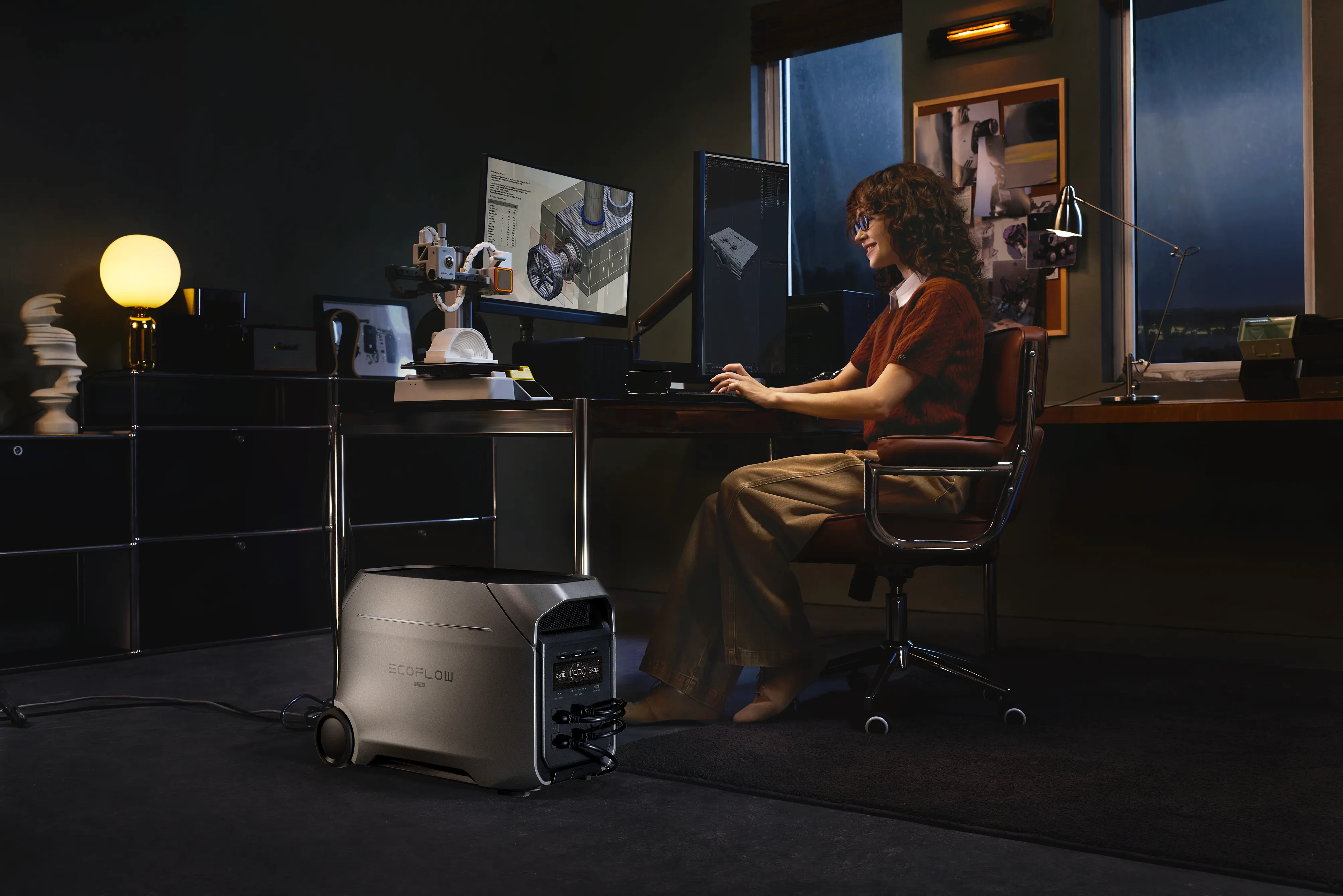
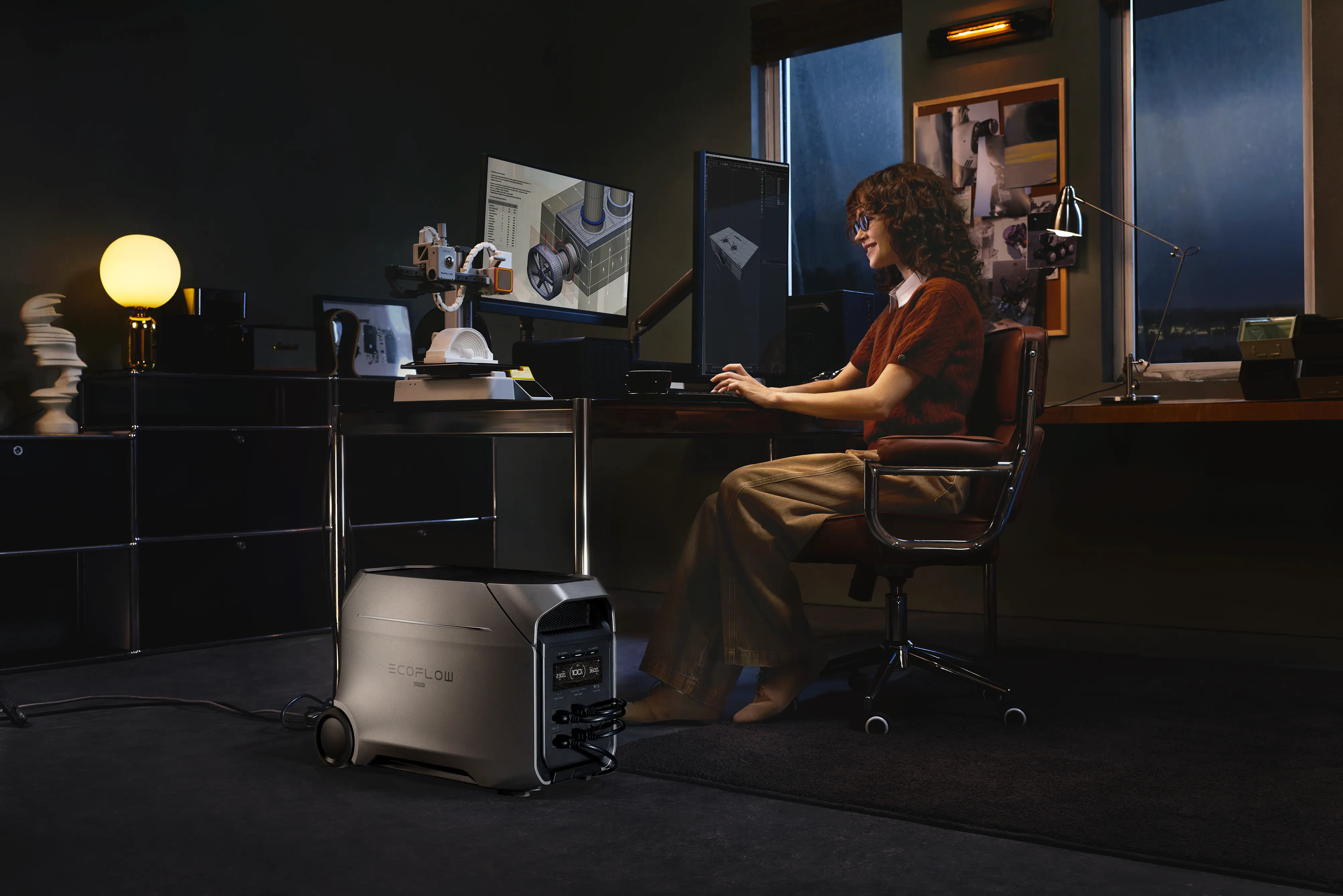
For many Ontario homeowners, a portable power station is the most practical solution. Most natural gas furnaces only need about 300W to 600W to operate the blower and control board. A unit like the EcoFlow DELTA 3 Ultra Plus Portable Power Station (3072Wh) can keep your furnace cycling for several hours, depending on demand. Its built-in UPS (Uninterruptible Power Supply) feature allows it to switch over automatically when grid power fails. That immediate transition can prevent your home from cooling down too far and helps protect plumbing from freezing. Unlike a gas generator, it runs quietly and safely indoors without exhaust fumes.
Portable Generator with Transfer Switch
If you want broader coverage, a larger system connected through a manual transfer switch provides more capacity. For example, the EcoFlow DELTA Pro Ultra Whole-Home Backup Power offers 7,200W of output and expandable battery capacity. When installed properly, it can support not only your furnace but also essentials like a sump pump, refrigerator, and lighting. This type of setup is more permanent and suited for homeowners who want full house resilience during extended outages.
Furnace Plug-In Modification
To use a portable power station with a hardwired furnace, many homeowners have a licensed electrician install a furnace plug in kit. This converts the direct wiring into a standard plug connection. During an outage, the furnace can be unplugged from the home circuit and connected directly to the power station safely.
Emergency Power From a Car Inverter
As a temporary measure, a pure sine wave inverter connected to your vehicle’s battery can run a furnace blower. However, this requires the vehicle to remain running outdoors for extended periods and is not fuel efficient. It should only be used as a short term, last resort solution. Planning ahead ensures that when an Ontario ice storm knocks out the grid, your heating system doesn’t go down with it.
Ontario Winter Furnace Power Safety Warnings
During an ice storm, the focus is usually on staying warm. But when you’re mixing backup power, fuel burning appliances, and sealed winter homes, safety has to come first. In Ontario, electrical and fuel codes are strict for a reason. Mistakes during a blackout can lead to fires, carbon monoxide exposure, or serious injury.
TSSA-Certified Technicians Required
In Ontario, the Technical Standards and Safety Authority (TSSA) requires that furnace wiring modifications be completed by a licensed technician. If you’re adding a furnace plug-in kit or altering how your system connects to backup power, it must be done properly. This ensures safety controls, sensors, and shutoffs remain fully functional.
Never "Backfeed" a Generator
Never attempt to power your home by plugging a generator into a wall outlet using a homemade cord. This practice, often called “backfeeding,” is illegal and extremely dangerous. It can send electricity back into the grid and put Hydro One workers at risk. Use a properly installed transfer switch or plug equipment directly into an approved power station.
Clear Outdoor Furnace Vents
Most high efficiency furnaces vent through PVC pipes on the exterior wall. During freezing rain or heavy drifting snow, these vents can become blocked. When that happens, the furnace will shut down as a safety precaution. Keep at least three feet of clearance around intake and exhaust pipes to maintain airflow.
No Extension Cords for Space Heaters
Electric space heaters can draw up to 1500 watts. Plugging them into light duty extension cords or power strips increases fire risk. Always plug heaters directly into a wall outlet or into a properly rated, high-capacity power source.
Install Carbon Monoxide (CO) Alarms
Ontario law requires carbon monoxide alarms near sleeping areas in homes with fuel burning appliances. Make sure your units have working batteries in case the power fails. Carbon monoxide is colourless and odourless. If anyone feels dizzy, nauseous, or lightheaded while using backup heat, move outdoors immediately and call 911. Staying warm during an Ontario ice storm is important, but doing it safely is critical.
Conclusion
Surviving an Ontario ice storm comes down to preparation. When the grid fails, the priority is keeping your furnace running long enough to protect your home and family. We can’t prevent freezing rain or falling lines, but we can control how our homes respond. A targeted backup like the EcoFlow DELTA 3 Ultra can keep a gas furnace operating during an outage. A larger system such as the EcoFlow DELTA Pro Ultra can support multiple essential circuits at once. The right setup depends on your needs, but reliable backup power ensures your home stays heated until service is restored. Planning ahead turns a power outage from a crisis into a manageable situation.
FAQ
1. What is an ice storm?
An ice storm is a weather event where at least 6 mm (0.25 inches) of freezing rain builds up on exposed surfaces like roads, trees, and power lines. It happens when a layer of warm air melts falling snow into rain, but the ground and infrastructure remain below freezing. When that rain hits cold surfaces, it freezes on contact, forming a layer of solid ice.
2. What was the worst ice storm in Ontario?
The most severe ice storm in Ontario’s history was the Great Ice Storm of 1998. It heavily impacted Eastern Ontario, along with Quebec and parts of New Brunswick. The storm caused widespread grid failure and long-term outages, and the Canadian Armed Forces were deployed to assist communities with recovery and support.
3. How long was the power out in the 1998 ice storm?
Power outages during the 1998 storm lasted from several days to as long as four weeks in some areas. Thousands of utility poles and transmission towers collapsed under the weight of ice. The scale of infrastructure damage made restoration slow and complex.
4. Can ice accumulation cause power outages?
Yes. Ice accumulation is a primary cause of winter blackouts. Ice adds significant weight to power lines and equipment, increasing stress on poles and structures. It also makes lines more vulnerable to wind movement and falling branches, which can trigger faults and outages.
5. How to stay warm with no furnace?
If your furnace stops working, concentrate activity in one insulated room to conserve heat. Close doors, seal drafts with towels, and wear multiple layers of wool or synthetic clothing. Use safe backup power to run essential heating devices such as an electric blanket or a properly rated space heater. Avoid fuel burning appliances indoors unless they are designed and ventilated for interior use.