How to Prepare for the Toronto Snow Storm
- Toronto Weather Forecast Snow Storm
- Essential Supplies to Prepare Before the Storm
- Home Preparation Checklist for Toronto Snow Storm
- Car and Transportation Readiness
- Outdoor and Property Safety Preparations
- What to Do Once the Toronto Snow Storm Begins
- Winter Safety Tips After a Toronto Snow Storm
- Conclusion
- FAQ
Winter in Canada is known for its quiet beauty, but in a city like Toronto, it can also bring fast-moving and disruptive weather. A major snow storm has the potential to turn an ordinary day into a difficult situation, affecting daily commutes, interrupting power service, and creating real safety concerns across the city. Preparation goes beyond staying warm or stocked up; it’s about protecting your household and reducing risk when conditions change quickly. This guide outlines the practical steps Toronto residents can take to get their homes, vehicles, and families ready before the next significant winter storm arrives.
Toronto Weather Forecast Snow Storm
Staying ahead of a Toronto snow storm starts with knowing how to read and interpret the forecast properly. Because the city often sits at the edge of powerful weather systems moving across the Great Lakes, conditions can intensify quickly. That makes it especially important for residents to monitor official updates closely rather than relying on general predictions or social media summaries. When a storm is approaching, these are the key elements to pay attention to.
Projected Snowfall Accumulation
Weather forecasts usually present snowfall as a range measured in centimetres. This range helps indicate not just how much snow may fall, but how disruptive it could be. A snowfall of around 10 cm is typically manageable in Toronto, while forecasts calling for 25 to 30 cm or more signal a much more serious event. At higher levels of accumulation, snow removal can struggle to keep up, sidewalks become difficult to navigate, and public transportation delays become more likely.
Storm Timeline and Peak Intensity
Total snowfall numbers only tell part of the story. Timing matters just as much. Pay close attention to when the snow is expected to begin, when conditions are forecast to be at their worst, and how long the storm is likely to last. Peak intensity periods often bring heavier snowfall, stronger winds, and sharply reduced visibility. Understanding this window allows you to plan errands, work schedules, and travel before conditions deteriorate.
Travel and Commute Disruptions
Large snow storms across the Greater Toronto Area almost always affect transportation. TTC service delays, GO Transit cancellations, and slowdowns on major routes such as Highway 401 and the QEW are common during severe weather. Even short trips can take significantly longer than usual, and accidents or stalled vehicles may lead to temporary road closures. Planning to stay off the roads whenever possible can reduce both risk and frustration.
Wind Chill and Visibility Hazards
Snowfall is often accompanied by strong winds, which can push wind chill values far below the actual air temperature. This increases the risk of frostbite and hypothermia during even brief periods outdoors. Gusty conditions can also create near-whiteout situations, particularly in open areas, making driving and walking hazardous. Checking wind speed and visibility forecasts alongside temperature is essential.
Official Weather Advisories
For reliable information, always refer to Environment and Climate Change Canada (ECCC). Their alerts provide clear guidance on what to expect and how serious conditions may become, including Canadian weather warnings such as:
Winter Weather Travel Advisories, which indicate hazardous driving conditions
Snowfall Warnings, issued when significant accumulation is expected
Blizzard Warnings, the most severe alert, combining heavy snow, strong winds, and dangerously low visibility
Monitoring these advisories helps you make informed decisions well before conditions worsen.
Essential Supplies to Prepare Before the Storm
Once a major snow storm appears in the forecast, preparation should begin early. Having the right supplies on hand reduces the need to go outside once conditions worsen and allows your household to stay safe and comfortable throughout the event. A well prepared kit is less about excess and more about ensuring continuity during several days of limited access to services.
Food and Water Stockpile Recommendations
Plan for a minimum of three to seven days’ worth of food that can be eaten with little or no cooking. Shelf stable options such as canned meals, nut bars, soups, and dried foods are practical choices during outages. Water is just as critical, aiming for roughly four litres per person per day to cover drinking, basic cooking, and hygiene. If you have pets, include enough food, water, and any required medications for them as well.
Heating Alternatives and Safety Measures
Power outages can leave homes without heat for extended periods, particularly during intense cold snaps. The safest alternatives involve insulation rather than combustion: warm layers, thermal blankets, and winter rated sleeping bags can make a significant difference. If your home has a fireplace or wood stove, make sure it is clean, functional, and supplied with dry fuel ahead of time. Never bring outdoor grills, propane heaters, or generators indoors, as improper use can quickly lead to dangerous carbon monoxide buildup.
Flashlights and Uninterruptible Power Supply
Lighting becomes essential once daylight fades. Battery powered flashlights or headlamps provide dependable illumination, especially when hands free movement is needed. Keep spare batteries stored in an accessible place. For sensitive or essential electronics, such as Wi-Fi routers, medical equipment, or workstations, a reliable uninterruptible power supply can prevent sudden shutdowns and data loss.
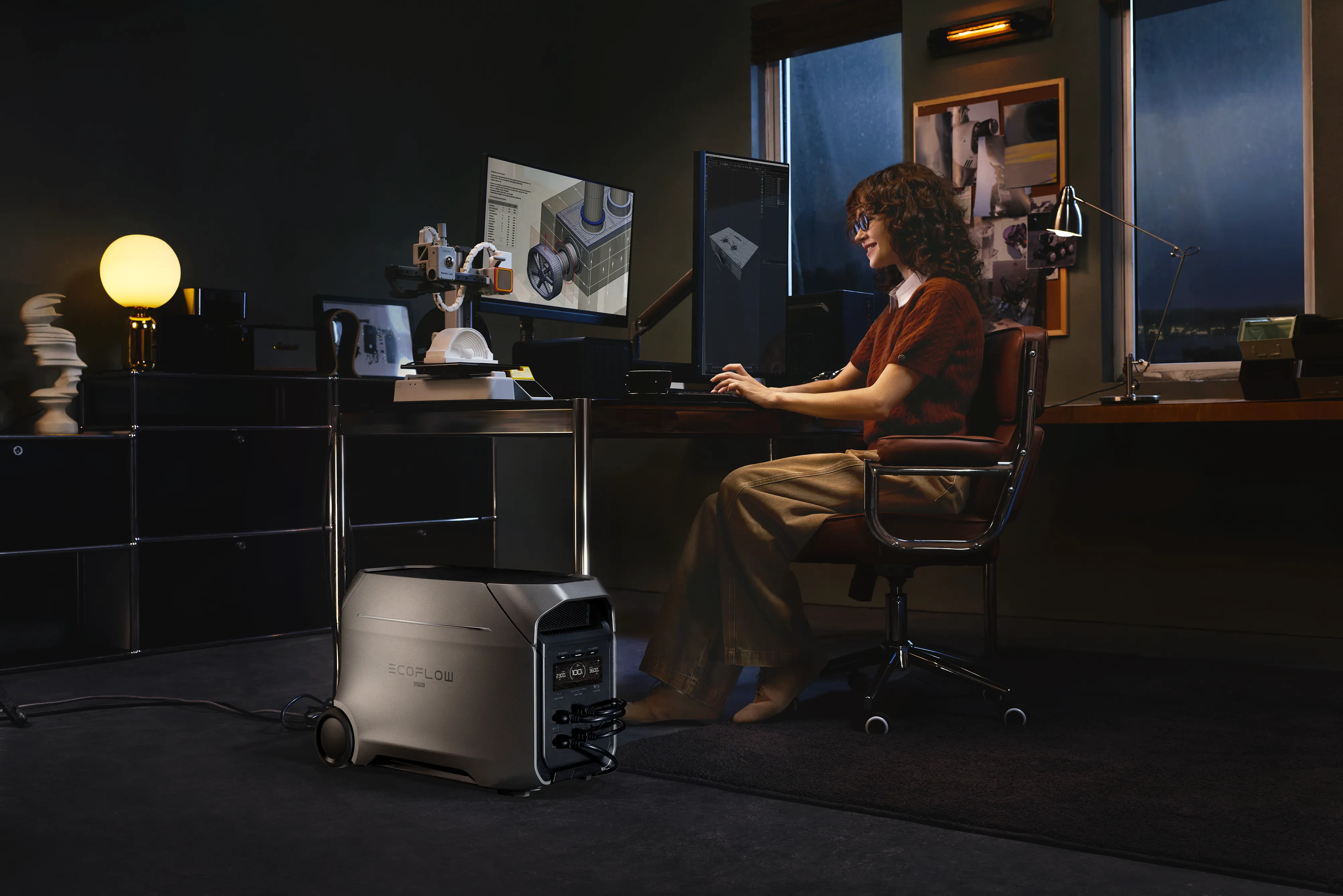
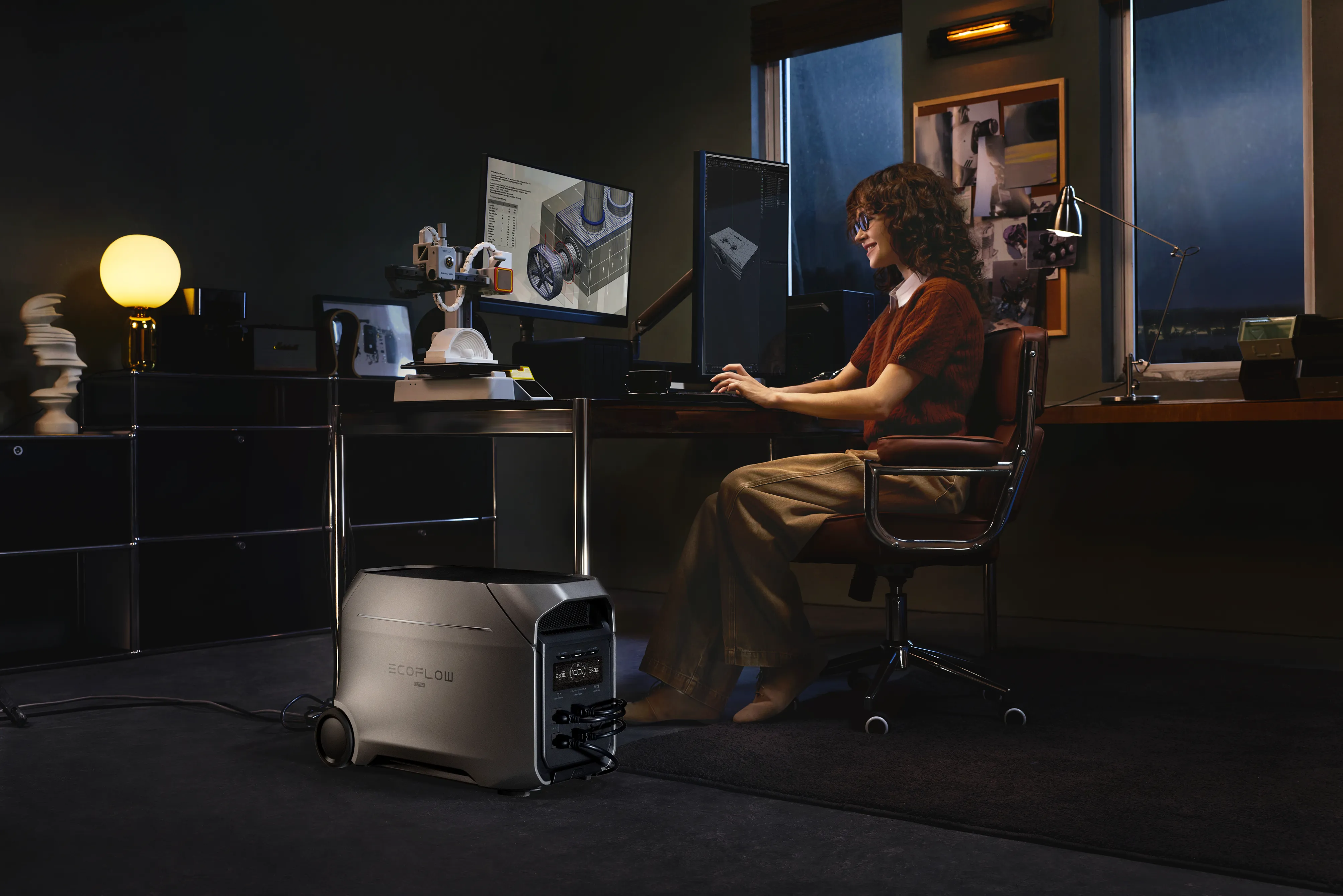
For short to medium outages, systems like the EcoFlow DELTA 3 Ultra (3072Wh) offer fast switchover in UPS mode, helping critical devices continue operating smoothly when grid power drops without warning.
Insulated Clothing, Gloves, and Footwear
Even well insulated homes can lose heat during prolonged outages. Keep warm clothing readily available, including wool socks, thermal base layers, insulated jackets, gloves or mittens, and waterproof boots. These items help maintain body heat indoors and are essential if you need to step outside briefly for snow removal or safety checks.
Medical Supplies and Prescription Refills
Check your first aid kit and replace any missing or expired items. More importantly, review prescription medications and ensure you have at least a week’s supply on hand. Storm conditions can limit access to pharmacies, and refills may be difficult to arrange once travel becomes unsafe. Taking care of this early removes one of the most common stress points during severe winter weather.
Home Preparation Checklist for Toronto Snow Storm
Preparing your home ahead of a major snow storm can greatly reduce the risk of damage while keeping your family safer and more comfortable during extended periods indoors. A few preventative steps taken early can make a noticeable difference once temperatures drop and services become limited. Be sure to winterize your home for safety, including proper insulation and sealing to protect against the cold.
Weatherproofing Windows and Doors
Start by checking for cold air leaks around windows and exterior doors. Even small drafts can lead to significant heat loss over time. Temporary solutions such as plastic window insulation kits, door draft stoppers, or rolled towels placed along thresholds can help seal gaps effectively. Improving insulation in this way allows your home to retain warmth longer, which becomes especially important during a power outage.
Preventing Frozen Pipes
Frozen pipes are a common winter issue in Toronto, particularly in older homes. Insulate exposed pipes in basements, crawl spaces, garages, or along exterior walls before temperatures plunge. During periods of extreme cold, allowing a faucet to drip slowly can help keep water moving and reduce pressure buildup. It’s also important to know the location of your main water shut-off valve in case a pipe does freeze or burst.
Preparing Backup Heat Sources Safely
If your home has a non-electric backup heat source, such as a natural gas fireplace, confirm that it is clean, serviced, and ready for use. Safety should always come first, carbon monoxide detectors should be operational on every level of the home, especially if alternative heating methods are used. Never rely on improvised or outdoor heating equipment indoors.
Ensuring Internet and Communication Redundancy
Extended outages can quickly drain mobile devices, leaving households without reliable communication. If available, a landline phone or battery-powered radio provides access to emergency updates when cellular service is disrupted. Charge all phones, tablets, and portable power banks fully before the storm arrives to avoid scrambling once power is lost.
Maintaining Emergency Batteries and Power Stations
Severe Toronto snow storms can lead to prolonged outages, making backup power an essential part of home readiness. Large capacity portable power stations help maintain lighting, communication, and basic heating functions during extended disruptions.
For broader household support, the EcoFlow DELTA Pro Ultra X Whole-Home Backup Power serves as a dependable emergency power reserve. Its high output and substantial capacity allow it to run critical appliances, such as refrigerators and furnace fans, helping maintain safe living conditions until grid power is restored.
Car and Transportation Readiness
Even if you expect to remain at home during a major snow storm, vehicle preparedness is still important. Winter conditions in the Greater Toronto Area can change quickly, and understanding the risks of cold weather driving helps you make safer decisions if travel becomes necessary.
Installing Proper Winter Tires
In Canadian winters, dedicated winter tires make a meaningful difference in both traction and stopping distance. Tires marked with the mountain snowflake symbol are designed to perform in freezing temperatures and on icy or snow covered roads, which are common throughout Toronto after heavy snowfall. Check that tires are properly inflated, as cold weather can reduce air pressure and affect handling.
Keeping a Full Fuel Tank Before the Storm
Power outages can render fuel stations temporarily unusable, so it’s wise to keep your gas tank at least half full ahead of a storm. This ensures mobility in case of an emergency and provides the option to run the vehicle briefly to warm up or charge essential devices. Any idling should always be done outdoors, well away from garages or enclosed areas, to prevent carbon monoxide buildup.
Assembling an In-Car Emergency Kit
If you become stranded due to road closures or poor visibility, an emergency kit can be critical. Include warm blankets, non-perishable snacks, water, jumper cables, a tow strap, road flares, and a basic first-aid kit. A compact shovel and a small bag of sand or cat litter can help improve traction if tires become stuck in snow or ice.
Managing EV Charging Before Extreme Cold
For electric vehicle owners, cold temperatures can noticeably reduce driving range and charging efficiency. Charging the battery to full capacity before the storm provides an additional buffer, and pre-conditioning the cabin while the vehicle is still plugged in helps preserve battery power once on the road.
Monitoring Road Advisories and Transit Alerts
Before heading out, always check the 511 Ontario traveller information system for current highway conditions. Transit users should review TTC and GO Transit service updates for delays or cancellations. If advisories recommend avoiding travel, following that guidance is often the safest choice.
Outdoor and Property Safety Preparations
Preparing outdoor areas before snowfall begins can help prevent damage and reduce the effort required once the storm passes. A few practical steps taken in advance make snow management safer and more manageable, especially during heavier winter events common in Toronto.
Securing Outdoor Furniture and Loose Items
Strong winds often accompany major snow storms, and unsecured items can quickly become hazards. Patio furniture, garbage bins, planters, and seasonal decorations should be moved indoors whenever possible. If storage space is limited, secure these items firmly in a garage or against a stable structure to prevent them from shifting or causing damage during high winds.
Pre-salting Walkways and Driveways
Applying salt, sand, or an ice melting product before snowfall begins helps prevent ice from bonding directly to pavement. This simple step makes walkways and driveways easier to clear afterward and reduces the risk of slips and falls. Focus on high traffic areas such as steps, entrances, and sloped sections.
Tools for Snow Removal and Ice Management
Make sure snow removal tools are easy to access before the storm arrives. Check that your shovel is sturdy and free of cracks or loose handles. If you rely on a snowblower, confirm that it starts reliably and has enough fuel on hand. A roof rake is also useful for safely removing heavy snow buildup, particularly after prolonged snowfall.
Roof Snow Load and Gutter Safety Checks
Clear gutters allow melting snow to drain properly, reducing the likelihood of ice dams forming along roof edges. After heavy storms, monitor snow accumulation on flat or low pitched roofs, where excess weight can become a concern. If removal is necessary, use proper tools and safety precautions to avoid injury or damage to the structure.
What to Do Once the Toronto Snow Storm Begins
Once the snow starts falling, preparation gives way to careful decision-making and personal safety. Conditions can worsen quickly during a major storm, so staying calm and limiting unnecessary risks becomes essential.
Staying Informed Through Official Alerts
Keep a battery powered radio or a fully charged phone within reach and check for regular updates from Environment and Climate Change Canada, local news outlets, and City of Toronto announcements. Emergency declarations, service interruptions, or shelter information may be issued as conditions evolve, and timely information helps you respond appropriately.
Avoiding Non-essential Travel
Limiting travel is one of the most important safety measures during a snow storm. Roads can become hazardous without much warning, and visibility may drop suddenly. Driving in these conditions increases the risk of collisions, becoming stranded, or requiring emergency assistance, which also places additional strain on first responders. Staying home whenever possible is the safest choice.
Managing Indoor Temperature Efficiently
If a power outage occurs, focus on conserving warmth. Close off unused rooms and gather in a smaller, central area of the home where heat can be retained more easily. Wearing multiple layers, using thermal blankets, and relying on daylight for warmth and visibility during daytime hours can help maintain comfort without draining limited energy resources.
Preventing Carbon Monoxide Poisoning
Carbon monoxide is a serious risk during winter outages. Never operate gas powered generators, grills, or heating equipment inside the home, garage, or near open windows or doors. These devices must only be used outdoors and well away from living spaces. Ensure carbon monoxide detectors are working properly, as they provide a critical early warning.
Conserving Power During Ongoing Outages
When relying on whole home battery backup, prioritize only what is essential. Refrigerators should be opened as infrequently as possible, furnace fans can be run intermittently to maintain heat, and communication devices should be kept charged for updates and emergency contact. Turning off non-essential lights and appliances helps extend available power until service is restored.
Winter Safety Tips After a Toronto Snow Storm
The risks associated with a major snow storm don’t disappear once the snowfall ends. Cleanup and recovery require just as much care, as injuries and property damage often occur in the days immediately following severe weather.
Clear Snow Safely
Snow removal is physically demanding, particularly after heavy accumulation. Pace yourself and take frequent breaks to avoid overexertion. Whenever possible, push snow aside rather than lifting it, and avoid sudden twisting movements. If you use a snowblower, shut it off completely before clearing blockages and always use the manufacturer’s clearing tool instead of your hands.
Inspect Roofs and Watch for Ice Dams
When conditions improve, examine your roof for excessive snow buildup and signs of ice dams, such as large icicles forming along the edges. Ice dams can trap melting snow, allowing water to seep under shingles and into the home. Using a roof rake from the ground can help remove excess snow safely without climbing onto slippery surfaces.
Handle Fallen Branches and Downed Power Lines Carefully
Heavy snow and ice can weigh down tree limbs, causing them to break unexpectedly. Keep a safe distance from fallen branches, especially if they are near power lines. Any downed electrical line should be treated as live and reported immediately to Toronto Hydro or emergency services. Only remove debris if it can be done safely and well away from electrical hazards.
Restock Emergency Supplies
After the storm has passed and access is restored, take time to replace any supplies you used. Refill fuel containers, replace batteries, restock food and water, and check emergency equipment for damage. Doing this promptly ensures your household is prepared if another winter storm follows shortly after.
Conclusion
Preparing for a Toronto snow storm is a routine part of winter life, but it requires careful attention each year. Staying informed through reliable forecasts, taking time to prepare your home and vehicle, and keeping essential supplies ready all help reduce stress when severe weather arrives. With thoughtful planning, and dependable backup options such as EcoFlow power systems, you can limit disruptions, maintain safety, and keep your household comfortable throughout the challenges of a Canadian winter.
FAQ
1. What should I avoid doing during a Toronto snow storm?
During a major snow storm, it’s best to avoid any non-essential travel, whether by car or on foot. Roads and sidewalks can become hazardous very quickly, and conditions may worsen without much warning. You should also never use generators, barbecues, or outdoor heating or cooking equipment indoors, as this creates a serious carbon monoxide risk. Additionally, be prepared for a power outage in Toronto, which can occur unexpectedly during severe weather. To conserve energy during outages, limit how often you open your refrigerator or freezer so food stays cold for longer.
2. How long do snow storm power outages usually last in Toronto?
Power outage duration varies widely depending on the severity of the storm. Minor snow events may cause brief outages lasting only a few hours. However, major snow or ice storms can damage power lines and infrastructure, leading to outages that last 24 hours or longer in some neighbourhoods. This uncertainty is why many Toronto residents plan for extended outages rather than assuming power will return quickly.
3. Which home appliances should be powered first during an outage?
When power is limited, focus on essentials. Communication devices such as mobile phones and Wi-Fi routers should come first so you can receive updates and stay in contact. If your home uses gas or oil heating, powering the furnace fan can help maintain indoor warmth. Refrigerators and freezers should also be prioritized to prevent food spoilage. If you’re using a portable power station like the EcoFlow DELTA series, rotating these loads based on immediate need helps extend available runtime.
4. Is it safe to travel during a heavy snow storm in Toronto?
Generally, no. During heavy snow or blizzard warnings, official guidance consistently recommends avoiding travel. Visibility can drop to near zero, roads may become blocked or impassable, and even experienced drivers can get stranded. Staying off the roads reduces the risk of accidents and allows emergency services to focus on urgent situations.
5. What backup power options are suitable for apartment residents?
Apartment dwellers should focus on safe, indoor-friendly solutions. High capacity battery banks are useful for charging phones, tablets, and laptops, while a mid capacity portable power station can support essentials such as lighting, small electronics, or a fan for limited periods. Fuel powered generators are not permitted in apartments and should never be used indoors under any circumstances.