Portable Power Stations in Canada: Everything You Need to Know
- What a Portable Power Station Is and When Canadians Use One
- How Portable Power Stations Work, From Charging to Powering Devices
- What to Compare Before You Buy in Canada
- Charging Options in Canada and How to Size Your Setup
- Portable Power Stations for Canadian Outages and Home Backup Planning
- Frequently Asked Questions
- Choose Confidently and Stay Powered Anywhere in Canada
From camping off-grid to something as seemingly simple as remote work, reliable energy matters. Unlike a traditional gasoline generator, a portable power station keeps the lights on without the noise or fumes. Still, there are a few things you should keep in mind when shopping for a portable power station in Canada. Learn how they work, which features are worth it, and how to choose the right setup for your lifestyle.
What a Portable Power Station Is and When Canadians Use One
A portable power station is a large rechargeable battery that stores electricity and lets you run devices and appliances anywhere. Unlike gas generators, it doesn’t need fuel and is quiet enough to use indoors.
Most models include standard AC outlets (the same ones you use at home), USB ports, and DC outputs for everything from phones and laptops to small appliances and camping gear.
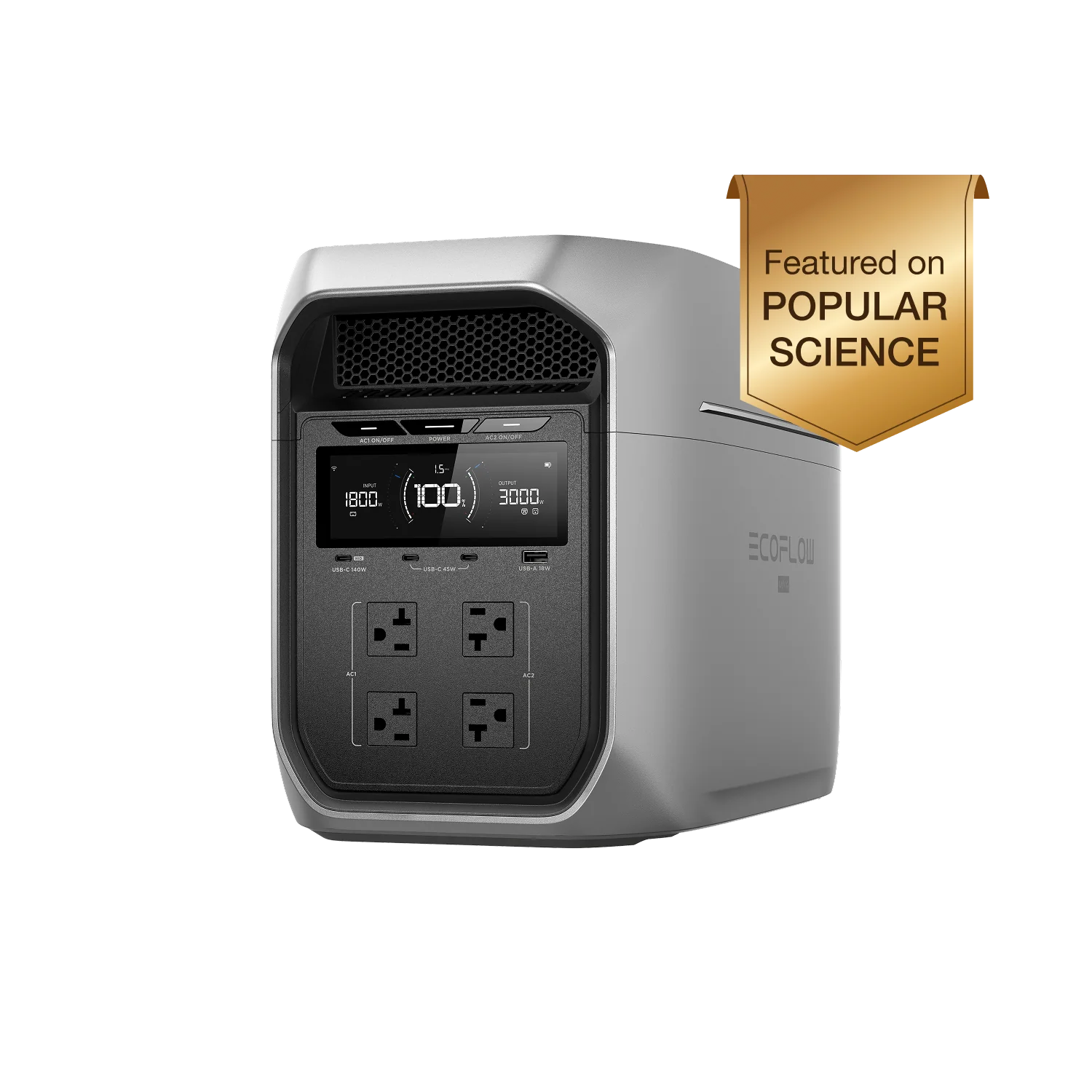
For many households, a mid-size portable power station can keep the essentials online. The EcoFlow DELTA 3 Max Plus Portable Power Station (2048Wh) is a good fit for people who want dependable backup power for everyday needs during short outages or storm disruptions.
You can use portable power stations for just about anything, including:
Camping: Canada has no shortage of incredible places to unplug, but that doesn’t always mean you want to fully unplug. Whether you’re at a provincial park in Ontario, camping in the Rockies, or spending the weekend at a lakefront cabin in Muskoka, a portable power station keeps your essential devices online.
Road trips: Driving the Cabot Trail or heading through Banff are classic Canadian road trip experiences, but there aren’t a ton of outlets on these scenic drives. Portable power stations keep laptops, mini-fridges, air mattress pumps, and cameras powered up.
Remote work: Portable power stations are super convenient for working outside the home. Top off your laptop, phone, headphones, and gear like drones so you can work whenever and wherever.
Outages: If you’ve lived through a winter storm, wildfire-related disruption, or severe summer weather, you know outages can last longer than expected. Portable power stations keep your phone, internet, refrigerators, and lights running for days. Plus, they’re safe to use indoors, which is a must during brutal winter storms.
How Portable Power Stations Work, From Charging to Powering Devices
Unlike whole-home backup power solutions, portable power stations are, well, portable. And you don’t need to be an electrician to understand how they work. At a basic level, they do three things:
Energy storage: When you charge a portable power station, it stores the electricity inside high-capacity battery cells for later. The amount of electricity a unit can store is measured in watt-hours (Wh); the higher the Wh rating, the longer the runtime.
Inverter conversion: The electricity stored in batteries is direct current (DC), but most household devices in Canada run on alternating current (AC). An inverter converts the stored battery power into the type of electricity your appliances actually use.
Smart output controls: Portable power stations also include smart battery management features to monitor performance. That means safer operation and more dependable performance, whether you’re camping in Algonquin or riding out a winter outage at home.
What to Compare Before You Buy in Canada
Shopping for a portable power station in Canada is like shopping for a winter coat: the “best” option depends entirely on what you actually need it for. The right setup for a weekend in Algonquin isn’t necessarily the right one for running essentials during an ice storm in Nova Scotia. Consider these factors to find the best home power battery backup solution:
Capacity and output: The more watt-hours a unit has, the more electricity it can store. The higher its output, measured in watts (W), the more electricity it can deliver at once. That matters if you’re running multiple devices or appliances with higher energy demands. Small systems are usually under 1,000Wh, while larger ones are 2,000Wh and up.
Battery chemistry: Not all batteries are built the same. Many modern portable power stations use LFP (LiFePO4 or lithium iron phosphate) batteries, which tend to last longer and perform better than older lithium-ion batteries.
Ports: What do you actually need to plug into the power station? Check to see how many AC outlets, USB-C ports, and 12V vehicle ports the power station includes before buying.
Charging speed: Some portable power stations can recharge in several hours, while others take much longer. Speedier recharging times can make a big difference if you’re prepping before a storm or need to turn around quickly between trips.
Cold-weather performance: Cold weather is part of life here, and batteries feel it, too. Extreme cold can affect battery performance, charging, and runtime. Double-check that your battery can withstand the cold, but understand that it’ll perform better if you protect it from the elements.
Charging Options in Canada and How to Size Your Setup
One of the best things about portable power stations is flexibility. You’re not stuck with one charging method or tied to the grid. Whether you’re prepping for storm season, heading to the cottage, or planning a long road trip through the Rockies, there are several ways to recharge:
Wall charging: For most Canadians, wall charging is the everyday go-to. You simply plug your portable power station into a standard household outlet before a trip or before bad weather rolls in.
Car charging: If your plans involve kilometres of open road, vehicle charging is a must. Most portable power stations can recharge from your car while driving, turning travel time into charging time.
Solar pairing: If you love spending time outdoors—or just want extra peace of mind during outages—you can pair your portable power station with solar panels. Portable solar panels let you recharge with sunlight, making it easier to stay online longer without looking for an outlet.
Portable Power Stations for Canadian Outages and Home Backup Planning
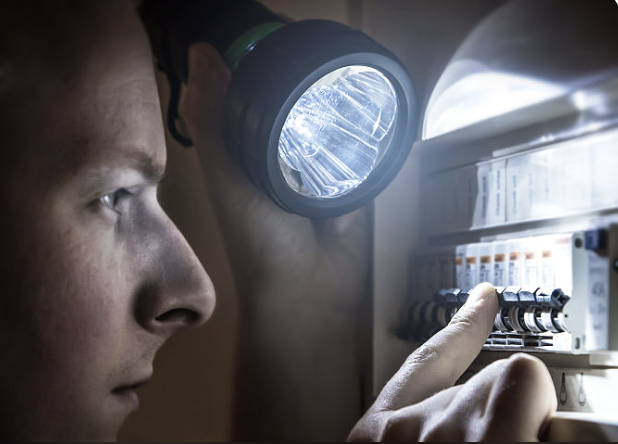
Canadian weather has a way of reminding you who’s boss. Whether it’s ice storms in Ontario, wildfire-related outages in British Columbia, or heavy snow and wind knocking out the electricity in Atlantic Canada, outages can happen with very little warning. Fortunately, you don’t need to back up your entire house to stay empowered during a blackout.
When planning for outages, the smartest place to start is with the things you actually need. If the power went out for 24–48 hours, what would matter most?
For most households, the essentials are:
Phones and device charging
Energy for basic meal prep or coffee (because morale matters)
Wi-Fi routers
Laptops for remote work
Fridges or small freezers
Lights and lamps
Medical devices, like CPAP machines
You probably don’t need to run everything all at once. The goal is comfort, communication, and running only the essentials.
But if you need to run more than the essentials, go with a more robust backup. The EcoFlow DELTA 3 Ultra Plus Portable Power Station (3072Wh) offers significantly more capacity and flexibility. This can be especially helpful in parts of Canada where storms or grid disruptions tend to last longer, or for families who don’t want to ration power during outages.
Frequently Asked Questions
What size portable power station do I need for camping, outages, or remote work?
It depends on what you’re powering and for how long. For camping and remote work, a smaller portable power station is usually enough for phones, lights, cameras, and laptops. During outages, you need to charge essentials such as your lights, internet, and phones. A smaller setup can work here, too. But if you need to run refrigerators or medical devices—or you tend to get longer outages in your area—it’s best to size up.
How long does it take to charge a portable power station in real life?
Realistically, charging time depends on three things: battery size, charging method, and model speed. Wall charging is usually the fastest option at home and can take less than two hours. Vehicle charging is slower but works well during long drives or road trips. Solar charging varies based on weather, season, and sunlight conditions.
Do portable power stations work in cold Canadian winters?
Yes, but cold weather can affect battery performance. Portable power stations still work in Canadian winters, though extreme temperatures may reduce efficiency or runtime. Because of that, you should store the unit in a temperature-controlled environment when possible and avoid leaving it in the cold for long.
Can a portable power station run a space heater or air conditioner?
Yes, if the wattage is high enough. Space heaters and air conditioners need a lot of power, so your average portable power station can’t handle them for long. You’ll need to check both the appliance's running wattage and surge power requirements, then compare them to the portable power station’s output.
Choose Confidently and Stay Powered Anywhere in Canada
Portable power keeps the good times rolling during long drives and camping trips, but it can also be a lifesaver during unexpected outages. Best of all, there’s no need to store fuel or worry about noise and carbon monoxide, so a battery-operated backup is the best way to stay prepared.
Don’t run out of power when it matters. See how the EcoFlow DELTA 3 Ultra Plus Portable Power Station (3072Wh) delivers dependable, high-capacity power.