How Long Will It Take to Charge a Car Battery?
Whether you’re planning a road trip through the Canadian Rockies or just trying to get to work on a bitter January morning in Toronto, a dead car battery can shut everything down fast. Cold weather, short drives, and aging batteries all stack the odds against you. In this article, “car battery” refers both to traditional 12V starter batteries and EV traction batteries, as charging time differs significantly by vehicle type. Knowing how long it takes to charge a car battery helps you plan ahead instead of scrambling in the driveway.
Factors Affecting Car Battery Charging Time
Charging a car battery is rarely straightforward. Two drivers can use the same charger and get very different results depending on the battery, the weather, and how depleted the system is. These key factors determine whether you’re back on the road quickly or waiting much longer than expected.
1. Battery Capacity
Battery size matters more than most drivers think. A higher amp hour (Ah) rating means the battery holds more energy, but it also takes longer to fill back up once it’s drained. A small car battery can come back fairly quickly, while a pickup or SUV battery usually needs more time and power, especially after it’s been run down.
For EV traction batteries, capacity is measured in kWh. Bigger packs, like those in long range EVs, simply take longer to charge, even on fast chargers, because there’s more energy to replace.
2. Charger Type
Your charger sets the pace. A low amp trickle charger (around 2A) is designed for slow maintenance and overnight charging, not quick recovery. Higher amp smart chargers or professional units can cut charging time dramatically, especially when time matters. Understanding different car battery charger types is essential for balancing speed with battery health, especially when you need a quick recovery instead of an overnight charge.
The charger you use sets the pace. For 12V batteries, a low-amp trickle charger (around 2A) is for slow maintenance, while smart chargers can reduce charging time significantly.
For EV batteries, charging speed depends on the onboard charger and charging station: Level 1 AC is slowest, Level 2 AC allows overnight charging, and DC fast chargers can recharge 10–80% in under an hour.
3. Battery Condition
Age plays a big role. Older batteries or ones that have been deeply discharged don’t accept power as efficiently. Sulfation on internal plates slows chemical reactions, meaning even a good charger may need significantly more time to reach full capacity.
Age plays a big role for 12V batteries. Older or deeply discharged batteries accept power less efficiently, and sulfation can slow chemical reactions.
EV traction batteries also degrade over time, but their battery management systems (BMS) often optimize charging, so performance loss is more gradual.
4. Temperature Conditions
Cold weather affects both types of batteries. For 12V starter batteries, sub-zero temperatures can double the time needed to recharge. EV traction batteries are also sensitive to cold; charging slows, and onboard thermal management systems may preheat the battery to protect battery life.
5. Charging Method
The method you choose to charge a car battery greatly affects how long it takes. For 12V batteries, low-amp trickle chargers take hours, while smart chargers or alternator-based solutions can refill batteries faster. For EV traction batteries, Level 1 AC adds only a few km of range per hour, Level 2 AC is common for home overnight charging, and DC fast chargers provide 10–80% charge in 20–45 minutes. Matching the charging method to your battery type and current state is key for efficient and safe recharging.
| Battery Type | Charger Type | Estimated Charging Time |
|---|---|---|
| Flooded Lead-Acid (60Ah) | 10A Smart Charger | 6-8 hours |
| Flooded Lead-Acid | 2A Trickle Charger | 15-24 hours |
| AGM / EFB | Smart Charger | 5-10 hours |
| EV Traction Battery (Level 1 AC, 120V) | 120V Outlet | 12-30 hours |
| EV Traction Battery (DC Fast, 50–150 kW) | DC Fast Charger | 20-45 minutes (10-80%) |
Note: EV rows represent high-voltage traction batteries, not 12V starter batteries. If you are unsure which battery type your vehicle uses, consult your owner's manual before connecting an external charger.
Estimated Charging Time for Different Battery Types (12V Car vs EV Traction)
Vehicle batteries behave very differently, especially in Canadian winter. A 12V starter battery and an EV traction battery are built for different jobs, and their charging times reflect that.
1. Traditional Flooded Lead-Acid Batteries (SLI)
Flooded lead-acid batteries are still the most common in gas vehicles across Canada. They’re reliable, but slow to recharge, especially in winter. With a standard 12V charger, a full charge usually takes 8-15 hours. In an unheated garage or outdoor driveway, it often takes longer.
When you’re running phones, lights, or other gear on a winter drive, it’s easy to drain power without realizing it. Some drivers avoid stressing the starter battery by charging a separate power source while driving. In that case, something like the EcoFlow 800W Alternator Charger is used to recharge a power station directly from the alternator, instead of pulling from the 12V system. It charges much faster than a cigarette lighter port and keeps essential devices powered without risking a no-start situation later.
2. AGM / EFB Batteries for Start-Stop Systems
AGM (Absorbent Glass Mat) and EFB (Enhanced Flooded Battery) batteries are common in newer vehicles with start stop systems. They handle frequent restarts better and accept charge more efficiently than traditional flooded batteries. With a proper smart charger, most reach full charge in 5-10 hours under normal conditions. Cold temperatures can still slow the process.
3. EV Traction Batteries (Lithium-Ion, High-Voltage)
EV traction batteries operate on a different scale entirely. Charging time depends on battery size, onboard charging limits, and the power source:
Level 1 AC (120V): Adds about 6-8 km of range per hour. Full charging can take 12-30 hours.
Level 2 AC (240V): Common for home use and usually enough for overnight charging.
DC Fast Charging: Brings the battery from 10-80% in 20-45 minutes, then slows down to protect the battery.
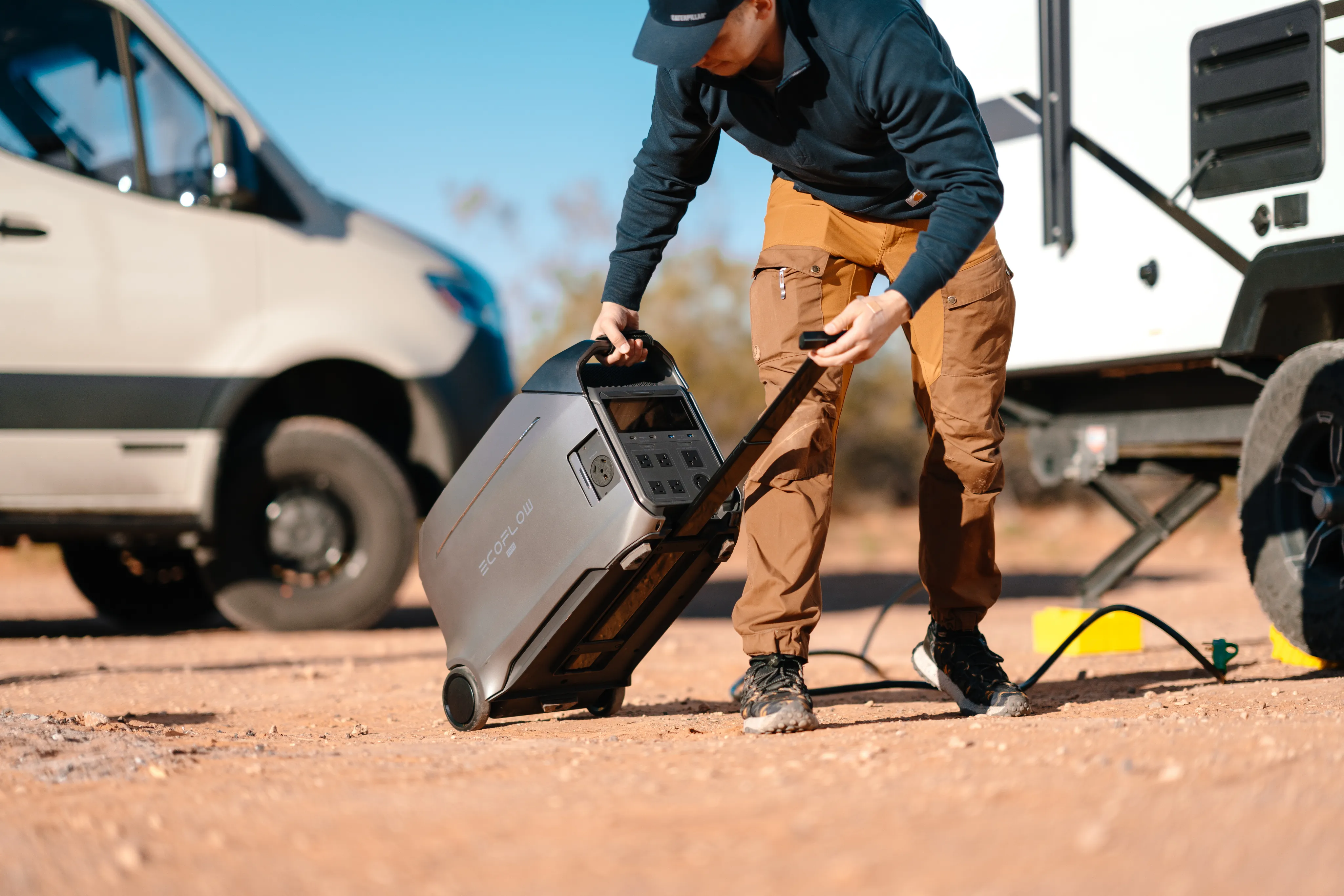
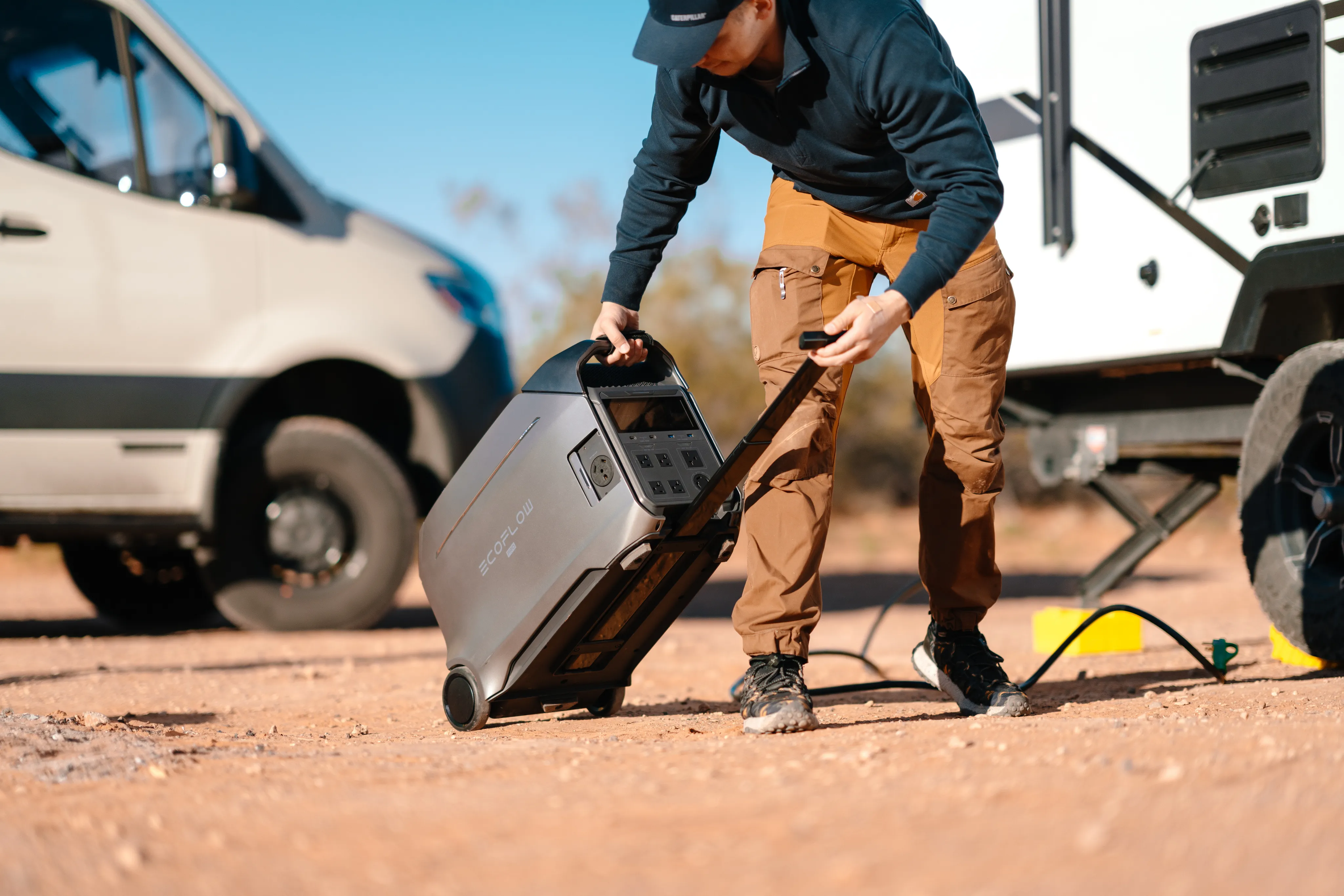
Tip: Cold weather slows charging until the battery warms up. That’s normal in Canadian winters. Some EV owners keep a larger backup power setup at home for outages or long cold spells, often using systems like the EcoFlow DELTA Pro 3 Portable Power Station alongside their regular charging routine.
Troubleshooting When a 12V Car Battery Is Not Charging Properly
Sometimes you can leave a battery on the charger overnight and still wake up to a car that won’t start. When a battery isn’t “taking” a charge, it’s rarely just bad luck. More often, it means something in the charging chain isn’t doing its job. In Canada where cold, moisture, and long drives are part of daily life, being able to spot these issues early can save you from a roadside call or an expensive tow in the middle of winter.
Note: This section applies to standard 12V car batteries. EV traction batteries use different systems and require manufacturer-approved diagnostics.
1. Identifying Common Charging System Issues
Before blaming the battery itself, check what the car is telling you. A battery warning light on the dash often points to a charging system problem, such as a failing alternator, not just a low battery. Sluggish power windows, dim interior lights, or headlights that fade at idle are classic signs your vehicle is slowly draining power without properly replacing it.
2. Inspecting Battery Terminals, Cables, and Connections
In the humid air along the East Coast or on Ontario and Quebec roads coated in winter salt, corrosion builds up faster than most drivers expect. That white, chalky residue on battery terminals, usually lead sulfate, acts like an insulator, quietly blocking electricity from flowing where it needs to go. Even a healthy battery can struggle if the connection itself is compromised.
The fix: make sure the terminals are clean and the cables are firmly secured. A loose clamp or dirty contact can undo hours of charging.
Pro tip: even a slightly loose connection creates resistance, which generates heat and prevents the battery from ever reaching a full charge. A quick scrub with a wire brush and a light coat of terminal protector can keep the connection solid and reliable, especially through long Canadian winters.
3. Testing the Alternator and Voltage Regulation
The alternator is the car’s power source while you’re driving. It keeps the battery charged and runs everything from headlights to heated seats. If lights flicker on a dark winter road or the battery goes flat soon after a long drive, the alternator or voltage regulator may be failing. These problems tend to show up more in cold weather, when electrical demand is higher.
With the engine running, most gas vehicles should read 13.5-14.5 volts at the battery. If it drops below 13 volts, the alternator isn’t keeping up. Over time, that slow drain can leave you stranded, usually on the coldest morning of the year.
4. Detecting Parasitic Battery Drain
Not all problems happen while the car is running. Sometimes power disappears overnight. Small issues, a glovebox light that stays on, a malfunctioning alarm, or an aftermarket remote starter, can slowly drain the battery while the car sits parked. These “energy vampires” are easy to miss but can flatten a battery in just a couple of days.
5. Applying External Charging or Backup Power Solutions
When the vehicle’s own system can’t recover a deeply discharged battery, external solutions become essential. Modern cars rely on sensitive electronics that don’t react well to old school, high surge jump starts. Using smart chargers or portable power stations provides controlled, stable current, helping revive the battery safely without risking damage to onboard systems.
Conclusion
Knowing how long it takes to charge a car battery really comes down to matching the right equipment with your vehicle, your driving habits, and the Canadian climate you’re dealing with. Cold weather, short trips, and aging batteries all add time to the process, even if everything else is working properly. While a basic charger might get the job done eventually, modern drivers have access to faster, more efficient options like the EcoFlow Alternator Charger that fit real life conditions, not ideal ones. Keep an eye on your battery’s health, charge it the smart way, and you’ll be far less likely to get caught off guard, no matter how cold that next winter morning gets.
FAQ
1. Can a completely dead car battery be recharged?
For traditional 12V starter batteries (Gas/Diesel & EV Auxiliary): Yes, in most cases. If the battery is healthy but simply discharged, a smart charger with a "recovery" or "repair" mode can often desulfate the plates and bring it back to life. However, if the battery has been frozen during a Canadian winter while empty, the internal structure may be permanently damaged, and it will need replacement.
For EV traction batteries (High-Voltage): It’s more complicated. If your EV reaches 0% and "shuts down," it usually still holds a small reserve to protect the cells. You can typically recharge it by plugging into a standard charger immediately. However, if an EV is left at 0% for weeks or months, the battery can "brick" (drop below a critical voltage threshold). In this case, standard chargers won't work, and the vehicle usually requires professional service or a flatbed tow to a manufacturer-approved facility.
Pro Tip: Many "dead" EVs are actually just suffering from a dead 12V auxiliary battery. Even if the large traction battery is full, the car won't start if the 12V battery is dead. You can jump-start the 12V system just like a gas car to "wake up" the EV.
2. Is it OK to leave a car battery charger on overnight?
With a modern 12V smart charger, leaving it plugged in overnight is usually fine. For EVs, leaving them plugged into a Home Level 2 charger overnight is actually recommended, as the vehicle's onboard computer will manage the intake and use wall power to keep the battery warm in cold Canadian winters.
3. Does a car battery stop charging when full?
Yes. In traditional vehicles, the voltage regulator manages this. In EVs, the sophisticated Battery Management System (BMS) handles the cutoff. It’s worth noting that EV charging speeds slow down significantly after 80% to prevent the cells from overheating as they reach capacity.
4. What happens if you leave a device plugged in even after it is charged 100%?
Keeping a device or power station plugged in at 100% can cause small amounts of trickle charging, which generates heat and slowly wears down battery chemistry over time. Most modern car battery maintainers manage this well, but as a general habit, unplugging once fully charged helps preserve long-term battery health, especially in colder Canadian climates.
5. What is the 80/20 rule for charging batteries?
The 80/20 rule is primarily for Lithium-ion batteries (found in EVs and EcoFlow portable power stations). Keeping them between 20% and 80% prevents chemical stress. For traditional 12V lead-acid batteries, however, it is actually best to keep them 100% charged as much as possible to prevent sulfation.