Home Battery Backup in Canada Summer 2026: Wildfire, Heat, and Grid Stress Drive Demand
- Why Canadian Homes Need Backup Power More Often in Summer 2026
- What a Home Battery Backup System Is and What It Can Power
- How Home Battery Backup Works During an Outage and on Normal Days
- How to Choose the Right Home Battery Backup in Canada
- Frequently Asked Questions
- Build a More Resilient Home Before the Next Heat Wave or Wildfire Event
During the summer, many Canadians deal with several issues that may overwhelm electrical grids and lead to outages, including wildfires, heat, and storms. These risks are driving growing demand for home battery backups across Canada.
This guide goes over what these systems are, what they can do, why Canadian homes need them, how they work, and much more.
Why Canadian Homes Need Backup Power More Often in Summer 2026
Because of the intense Canadian wildfire season and the rise of severe storms that may knock out power, Canadians need to be prepared with backup power this summer. Also, as grid demand rises due to hotter temperatures and more people using air conditioners, grid strain is a real problem that may lead to more outages.
In addition to just more air conditioner use, grid strain due to rising electricity demand in general also highlights the importance of not putting all of your faith in the grid to reliably power your home all summer.
What a Home Battery Backup System Is and What It Can Power
A home battery backup system captures electricity either from the grid or from solar panels, and stores it to use later, during outages. When an outage occurs, these systems often automatically turn on and keep your home operating, even when it’s getting no power from the grid.
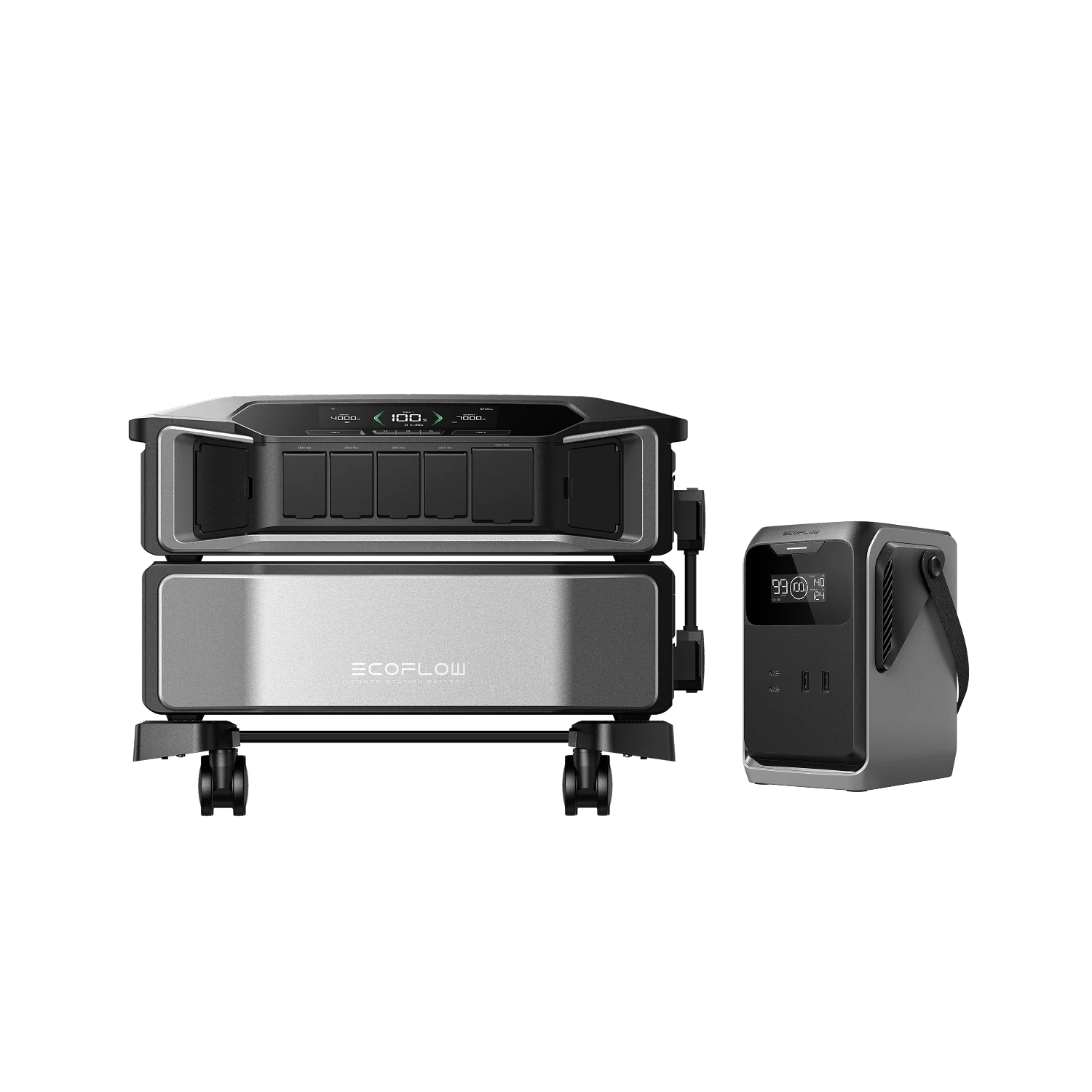
These systems don’t generally require maintenance, operate silently, and are safe to use both indoors and outdoors as they don’t emit any harmful fumes. There are various kinds of battery backup systems, ranging from small and low-capacity systems for basic needs, up to powerful high-capacity systems that can run your whole home, like the EcoFlow DELTA Pro Ultra.
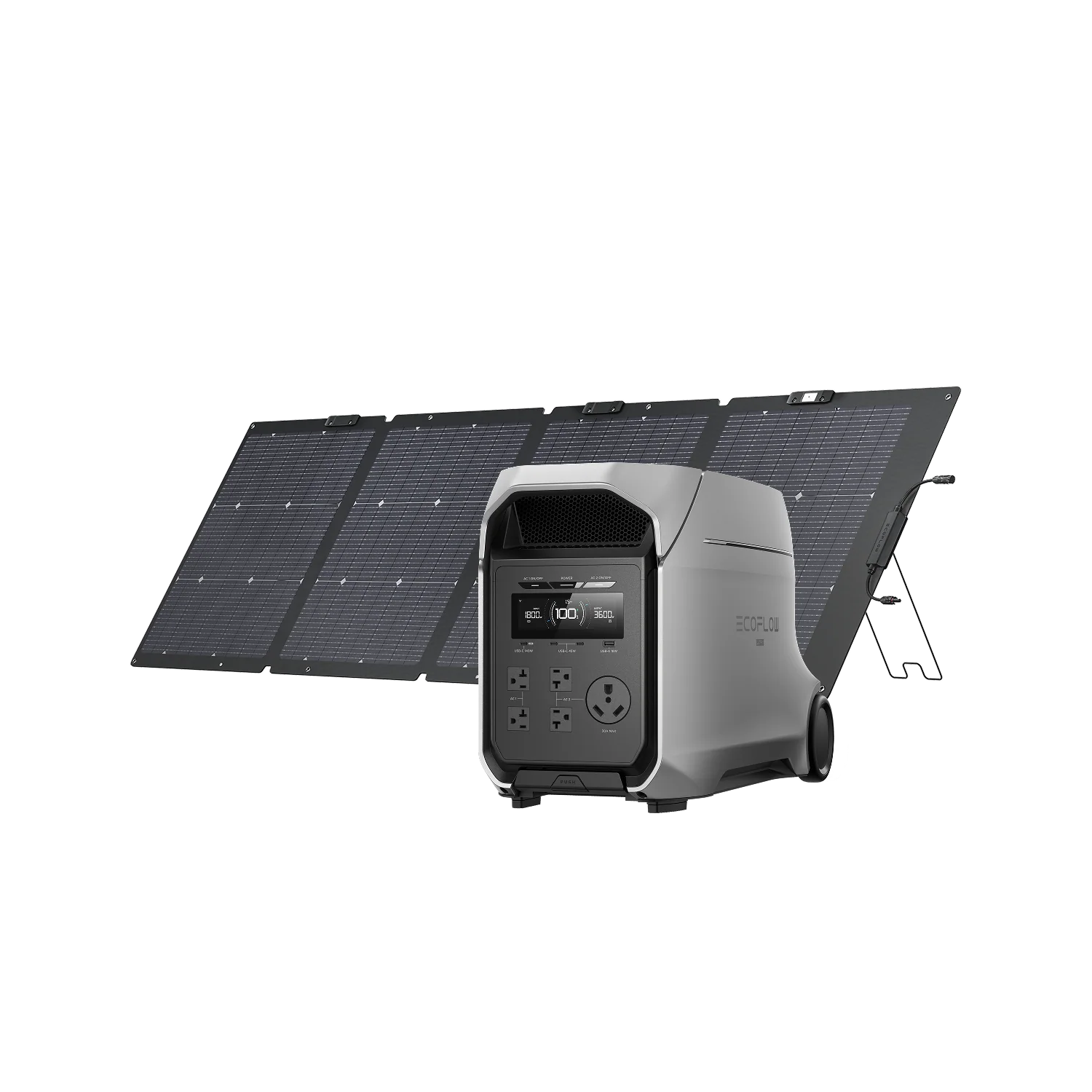
For homeowners who want to pair high-capacity storage with solar charging, the EcoFlow DELTA 3 Ultra Plus + 400W Solar Panel can keep your home running independently during extended wildfire or heat wave outages.
These systems can power a variety of appliances and systems in your home, including:
Essentials like your lights, internet, fridges, phones, and laptops.
Large appliances like microwaves, washing machines, dishwashers, and stoves.
Whole-home systems like air conditioning, furnace, and well pumps.
However, how many things the system can power, the exact things it can run, and how long it keeps them operational depends on the capacity and output of the system. Some may only be able to run essentials for a few hours, while others may be capable of keeping your whole home running for days.
How Home Battery Backup Works During an Outage and on Normal Days
On normal days, most home battery backups don’t just sit idly and wait for an outage. Instead, they’re often helping you optimize your home’s energy efficiency and saving you money.
If you live in an area where electricity rates fluctuate based on demand, these systems may come equipped with software that tracks this pricing. This lets the system discharge power to the home during times when rates are their highest, to bypass peak charges. Then, once demand and electricity rates are lower, the system turns off and begins recharging.
Also, if the system is attached to solar panels, it may prioritize powering your home with solar power rather than using power from the grid. Of course, these systems also ensure they stay fully charged on normal days, to ensure they’re ready for the next outage.
During an outage, these systems often instantly disconnect your home from the grid for safety, and seamlessly begin providing power. For example, if you live in Winnipeg and there’s a Manitoba Hydro power outage, the battery backup will instantly take over and continue powering your devices and systems, generally without any disruption.
From there, the system continues to power your home either until the power comes back on or until it runs out of battery. Some may also have load shedding features, which can prioritize powering your essentials over large appliances with high energy demands.
The amount of time the battery backup works for depends on its capacity, but if you have solar panels for recharging, these systems may be able to run longer (or even indefinitely), as long as they’re actively generating power.
How to Choose the Right Home Battery Backup in Canada
When choosing the right home battery backup in Canada, it’s important to consider a few things. First, you need to identify your needs and goals. For example, do you want the peace of mind to be able to power your entire home for multiple days, or are you good with just powering your essentials for a few hours?
If you want to power your whole home, you’ll need a high-capacity option with plenty of output like the EcoFlow DELTA 3 Ultra Plus + 400W Solar Panel, while someone who just wants to power their essentials may be okay with something less powerful.
Next, you’ll need to consider your budget. Battery backups can range from a few hundred dollars up to $10,000 or more, so make sure to be aware of what you can comfortably spend before shopping around. To try to reduce the cost of purchase and ownership, make sure to consult the rebates and incentives available in your area.
A few other things to consider are the warranty the backup offers, whether the system is scalable and expandable, and what kind of safety and/or convenience features it has.
No matter what system you end up choosing, proper power outage prep can save you during outages, storms, and other emergencies that may have traditionally left you without any power at all.
Frequently Asked Questions
What Size Home Battery Backup Do I Need for a Typical Canadian Summer Outage?
While it varies depending on your specific needs, a 10 to 15kWh system can generally cover the essentials in your home. However, if you also want to run additional appliances, consider up to 20kWh. If you want to also run things like central AC, consider one up to 30kWh or more. [1]
How Long Can a Home Battery Backup Power Essential Appliances?
It depends on the appliances and the capacity of the system, but most 10-15kWh backups can power essential appliances for around 12 to 24 hours. [2] However, if you also integrate solar into your system, you may be able to extend this dramatically.
Are Lithium Iron Phosphate Home Batteries Safe to Use During Wildfire Season?
Yes, these home batteries are generally safe to use in Canada during wildfire season, as they’re much less likely to catch fire or explode. This is because they don’t release oxygen during failure, and they have a much higher thermal runaway point [3] than other types of lithium batteries.
Can a Home Battery Backup Run With Solar and Still Work When the Grid Goes Down?
Yes, if the grid goes down, a home battery backup will disconnect from the grid and continue to power your home. This transition is often seamless, and you normally won’t notice any interruption with any of your appliances. If solar panels are connected, the system will continue drawing charge from them during the outage, potentially extending your runtime indefinitely.
Build a More Resilient Home Before the Next Heat Wave or Wildfire Event
To ensure you’re prepared for the next heat wave, wildfire, or even just to be ready for grid stress, outfit your home with a home battery backup. Having backup power gives you peace of mind that even during outages, things like your lights, internet, appliances, and other critical electrical devices can continue to operate normally without interruption.
Also, whether you need high-capacity whole home backup solutions or a smaller portable power station, EcoFlow has options suited to Canadian homes and climates.
References
[1] https://www.enercare.ca/ontario/plumbing-electrical/battery-storage
[2] https://volts.ca/blogs/educational/how-long-can-a-home-battery-power-a-house-during-an-outage