Freezing Rain Warning: Emergency Power Tips to Stay Safe with EcoFlow
- What Is Freezing Rain, and Why Is It Dangerous?
- Why Does Freezing Rain Cause Power Outages?
- What Should You Do Before a Freezing Rain Storm?
- What Should You Power First During an Outage?
- How Do Portable Power Stations Help During Ice Events?
- Frequently Asked Questions
- Backup Power Helps You Stay Safe and Prepared During Freezing Rain
Freezing rain can take just minutes to knock out electricity that may not return for days at a time, leaving homes cold, dark, and disconnected. But with a little bit of preparation and the right backup power strategy to suit your needs, you can keep essential systems running, stay warm, protect your food from spoilage, and keep your family safe until the grid comes back online.
What Is Freezing Rain, and Why Is It Dangerous?
Freezing rain often occurs when precipitation that starts as snow (as most rain does) falls through a layer of warm air, melting it. But, then, when the air on the ground is cold and it hits a cold surface, it freezes upon contact.
Freezing rain is dangerous because it quickly causes ice build-up on roads, sidewalks, trees, and infrastructure. While you can usually brush snow off, frozen rain wraps around and covers every surface, and it generally doesn’t come off without melting it. This can cause serious damage to infrastructure and presents major safety risks for people.
Why Does Freezing Rain Cause Power Outages?
These storms often result in electrical outages because the rain falls on power lines, transformers, and other electrical infrastructure, weighing them down and causing them to fall down and break. It also lands on nearby trees, weighing them down until they or their branches break and fall onto the power lines. Both result in widespread electrical outages.
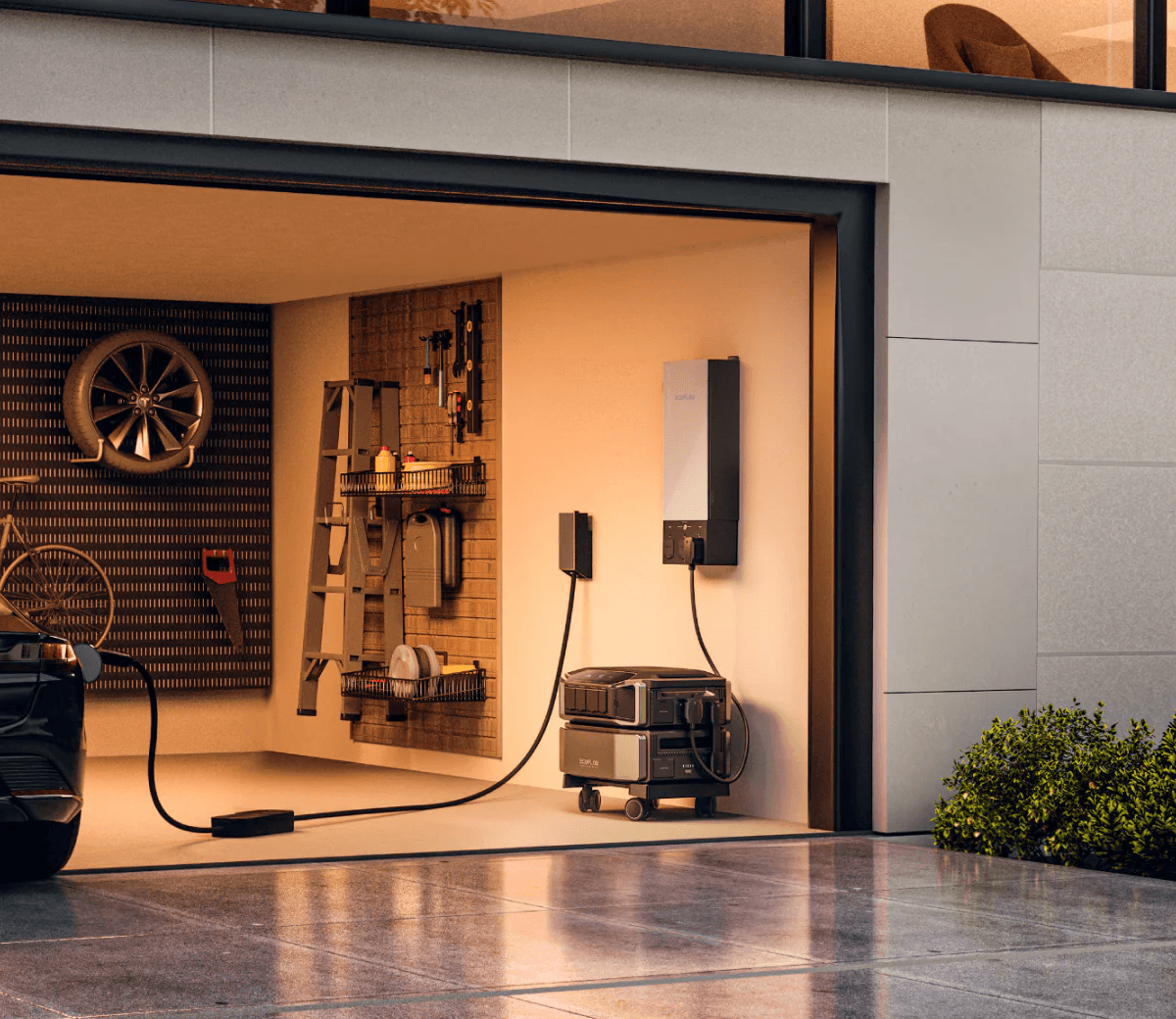
However, having an EcoFlow DELTA Pro Ultra X Whole-Home Backup Power system will ensure you still have electricity when you need it the most.
What Should You Do Before a Freezing Rain Storm?
Here is a list of things you can do to prepare for ice storms.
Stock up on non-perishable foods.
Insulate water pipes and know where your shut-off valve is.
Fill water jugs and even bath tubs in case the taps freeze or stop working.
Ensure your backup power is fully charged and ready to use.
Ensure your household emergency kit is fully stocked.
Seal leaks and drafts in your home with caulking, weatherstripping, and door sweeps to keep the heat in.
Plan how you’ll heat your home without electricity. A high-capacity whole home generator can run electric heaters even through an extended outage.
Plan a warm room in your home with doors that close so you can heat it with a small electric heater and keep your family safe with limited power during extended outages.
What Should You Power First During an Outage?
Heating and Essential Systems
Electrical outages during ice storms can be especially dangerous if you can no longer heat your home. Most of us rely on electric heat or fossil fuel furnaces, which both require electricity to work. This is why you should always plan enough energy to run a portable electric heater for extreme cold survival.
Refrigeration and Food Storage
Your next priority is preventing food spoilage. If the electricity goes out, the food in your fridge will last about 4 hours before it starts becoming unsafe to eat, as long as you don’t open the door. A mid-sized portable power station for your fridge will ensure the safety of your food, allowing you to open the door and access it without worry.
However, if you also need electricity for heaters, lights, and other essential appliances, you may want the comfort of a whole home backup power solution to ensure everything gets the electricity it needs.
Communication and Lighting
Next, lighting is essential to prevent tripping hazards and for better comfort. Fortunately, using rechargeable LED lights requires very little energy, and you can recharge them with any size portable power station.
Ensuring communication means you need a way to recharge your phone or laptop but also to keep your router working (as long as your provider has not gone down either) so you can monitor the weather and watch for emergency alerts.
How Do Portable Power Stations Help During Ice Events?
Portable power stations are excellent for ice storms because they come in a wide range of sizes to suit anyone’s needs. Small, compact portable units can be used to recharge phones and LED lights, while medium-sized models make great dedicated energy sources for fridges or medical equipment. They can easily be moved in and out of different rooms wherever they are needed the most.
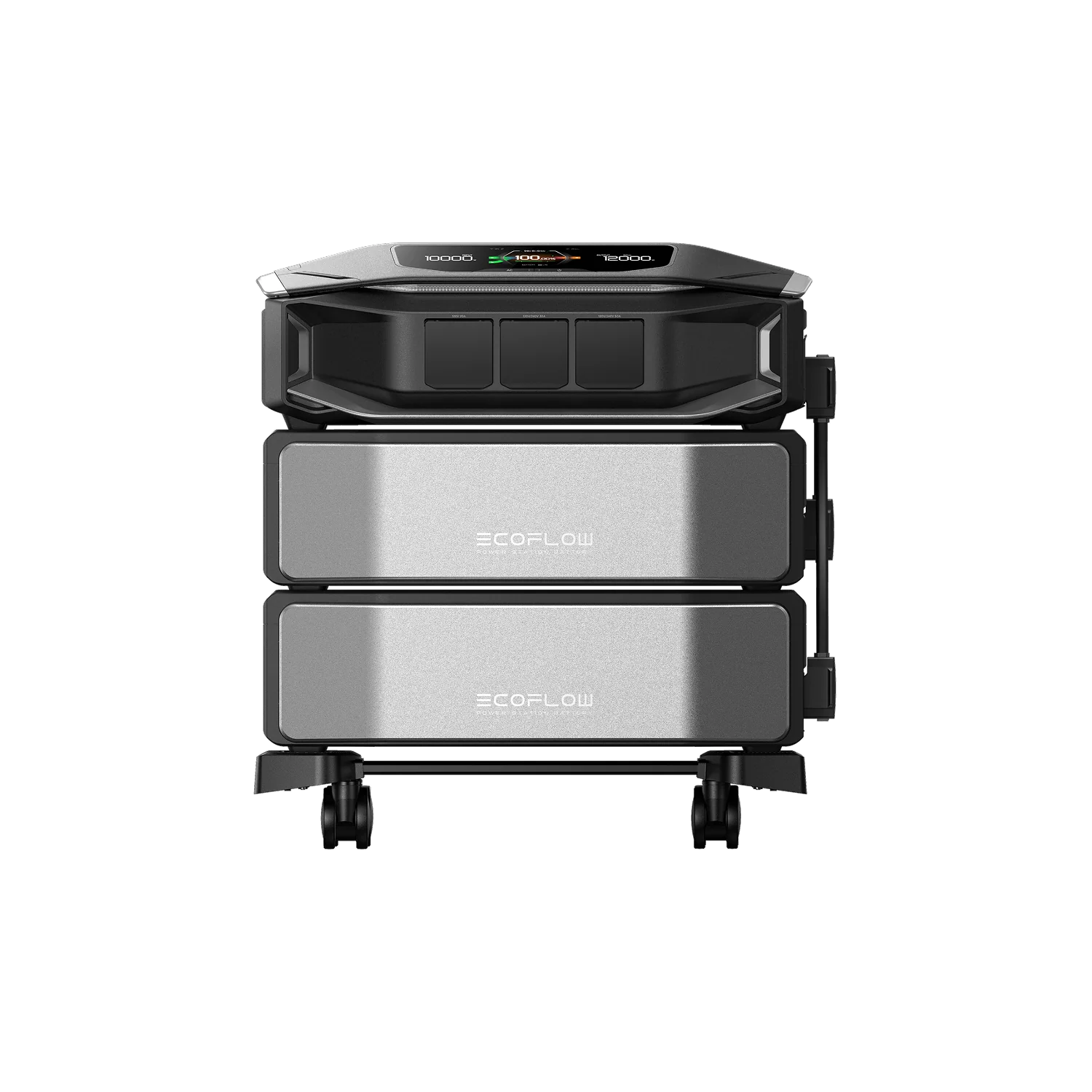
Alternatively, you can use a high-capacity EcoFlow DELTA Pro Ultra X Whole-Home Backup Power tied into your electrical panel so you can keep your entire home running. It can even be used as an uninterruptible power supply to protect sensitive electronics.
Regardless of what size power station you get, if you’re dealing with extended outages, you can always recharge them with things like solar panels and DC car outlets to stay powered up until the grid is restored.
Frequently Asked Questions
How Serious Is Freezing Rain?
Freezing rain is one of the most dangerous storms that we can get. The ice coats roads, sidewalks, infrastructure, and power lines, and it can’t be brushed off like snow, resulting in widespread accidents and electrical outages.
How Long Do Freezing Rain Outages Last?
Electrical outages from freezing rain can range from a few hours in urban areas with little damage to a week or more in rural areas when there is heavy damage. This is why having backup energy and a way to heat your home without electricity is critical.
Backup Power Helps You Stay Safe and Prepared During Freezing Rain
Dealing with freezing rain is more than an inconvenience; it’s a fast-moving threat to people and their homes, shutting down electricity, heat, and essential communication. Preparing means stocking up on essentials, sealing your home, and planning how to keep your family warm if the power goes out.
Portable power stations give you the flexibility you need to run essential devices, while a whole-home solution like the EcoFlow DELTA Pro Ultra X ensures your entire home can keep running, no matter how bad the weather gets.