Energy Efficient Homes: Backup Power Strategies with EcoFlow
Homeowners who prioritize sustainability and resilience can find several ways to make their homes more energy efficient. Efficiency not only improves comfort but also lowers utility costs. However, these benefits can be negated by a lack of power.
Even the most efficient homes are vulnerable to power outages. Backup power strategies ensure your investments continue to deliver comfort and savings regardless of grid status.
Discover how EcoFlow offers strategic backup power solutions for energy-efficient homes.
What Makes a Home Energy Efficient?
An energy-efficient home minimizes power consumption while maintaining comfort and durability. Building materials, air sealing, and HVAC systems are the primary influences on a home’s energy efficiency. A professional energy audit can help you identify leaks and inefficient systems, indicating where to begin addressing energy waste.
A building envelope is the foundation of an efficient home. Properly insulated attics, walls, and crawlspaces restrict heat flow in and out of the home, while double-pane windows with low-E coatings further minimize heat transfer, maintaining consistent indoor temperatures.
Sealing gaps around windows, doors, and ductwork prevents air leaks, and smart HVAC systems optimize temperatures.
Investing in LED lights and ENERGY STAR-labeled appliances further minimizes power consumption.
Renewable energy generation, such as solar panels, allows homes to generate their own clean power, reducing reliance on the grid.
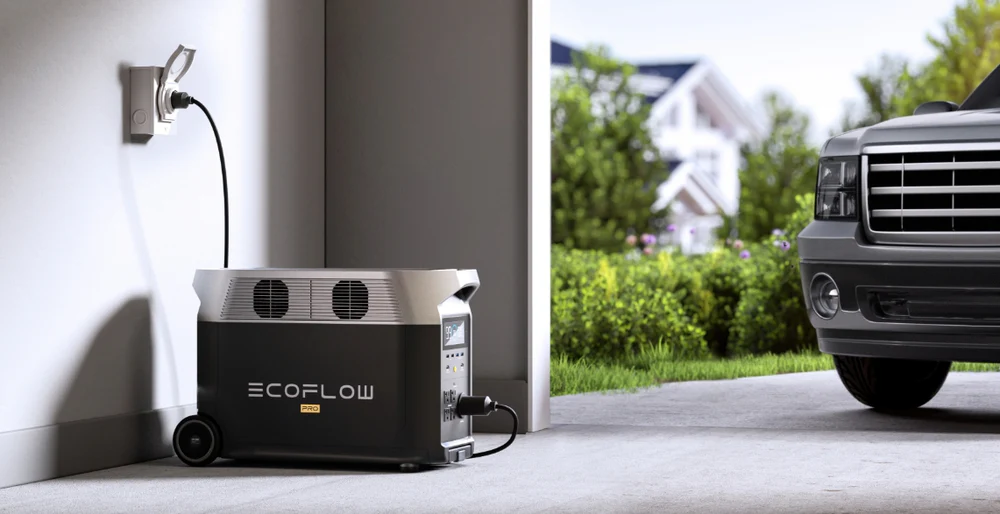
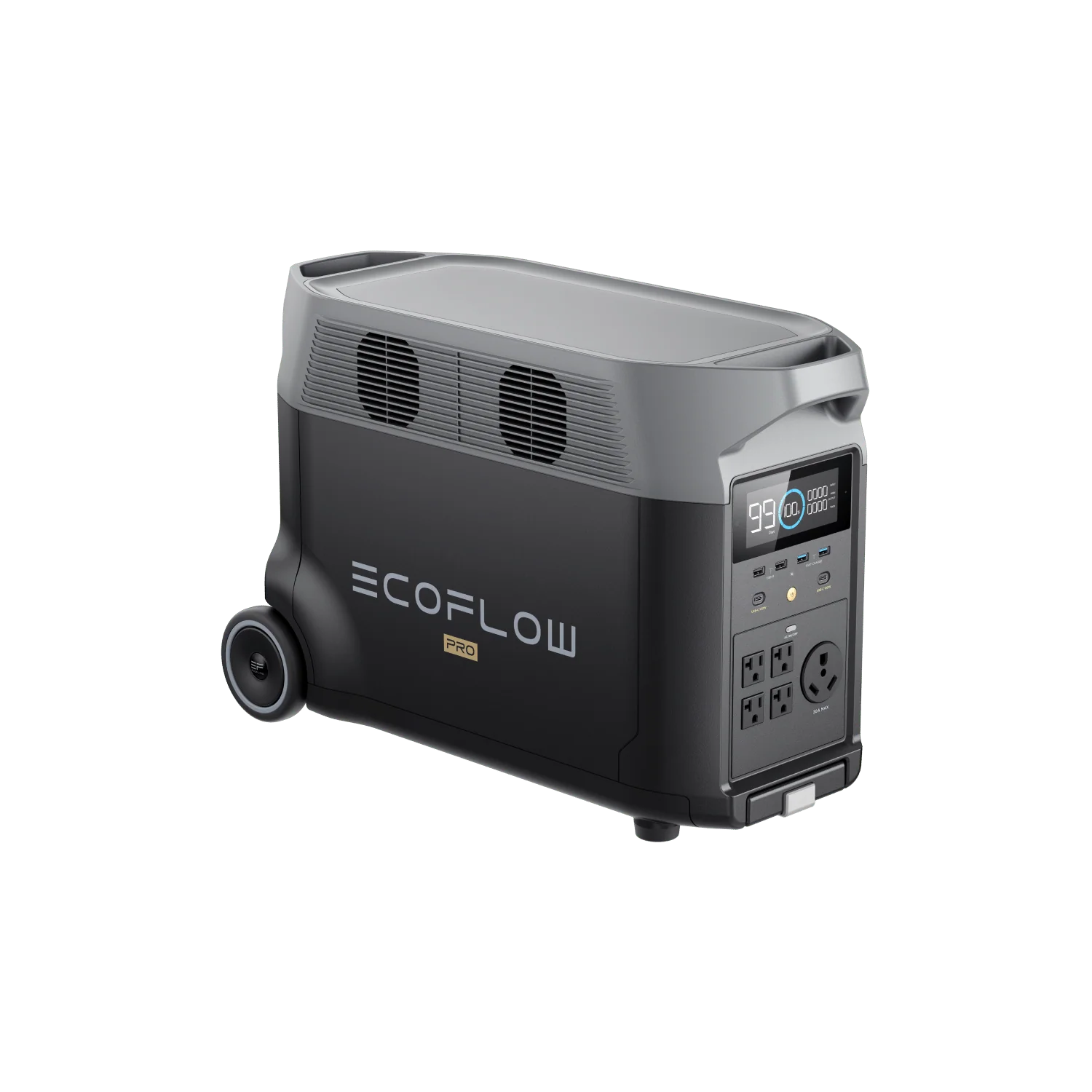
When paired with a battery system like the EcoFlow DELTA Pro, you can store excess solar energy. You can draw on that later during peak Time-of-Use (TOU) rates, reducing both your grid reliance and lowering your monthly energy bill.
Many homes can achieve a net-zero energy status, producing as much power in a year as they consume.
Why Do Energy-Efficient Homes Need Backup Power?
Most homes rely entirely on electricity to run heating, cooling, lighting, and appliances, leaving them vulnerable to grid outages. While a highly energy-efficient home consumes less power, blackouts can still disrupt temperature control and affect comfort.
In fact, because efficient homes typically eliminate natural gas in favor of electricity, a power outage can render their heating and cooking abilities useless.
Efficient systems require protection. Backup power ensures systems remain operable even when the grid is down. They minimize energy waste from inactive HVAC systems and prevent food waste from loss of refrigeration. They also keep smart home technology active, ensuring they maintain efficiency even on backup power.
Solar panels alone shut down during outages for safety reasons, but pairing them with batteries allows them to continue operating and running your home. Excess solar energy is stored in battery units for later use.
What Backup Power Options Work Best for Efficient Homes?
Traditional gas generators have served as backup for decades, but they don’t align with the goals of an energy-efficient home. These generators produce emissions and noise, and require regular fuelling and maintenance. They contradict the sustainability principles that drive efficiency investments.
Portable battery systems offer the ideal alternative to traditional backup power, delivering clean, quiet energy without harmful fumes or fuel requirements.
They can be charged via wall outlets, solar panels, or car charging, offering versatility in a wide range of situations.
EcoFlow battery systems, like the EcoFlow DELTA Pro, offer expandability, allowing you to start with a foundation that powers essentials and gradually work your way toward a whole-home backup battery system.
Solar panels paired with battery storage create a greater level of reliable power. This setup allows you to recharge during multi-day outages without access to the grid, taking advantage of solar panels already implemented into efficient homes.
Smart features optimize energy performance. For example, EcoFlow systems include app-based monitoring and remote control for tracking consumption patterns and prioritizing loads, while also providing smart device management, scheduling charging during off-peak hours, and assisting with energy needs when rates are highest.
How Can You Optimize Energy Use with Smart Systems?
Smart systems allow you to prioritize loads so backup power focuses on the essentials.
Identify critical applications, such as refrigeration, communication, and medical equipment, as well as superfluous tasks, such as EV charging or pool heating, which can wait until grid access returns, or there’s a surplus of solar energy.
Utilizing time-based strategies further improves energy efficiency. During outages, energy-intensive tasks should be completed during daylight hours when solar panels can provide direct energy, rather than depleting energy reserves. These practices can greatly stretch out your backup power.
Smart integration with home energy systems offers a great deal of automation. Smart management can shed non-essential loads when backup battery systems kick on, switch between grid and battery power depending on TOU rates, and even sell excess energy back to the grid.
Real-time forecasting tracks weather conditions to prepare for storms and potential outages proactively. Smart features ensure batteries are fully charged before the storm and automatically switch to backup solutions the moment the lights go out.
Frequently Asked Questions
Do Energy-Efficient Homes Require Less Backup Power?
Yes, energy-efficient homes consume much less power compared to their counterparts. This reduced consumption means energy-efficient homes can operate on smaller backup systems, while a larger system provides equivalent coverage to traditional homes. Energy efficiency translates to lower backup power costs and more flexible solutions.
What Is the Best Backup Setup for Efficient Homes?
The ideal setup for efficient homes involves a battery storage system paired with solar panels. Battery backup runs your essentials while solar panels keep batteries charged for multi-day outages. Expandable systems allow you to add extra batteries for more capacity without replacing your initial investment.
Smart Backup Strategies Maximize Efficiency and Energy Savings
Energy-efficient homes and smart backup power systems deliver a level of sustainability and resilience that traditional homes cannot achieve. An energy audit helps identify areas that can be made more efficient, such as insulating walls, sealing windows, and investing in ENERGY STAR-certified appliances.
Backup power protects your efficient energy investments, and the reduced energy consumption makes backup solutions more affordable. The EcoFlow DELTA Pro Portable Power Station offers expandable capacity from 3.6kWh up to 25kWh for extensive backup power.