Early Spring Disaster Preparation in Canada: Power, Flooding, and Storm Readiness
- Why Early Spring Is a High-Risk Season for Disasters in Canada
- What Disaster Preparedness Means for Canadian Households
- Essential Emergency Supplies to Prepare Before Spring Storms
- Protecting Important Documents and Valuables from Flood Damage
- Flood-Specific Safety Rules Every Canadian Should Know
- How to Prepare Your Home Before, During, and After a Flood
- Why Power Preparedness Matters During Spring Emergencies
- Modern Backup Power Solutions for Disaster Readiness
- Frequently Asked Questions
- Get Ready for Early Spring Emergencies with EcoFlow
Early spring in Canada is a season of transition and unpredictability. Melting snow, frozen ground, and changing weather can turn a mild forecast into flooded basements, power outages, or damaging windstorms with little warning. While winter often gets the spotlight for emergency planning, early spring quietly brings some of the highest risks for communities across the country.
Preparing ahead of time before the thaw is fully underway can make the difference between a manageable inconvenience and a major emergency.
Why Early Spring Is a High-Risk Season for Disasters in Canada
Early spring is one of the most high-risk seasons for disasters in Canada due to a mix of melting snow, frozen or saturated ground, and rapidly changing weather. As snow and ice thaw, water often can’t drain properly, which can cause water damage.
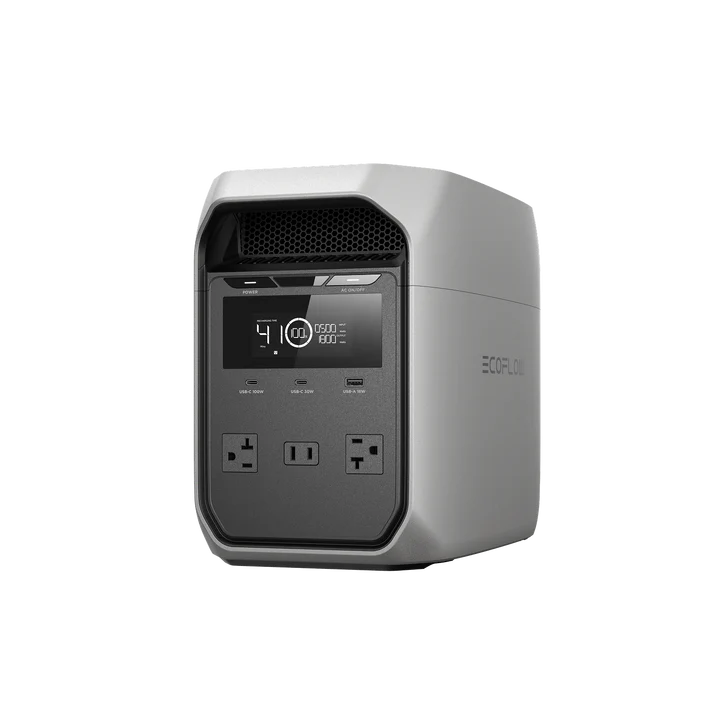
Unstable spring weather adds to the danger. Heavy rain, strong winds, late snow, and freezing rain can arrive with little warning, which stresses infrastructure and increases the likelihood of power outages. It’s crucial to have backup power, like the EcoFlow DELTA 3 Classic, so you can keep your essential appliances running even during a disaster.
Because this transition period is often overlooked in emergency planning, early spring can catch households unprepared. This is also why keeping an eye on Canadian winter weather alerts is crucial.
What Disaster Preparedness Means for Canadian Households
Disaster preparedness for Canadian households means being ready for seasonal risks, not just reacting when something goes wrong. In early spring, that includes planning for flooding, power outages, and sudden storms that can disrupt daily life with little warning.
Staying informed is a key part of preparedness. Following alerts about the weather in Canada allows households to act quickly as conditions change, while simple steps like clearing drainage areas and preparing for power loss help reduce damage.
Essential Emergency Supplies to Prepare Before Spring Storms
Before spring storms arrive, having essential emergency supplies on hand can make a critical difference during power outages, flooding, or severe weather. Early spring events often limit access to stores and services, so preparing in advance helps ensure your household can stay safe and self-sufficient.
At a minimum, Canadian households should have a well-stocked emergency kit that includes drinking water, non-perishable food, medications, flashlights, batteries, and a battery-powered or hand-crank radio.
For flood-prone areas, waterproof storage, rubber boots, gloves, and important documents sealed in protective bags are especially important. Creating a flood emergency kit shopping list can help identify supplies that are easy to overlook but essential during water-related emergencies.
Protecting Important Documents and Valuables from Flood Damage
Flooding can cause lasting damage not only to a home, but to the documents and valuables that are hardest to replace. Items such as identification, insurance policies, property records, and financial documents are especially vulnerable during early spring floods, when water can enter homes quickly and without warning.
To reduce risk, store important paperwork in waterproof, fire-resistant containers and keep them off basement floors or low shelves.
Flood-Specific Safety Rules Every Canadian Should Know
Flooding presents serious safety risks, especially during early spring when water levels can rise quickly. One of the most important rules is to avoid entering floodwater whenever possible. Even shallow water can hide hazards such as debris, open drains, or electrical dangers, and moving water can be far stronger than it appears.
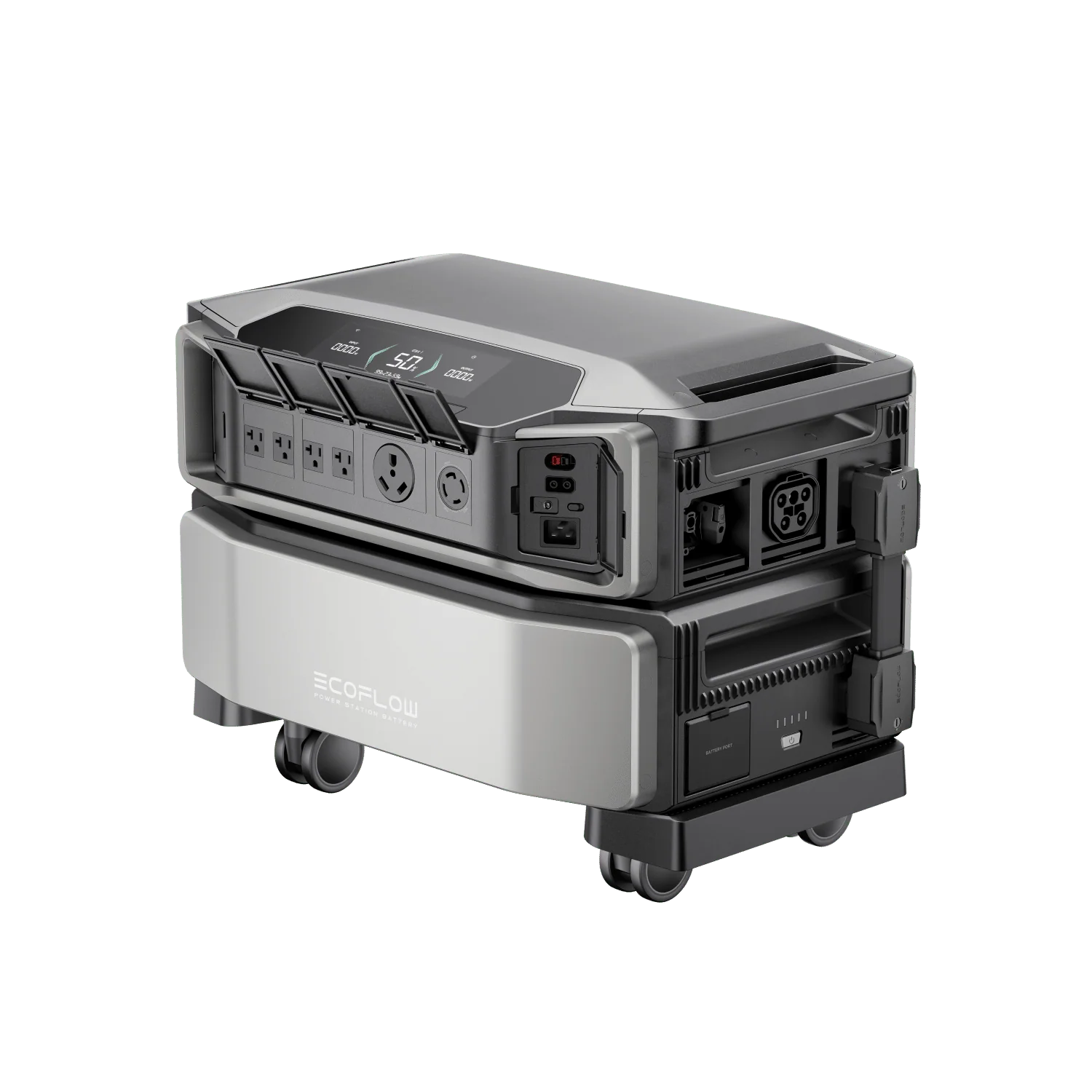
Electrical safety is critical during floods. If water is approaching living areas, turn off electricity at the main breaker (only if it is safe to do so) and never touch electrical equipment while standing in water. Using reliable backup power sources, such as the EcoFlow DELTA Pro Ultra, can help maintain essential devices without relying on compromised electrical systems.
How to Prepare Your Home Before, During, and After a Flood
Preparing your home for floods involves steps before, during, and after the event. Before flooding, clear drains, seal foundation cracks, elevate appliances, and consider a whole-home backup generator to protect power-dependent systems.
During a flood, prioritize safety: avoid floodwater, turn off utilities if safe, and move valuables to higher ground.
Afterward, re-enter cautiously, check for structural or electrical damage, and document losses for insurance. Acting at each stage helps minimize damage and speed recovery.
Why Power Preparedness Matters During Spring Emergencies
Power outages are one of the most disruptive consequences of early spring storms, which affect heating, lighting, water pumps, and communication. Without electricity, even minor emergencies can quickly become dangerous, especially in regions still dealing with melting snow or flooding.
Being prepared with reliable backup power ensures your home stays safe and functional. A whole-home generator can keep essential systems running during extended outages.
Modern Backup Power Solutions for Disaster Readiness
Modern backup power is essential for staying safe during storms and outages. The EcoFlow DELTA 3 Classic offers portable power for short-term emergencies, while the EcoFlow DELTA 3 Series can support larger household needs or multiple devices.
These clean, quiet, and user-friendly systems help Canadian households keep essential appliances and communication tools running, ensuring safety and comfort during spring disasters.
Frequently Asked Questions
How Can Canada Prepare for Floods?
Canada can prepare for floods through a mix of community planning and household readiness. Communities benefit from strong flood defenses and accurate forecasts with alerts about weather in Canada, while households should have a flood emergency kit, protect important documents, elevate appliances, and use backup power.
What To Stockpile for 72 Hours?
For 72-hour preparedness, stockpile enough water for each person, non-perishable food, medications, and basic first-aid supplies. Include flashlights, extra batteries, a battery-powered or hand-crank radio, and important documents stored in waterproof bags.
What Is Considered Early Spring in Canada?
In Canada, early spring typically spans late March to April, though timing varies by region. It’s when snow melts, rivers rise, and unpredictable weather increases risks like flooding and storms.
Get Ready for Early Spring Emergencies with EcoFlow
Early spring in Canada can bring floods, storms, and power outages, which makes preparation essential. Stay informed, protect valuables, assemble a flood emergency kit, and ensure backup power for safety and peace of mind.
The EcoFlow DELTA Pro Ultra offers reliable power when you need it most: explore more and protect your home.