Overnight Camp vs. Day Camp: How Canadian Parents Should Pack for Each
- Quick Camp Packing Checklist (Canada Summer)
- What Parents Need to Know First
- Evaluate the Strategic Differences in Preparation
- Master the Logistics of Day Camp Essentials
- Equip Your Child for the Overnight Camp Experience
- Implement Effective Sun Protection and Hydration
- Navigate Health, Allergies, and Camp Medications
- Camp Rules and Nighttime Lighting
- Prepare for Variable Canadian Weather Patterns
- Ready for Camp? Pack Smart & Stay Powered
- FAQs
Summer camp is a cherished Canadian tradition, offering children the chance to develop independence and explore the diverse landscapes of our provinces. However, the preparation process can be complex for parents navigating the logistical differences between a local day program and an immersive overnight camp. Each option requires a distinct approach to packing, from managing daily food safety to equipping a child for weeks in the wilderness. This guide helps families compare the requirements of each, ensuring children are prepared for Canada's variable summer conditions.
Quick Camp Packing Checklist (Canada Summer)
Sun protection: sunscreen SPF 30+, hat, sunglasses
Food safety: insulated lunch bag + ice packs (day camp)
Clothing layers: waterproof jacket + warm hoodie
Hydration: refillable water bottle (750ml+)
Night gear (overnight camp): flashlight + sleeping bag
Medication: labeled prescriptions + camp forms
What Parents Need to Know First
Day camps require daily food + light gear preparation
Overnight camps require full living setup and clothing planning
Weather in Canada can change quickly even in summer
Medication and allergy rules are strictly enforced in most camps
Packing organization reduces lost items and stress
Evaluate the Strategic Differences in Preparation
When considering the choice of a day camp vs overnight camp, the scale of your packing list undergoes a significant transformation. Day camps typically operate as an extension of the school day, requiring a "go-bag" that returns home every evening for replenishment. Residential programs, however, are 24-hour environments that demand a full inventory of living essentials.
In a day camp setting, the focus is on immediate, high-use items like sunscreen, lunch, and swim gear. Because the child returns home, parents can easily adjust for mistakes the next day. Preparing for overnight camps requires a more forward-thinking mindset. You must account for every hygiene need, multiple weather contingencies, and evening social activities. The lack of a daily "home base" means that if an item is forgotten, the child may have to rely on camp stores or shared supplies.
The duration of the camp session heavily influences the volume of clothing. While a day camper might only need two or three sets of clothes for the week, a child heading to overnight summer camps Ontario may need enough attire for 14 days without access to laundry facilities. This necessitates durable luggage choices and a highly organized packing system to help the child manage their belongings independently in a shared cabin environment.
Master the Logistics of Day Camp Essentials
Day camps are a staple for families in urban areas like Toronto or Ottawa. Because children are often in transit during the hottest parts of the day, preparation centers on portability and food safety.
Optimizing the Daily Backpack
A high-quality, lightweight backpack with comfortable shoulder straps is essential. It should be large enough to hold a towel, a swimsuit, a full change of clothes, and a large water bottle. Including a wet bag or a simple plastic bag for damp swimwear is a small detail that prevents the rest of the bag’s contents from becoming soggy. Parents should ensure the child can open and close all zippers independently to encourage self-reliance during transitions.
Food Safety in the Canadian Summer
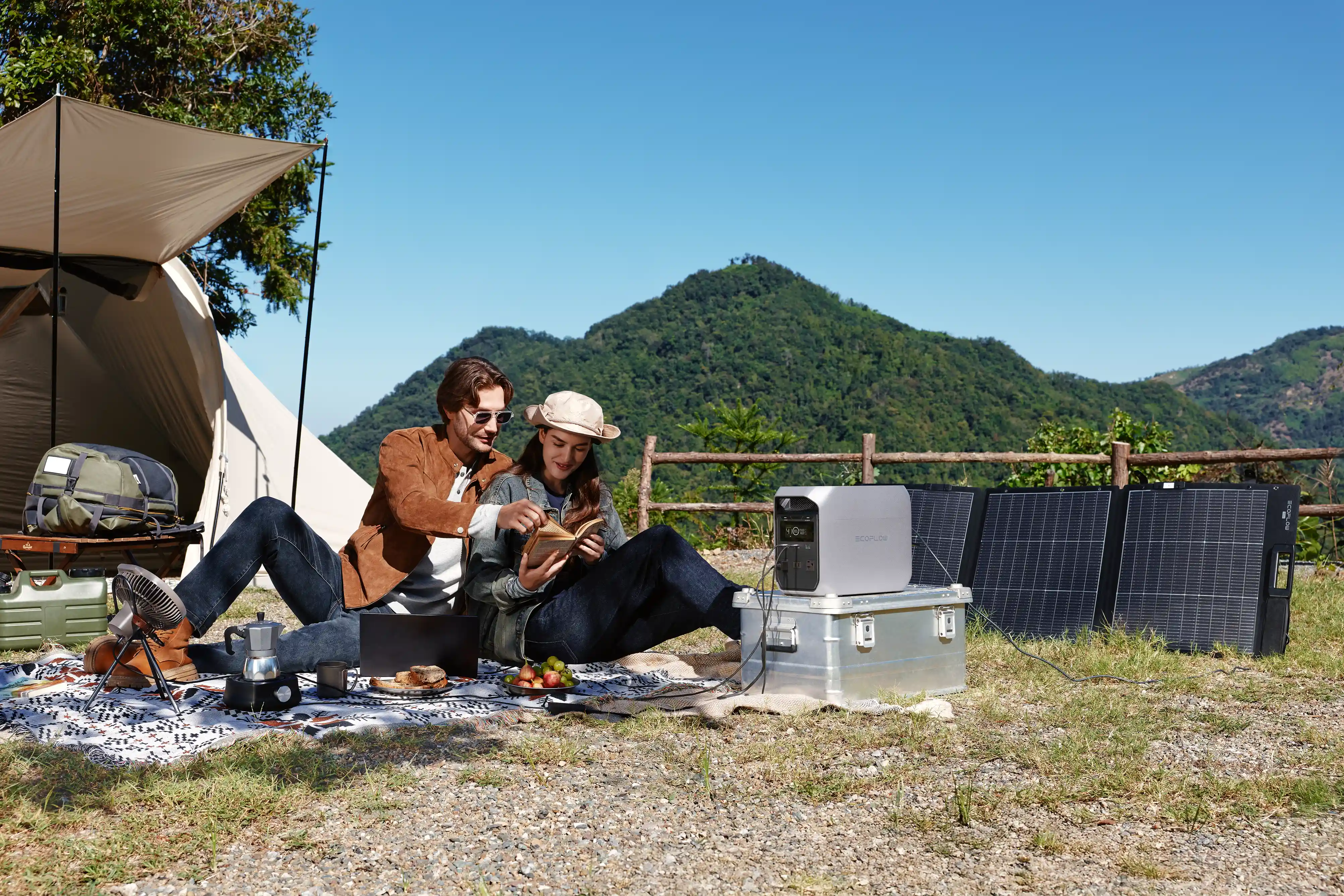
In many Canadian regions, summer temperatures can reach 30°C or higher. Most day camps do not provide refrigeration for packed lunches, making insulated bags and frozen ice packs mandatory to reduce the risk of spoilage. During the morning rush or long commutes to remote camp locations, many families find that the EcoFlow DELTA 3 Classic provides reliable power for car fridges and phone charging, keeping lunches cool and navigation active.
Transportation and Commuter Preparation
If your child is taking a camp bus, punctuality is the primary concern. Bus stops follow strict schedules. Packing a small "bus-safe" activity, such as a book or a fidget toy, may help keep children entertained during the ride. It is also wise to check the bus company's policy on large items; for example, if your child is bringing a life jacket or a musical instrument, it should be clearly labeled and easy to stow under a seat.
Equip Your Child for the Overnight Camp Experience
Sending a child to overnight summer camps Ontario or the Alberta foothills involves preparing for 24-hour living in potentially rustic conditions. Organization in a shared cabin is often the biggest challenge for new campers.
Bedding for Northern Nights
Even in July, nights in the Canadian shield or near large lakes can be surprisingly cool. Most overnight camps provide a basic mattress, but parents must supply the rest.
Sleeping Bags: A synthetic sleeping bag rated for +5°C is generally versatile enough for Ontario summers.
Twin Sheets: Many campers prefer the feel of real sheets over a sleeping bag. A "fitted" twin sheet helps keep the mattress clean.
Warm Blankets: Including a heavy fleece or wool blanket provides an extra layer of insulation for those damp, cool mornings often found in northern camping regions.
Luggage Choice: Duffels vs. Trunks
The type of luggage you choose depends on the camp’s cabin layout. Large, soft-sided duffel bags with wheels are popular because they can be easily squashed and stored under a bunk. Traditional camp trunks are more durable and can serve as a bedside table, but they are heavy to move. Check your camp's packing guide; some specifically request duffels to save space in crowded cabins.
The Critical Role of Labeling
In an overnight camp, lost property is a daily occurrence. Every single item—including socks, toothbrushes, and flashlights—should be labeled with the child's full name. Iron-on labels or high-quality permanent markers are the most common tools for this. This simple step significantly increases the likelihood that lost items will be returned to the correct cabin before the end of the session.
Implement Effective Sun Protection and Hydration
The UV index in Canada can be unexpectedly high during July and August. According to guidance from Health Canada, broad-spectrum sunscreen with SPF 30 or higher is commonly recommended for outdoor exposure, especially for children attending extended outdoor activities such as camp programs.
Children should have a broad-spectrum, water-resistant sunscreen with an SPF of at least 30.
Lotion vs. Spray: Lotions generally provide more consistent coverage, but sprays are convenient for quick reapplications during outdoor activities.
Face Sticks: Zinc-based face sticks are helpful because they don't run into the eyes when the child is sweating or swimming.
Protective Clothing: Packing a lightweight, long-sleeved "rash guard" for swimming can significantly reduce the amount of exposed skin that needs sunscreen.
A durable water bottle is the most important accessory in a camper's kit. Look for a BPA-free bottle with a minimum 750ml capacity. Insulated stainless steel bottles are preferred by many because they keep water cold for several hours. At overnight camps, children are often responsible for refilling their own bottles at designated "water stations," so choosing a bottle with a sturdy carry handle or a carabiner allows the child to keep it attached to their belt or bag throughout the day.
Navigate Health, Allergies, and Camp Medications
Camp directors prioritize safety, but they rely on accurate information from parents to manage health risks effectively.
Medication Protocols and the Camp Nurse
Medication handling procedures are usually based on camp policies and provincial health guidelines. In most Canadian camps, medications must follow strict storage and administration rules set by the camp nurse and reviewed with parents during registration.
Original Packaging: Medications must remain in their original pharmacy packaging with the child's name and dosage clearly printed.
Detailed Schedules: Provide a clear, written schedule of when the medication should be taken.
Over-the-Counter Needs: If your child frequently needs items like ibuprofen or antacids, check if the camp's "Tuck Shop" or infirmary stocks them, or if you need to provide a labeled supply.
Allergy Awareness and Epipens
Allergy management at camps typically follows protocols aligned with guidance from organizations such as the Canadian Paediatric Society. Children prescribed an EpiPen should have an updated Anaphylaxis Action Plan provided by parents and reviewed by camp staff before arrival.
Camp Rules and Nighttime Lighting
As the sun sets, the overnight camp experience becomes more focused on cabin bonding and nighttime safety. Proper lighting and a tech-free mindset are essential.
Essential Lighting: Flashlights and Headlamps
Once the sun goes down in rural Canada, it is truly dark. A reliable LED flashlight is a necessity for navigating to the washroom or finding items in a bunk.
Headlamps: Many counselors recommend headlamps because they allow the child to keep their hands free while walking on uneven paths.
Brightness Levels: A light with 200–300 lumens is generally sufficient for camp use without being blinding to other campers.
Spare Batteries: Pack at least one full set of replacement batteries in a small, labeled waterproof pouch.
The "No-Tech" Policy and Communication
Most overnight camps prohibit cell phones, tablets, and gaming devices to encourage children to connect with nature and their peers. This can be a transition for some children.
Writing Home: Pack pre-addressed, stamped envelopes and postcards. This encourages the traditional camp experience of "snail mail."
Disposable Cameras: If your child wants to take photos, a disposable or simple digital camera (without internet access) is a great way to capture memories without violating camp rules.
Books and Cards: Include a physical book or a deck of cards for "quiet time" in the cabin, helping the child wind down without a screen.
Prepare for Variable Canadian Weather Patterns
Canadian summers are famously unpredictable. A humid heatwave can be interrupted by a sudden cold front or a lake-effect thunderstorm, necessitating a flexible wardrobe.
Managing Rain and Mud
A lightweight, breathable rain jacket is a non-negotiable item for both camp types. For overnight camps, rubber boots (Wellies) are highly recommended. Camp sites can become extremely muddy after a thunderstorm, and having dry feet is essential for comfort. Packing several extra pairs of wool or synthetic socks—which dry faster than cotton—can help prevent blisters and keep the child comfortable during wet spells.
Layering for Thermal Comfort
In northern Ontario or the Atlantic provinces, the temperature can drop by 10°C or more once the sun goes down.
Hoodies and Sweatpants: Even if the daytime forecast is hot, include at least two warm hoodies and a pair of long track pants for evening campfires.
Light Sweaters: Day campers should have a light layer in their bag for air-conditioned indoor sessions or for those chilly early-morning bus rides.
Swim Caps and Goggles: If the camp has a pool or lake swimming, these items can help a child feel more comfortable in the water, especially if the temperature is a bit brisk.
Ready for Camp? Pack Smart & Stay Powered
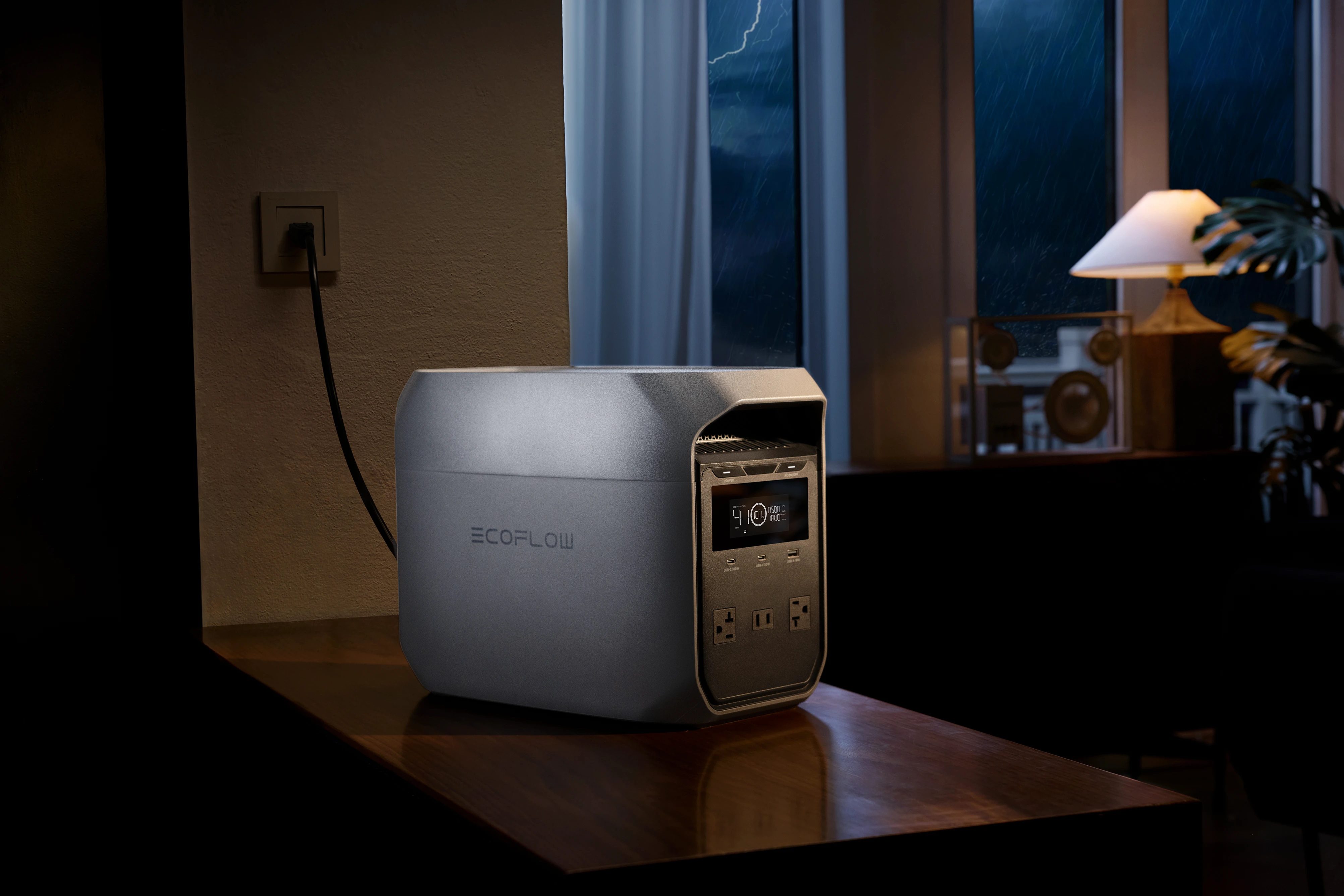
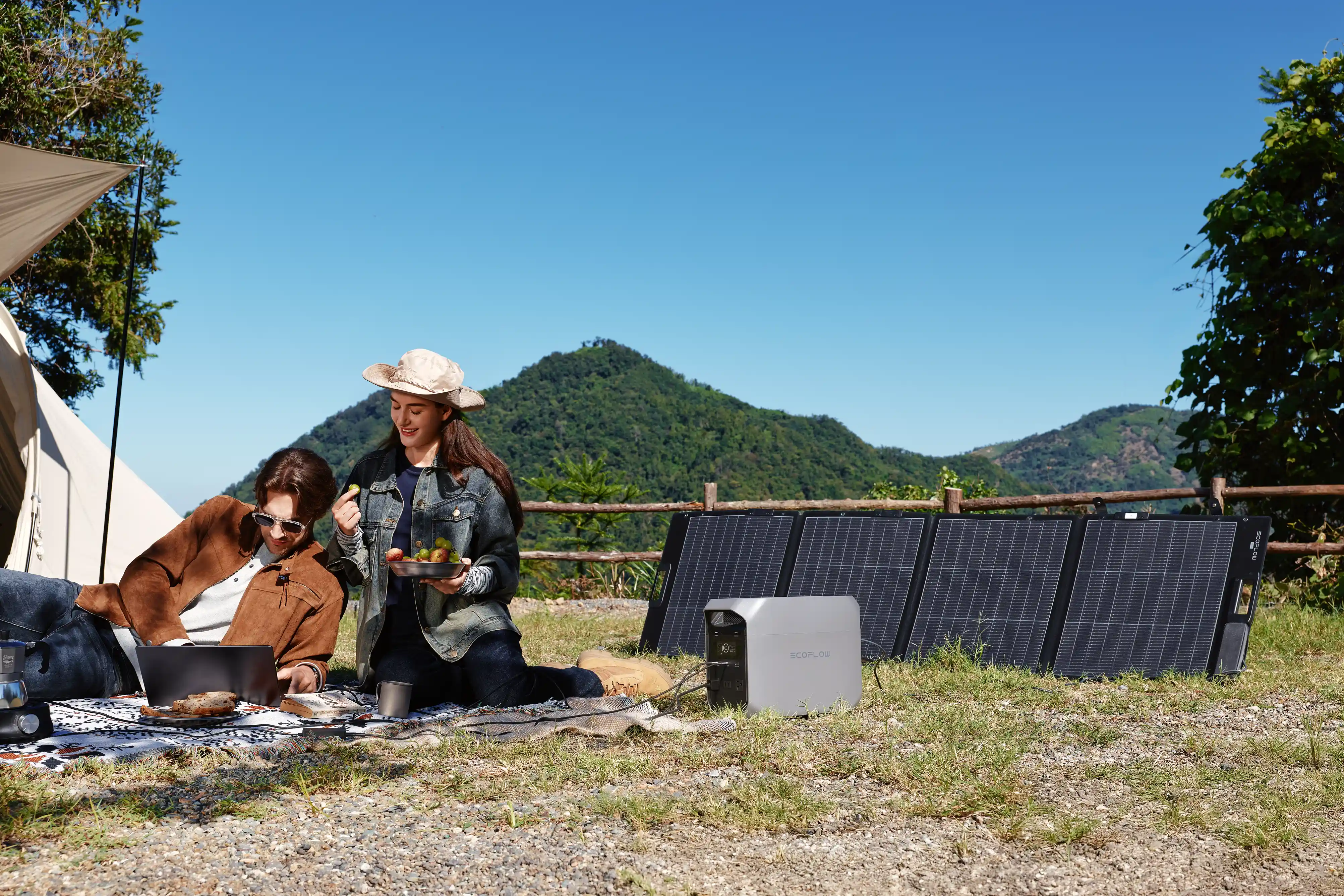
Preparing for a summer camp season requires balancing logistical efficiency with a child’s comfort. Whether you are prepping for a local day program or a multi-week overnight camp, focusing on food safety, sun protection, and organized gear will help your child have a successful summer. Prepare for a worry-free camp season with the EcoFlow DELTA 3 Classic, offering whisper-quiet operation and long-lasting durability for your family’s outdoor power needs. Get yours today for reliable summer backup. By following these packing guidelines, you can ensure your camper is ready for every adventure the Canadian wilderness has to offer.
FAQs
Q1. Should I Pack a Cell Phone for My Child at Overnight Camp?
No, most residential camps strictly prohibit cell phones to minimize distractions and prevent homesickness. It is usually best to check the specific camp’s policy, but providing stamped envelopes is the standard way to stay in touch.
Q2. How Many Pairs of Shoes Should My Child Bring to Overnight Camp?
Ideally, pack at least three pairs: sturdy running shoes for sports, water shoes or flip-flops for the waterfront and showers, and a spare pair of sneakers in case the primary pair gets wet or muddy.
Q3. Is Day Camp or Overnight Camp Better for a Seven-Year-Old?
It depends on the individual child's maturity and comfort with being away from home. Many parents start with a few years of day camp to build confidence before considering a full overnight camp experience.
Q4. What Is the Most Commonly Forgotten Item for Summer Camp?
A flashlight with spare batteries is frequently forgotten. This is an essential safety item for overnight camps, as navigating a dark cabin or outdoor path at night can be difficult without a reliable light source.
Q5. Can I Pack Snacks in My Child’s Overnight Camp Trunk?
No, most camps prohibit keeping food in cabins because it can attract wildlife like raccoons or mice. Additionally, many camps are "nut-aware" and must strictly control all food items to protect campers with severe allergies.
Disclaimer: This article provides general packing and travel information for Canadian summer camps. It does not replace medical advice, camp-specific rules, or official guidance from organizations such as Health Canada or individual camp operators. Parents should always confirm requirements directly with their child’s camp and healthcare provider when needed.