Georgian Bay Camping: Islands, Wind, Water, and Packing Tips for First-Timers
- Quick Georgian Bay Camping Checklist
- When to Cancel or Delay Your Trip
- Why Georgian Bay Is a Unique Camping Destination
- Plan Your Georgian Bay Islands National Park Camping Trip
- Master Water Safety: Wind, Waves, and Temperature
- Embarking on Georgian Bay Kayak Trips
- Packing Tips for First-Time Georgian Bay Campers
- Weather and Seasonal Considerations
- Power Your Rugged Georgian Bay Island Adventure
- FAQs
- Disclaimer
Georgian Bay, often referred to as the "Sixth Great Lake," is a vast, rugged extension of Lake Huron in Ontario. Known for its iconic windswept pines, pink granite shorelines, and the famous Thirty Thousand Islands, it offers some of the most spectacular wilderness experiences in Canada. However, the region’s unique geography—ranging from the white quartzite peaks of Killarney to the limestone cliffs of the Bruce Peninsula—requires specific preparation. This guide provides essential safety, travel, and gear advice for those embarking on their first georgian bay camping adventure, ensuring a successful trip to one of Ontario's most beautiful landscapes.
Quick Georgian Bay Camping Checklist
Check marine + weather forecast (Environment Canada) before departure
Use PFD (life jacket) at all times on water
Pack waterproof layers + wind protection
Store food in bear-proof containers or lockers
Bring navigation tools (map + GPS) for island routes
Prepare for cold water even in summer
Avoid paddling during high wind conditions
When to Cancel or Delay Your Trip
Winds exceed safe paddling conditions (strong sustained gusts)
Thunderstorms are forecast over open water
No safe return route available by boat or kayak
Missing essential safety gear (PFD, navigation tools)
Why Georgian Bay Is a Unique Camping Destination
Georgian Bay is not a typical inland lake; its size and geological diversity create distinct environments depending on which shore you visit. Understanding these differences is the first step in planning your trip.
The Geography of the Thirty Thousand Islands
The eastern and northern shores of the bay are home to the world's largest freshwater archipelago. This maze of granite islands provides endless opportunities for exploration by water. For those interested in georgian bay islands national park camping, this geography offers a sense of seclusion that is difficult to find elsewhere in Southern Ontario. The islands range from tiny rock outcrops to large, forested landmasses, each offering a unique micro-environment.
The Difference Between the Eastern and Western Shores
The eastern shore is part of the Canadian Shield, characterized by smooth granite and shallow, rocky bays. Parks like Killbear and The Massasauga are located here. In contrast, the western shore, specifically the Bruce Peninsula, is dominated by the Niagara Escarpment. Here, you will find high limestone cliffs, deep turquoise water, and sea caves. The camping experience on the west side is generally more focused on hiking the Bruce Trail, while the east side is a paradise for boaters and paddlers.
Windswept Pines and Granite Landscapes
The landscape of the bay is shaped by the prevailing westerly winds. This has created the iconic "windswept pine" look, where trees grow with branches only on one side. The terrain is often uneven and rocky, which means finding a flat spot for a tent can be a challenge on some primitive sites. Proper preparation for this rocky ground is essential for comfort.
Plan Your Georgian Bay Islands National Park Camping Trip
Located near Honey Harbour, georgian bay islands national park camping offers an island-only experience. Since the park is only accessible by boat, it requires a higher level of logistical planning than a drive-in park.
Accessibility via Honey Harbour
To reach the main camping areas on Beausoleil Island, you must arrange water transportation. If you do not have your own boat, several private water taxi services operate out of Honey Harbour. It is generally advisable to book your water taxi at the same time you make your campsite reservation to ensure your arrival and departure times align. Be prepared for a short but scenic ride that provides a great introduction to the bay’s beauty.
Selecting the Right Campground on Beausoleil Island
The island is divided into distinct sections. The southern end, near Cedar Spring, offers more amenities, including potable water, showers, and a small store. This area is more sheltered and ideal for families. The northern end of the island is much more rugged and primitive. Sites here are spread out along the rocky shoreline, offering incredible views and privacy, but they require you to be more self-sufficient, as amenities are sparse.
Cabin and Yurt Options for Non-Tenters
For those who are not ready for a full tent setup, the park offers roofed accommodations, including cabins and yurts at Cedar Spring and Christian Beach. These are highly popular and often book up the moment the reservation system opens five months in advance. These options provide a comfortable middle ground, allowing you to enjoy the island’s wilderness with the convenience of a bed and a roof.
Master Water Safety: Wind, Waves, and Temperature
First-timers often underestimate how quickly conditions can change on Georgian Bay. The water is cold year-round, and the wind can create challenging conditions in a very short amount of time.
Understanding the Impact of Wind and Fetch
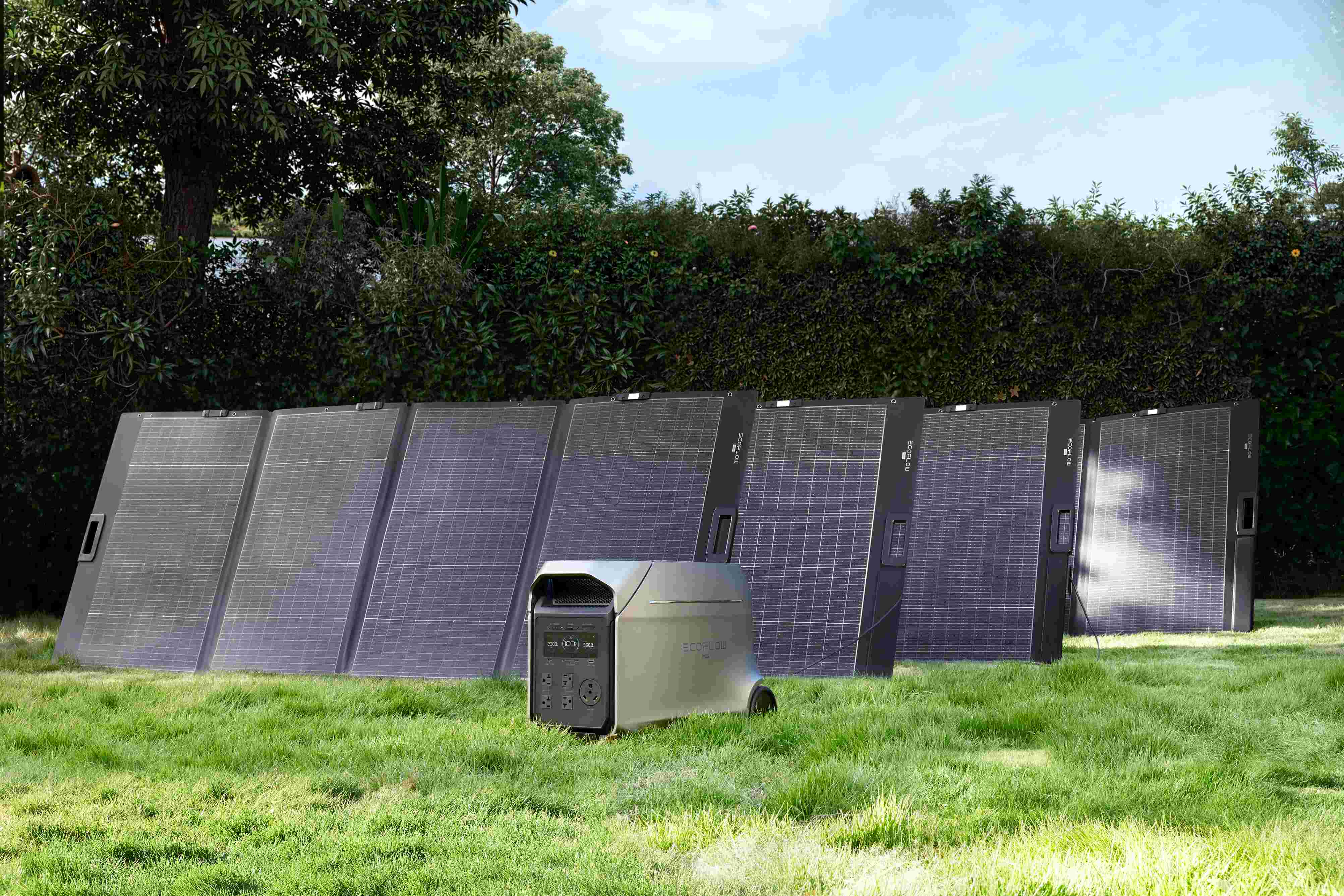
In geography, "fetch" is the distance wind travels over open water. Because Georgian Bay is so large, wind blowing from the west or southwest can build up significant waves by the time they reach the eastern shore. Even a seemingly calm morning can turn into a day of high waves by noon. It is recommended to monitor marine forecasts issued by Environment and Climate Change Canada, as they provide wind, wave, and weather conditions specific to large water bodies like Georgian Bay. Land-based forecasts may not reflect offshore conditions accurately. For remote island sites, the EcoFlow DELTA 3 Ultra Plus (3072Wh) with 400W Solar Panel offers reliable energy for navigation tools and communication devices, even during multi-day excursions.
As a general safety reference, paddling becomes significantly more challenging when sustained winds exceed approximately 20 km/h, especially in open water or exposed channels.
Dealing with Cold Water and Hypothermia Risks
Cold-water immersion in Georgian Bay can lead to rapid heat loss. Safety guidance from organizations such as the Canadian Red Cross highlights that hypothermia risk increases significantly in water below 10°C, even during summer months. Wearing a Transport Canada–approved PFD (Personal Flotation Device) with proper fit and secure straps is strongly recommended for all paddling activities, regardless of swimming ability. If you are paddling, it is generally safer to stay close to the shoreline of the islands rather than crossing large stretches of open water.
Navigation Challenges Among the Islands
The Thirty Thousand Islands can be a confusing maze. Many islands look identical, and the channels can be narrow and rocky. For any boat or georgian bay kayak trips, carrying a physical nautical chart and a reliable GPS is necessary. Hidden shoals are common, and hitting one can easily damage a motor or a kayak hull. Slowing down in unfamiliar areas is a wise practice.
Embarking on Georgian Bay Kayak Trips
Paddling is one of the most rewarding ways to experience the region. Georgian bay kayak trips allow you to access quiet channels and remote islands that larger motorboats cannot reach.
Essential Gear for Wilderness Paddling
A sea kayak (usually 16 feet or longer) is the preferred vessel for the bay because it handles waves more effectively than a standard recreational kayak. Mandatory safety gear includes a pump or bailer, a throw rope, a whistle, and a spare paddle. Given the rocky nature of the shoreline, neoprene booties are also highly recommended for getting in and out of the boat without injuring your feet.
Route Planning: Sheltered Channels vs. Open Water
When planning your route, it is often better to stick to the "inside" channels between the islands. These areas are more sheltered from the wind and offer calmer water. Paddling on the "outside" (the side facing the open bay) should only be attempted by experienced paddlers during very calm conditions. Areas like the French River Delta or Philip Edward Island are world-class destinations but require advanced navigation skills.
Packing Logic for Kayak Camping
In a kayak, weight must be distributed evenly to maintain stability. Use several small dry bags rather than one large one, as they are easier to fit into the narrow hatches. Prioritize lightweight, calorie-dense food and a high-quality water filter. Because you are often camping on granite, a free-standing tent (one that doesn't require stakes to stay upright) is often the most practical choice, as you can use rocks to secure it instead.
Packing Tips for First-Time Georgian Bay Campers
Packing for georgian bay camping is different from packing for a forest in Southern Ontario. You must prepare for high sun exposure, wind, and the lack of shade on rocky outcrops.
Footwear for Rugged Granite Terrain
The rocks around the bay can be extremely sharp and slippery when wet. Standard flip-flops or smooth-soled sneakers are generally not sufficient for moving around the campsite or hiking. It is advisable to wear sturdy shoes or boots with a high-traction sole (like Vibram). If you plan on swimming, "water shoes" are a great addition to protect your feet from jagged rocks under the water.
Sun and Insect Protection in Reflected Light
The granite rocks and the water act like a mirror, reflecting UV rays back up at you. This means you can get sunburned even under a hat or in a partially shaded area. High-SPF sunscreen and UV-rated clothing are essential. While the wind often keeps mosquitoes away on the outer islands, "stable flies" can be a nuisance near the shoreline. These flies bite ankles and are not easily deterred by standard bug spray, so wearing light socks can provide relief.
Food Storage and Wildlife Management
Black bears are present throughout the region, including on Beausoleil Island. It is important to practice "bear-safe" camping. All food, trash, and scented items (like toothpaste) should be stored in the bear-proof lockers provided at most sites. If lockers are not available, you must use a bear-resistant canister or perform a proper "bear hang" at least 4 metres off the ground and 2 metres away from the tree trunk.
Weather and Seasonal Considerations
The best time for camping georgian bay ontario depends on your tolerance for bugs and your desire for warm swimming water.
July and August offer the warmest water and the longest days, making them the most popular months. However, they are also the busiest. September is widely considered the best month by locals. The crowds have thinned, the biting insects are mostly gone, and the water is still warm enough for swimming. Note that autumn can bring stronger winds, so paddlers should be even more cautious during this time.
Thunderstorms can roll across the bay with very little warning. These storms are often accompanied by strong gusts of wind and heavy rain. When you are on an island, you are more exposed. It is a good practice to ensure your tent is properly guyed out even on a calm day. If you are on the water and hear thunder, the best course of action is to head to the nearest land immediately and wait for the storm to pass.
Power Your Rugged Georgian Bay Island Adventure
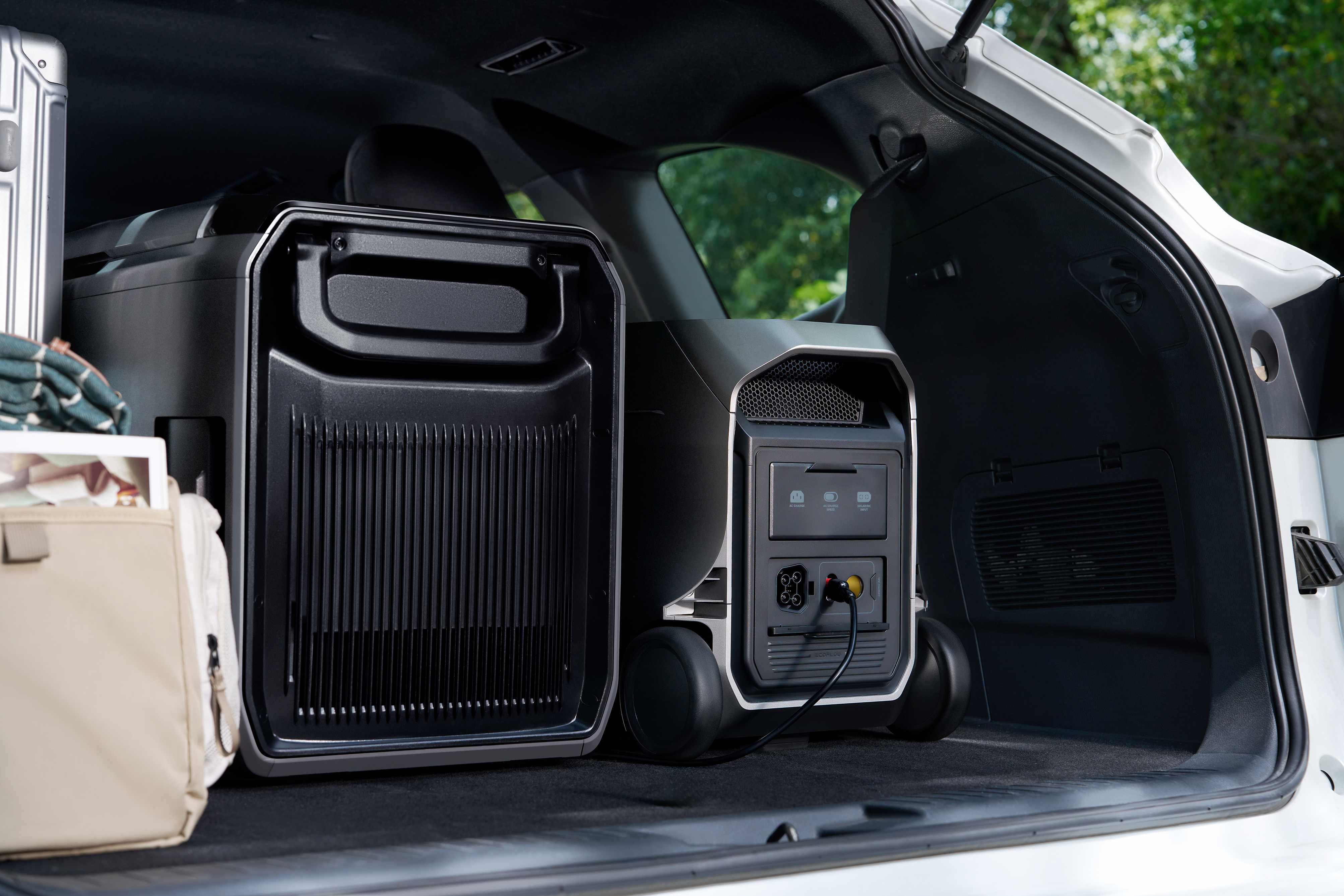
Camping on Georgian Bay is a quintessential Canadian experience that rewards preparation with breathtaking views and crystal-clear waters. By respecting the power of the wind, choosing the right island or coastal site, and packing for the rugged terrain, first-timers can enjoy a safe and memorable trip. Power your rugged island adventures with the EcoFlow DELTA 3 Ultra Plus. Its fast charging and high output provide a durable, quiet energy solution for off-grid camping. Experience reliable power today. Whether you are paddling the channels or hiking the escarpment, the bay’s natural beauty is sure to leave a lasting impression.
.JPEG)
FAQs
Q1. Is the Water in Georgian Bay Safe to Drink?
Generally, no. While the water looks clear, it can contain bacteria or parasites like Giardia. It is always recommended to use a water filter, purification tablets, or to boil the water for at least one minute before drinking.
Q2. Are There Bears on the Georgian Bay Islands?
Yes, black bears are active throughout the Georgian Bay region, including on many of the islands. Campers should always follow bear-safe protocols by storing all food and scented items in bear-proof containers or lockers.
Q3. What is the Best Way to Get to Beausoleil Island?
The most common way is to hire a private water taxi from Honey Harbour. Some experienced paddlers kayak to the island, but this is only recommended for those with proper gear and experience, as the boat channels can be busy and the wind can create large waves.
Q4. Can I Have a Campfire on the Island?
In georgian bay islands national park camping areas, fires are only allowed in designated communal fire pits or at specific sites with established fire rings. Always check for local fire bans, which are common during the dry summer months to prevent forest fires.
Q5. Do I Need a Permit for Camping on Georgian Bay?
Yes, all Provincial and National Parks require a camping permit. If you are camping on Crown Land (unclaimed public land), you generally do not need a permit if you are a Canadian resident, but you must follow the 21-day stay limit and local regulations.
Disclaimer
This article provides general outdoor travel information for Georgian Bay camping. It does not replace official safety instructions from Parks Canada, Ontario Parks, or Environment Canada. Conditions on the water can change rapidly, and travelers should always follow official weather alerts and park regulations. In case of emergency, contact local rescue services immediately.