Cold Climate Heat Pumps: Do They Really Work in Canadian Winters?
- What Are Cold-Climate Heat Pumps and Why They Matter in Canada
- How Heat Pumps Operate in Freezing Conditions
- Efficiency, Costs, and Potential Savings Across Canada
- Proper Sizing, Calibration, and Installation
- Maintenance Steps That Improve Winter Performance
- Rebates, Incentives, and Government Programs
- How EcoFlow Supports Heat Pump Efficiency in Winter
- Frequently Asked Questions
- Are Cold-Climate Heat Pumps Worth It for Canadian Winters?
As winter tightens its grip across Canada and temperatures plunge, homeowners face a familiar challenge: keeping their homes warm without breaking the bank.
Traditional heating systems like furnaces and baseboard heaters have long been the go-to solution, but a more energy-efficient contender has been gaining attention: cold climate heat pumps. These systems are designed to perform even when the mercury dips to extremes.
Yet, as Canadians bundle up and watch the snow pile higher, one question lingers: can these modern heating solutions truly handle the harsh realities of a Canadian winter?
What Are Cold-Climate Heat Pumps and Why They Matter in Canada
Cold-climate heat pumps (CCHPs) are advanced heating and cooling systems engineered to operate efficiently in sub-zero temperatures. Unlike traditional systems that generate heat through combustion or electrical resistance, CCHPs extract heat from the outside air and transfer it indoors.
Their ability to maintain warmth without excessive energy consumption has made them an increasingly popular option for Canadians seeking to reduce both their environmental footprint and utility bills. For those exploring methods to save energy, understanding how these systems work is an important first step.
How Heat Pumps Operate in Freezing Conditions
Operating efficiently in freezing conditions is what sets cold-climate heat pumps apart from standard models. These systems use advanced compressors, enhanced refrigerants, and smart defrost cycles to maintain heat output even when temperatures drop well below zero.
In some cases, they can work in tandem with backup systems or integrate with geothermal energy efficiency to boost performance during the coldest months. By leveraging these technologies, heat pumps aim to keep homes comfortable without overburdening energy consumption.
Efficiency, Costs, and Potential Savings Across Canada
When it comes to efficiency and costs, cold-climate heat pumps can feel a little like a balancing act, but in a good way. The upfront investment is usually higher than a standard furnace, often ranging between $4,000 and $10,000 depending on the size of your home and system features, but many homeowners find that lower energy bills quickly make up the difference.
Efficiency can vary depending on your province, local electricity rates, and the severity of winter, but generally, heat pumps can noticeably reduce heating costs. Additionally, there are often rebates and incentives that make switching a bit easier on the wallet.
For Canadians who are curious about real savings, considering long-term energy bills rather than just installation costs can provide a clearer picture.
Proper Sizing, Calibration, and Installation
Even the most advanced cold-climate heat pump won’t perform at its best if it isn’t sized, calibrated, and installed correctly. Choosing the right system for your home’s square footage, insulation levels, and climate conditions is critical.
Professional installation ensures that airflow, refrigerant charge, and system settings are optimized for peak performance. Skipping these steps can lead to reduced efficiency, higher energy bills, and even premature wear on the unit.
For homeowners who are looking to maximize their system’s potential, understanding HVAC unlocking techniques can make all the difference in winter performance.
Maintenance Steps That Improve Winter Performance
Regular maintenance is key to keeping a cold-climate heat pump running throughout the Canadian winter. Simple steps like cleaning or replacing filters, clearing snow and ice from outdoor units, checking for leaks, and ensuring vents are unobstructed can significantly improve performance.
Scheduling professional inspections before the coldest months also helps catch small issues before they become costly problems.
Rebates, Incentives, and Government Programs
Many Canadians find that switching to a cold-climate heat pump is more affordable, thanks to rebates, incentives, and government programs. Federal and provincial initiatives often help offset installation costs and make the investment more approachable.
Some programs even encourage pairing heat pumps with backup solutions, like a whole-home generator, to ensure uninterrupted warmth during winter power outages. By taking advantage of these financial incentives, homeowners can enjoy lower energy bills and reduce their environmental footprint.
How EcoFlow Supports Heat Pump Efficiency in Winter
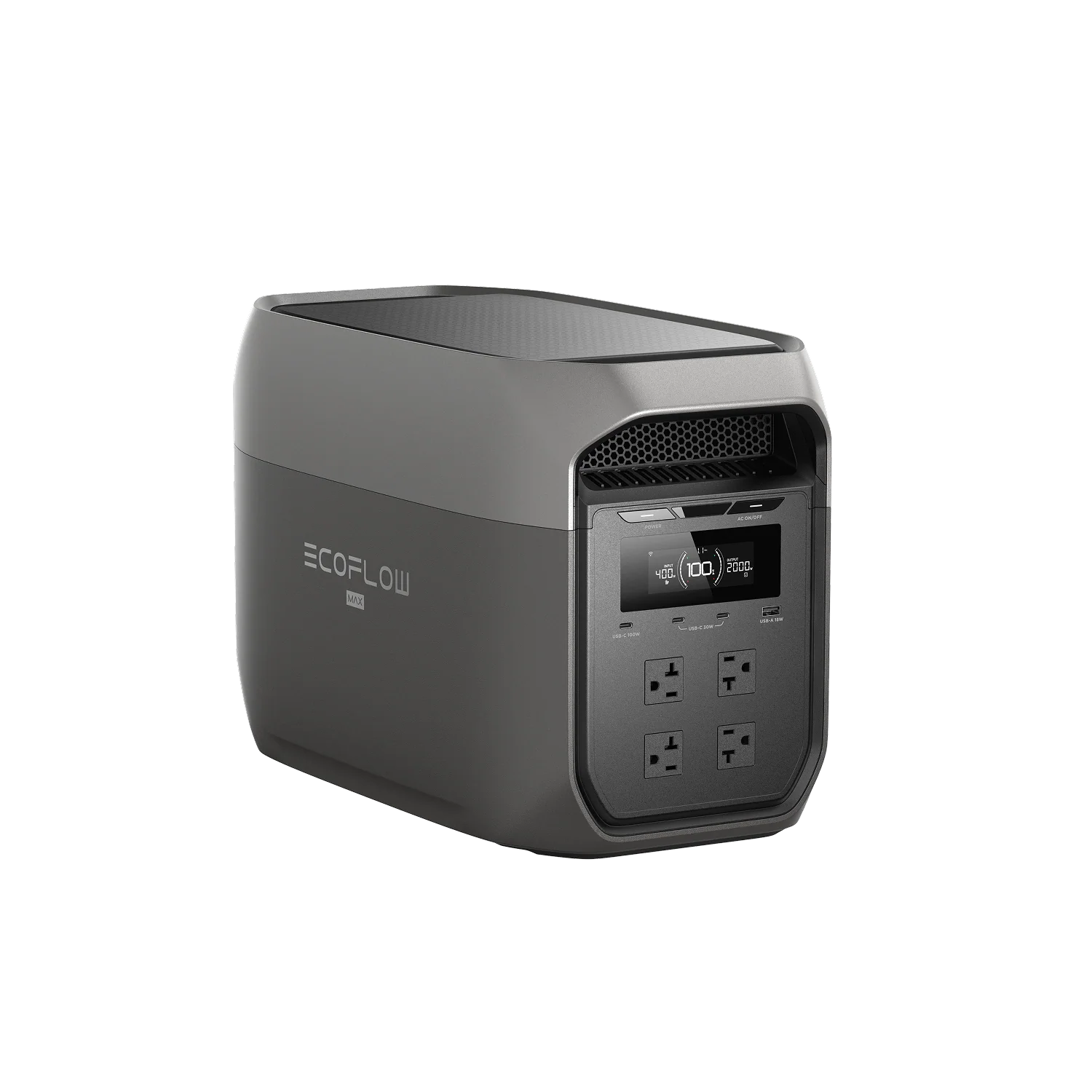
Cold-climate heat pumps can perform even better when paired with reliable backup power solutions. EcoFlow products are designed to keep homes warm and systems running during winter power fluctuations.
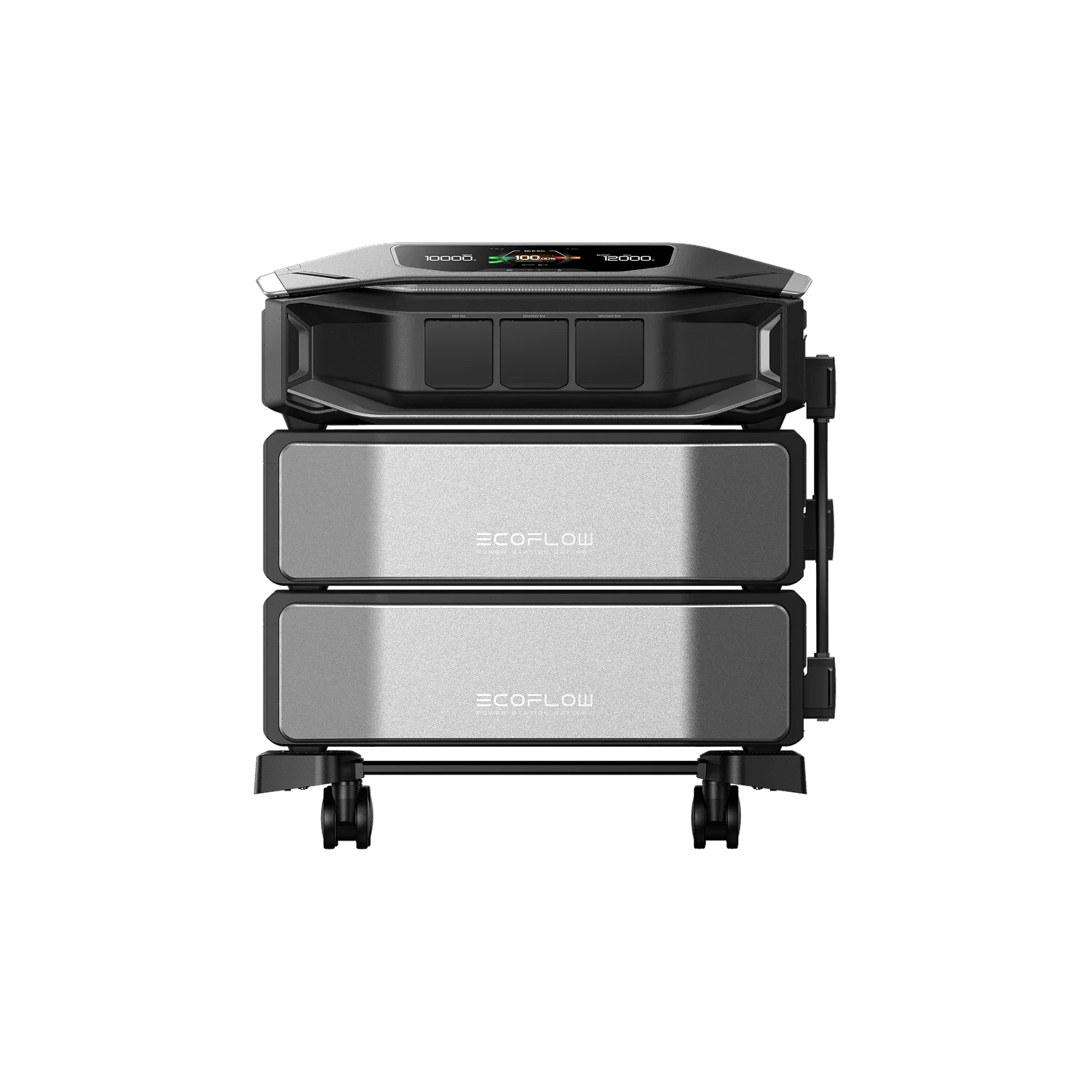
Units like the EcoFlow DELTA Pro Ultra X can support a full home, which ensures heat pumps stay operational during outages. Alternatively, the EcoFlow DELTA 3 Max series provides a portable, high-capacity option for supplemental power.
Frequently Asked Questions
Should I Turn My Heat Pump off in Extreme Cold Canada?
No, you shouldn’t. Heat pumps are designed to run in extreme cold, and turning them off can make your home colder and force your backup heater to work harder. Keep it on for efficiency and safety. In fact, running it continuously can actually protect the system from strain and ice buildup.
What Is the Coldest Temperature for a Heat Pump?
The coldest temperature at which a heat pump can operate efficiently varies by model, but most can operate down to around -15°C to -25°C (5°F to -13°F). Below that, efficiency drops, and auxiliary heating may be needed.
Is It Cheaper To Run a Heat Pump or Oil Furnace?
Running a heat pump is generally cheaper than an oil furnace because it’s more energy-efficient, though exact savings depend on local electricity and oil prices and your climate. Heat pumps move heat instead of generating it, so they use less energy overall. In colder climates, they may need a backup heater, which can slightly increase costs.
Are Cold-Climate Heat Pumps Worth It for Canadian Winters?
Cold-climate heat pumps offer an energy-efficient way to stay warm during Canadian winters by extracting heat from the outside air, even in sub-zero temperatures. While upfront costs are higher than traditional systems, lower energy bills, government rebates, and proper installation make them a cost-effective choice. Regular maintenance ensures peak performance, and pairing a heat pump with reliable backup power enhances winter resilience. The EcoFlow DELTA Pro Ultra X keeps your home heated during outages and supports uninterrupted comfort throughout the coldest months.