What the Canadian Gas Tax Suspension Means If You're Thinking of Buying an EV
- What Is Canada’s Gas Tax Suspension?
- How Much Will Drivers Actually Save on Gas?
- Does the Gas Tax Suspension Change EV Savings?
- How Do EV Fuel Costs Compare to Gas Vehicles?
- What Long-Term Costs Should Car Buyers Consider?
- Why Are More Canadians Still Considering EVs?
- Can Home Charging and Energy Storage Reduce EV Costs?
- Frequently Asked Questions
- Short-Term Gas Savings Do Not Change the Long-Term Economics of EV Ownership
Canada's gas tax suspension puts a few cents back per litre at the pump, but it doesn't really change the picture if you're thinking about going electric. EVs are still cheaper to charge than to fill with gas, cost less to maintain, and it just takes a little longer to break even when fuel prices dip.
If you're considering an EV, cheaper gas is worth knowing about, but it's not a reason to change your plans. Here’s what you need to know.
What Is Canada’s Gas Tax Suspension?
Canada’s gas tax suspension is a temporary government measure that reduces or removes certain federal taxes applied to gasoline prices. The goal is to ease the cost burden on drivers by lowering what they pay at the pump during periods of high fuel prices or broader inflationary pressure.
By cutting or pausing these taxes, the policy aims to make everyday transportation more affordable in the short term.
However, because fuel taxes also help fund infrastructure and climate-related programs, the suspension can have wider economic and policy implications beyond just cheaper gas.
How Much Will Drivers Actually Save on Gas?
The actual savings from Canada’s gas tax suspension depend on how much you drive, the fuel efficiency of your vehicle, and how long the suspension remains in place.
In most cases, the reduction translates to only a few cents per litre at the pump, which can add up modestly over time but is unlikely to dramatically change monthly driving costs for the average commuter.
For example, a driver filling a 50-litre tank might save only a few dollars per fill-up. Over the course of a year, that could amount to tens or, for high-mileage drivers, a few hundred dollars in total savings.
Does the Gas Tax Suspension Change EV Savings?
The gas tax suspension can slightly reduce the daily cost advantage of driving an EV, but it doesn’t meaningfully change the long-term savings picture. Even with lower fuel prices, EVs typically remain cheaper to run due to lower energy and maintenance costs.
What shifts most is the payback timeline. Cheaper gas can make it take a bit longer for fuel savings to offset an EV’s higher upfront cost. Still, electricity prices, driving habits, and incentives continue to have a bigger impact overall.
Home charging is still a major factor in EV savings. A first-level 2 EV charger improves efficiency and convenience, and programs such as the federal EV tax credit for home EV charging can help reduce installation costs.
How Do EV Fuel Costs Compare to Gas Vehicles?
Even with temporary relief from Canada’s gas tax suspension, EVs typically remain cheaper to “fuel” than gasoline-powered vehicles. Charging an EV at home often costs significantly less per kilometre than filling a tank with gas.
Gas vehicles still face more volatile fuel prices, and even small increases at the pump can quickly outweigh short-term tax savings.
EV owners, on the other hand, benefit from more predictable energy costs, which makes long-term budgeting easier.
While the exact difference depends on vehicle efficiency, driving habits, and local electricity rates, EVs generally maintain a clear cost advantage over time.
What Long-Term Costs Should Car Buyers Consider?
Looking beyond fuel prices, long-term ownership costs can shift the balance between EVs and gas vehicles in important ways.
Maintenance is often lower for EVs because they have fewer moving parts, no oil changes, and reduced brake wear thanks to regenerative braking. Gas vehicles, by contrast, tend to require more frequent servicing over time.
Insurance, tire replacement, and potential battery replacement are also factors to weigh for EVs, while fuel price volatility remains a key long-term cost variable for gas cars. Even temporary policies like gas tax suspensions don’t eliminate that uncertainty.
Home energy setup can also influence long-term planning. Some EV owners consider adding a whole-home generator to maintain charging capability during outages.
Why Are More Canadians Still Considering EVs?
Lower long-term running costs and more stable electricity pricing make EVs appealing compared to fluctuating gasoline expenses.
Improved range, expanding charging networks, and reduced maintenance needs also continue to strengthen the case for electric vehicles. Environmental concerns remain another major factor for many buyers.
At the same time, more households are looking at whole-home backup power solutions to improve energy resilience, which aligns well with the growing shift toward electric transportation.
Can Home Charging and Energy Storage Reduce EV Costs?
Home charging is one of the most effective ways to lower EV ownership costs, since it’s usually cheaper than public fast charging and can take advantage of off-peak electricity rates.
Choosing the right setup matters as well. An EV charger wattage guide helps homeowners match charging speed to their electrical capacity for safe, efficient performance without overbuilding their system.
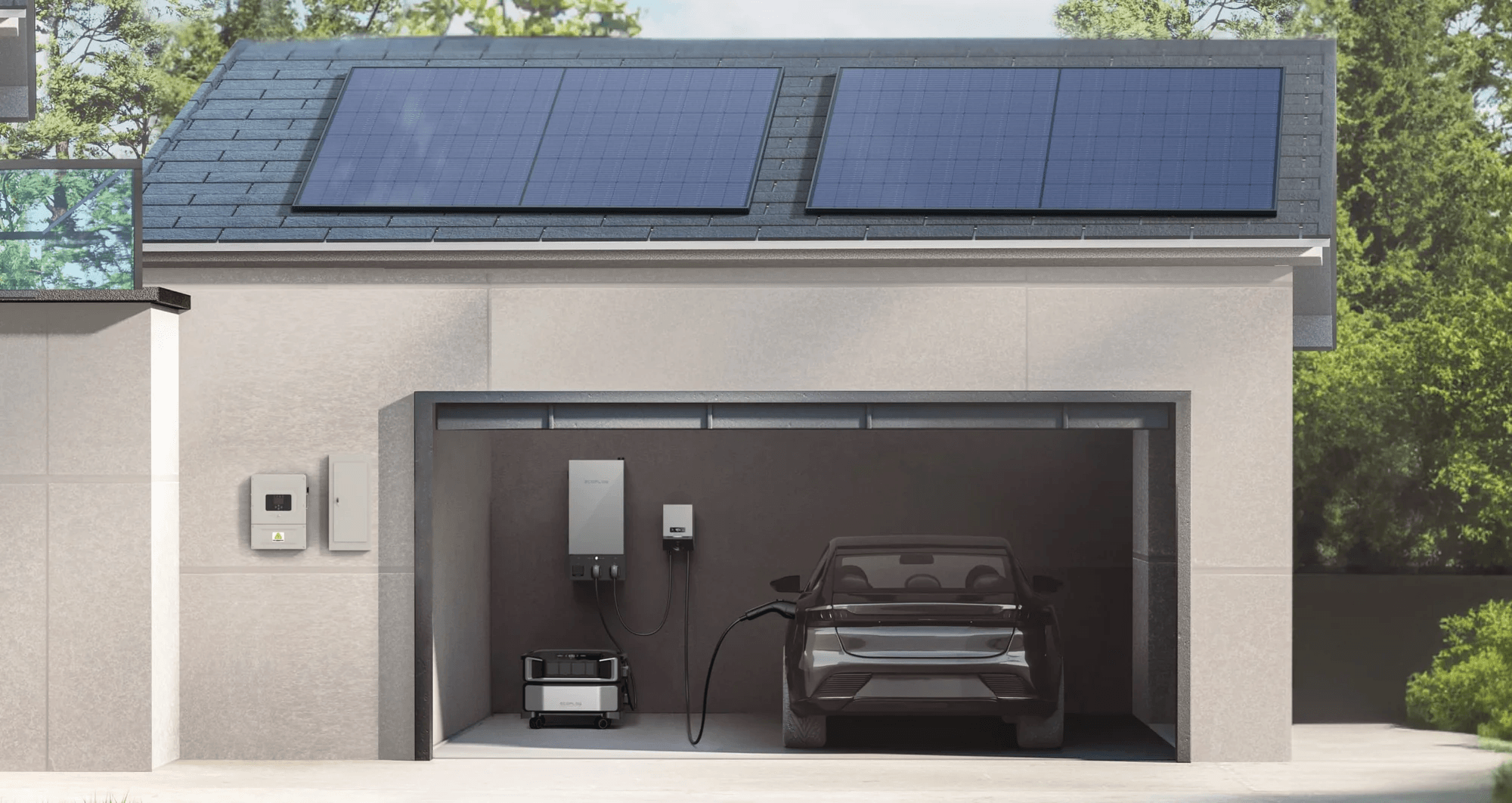
Energy storage can add another layer of savings by shifting electricity use to cheaper periods. Systems like the EcoFlow PowerPulse EV Charger (9.6kW) combine charging and energy management to help reduce overall electricity costs over time.

Frequently Asked Questions
Are EVs Still Cheaper to Operate Than Gas Cars?
In most cases, yes. Even when gas prices temporarily drop due to policies like tax suspensions, EVs generally remain cheaper to operate over time. Electricity costs per kilometre are usually lower and more stable than gasoline, and EVs also require less routine maintenance.
Do Lower Gas Prices Reduce EV Demand?
Lower gas prices can slow EV demand in the short term by reducing the immediate fuel savings advantage. But they rarely change the overall trend. Buyers still consider long-term operating costs, environmental benefits, and incentives, all of which continue to support steady EV adoption even when fuel prices fluctuate.
Short-Term Gas Savings Do Not Change the Long-Term Economics of EV Ownership
Cheaper gas right now doesn't change the bigger picture: EVs still cost less to run over time, and you'll spend less on maintenance too.
If you're ready to make the switch, the EcoFlow DELTA Pro Ultra + EcoFlow PowerPulse EV Charger (9.6kW) lets you charge at home and keep the lights on during an outage (two problems solved with one setup).