Solar Power for RV in Canada: Complete Off-Grid Power Guide for Campers
RV travel in Canada follows a distinct pace and set of conditions. Long highways, quiet campgrounds, and remote lakes make off-grid camping especially appealing. Across regions such as the Rockies and Ontario’s lake areas, boondocking in Canada offers increased flexibility. However, off-grid camping is much more practical when you have reliable access to power. A well-designed solar setup is often the best place to start for travelers looking for a quieter and more independent energy solution. This guide explains how RV solar systems work, how to manage power in Canadian weather conditions, how to estimate your daily energy needs, and how to move toward full off-grid living.
How Does a Complete Solar System Power Your RV?
An RV solar system works by capturing, regulating, storing, and converting solar energy into usable power. Proper system configuration ensures a continuous power supply during RV camping trips. The energy flow from solar panels to RV appliances is as follows.
Capture Daytime Sunlight via Roof Panels
Solar panels act as the primary collectors. They contain photovoltaic cells that capture sunlight and instantly convert it into Direct Current (DC) electricity. On a clear Canadian morning, a properly positioned roof array can capture sunlight throughout the day as conditions change. An RV solar system generates power whenever sunlight is available, whether parked or driving.
Regulate Charging Current to Prevent Overheating
Solar output fluctuates constantly throughout the day, especially when clouds roll in. Because this unstable electricity cannot be routed directly to sensitive storage cells, a solar charge controller regulates the incoming voltage and current to prevent overcharging and maximize battery health.
Store Power in Battery Bank for Night Use
Once regulated by the charge controller, the electricity moves straight to your battery bank for long-term energy storage. This stored DC power remains available on demand, allowing you to run your lights, water pump, and other 12V gear long after sunset. Good quality lithium batteries let you store enough energy to get through dark, rainy nights without any trouble.
Convert Battery Power for Standard Outlets
Most standard household appliances—including microwaves, laptop chargers, and coffee makers—run on Alternating Current (AC). Since batteries only store DC power, an inverter is integrated to convert 12V or 48V DC power into standard 120V AC electricity. When you plug in appliances such as a blender or hair dryer, the inverter supplies AC power similar to shore power.
Why Do RV Campers in Canada Still Run Out of Power?
While the basics are simple, Canadian environmental factors frequently cause standard RV solar setups to fall short. Even with advanced off-grid solar power systems, understanding the key factors that affect performance in northern climates is essential to prevent unexpected power failures while boondocking.
Cold Weather Drains Battery Capacity Faster
Cold weather significantly reduces battery performance in RV systems. In regions such as Jasper or the Yukon, nighttime temperatures can drop sharply, even during summer months. Low temperatures slow down the electrochemical reactions inside both lead-acid batteries and inadequately insulated lithium batteries, reducing usable capacity. As a result, a battery bank that performs well in warm climates like Arizona may provide insufficient energy for heating and essential loads in colder Canadian conditions.
High-Wattage Appliances Consume Excess Energy
Simultaneously running heavy-load appliances, such as a residential refrigerator, electric blanket, coffee pot, and induction cooktop, can drain power surprisingly quickly. Without a high-output solar generator, these high-demand devices will deplete a standard RV battery bank within a few hours.
Overcast Skies Slow Down Charging Efficiency
Heavy tree canopies and unpredictable, overcast weather can noticeably slow down solar charging. On cloudy days, many RVers simply never get back to a full charge before sunset.
What Equipment Solves These RV Power Shortages?
For most Canadian RVers, the difficult part isn’t a sunny afternoon. It’s keeping lights and heat going on a cold-rainy night. Park at a remote site without shore power, and poorly matched components can quickly create power management problems. Integrated solar systems address these issues.
Install Traditional Rigid Solar Roof Arrays
To deal with low light conditions, you need to pack as much roof space as possible with high-efficiency rigid solar panels. These tough panels handle highway wind and shed snow during spring and fall. They give you a steady baseline of power every day, so your system starts charging the moment the sun comes up.
Upgrade to Smart Heavy-Load Inverters
Running demanding appliances requires an inverter that can handle multiple high-load devices starting at the same time. New smart inverters come with strong surge capacity. You can run heavy-duty gear like microwaves and space heaters at the same time without blowing a fuse or frying sensitive electronics like laptops.
Deploy High-Capacity Solar Battery Bundles
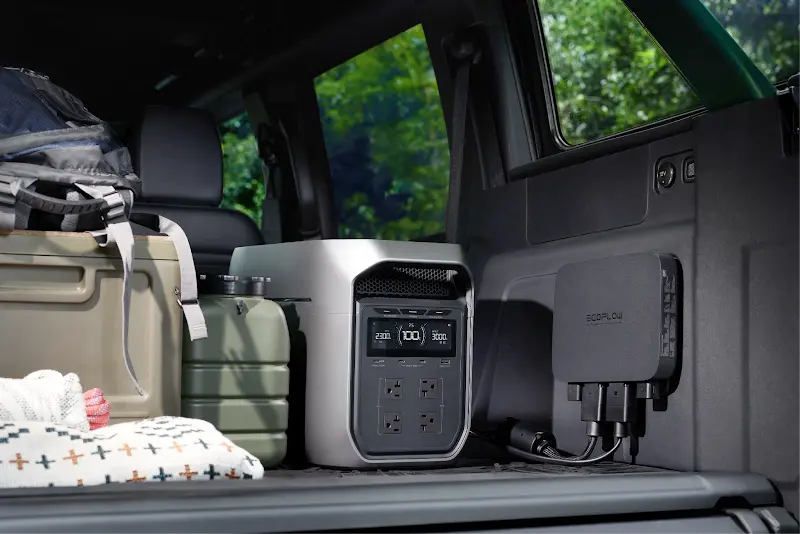
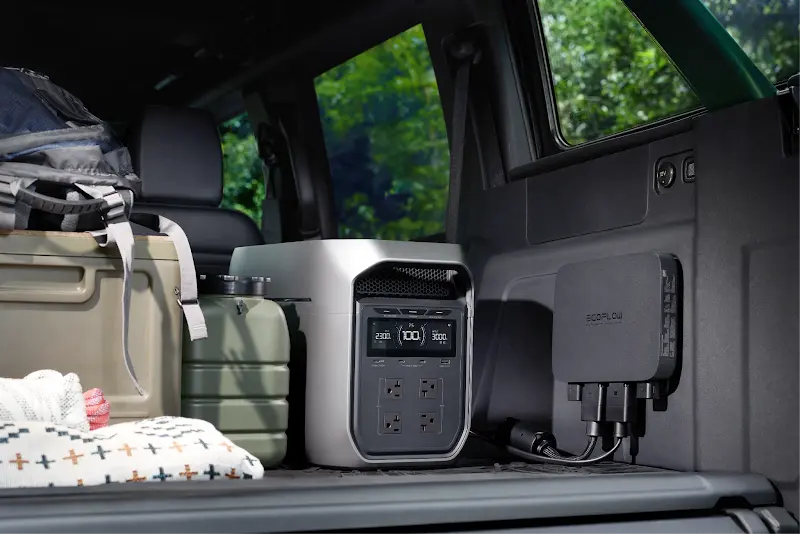
Instead of dealing with the headache of piecing together separate batteries, controllers, and wires, choosing an all-in-one ecosystem saves time and eliminates compatibility issues. The EcoFlow DELTA Pro 3 + 400W Solar Panel bundle is an example of an integrated system. Designed for extended off-grid camping trips, this integrated setup can support common daily RV power needs for several days—such as keeping your fridge running and your living space illuminated during periods of cloudy or inconsistent weather.
Integrate Fast Alternator Charging Power Stations
Many iconic Canadian road trips involve long hours of driving through winding mountain passes or moving between remote provincial parks. On days when heavy forest canopies block the sun or a storm rolls in, your vehicle’s engine can become a useful backup charging source.
By integrating your system with your rig’s alternator, you can turn driving time into additional charging time. Utilizing a setup like the EcoFlow DELTA 3 Max Plus (2048Wh) + 800W Alternator Charger allows you to rapidly top off your power station while navigating to your next destination. This approach helps maintain battery charge levels during long driving days and reduces reliance on generator charging when solar conditions are poor.
How Do You Allocate Solar Power for Daily RV Needs?
Once you have a solid power setup, managing your daily energy just becomes routine. Know how to use your stored power, and you can live comfortably without constantly watching your battery gauge.This section explains how solar energy powers everyday RV living.
Run Vehicle Air Conditioners During Heatwaves
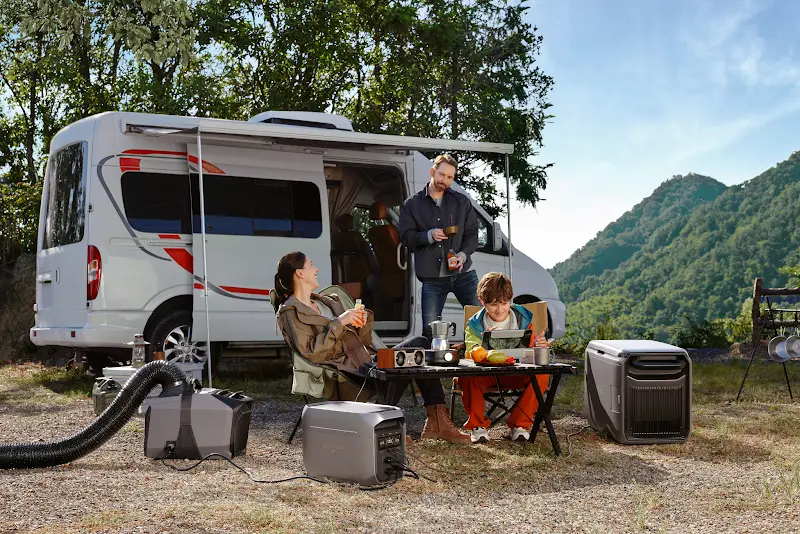
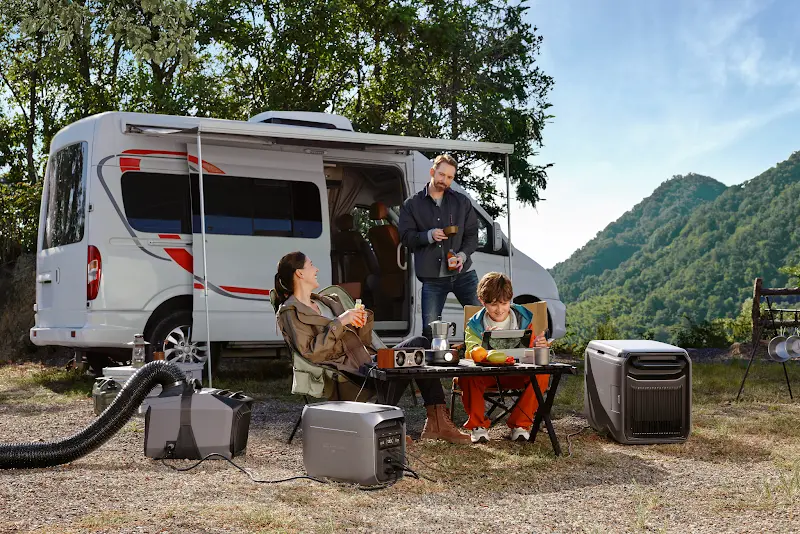
Summer in parts of Canada can get surprisingly hot and sticky. Air conditioning is often necessary for comfortable sleep. With a high-capacity solar and battery system, an RV air conditioner can operate during heatwaves without relying on a noisy generator. This can help maintain indoor temperature during operation.
Power Kitchen Appliances Without Shore Hookups
A properly designed solar system makes daily routines more convenient, including preparing morning coffee at remote campsites without shore power. A reliable solar configuration easily powers high-wattage kitchen appliances, including induction cooktops, blenders, and espresso machines, entirely off the grid.
Charge Laptops and Drones for Remote Work
Remote work can be conducted from an RV with stable power and internet access. Clean, stable inverter power keeps your laptops, cameras, Starlink dishes, and drones fully charged. You can join Zoom calls and edit video from deep in the woods, making remote work much more practical while traveling.
How Can You Achieve Total Off-Grid RV Freedom?
Long-term off-grid camping requires both the right equipment and good energy management habits. Combining high-performance hardware with proper planning allows you to extend your time off-grid without frequent reliance on shore power or generators. Here are some best practices for improving energy independence.
Calculate Total Daily Wattage Before Trips
Before departure, calculate your power requirements. List every device you plan to use. Multiply its wattage by how many hours it will run. The formula is as follows:
P × t = E
Where:
P is the device power measured in watts (W),
t is the operating time in hours (h),
E is the total energy consumed in watt-hours (Wh).
For example: a 60W laptop running for 5 hours uses 300 Wh. Add up all your appliances, and that gives you your baseline daily consumption.
Knowing this total helps prevent underestimating your energy needs and supports selecting the appropriate power station size. Always add a 20% safety margin for bad weather or extra gear.
Monitor Live Power Input via Mobile Apps
Modern smart power systems remove the guesswork from energy management by connecting directly to your smartphone. A dedicated app lets you monitor real-time solar input and appliance consumption in watts. This live data helps you make informed decisions, such as when to run high-power devices like a microwave or vacuum cleaner.
Position Portable Panels for Maximum Exposure
Fixed rooftop panels work great while you are driving. But ground based portable panels give you more flexibility. If the RV is parked under shade, you can simply run an extension cable and put your portable panels in a sunny spot. Angle them toward the sun as it moves, and you can boost your charging efficiency by up to 30%.
Minimize Noisy Gas Generator Usage Entirely
A high-efficiency solar setup minimizes reliance on gas generators. This helps you comply with strict generator runtime restrictions enforced across many national and provincial parks, while ensuring silent, emissions-free operation that avoids disturbing neighboring campers.
Conclusion
Switching to a full solar power system is a major upgrade you can make for RV adventures in Canada. Learn how energy flows, get ready for the unique weather challenges up here, and use advanced gear like the DELTA Pro 3 or the DELTA 3 Max Plus with alternator charging. With the right setup and realistic energy planning, longer off-grid trips become far more manageable in Canadian conditions.
FAQ
How Much Solar Power Do You Need to Run an RV?
Most standard RV setups require between 400W and 800W of solar power to comfortably run everyday electronics and appliances off-grid. If you plan on running heavy-load items like an air conditioner or residential refrigerator continuously, you may need to expand your system to 1200W or more alongside a high-capacity battery bank.
Will a 400W Solar Panel Run a Fridge?
Yes, a 400W solar panel setup produces enough daily energy over the course of a sunny day to power a standard 12V or energy-efficient residential RV refrigerator. However, you will need a reliable battery bank connected to the system to keep the refrigerator running continuously through the night when the panel isn’t producing power.
How Long Will a 100Ah Battery Run a 12V Refrigerator?
A standard 100Ah lithium battery can run an efficient 12V RV refrigerator for roughly 30 to 50 hours before needing a recharge. This duration varies slightly depending on ambient temperatures, how often the fridge door is opened, and the specific insulation rating of your appliance.
At What Cold Temperature Do Solar Panels Stop Working?
Solar panels do not stop working due to cold temperatures; in fact, they actually perform more efficiently in cold, crisp weather than in extreme heat. The real issue in freezing temperatures is accumulation of snow blocking the sunlight, or your batteries refusing to accept a charge if they drop below freezing.
Can You Run AC All Day with Solar Panels?
You can run an RV air conditioner all day with solar panels, but it usually requires a more advanced off-grid system typically exceeding 1500W of solar capacity and a large lithium battery bank. Most off-grid campers prefer to use their solar systems to run the AC strategically during the hottest peak hours of the day rather than running it 24/7.