What is the Best Way to Power Christmas Lights?
Winter in Canada brings long nights and chilly temperatures, creating the perfect backdrop for a festive home transformation. Illuminating a property with sparkling Christmas lights turns a dark evening into a warm celebration. Choosing the correct power source remains the most critical step in designing a display that endures the harsh climate. Reliable energy connections guarantee that the decorations shine brightly through snow, sleet, and freezing winds without interruption.
The Many Ways that You Can Power Christmas lights
Homeowners possess numerous options for energizing a holiday display. The ideal choice depends on the specific location of the decorations, the availability of grid power, and the type of Christmas light strands selected.
Existing Exterior Outlets
The most common method involves connecting strings directly to exterior receptacles. Modern Canadian homes typically feature outdoor Ground Fault Circuit Interrupters (GFCIs) located on porches or near decks. These outlets monitor the flow of electricity and cut the power if a fault occurs, preventing shocks. Users simply plug the strands into these protected sockets. For homes with convenient outlet placement, the solution offers consistent power without the need for additional equipment.
Socket Adapters
Properties lacking ground-level outlets often feature porch lanterns or floodlights. A light socket adapter provides a clever workaround for such situations. The device screws into a standard light bulb socket and converts the fixture into a two-prong or three-prong outlet. The method functions well for powering a few strands of lights on Christmas near an entryway. Decorators must remember to keep the light switch turned on to supply power. While cords dangling from a fixture might look unsightly, careful cable management can hide the wiring along the siding.
Extension Cords from Indoors
Running power from inside the house remains a frequent practice for older homes. A heavy-duty extension cord bridges the gap between an indoor socket and the yard. The primary challenge involves routing the cable through the building envelope. Passing cords through a cracked window or under a garage door allows drafts to enter and risks damaging the wire insulation. Specialized pass-through devices or flat cables exist to mitigate the issue, allowing a window to close more tightly around the wire.
Battery-Operated Solutions
Small displays located far from the house benefit from battery power. Christmas lights outdoor powered by AA, C, or D cells eliminate the need for trailing wires across the lawn. LED technology allows these strands to run for weeks on a single set of batteries. However, Canadian winters present a challenge for battery chemistry. Alkaline batteries perform poorly in freezing temperatures, losing capacity and voltage rapidly. Lithium batteries offer superior cold-weather resistance, maintaining performance even when the thermometer drops significantly.
Solar Power
Harnessing the sun appeals to energy-conscious decorators. Solar outdoor Christmas lights feature a small photovoltaic panel that charges an internal battery during the day. The lights activate automatically at dusk. While operating at zero cost, solar units face difficulties in northern latitudes. Short winter days and low sun angles reduce the available charging time. Snow accumulation on the panel can block light entirely. Only high-quality solar sets with oversized panels and efficient batteries provide a reliable option for the Canadian winter climate.
Inverters and Marine Batteries
A DIY approach involves constructing a power system using a 12V deep-cycle marine battery and a DC-to-AC inverter. The battery stores a large amount of energy, and the inverter converts that DC power into standard 120V AC, compatible with regular plugs. Such a setup can run a significant number of lights for many hours. The heavy weight of lead-acid batteries and the requirement for a waterproof enclosure make the option cumbersome for the average user, yet it offers total independence from the grid.
How to Power Outdoor Christmas Lights?
Successfully energizing a display involves more than simply plugging strands into a wall. Planning the layout, managing cables, and protecting connections defines the success of the project.
Planning the Layout and Load
Before hanging a single strand, mapping the circuits prevents overloads. Most household circuits support 15 amps. Following the 80% safety rule, users should load a circuit to a maximum of 12 amps (1440 watts). Adding up the wattage of every strand determines the total load. LED strands consume very little power, often less than 10 watts per string, allowing dozens to connect end-to-end. Incandescent bulbs consume significantly more, limiting the run to just a few strands.
Selecting the Right Extension Cord
Not all extension cords perform equally. For outdoor use, the cord must carry an "outdoor" rating, usually designated by a "W" in the wire code (e.g., SJTW). The gauge of the wire also matters significantly. A lower gauge number indicates a thicker wire capable of carrying more current over longer distances.
| Cord Gauge (AWG) | Recommended Use | Max Amps | Max Distance |
| 16 Gauge | Light loads (LED strings) | 13 Amps | 50 Feet |
| 14 Gauge | Medium loads (Incandescent) | 15 Amps | 100 Feet |
| 12 Gauge | Heavy loads / Long runs | 15-20 Amps | 100+ Feet |
Voltage drop occurs when electricity travels through a long wire. Resistance causes the voltage to decrease, resulting in dim lights at the end of the line. Using a thick gauge cord helps maintain brightness across the entire display.
Managing Cords Across Pathways
Running cords across sidewalks or driveways creates tripping hazards and risks damage to the cable.
Expansion Joints: If a concrete path features expansion joints, tucking the cord into the gap works well. A bit of foam backer rod wedges the cord in place without using permanent adhesives.
Cord Covers: Rubber cord covers or "cable ramps" protect the wire and provide a gentle slope for pedestrians.
Overhead Routing: Arching the cord over a walkway using a trellis or temporary PVC arch keeps the path clear and adds to the decoration.
Weatherproofing Connections
Every connection point between cords represents a potential point of failure. Water entering a plug causes short circuits and trips the GFCI.
Gasketed Covers: Plastic "clamshell" covers snap over the connection, sealing the union with rubber gaskets.
DIY Boxes: A plastic food container with notches cut for the wires makes a decent waterproof box. Placing the connections on a brick inside the box keeps the plugs elevated above any water that might leak in.
Elevation: Never let connections sit on the ground where puddles form. Propping plugs up on a stone or staking the connection into the ground prevents water ingress.
Can You Use a Portable Power Station for Christmas Lights?
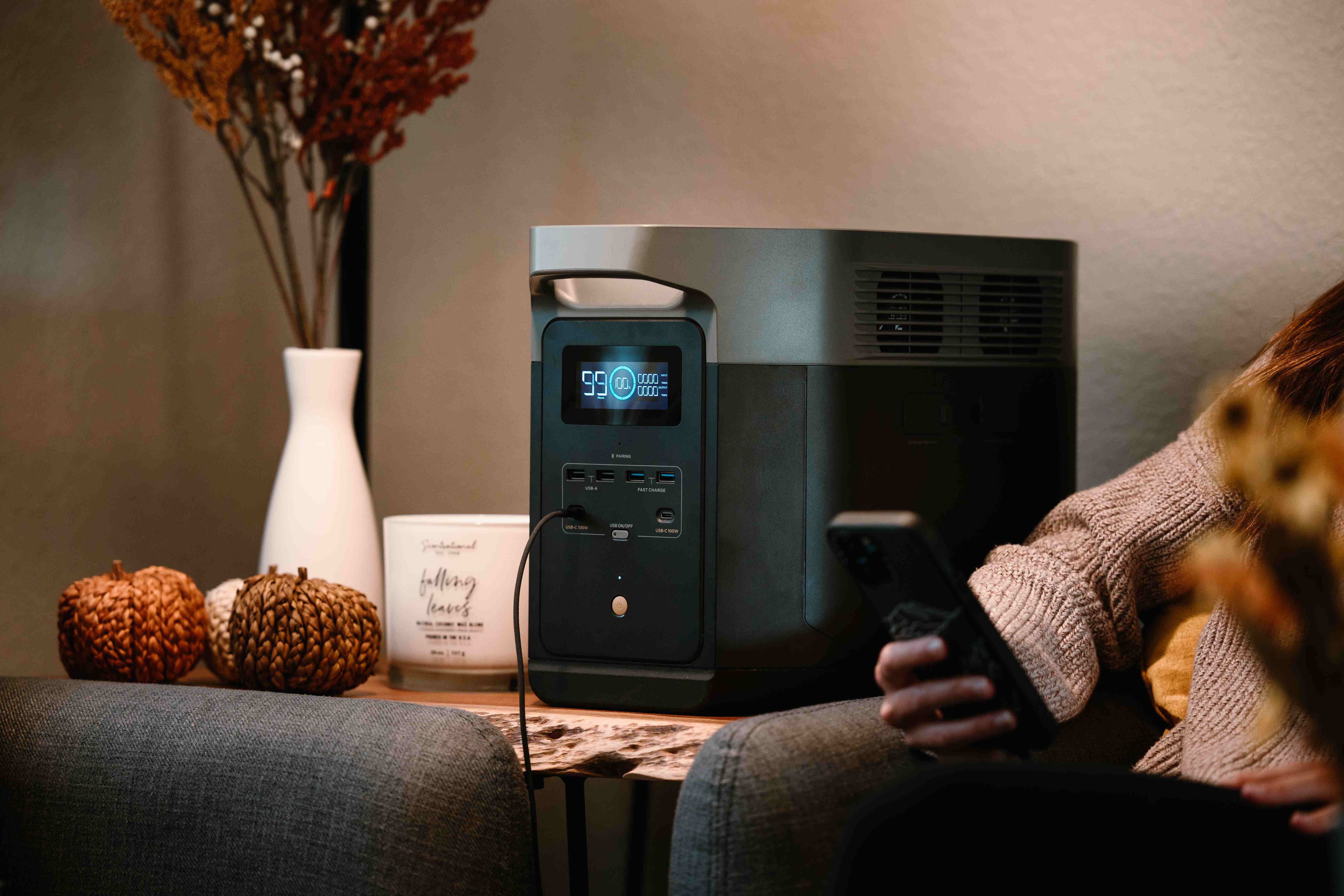
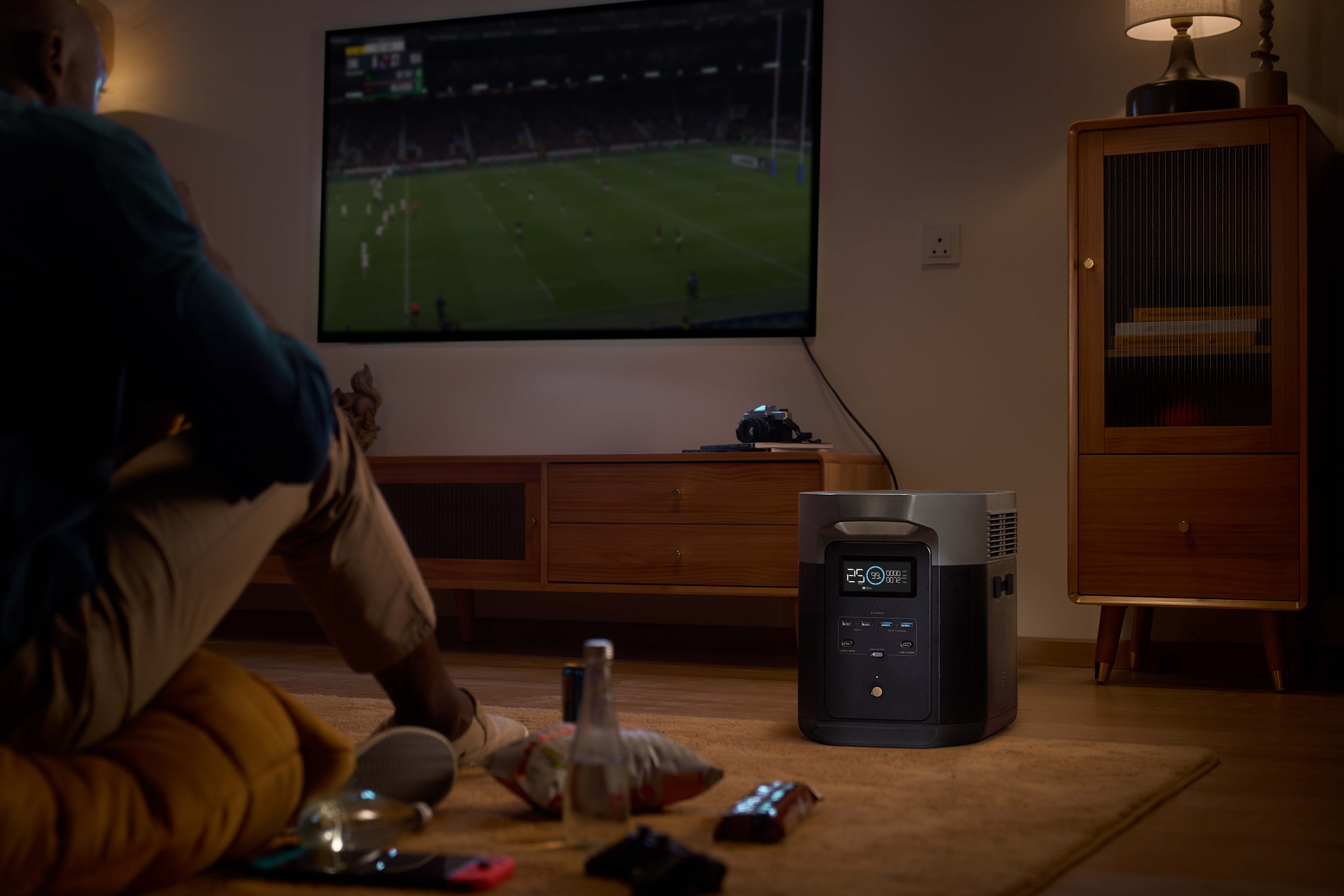
A portable power station serves as an excellent solution for powering Christmas lights in areas where grid power remains inaccessible or inconvenient. These units function like large rechargeable batteries with standard wall outlets built into the chassis. They operate silently, emit no exhaust, and withstand outdoor conditions better than a tangle of extension cords running from the house.
Using a power station eliminates the need for burying cables or navigating sidewalks. One simply places the unit near the display, plugs the lights in, and enjoys the show. The capacity of the station determines the runtime. A unit with a larger watt-hour (Wh) rating powers a display for a longer duration. For LED lights, a mid-sized station can often power a substantial display for several evenings on a single charge.
The Recommended Solution: EcoFlow Delta 2
For the specific task of powering a robust holiday display in a Canadian winter, the EcoFlow Delta 2 is your best choice:
Capacity and Runtime: The unit features a 1024Wh capacity. A typical outdoor LED setup might consume around 50 to 100 watts. At a 50-watt load, the Delta 2 runs the lights for approximately 16 to 20 hours. The runtime covers three to four evenings of 5-hour displays before needing a recharge.
LFP Battery Chemistry: The Delta 2 utilizes LiFePO4 (Lithium Iron Phosphate) battery cells. These cells endure over 3000 charge cycles, meaning the unit will last for many years. More importantly, LFP chemistry tends to be more stable and safer than traditional lithium-ion.
Cold Weather Performance: Batteries struggle in the cold, but the Delta 2 is built to handle discharge in temperatures as low as -10°C (14°F). While users must bring the unit inside to charge it (as charging lithium below freezing damages the cells), the device can sit outside powering the lights during the chilly evening hours.
Expandability: If a display grows larger in future years, the Delta 2 allows for the connection of an extra battery, doubling the capacity without requiring the purchase of a whole new system.
Remote Control: The EcoFlow app connects to the unit via Wi-Fi or Bluetooth. Users can turn the AC outlets on or off from the comfort of a warm living room, effectively using the station as a smart timer for the lights.
How to Prevent Christmas Lights from Tripping the Circuit Breaker
Few things dampen holiday spirits faster than a dark house and a tripped breaker. Circuit interruptions usually stem from two causes: circuit overload or ground faults.
Preventing these issues requires careful planning and regular maintenance:
Calculate the Total Load: Never exceed 80% of the circuit's capacity. For a standard 15-amp circuit, keep the total load under 1440 watts. Check the tag on every string of lights on christmas to find the wattage. Add these numbers together. If the total approaches the limit, split the display across two different circuits from the breaker panel.
Inspect Wires for Damage: Before hanging any strands, inspect every inch for cracked insulation, bare wires, or loose sockets. A single exposed wire touching a metal gutter or wet ground causes a short circuit, instantly tripping the breaker. Discard and replace damaged sets immediately.
Seal All Connections: Moisture causes Ground Fault Circuit Interrupters (GFCIs) to trip even without a full overload. Water conducts electricity, creating a leakage path to the ground. Use watertight covers for all plug connections. A dab of dielectric grease on the prongs before plugging cords together adds a hydrophobic barrier that repels moisture.
Elevate Plugs: Gravity helps prevent water ingress. Mount connections vertically so water runs away from the plug interface. Never allow plugs to lie in snow or on wet grass. Use stakes or zip ties to keep connections suspended in the air.
Avoid "Daisy-Chaining" Too Many Strands: Plugging too many strings end-to-end creates excessive resistance and heat in the wires near the plug. Follow the manufacturer's limit, which typically allows connecting a maximum of 3 incandescent strings or up to 20-30 LED strings.
Use a Dedicated Circuit: Kitchens and bathrooms often share circuits with outdoor outlets. If a microwave or hair dryer runs while the lights are on, the breaker might pop. Running a dedicated line for holiday lighting or using a portable power station solves the problem of shared loads.
Other Safety Tips When Handling Christmas Lights Indoor and Outdoor
Safety extends beyond electrical issues. Installing and maintaining a display involves physical risks that require attention to detail.
Ladder Safety: Falls from ladders constitute a major cause of holiday injuries. Set the ladder on firm, level ground. Follow the 4-to-1 rule: for every 4 feet of height, place the base of the ladder 1 foot away from the wall. Maintain three points of contact (two hands and a foot, or two feet and a hand) while climbing.
Use Proper Clips: Never use staples, nails, or tacks to secure cords. Metal fasteners can pierce the insulation, causing shock hazards or fire. Plastic clips designed for gutters and shingles hold the lights securely without damaging the wire or the home's exterior.
Check for Certification: Only use lights bearing the mark of a recognized certification agency, such as CSA (Canadian Standards Association) or cUL. These marks indicate the product has passed rigorous safety testing for the Canadian market. Uncertified cheap imports may lack proper insulation or fusing.
Indoor vs. Outdoor Ratings: Never use indoor-rated lights outside. Indoor lights lack the weatherproofing required to withstand snow, rain, and UV rays. Outdoor lights function safely inside, but indoor lights outside create a severe safety hazard.
Turn Lights Off: Turn off the display when leaving the house or going to sleep. A timer automates the task, saving electricity and reducing the risk of overheating while no one watches.
Tree Safety: For indoor trees, keep the stand filled with water. Dry needles catch fire easily. Keep the tree away from heat sources like fireplaces, radiators, and candles. Inspect indoor strings for broken bulbs that might expose a hot filament to the branches.
Final Thoughts
Creating a magical holiday atmosphere requires balancing creativity with safety. Whether plugging into a porch outlet or utilizing a modern solution like the EcoFlow Delta 2, the correct power source ensures the display shines brightly. Proper planning, weatherproofing, and adherence to safety standards allow homeowners to enjoy the festive glow of Christmas lights without worry.