Best Portable Solar Panels in Canada 2026: Buyer's Guide, Efficiency Tips, and Top Picks
Electricity, while off-grid, has become a necessity. GPS devices, weather station radios, portable power stations, and communication devices all need power. Portable solar panels enable anyone to easily power or recharge while the sun is out. With so many sizes, weights, styles, and designs, there’s something for everyone’s off-grid trip.
Keep reading to learn more about the top four solar panels in Canada this year, when to use them, and how to optimize power output.
EcoFlow’s Top Portable Solar Panels in Canada for 2026
Best for Portability: EcoFlow 110W Portable Solar Panel
Best for Power Output: EcoFlow 400W Portable Solar Panel
Best for Balance: EcoFlow NextGen 220W Bifacial Portable Solar Panel
Best for RV Mounting: EcoFlow 175W Rigid Solar Panel
Best for Portability: The EcoFlow 110W Portable Solar Panel
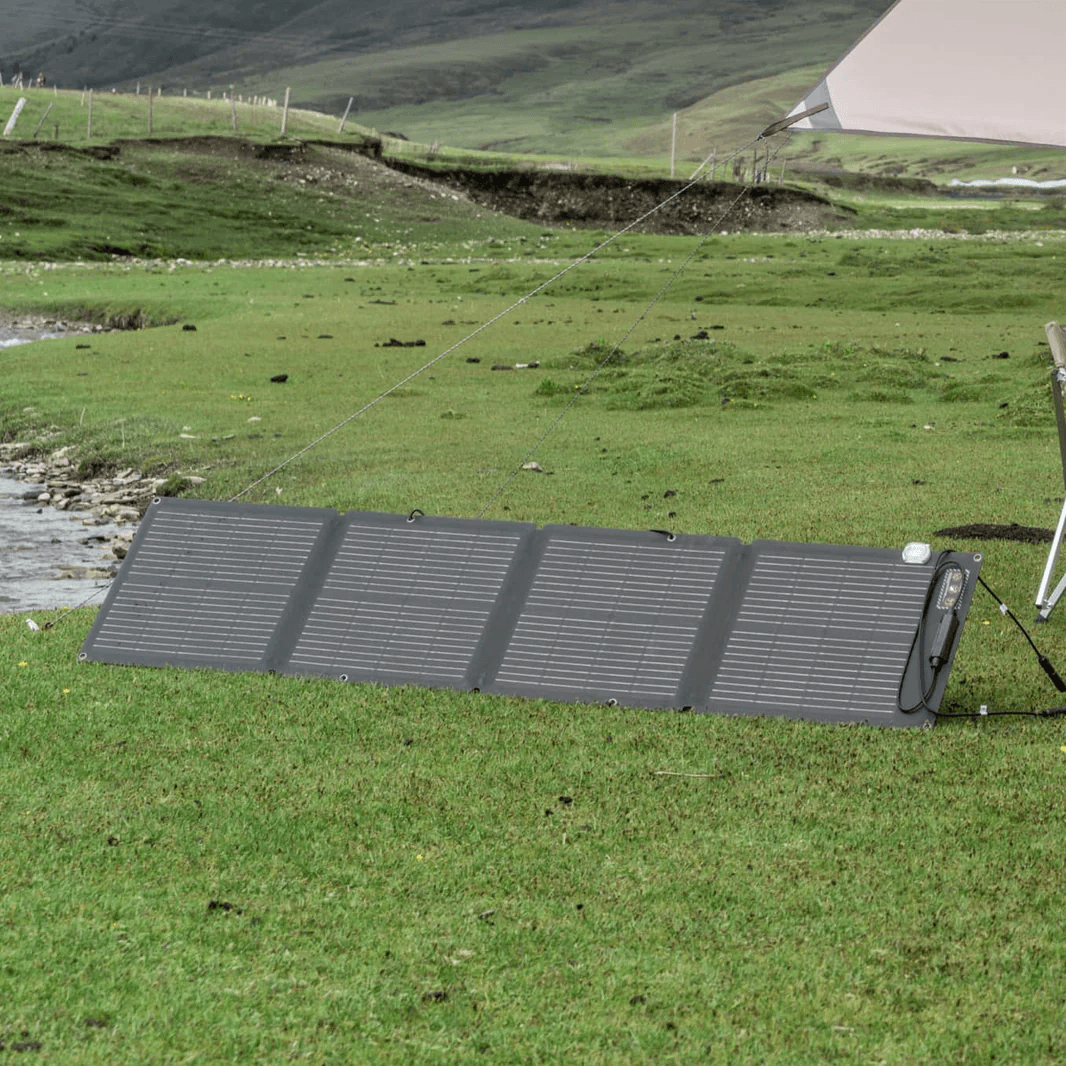
For campers, hikers, and outdoor enthusiasts who value portability above all else, the EcoFlow 110W Portable Solar Panel offers a lightweight and compact way to generate solar energy off-grid. This model weighs only 8.8 lb (4 kg), making it the lightest of all four options. It's also the most affordable of the four, as solar panel costs generally scale with wattage.
Its foldable design makes transportation and setup simple, but with 110W rated power, there’s enough to power small electronics like laptops, phones, and small power stations.
Best for Power Output: The EcoFlow 400W Portable Solar Panel
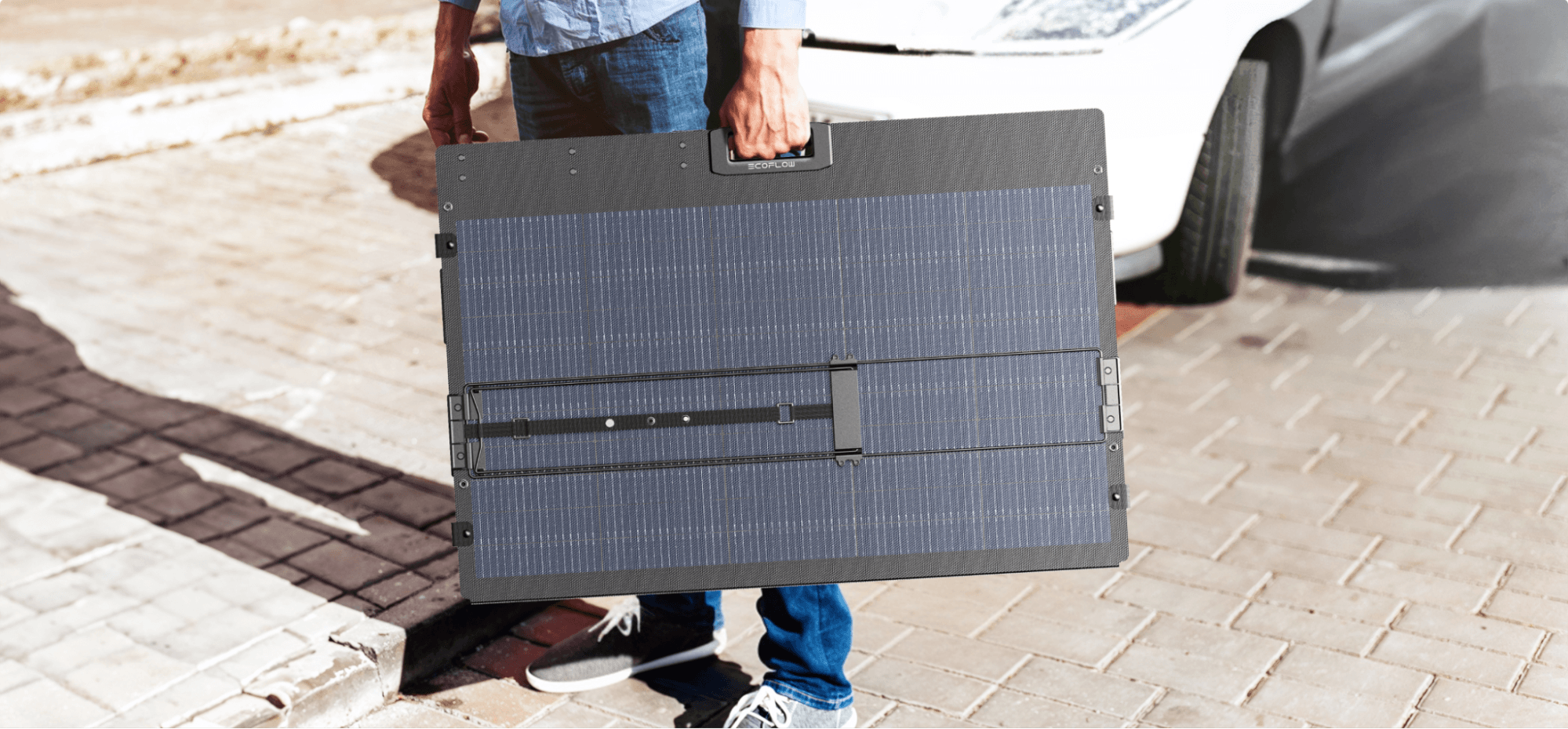
When maximum solar production is the priority, the EcoFlow 400W Portable Solar Panel provides the highest output of all four options. This panel suits homeowners, RV users, and off-grid regulars who need to charge large power stations quickly.
The high wattage can significantly reduce charging times during outages and support larger energy demands than smaller panels. Larger and heavier than the other models at 35.3 lbs (16.0 kg), it's best suited to home backup and emergency preparedness, and for extended off-grid use.
Best for Balance: The EcoFlow NextGen 220W Bifacial Portable Solar Panel
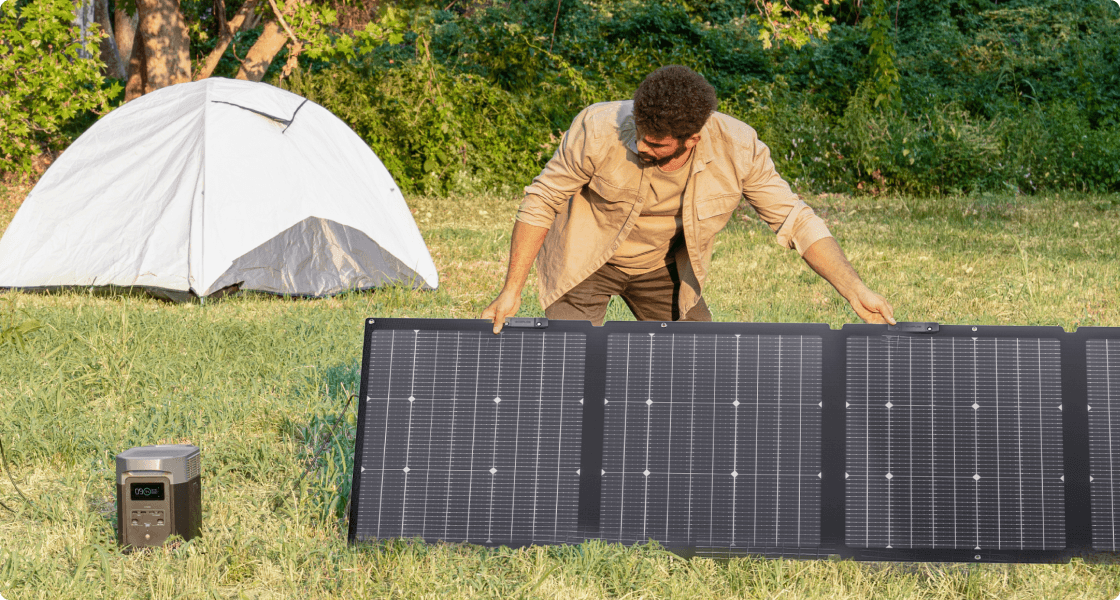
The EcoFlow NextGen 220W Bifacial Portable Solar Panel strikes a strong balance between power output and portability. The bifacial design captures sunlight from both the front and rear surfaces for increased energy production. This design style is best when favourable sunlight conditions are short-lived, while off-grid from cloudy skies, storms, or short winter days.
With 220W of power output, this panel model can charge power stations quickly while still being lightweight at just 15.4 lb (7.0 kg).
Best for RV Mounting: The EcoFlow 175W Rigid Solar Panel
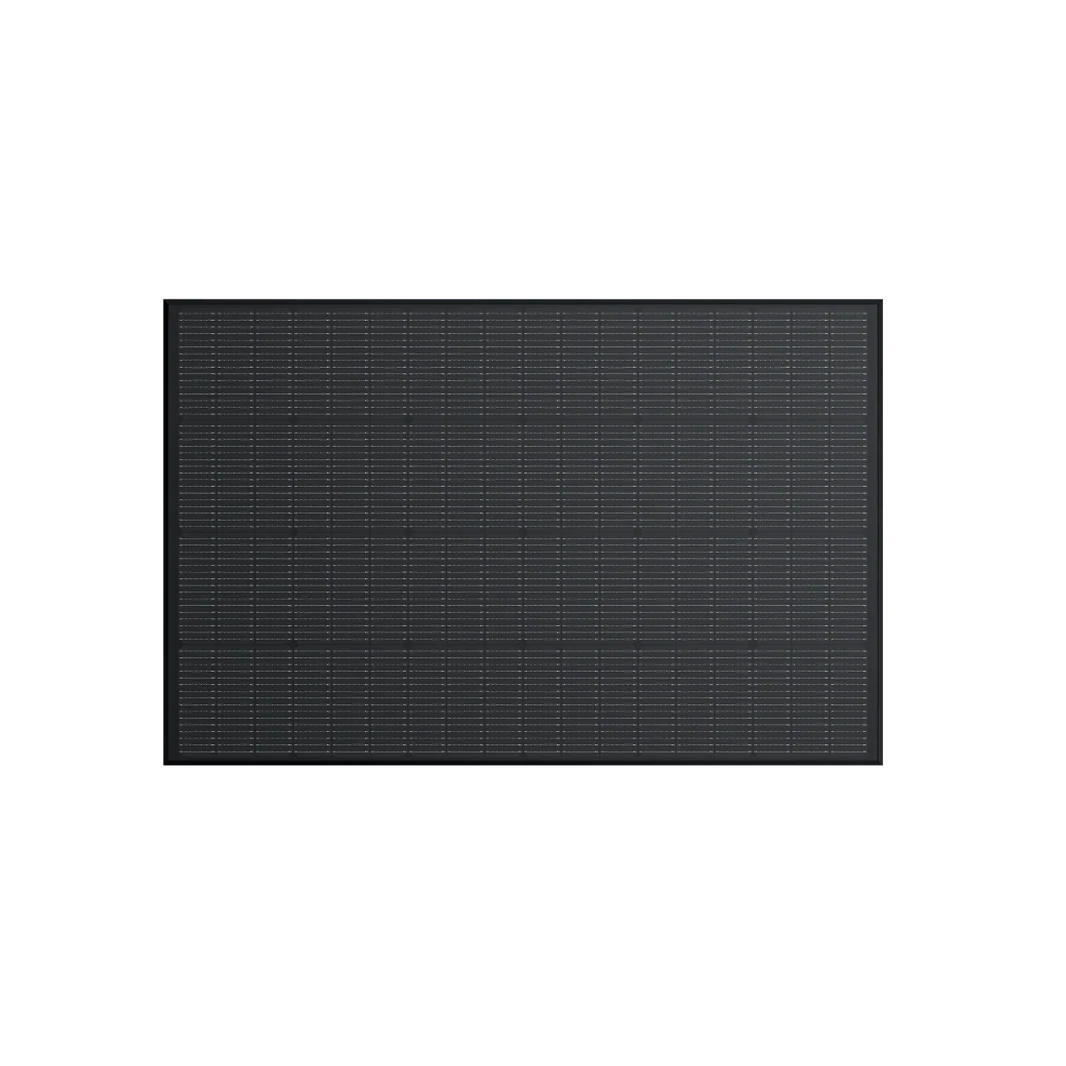
For RV owners and van lifers who want a permanent power solution, the EcoFlow 175W Rigid Solar Panel is built to mount directly to a roof and generate consistent solar power on the move. Its rigid aluminum frame and tempered glass construction make it more durable than foldable alternatives, and its low-profile design sits flush against the surface it's mounted on.
At 20.5 lb (9.3 kg), it's heavier than the foldable options, but the trade-off is a sturdier, weather-resistant panel that can steadily charge a power station throughout the day, making it a reliable option for extended van life or RV trips without needing to stop and set up.
What Should You Look for When Buying a Portable Solar Panel?
Daily Power Needs: Before looking at panel specifications, you need to know your daily power needs. You don’t want to get a panel that is too small and unable to charge your items. A panel too big will weigh down your pack unnecessarily.
Size and Weight: Of course, for portable panels, size and weight dictate how portable they are. Look for foldable panels that are easy to set up, don't add too much weight to your pack, and fold to save space. The EcoFlow 175W Rigid Solar Panel is best for mounting to a van.
Power Output: The power rating is how much power the panels can generate at a given time. If you have many high-demand items like air conditioners or large power stations, power output is most important. It determines how quickly electronics will charge.
Warranty: The product warranty covers defects, while the performance warranty guarantees output efficiency. Check how long the solar PV panel warranty is and what it covers. This is especially important for portable panels that will be frequently moved across different terrains.
How Do You Get the Most Out of a Portable Solar Panel?
The best-performing solar panel depends less on the panel itself and more on how and where you use it. Timing, placement, and setup greatly impact energy output.
Position towards the sun: Angle the panel to face the sun as directly as possible. When the panel is angled away from the sun, output drops significantly. Adjust the tilt as the sun moves.
Avoid shade: No part of the panel should be covered by shade if it can be avoided. Be aware of trees, tents, vehicles, and other gear that can cast shadows throughout the day.
Use peak sunlight hours: Solar production peaks when the sun is highest in the sky, typically between late morning and mid-afternoon. Plan your charging sessions around this window for the best energy output.
Keep panels clean: Just like shade will hinder output, dust, dirt, and debris can as well. Clean the panels regularly for best performance and to avoid permanent damage.
Match panels to the right power station: Check that your power station and panel are compatible. High-wattage panels perform best with large power stations, and low-wattage panels with smaller power stations.
Frequently Asked Questions
How Do Portable Solar Panels Perform in Canadian Climates?
Their output depends heavily on seasonal sunlight conditions. Canada's longer spring and summer days mean more sunlight hours and stronger solar exposure. This makes spring and summer the most productive time of year for portable panels. Performance falls in the autumn and winter. But with proper placement, they can still generate usable energy year-round. Cloud cover and storms can also reduce sunlight exposure.
Are Portable Solar Panels Worth It in Canada's Climate?
Yes. Portable solar panels are ideal for camping, RV travel, and emergency preparedness. They provide electricity while away from a traditional power outlet. Solar generation depends on the season. Canadian users typically pair panels with portable power stations or battery storage to store excess energy during optimal conditions.
Gain Independence, Savings, and Resilience With Portable Solar
With all the beautiful landscapes across the country, Canadians are well-positioned to take advantage of portable solar, and you don't have to give up electricity to enjoy them. Whether you're heading off-grid for a weekend or preparing for an extended outage, there's a panel built for your situation.
Browse EcoFlow's full solar panel range to find the right fit for your needs. And if you're thinking beyond portable use and want a system that keeps your whole home running when the grid goes down, explore EcoFlow's whole-home backup power solutions.