Best Family Road Trips in 2026 for Canadian Families: From National Parks to Coastal Highways
- Disclaimer
- The Benefits of Driving Vacations for Families in Canada
- Picking the Best Family Road Trip Destinations
- Best Family Road Trip Types in Canada
- Top Picks for Best Family Road Trip Destinations in 2026
- How to Plan a Successful Road Trip for Your Whole Family
- Mistakes to Avoid When You Hit the Road
- Making Memories on Your Best Family Road Trip Destinations
- FAQs
Disclaimer
Travel costs, road conditions, fuel prices, campground availability, and weather conditions may vary by province, season, and travel style. Always check official provincial tourism websites and Parks Canada safety updates before departure.
Driving makes family vacations simple and stress-free. It saves money on flights and lets you travel at your own pace. You get to decide when to stop, stretch, or take a detour. Canada offers incredible sights, from the rocky western peaks to the eastern ocean roads. Because these destinations sit far apart, a little planning goes a long way. This guide helps you pick a great path and prepare for a fun trip with your kids.
The Benefits of Driving Vacations for Families in Canada
The main reason parents choose a trip on the road is the ability to move at their own pace. If a toddler needs a nap or a teenager wants to see a specific landmark, you can just pull over. You don't have to worry about missing a flight or a train. This lack of stress makes the whole experience better for everyone.
Driving is also much cheaper for a large group. Once you pay for gas, you can fit the whole family in one car. This saves thousands of dollars on airfare.
Plus, you can pack your own food and gear, which cuts down on daily costs.
Many families now prefer to spend their time in nature rather than in crowded cities. Canada's parks offer a low-cost way to see mountains, forests, and beaches.
These trips are also great for learning. Kids get to see different animals like bears or elk in their natural homes. They learn about how different parts of the country look and feel. It is a hands-on way to teach them about geography and history without them even realizing they are learning.
Picking the Best Family Road Trip Destinations
Choosing where to go depends on how much time you have and how old your children are. Use these tips to find a place that everyone will enjoy visiting.
Consider Travel Distance and Driving Time
How long can your kids sit still? If you only have a few days, look for spots within 2 to 4 hours of your house. These short breaks are perfect for a weekend away. If you have a full week, you can drive 5 to 8 hours to reach a different province. For those with two weeks or more, you can drive across several provinces to see the national parks.
Match Destinations to Kids' Ages
Little kids, like toddlers, do best in cities with parks or zoos. They need frequent breaks and places to run around.
School-age children usually enjoy national parks where they can swim or go on short hikes.
Teenagers often want more excitement. They might enjoy things like mountain biking, long hikes, or water sports.
Choosing a spot that fits their energy level prevents boredom.
Seasonal Considerations in Canada
Most people travel between May and September. The weather is warm, and all the park gates are open. July and August are the busiest months. During this time, the sun stays up late, giving you more time to see things.
However, hotels and campgrounds cost more, and the roads have more traffic. If you go in late May or September, things are quieter and cheaper, though it might be a bit cooler.
Best Family Road Trip Types in Canada
There are several types of routes you can take, depending on what your family likes to do. From mountains to ocean views, Canada offers many unique settings.
National Park Adventures
The mountain parks in the west are very popular. Banff and Jasper offer some of the most famous views. You can also visit Yoho or Glacier parks nearby. These areas are great for seeing wildlife like mountain goats, elk, and deer. However, families should always follow official wildlife safety guidance when stopping for photos or hiking near animals. According to Parks Canada, visitors should stay at least 30 meters away from elk, deer, and moose, and 100 meters away from bears, wolves, coyotes and cougars. Families can find easy walking paths that lead to bright blue lakes or massive glaciers. It is a great way to see the tall peaks of the Rockies up close.
Coastal Highway Road Trips
If you like the ocean, look at the Pacific Coast in British Columbia or the Cabot Trail in Nova Scotia. These drives follow the edge of the water. You can stop in small fishing villages and eat fresh seafood. Many of these routes offer boat tours where you can see whales or seals. The views of the cliffs and the sea are some of the best in the country.
Lake and Cottage Country Routes
In Ontario and Quebec, the "cottage country" areas are perfect for a slower pace. The Muskoka Lakes or the Laurentians are full of quiet water and green trees. Families often rent a cabin for a week. You can spend your days swimming, paddling a boat, or roasting marshmallows by a fire. It is a very relaxing way to spend your summer break.
City + Attraction Road Trips
Some families prefer to see big sights and museums. Driving from Toronto to Niagara Falls is a classic choice. In the west, you can go from Vancouver to Victoria and then up to Whistler. In the east, the drive between Montreal and Quebec City is full of history. These routes are easy because there are many places to eat and stay along the way.
Top Picks for Best Family Road Trip Destinations in 2026
These specific spots are expected to be the most popular choices for families this year. They offer a mix of fun activities and beautiful scenery.
Banff & Jasper (Alberta Rockies)
This is a bucket-list spot for many people. The Icefields Parkway is a road that connects the two parks. It is often called one of the most beautiful drives in the world. You can stop at Lake Louise or Moraine Lake to see the water. There are many easy paths for kids to walk on, and the mountain air feels great. Just make sure to book your spot early, as this area is always busy.
Vancouver Island (British Columbia)
Vancouver Island is a great place to slow down. You can see giant trees in the rainforests or play on the sandy beaches. Tofino and Ucluelet are popular spots for watching the waves. The island has a very laid-back feel. It is also one of the best places to see eagles, bears, and whales all in one trip.
Niagara Falls (Ontario)
This is a very easy trip for people living in the city. The falls are huge and exciting for kids to see. You can take a boat ride right up to the falling water. The town nearby has many fun houses, games, and restaurants. It is a loud and busy place, but kids usually love every minute of it.
Prince Edward Island (PEI)
PEI is a very safe and calm province. The red sand beaches and warm water make it a favorite for families with young children. You can drive across the whole island easily. Many people visit the sites from the "Anne of Green Gables" books. The hills are rolling and green, and the whole place feels like a quiet playground.
Quebec City & Montreal Region
A road trip through Quebec feels like visiting Europe without leaving Canada. The old buildings and stone streets are beautiful. You can eat great food like crepes and poutine. This area lets you enjoy the city for a few days and then drive a short distance to see mountains and waterfalls.
How to Plan a Successful Road Trip for Your Whole Family
Proper planning makes the difference between a fun vacation and a stressful one. Follow these steps to make sure you have everything you need.
Managing Your Trip Expenses
Gas is a big expense when you drive long distances in Canada. For example, a family of four driving approximately 2,000 to 3,000 km during a 7-day summer trip may spend several hundred Canadian dollars on fuel depending on vehicle size, fuel efficiency, and regional gas prices. These estimates assume a midsize SUV averaging around 9–11 L/100 km during highway driving.
You also need to pay for places to sleep, like hotels or campsites.
Don't forget to include the cost of park passes and fun activities like boat tours.
Eating out can get expensive, so many families bring a cooler to save money on lunch.
Choosing the Right Places to Stay
There are many places to stay.
Campgrounds in national parks are cheap but fill up months in advance.
Many families like roadside motels because they are easy to find.
If you want more space, you can find a rental home with a kitchen. This is often better for long stays because you can cook your own meals and have more room to relax.
Packing the Right Gear for the Road
Make a list of what to bring.
A safety kit with bandages, extra water, flashlights, and weather layers is essential for Canadian road trips, especially when visiting national parks or remote highways. Parks Canada also recommends properly storing food and scented items to avoid attracting wildlife at campsites.
Bring plenty of water and healthy snacks like fruit or nuts.
To keep kids happy, bring games, books, or tablets for the long stretches of highway.
Weather in Canada can change fast, especially in the mountains. Bring layers like jackets and rain gear so you stay dry and warm.
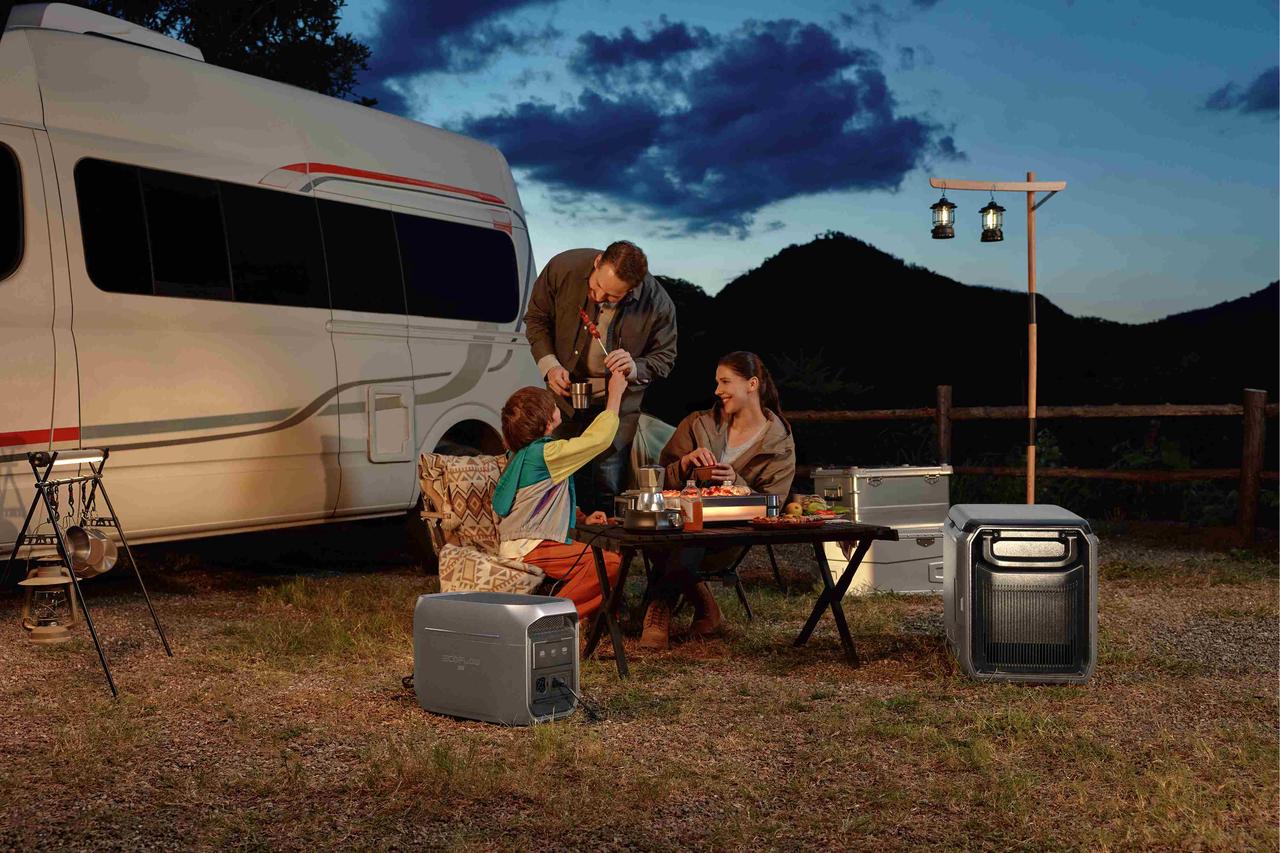
To keep devices charged and running, pack an EcoFlow Delta 3 Max Plus and 500W panel. Its massive 3000W output handles heavy-duty appliances like car fridges or coffee makers easily. Plus, with 2-10kWh expandable capacity, you can enjoy a reliable power supply throughout your remote national park camping adventures.
Mistakes to Avoid When You Hit the Road
If you try to do too much, even the best plans can go wrong. Avoid making these usual mistakes on your trip to make it go smoothly:
Overpacking the itinerary: Trying to see too many things in one day makes kids cranky. Pick one or two main stops so everyone can relax.
Ignoring long driving distances: Canada is massive. A short line on a map can take hours due to summer traffic or road construction.
Not booking accommodations early: Waiting too long to secure rooms is risky. Popular spots fill up completely by the time June arrives.
Underestimating mountain weather: High regions change fast. You might start with sunshine in the morning and face snow by the afternoon.
Forgetting regular rest breaks: Driving for hours without stopping creates stress. Park the car every two hours and let the kids run around for ten minutes to keep spirits high.
Making Memories on Your Best Family Road Trip Destinations
Canada offers incredible outdoor spaces for a perfect getaway. The secret to a great trip is staying flexible and leaving room for unexpected fun. When you plan out a road trip with the right balance, you can truly relax and enjoy your family. If you want to power cozy camp comforts like coffee makers or movie screens in the woods, adding an EcoFlow Delta 3 Max Plus with a 500W solar panel to your packing list is a game changer. Have a wonderful trip this year!
FAQs
Q1: What are the best family road trip destinations in Canada in 2026?
The top choices are Banff and Jasper for mountains, Vancouver Island for beaches, Niagara Falls for fun, Prince Edward Island for quiet coasts, and the Quebec City region for history.
Q2: How long should a family road trip in Canada be?
A weekend trip is usually 2 to 3 days. A regional trip within one province takes 5 to 7 days. If you are crossing several provinces, you should plan for 10 to 14 days.
Q3: What is the best time for family road trips in Canada?
The best time is from May to September. July and August are the warmest but also the most crowded months for travel.
Q4: Are Canadian road trips safe for families with kids?
Yes, Canada is a very safe place for families. As long as you plan your route, take enough breaks, and watch the weather, you will have a safe and fun time.