Electric Cooler: A Comprehensive Guide to Choosing the Right Model in Canada
- Which Electric Cooler Technology Is Best for Your Needs?
- What Power Sources Can You Use for an Electric Cooler in Canada?
- What Are the Key Features to Consider for Electric Coolers in Canada?
- What Size Electric Cooler Is Right for Canadian Camping, RV, and Fishing?
- How Can You Choose the Best Electric Cooler for Your Budget?
- Conclusion
- FAQ
Planning a Canadian road trip or heading off the grid requires serious preparation, especially when it comes to keeping your food fresh and your drinks ice-cold. Whether you’re exploring the Rockies, camping along BC’s rugged coastline, or spending a weekend fishing on Ontario’s countless lakes, a traditional cooler can quickly become a weak link. Warm drinks, melted ice, and soggy food are all too common when you’re miles from home.
This guide walks you through everything you need to know about choosing the right electric cooler for Canadian adventures. From cooling technology and power options to essential outdoor features and the right size for your setup, we’ll help you find a solution that keeps your supplies fresh and lets you stay outdoors longer without compromise.
Which Electric Cooler Technology Is Best for Your Needs?
The technology inside an electric cooler determines how cold it gets, how much power it draws, and how well it handles Canada’s changing weather. Finding the most efficient cooler for your travel style means you won’t be left with disappointing performance when you’re far from home.
Thermoelectric Cooling for Short Use
Thermoelectric coolers use the Peltier effect, which moves heat from inside the cooler to the outside through an electric current. Since they don’t rely on a compressor or chemical refrigerants, they’re lightweight, affordable, and easy to use. However, their cooling performance is limited. For the vast majority of consumer-grade thermoelectric coolers on the market, they typically lower the temperature by only 15°C to 20°C below ambient temperature.
That makes them a practical choice for short trips, cottage weekends, or keeping drinks and snacks cool during a drive with the vehicle’s A/C running. But in hot, humid conditions like a Southern Ontario summer or the Okanagan heat, a thermoelectric cooler may struggle to keep perishable foods safely cold, especially for extended outdoor trips.
Compressor Cooling for Reliable Performance
Compressor coolers work in a similar way to your kitchen fridge. They use a closed-loop system with refrigerant to actively remove heat from the compartment. Many compressor coolers can reach temperatures around -20°C, allowing them to function as portable fridge-freezers even in hot summer conditions. If you want a reliable portable fridge-freezer that keeps ice cream solid and steaks safe for extended periods, compressor cooling is widely considered a strong option. Once they hit their set temperature, they’re also highly energy-efficient, making them suitable for use with portable power stations for overlanders and campers across Canada.
Thermoelectric vs. Compressor Comparison
To help you quickly weigh your options, let us look at how these two technologies stack up across the key categories that matter most when you are out on the road.
| Category | Thermoelectric Cooler | Compressor Cooler |
|---|---|---|
| Cooling Capacity | 15–20°C below ambient temperature | Refrigeration & freezing (down to -20°C) |
| Power Consumption | Continuous power draw | Cycles on/off for better efficiency |
| Price Point | Affordable, entry-level option | Higher upfront cost, better long-term value |
What Power Sources Can You Use for an Electric Cooler in Canada?
An electric cooler is only as reliable as the power source behind it. Choosing the right setup can make the difference between a hassle-free adventure and a frustrating one. Whether you’re on the road, staying at a powered campsite, or heading deep into the backcountry, your power solution needs to fit your trip so your food stays fresh and safe.
12V DC Use in Vehicles
The most common way to power an electric cooler while on the move is plugging it directly into your vehicle’s 12V DC auxiliary outlet (the cigarette lighter socket). This keeps the unit running efficiently off your alternator while your engine is turning over. It is an excellent solution for keeping your groceries fresh during long stretches of driving along the Trans-Canada Highway. However, relying on this power source requires caution when the engine is turned off, as prolonged use can deplete your vehicle’s starting battery.
AC Power for Home and RV Use
When you finally pull into a serviced RV site in Banff or a provincial park campground with electrical hookups, you can switch your cooler over to standard AC power (110V). Most premium electric coolers come with a dual-voltage design, allowing you to seamlessly swap cords. Plugging into AC power is also highly recommended before you leave home; “pre-chilling” your cooler on your house current for a few hours before loading it with food reduces the initial strain on your vehicle’s electrical system.
Solar Charging for Off-Grid Travel
When you venture into long-distance outdoor expeditions across Canada, campsites in the Rocky Mountains, the Yukon, or remote provincial parks in BC rarely offer stable grid access. Relying solely on your vehicle’s starting battery during a multi-day off-grid stay is a risky gamble, particularly since total campsite demands often extend to LED lighting, smartphones, and GPS navigation gear.
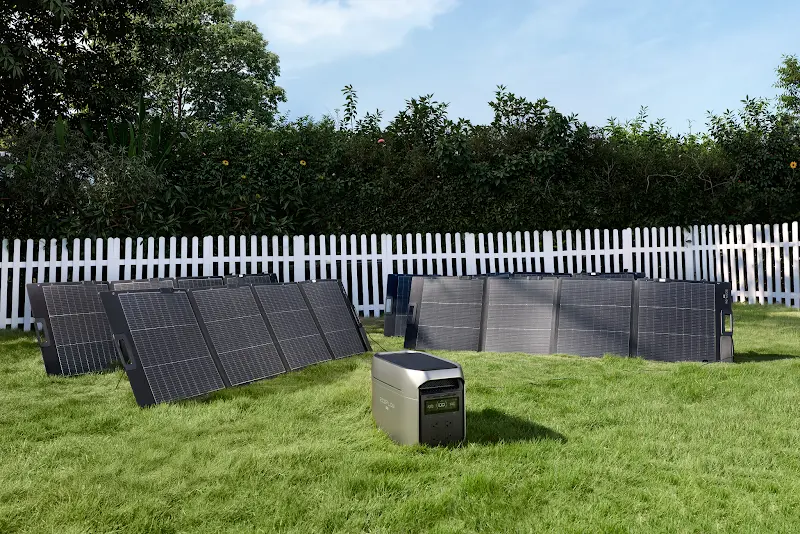
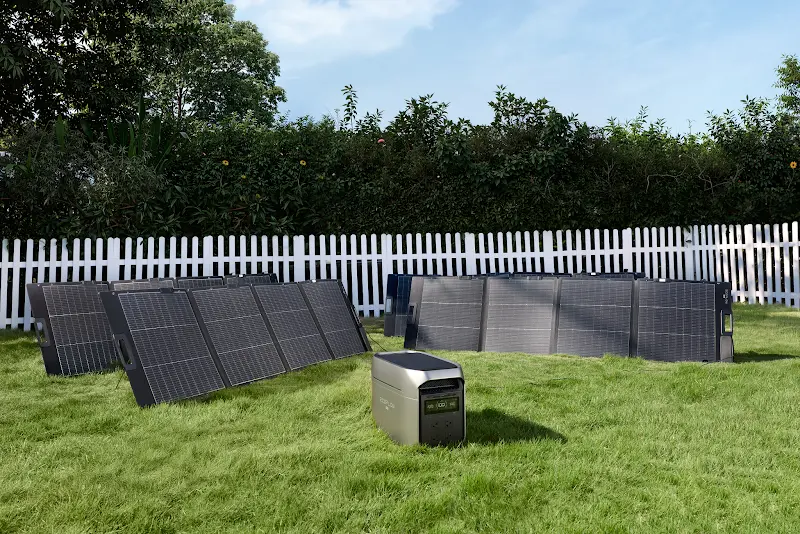
To avoid potential power shortages, a growing number of Canadian RVers and overlanders are investing in dedicated, independent solar energy storage systems. A prime example is the EcoFlow DELTA 3 Max Plus + 400W Solar Panel. This setup allows you to harvest clean solar energy during the day and store it for overnight use. Even in high-latitude Canadian regions where solar angles can change quickly, this high-efficiency system provides a stable, continuous power supply for your electric cooler and all your personal tech, making it an indispensable companion for long-distance RV trips and rugged backcountry wild camping.
What Are the Key Features to Consider for Electric Coolers in Canada?
Cooling tech and power matter, but daily usability is all about design. Canada throws a lot at you—wild weather, long distances, rough roads. So before you buy, check the specs that actually affect how it holds up in the real world.
Dual Zone and Temperature Control Features
A single-zone cooler forces you to choose between having an all-fridge or an all-freezer setup. If you want the luxury of keeping steaks frozen for day five of your trip while simultaneously keeping your morning milk and crisp lettuce at a perfect 4°C, you will want a dual-zone cooler. These units feature separate, independently controlled compartments with independent digital thermostats, giving you ultimate flexibility over your menu planning.
Energy Efficiency for Long Distance Travel
When driving across expansive provinces like Ontario or Quebec, energy efficiency is paramount. Look for units built with thick, high-density polyurethane insulation and eco-modes that reduce compressor speed once target temperatures are achieved. A highly insulated cooler holds its temperature longer, meaning the compressor fires up less frequently, saving precious battery capacity whether you are hooked up to a solar generator or your vehicle’s 12V socket.
Battery Protection for Vehicle Use
To help prevent a depleted vehicle battery in remote areas, premium electric coolers are often equipped with built-in multi-stage low-voltage protection, typically offering High, Medium, and Low cutoff settings. This feature monitors the vehicle’s voltage during operation. When it drops below a safe threshold required to start the engine, the cooler automatically reduces or pauses its power draw, helping to lower the risk of a dead battery and ensuring the vehicle is more likely to remain ready to start.
Durability for Canadian Outdoor Conditions
Canadian conditions can be tough on outdoor gear. Whether you’re navigating rough logging roads on Vancouver Island or bouncing along dusty trails in the Badlands, your cooler needs to withstand constant vibrations, bumps, and exposure to the elements. Look for a rugged build with features like impact-resistant materials, reinforced corners, heavy-duty spring-loaded handles, and durable latches. Stainless steel hardware and an IPX5 water-resistance rating are also valuable upgrades, especially if you plan to keep your cooler in an open truck bed or use it in unpredictable mountain weather.
What Size Electric Cooler Is Right for Canadian Camping, RV, and Fishing?
Selecting the appropriate capacity requires balancing personal provisions with vehicle space. An overly compact model may result in frequent restocking stops, while an oversized unit unnecessarily consumes valuable cargo space and draws more power than required.
Small Under 30L for Solo Trips
Coolers under 30 litres are compact, easy to carry, and fit neatly on a passenger seat or footwell. They hold about 30 to 40 standard cans, which makes them ideal for solo weekend trips, long-haul truck drivers, or kayakers who need a reliable daytime cooler.
Medium 30L–50L for Weekend Trips
For the vast majority of Canadians, the most common outdoor scenarios do not involve extreme months-long expeditions. Instead, real-world adventures typically consist of quick 2 to 4-day weekend camping escapes or fishing trips around places like the Great Lakes in Ontario, the scenic BC coastline, or the provincial parks surrounding Alberta’s major hubs. These trips require enough room to securely store fresh milk, barbecue meats, and a few chilled drinks, but without the hassle of hauling a massive, heavy piece of machinery.
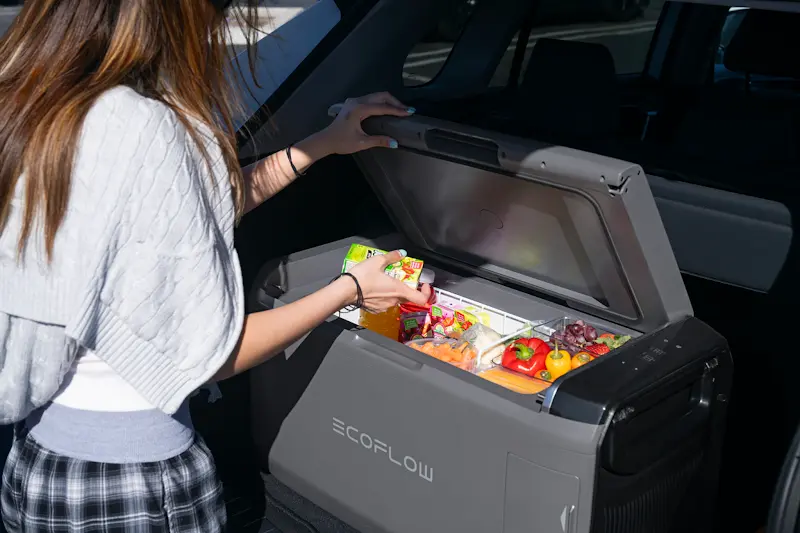
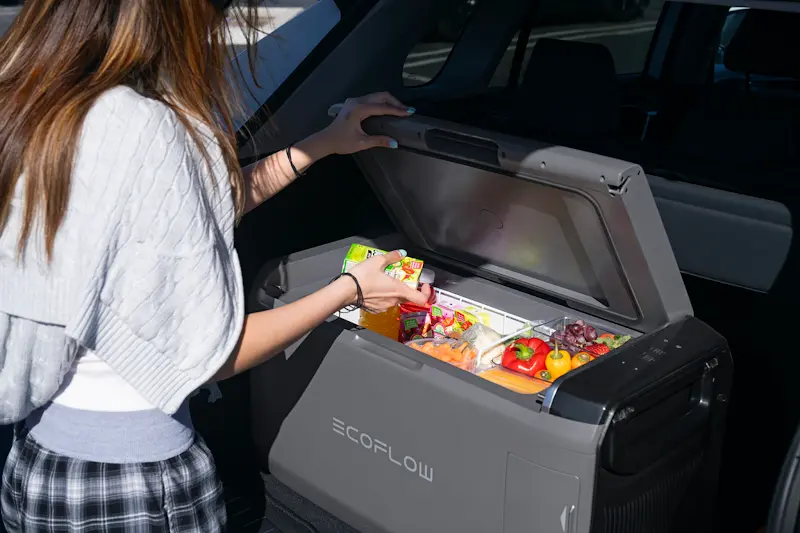
Within this high-demand bracket, a mid-sized portable cooler like the EcoFlow GLACIER Classic Portable Fridge Freezer hits the perfect sweet spot. It strikes an ideal balance between portable convenience and practical storage capacity. It fits beautifully into standard trunks and SUV cargo bays, delivering exactly what Canadian outdoor enthusiasts need to handle their weekend camping, fishing, or classic road-tripping requirements without wasting precious cabin space or putting a heavy drain on their electrical setups.
Large 50L–80L for Family Travel
If you are packing for a family of four for a week-long stay at a provincial park, you will need to scale up to a 50L to 80L model. These large-capacity units offer plenty of space for family-sized meal prep, bulk groceries, and large juice jugs. Keep in mind that when fully loaded, these units are heavy and typically require two people to lift comfortably using the side handles.
Extra Large 80L+ for Extended Trips
Designed for serious overlanders, commercial hunting expeditions, or multi-week off-grid living, extra-large coolers offer massive storage capacities. They are best suited for large trucks, spacious RV basements, or dedicated overlanding trailers where space and weight are less constrained.
How Can You Choose the Best Electric Cooler for Your Budget?
Electric coolers can range from budget-friendly models under $100 to premium options costing over $1,000. Finding the right one starts with understanding your budget and what you actually need. The key is to balance the upfront cost with the cooler’s long-term performance, durability, and overall value over years of use.
Setting a Realistic Budget Range
If you only camp once or twice a year at the height of summer for a single night, a budget thermoelectric cooler under $150 will probably do the job. However, for multi-day excursions where reliable food preservation is essential, investing $400 to $700 in an entry- to mid-tier compressor cooler offers the best long-term value.
Finding the Best Value Range
Optimal value is achieved by choosing a cooler that delivers reliable compressor cooling, smart battery protection, and robust insulation without added cost for non-essential features. Choose a trusted brand with a solid warranty and reliable customer support in Canada. That way, if you ever need a replacement power cable, fuse, or accessory, getting support is quick and hassle-free.
Deciding When Premium Is Worth It
A premium electric cooler is worth the investment if you spend a lot of time off-grid, need rapid deep‑freezing, or want advanced features like app control, dual‑zone independence, or a built-in ice maker. Higher‑end models also come with better build quality and more efficient compressors that draw less power, which saves you money on battery upgrades over the long run.
Calculating Long-Term Ownership Costs
When comparing costs, don’t just look at the upfront price. Consider the savings from no longer buying bags of ice on every trip, along with the money you’ll save by avoiding spoiled or waterlogged food. A more energy-efficient cooler also puts less demand on your vehicle’s battery and electrical system. Over years of regular use, those savings can really add up.
Conclusion
An electric cooler upgrades your whole outdoor experience. Match your travel style to the right technology—whether that’s a compact compressor unit for weekends away or a dual‑zone fridge with a solar setup for deep backcountry trips—and gives you more flexibility on longer trips. No more soggy food. No more hunting for ice at remote gas stations. Just reliable, efficient cooling wherever you go.
Take the time to sort out your power setup, pick the right size, and choose a model built to handle our rugged terrain. Safe travels—and enjoy the open road.
FAQ
Are Electric Coolers Worth It?
Yes, electric coolers are absolutely worth the investment for anyone who travels, camps, or overlands regularly. They completely eliminate the recurring cost, hassle, and messy cleanup of buying bags of melting ice while keeping your food perfectly dry and at a chemically safe, consistent temperature for days or weeks on end.
What Are the Common Problems with Electric Coolers?
The most common problems include heavy battery drain when left plugged into a parked car, sensitive digital control errors from voltage drops, and reduced cooling performance in cheaper thermoelectric models on hot days. Most of these issues can be easily mitigated by choosing a compressor-driven model with built-in low-voltage protection or pairing it with a portable power station.
Can You Leave an Electric Cooler Plugged in All the Time?
Yes, you can leave a high-quality compressor electric cooler plugged in indefinitely, provided it is connected to a stable power source like a home AC wall outlet or an RV electrical system. Many users run them continuously at home in their garage or basement as a secondary beverage fridge or overflow storage when they aren’t out on a road trip.
Does an Electric Cooler Drain a Car Battery?
Yes, an electric cooler will eventually drain a vehicle’s starting battery if it keeps running while the car’s engine is turned off. While modern compressor fridges have automatic low-voltage cut-offs to prevent a completely dead battery, it is always best practice to unplug the cooler or switch it to a portable power station when parked for extended periods.
How Long Does an Electric Cool Box Stay Cold?
A well-insulated electric cooler can maintain safe temperatures for several hours after losing power, but performance depends heavily on insulation quality, outside temperature, and how often the lid is opened.