Hunting Season in BC 2026: Dates, Regulations, and Power
- What's New for BC Hunting in the 2026–2028 Regulatory Cycle?
- When Are BC's Hunting Season Dates in 2026?
- What Licensing and Access Rules Apply Before You Head Out?
- What Power Challenges Do Hunters Face in Remote BC Terrain?
- How Do Portable Power Stations Support a Backcountry Hunting Trip?
- Frequently Asked Questions
- Reliable Power Keeps You in the Field for BC's 2026 Hunting Season
BC is a hunter’s paradise, with its abundant public land and wide variety of big game to hunt. However, there are also plenty of rules and regulations you need to follow, as well as strict dates that dictate when you can begin hunting.
This guide covers everything you need to know about these dates, new regulations, rules that apply to hunters, and more.
What's New for BC Hunting in the 2026–2028 Regulatory Cycle?
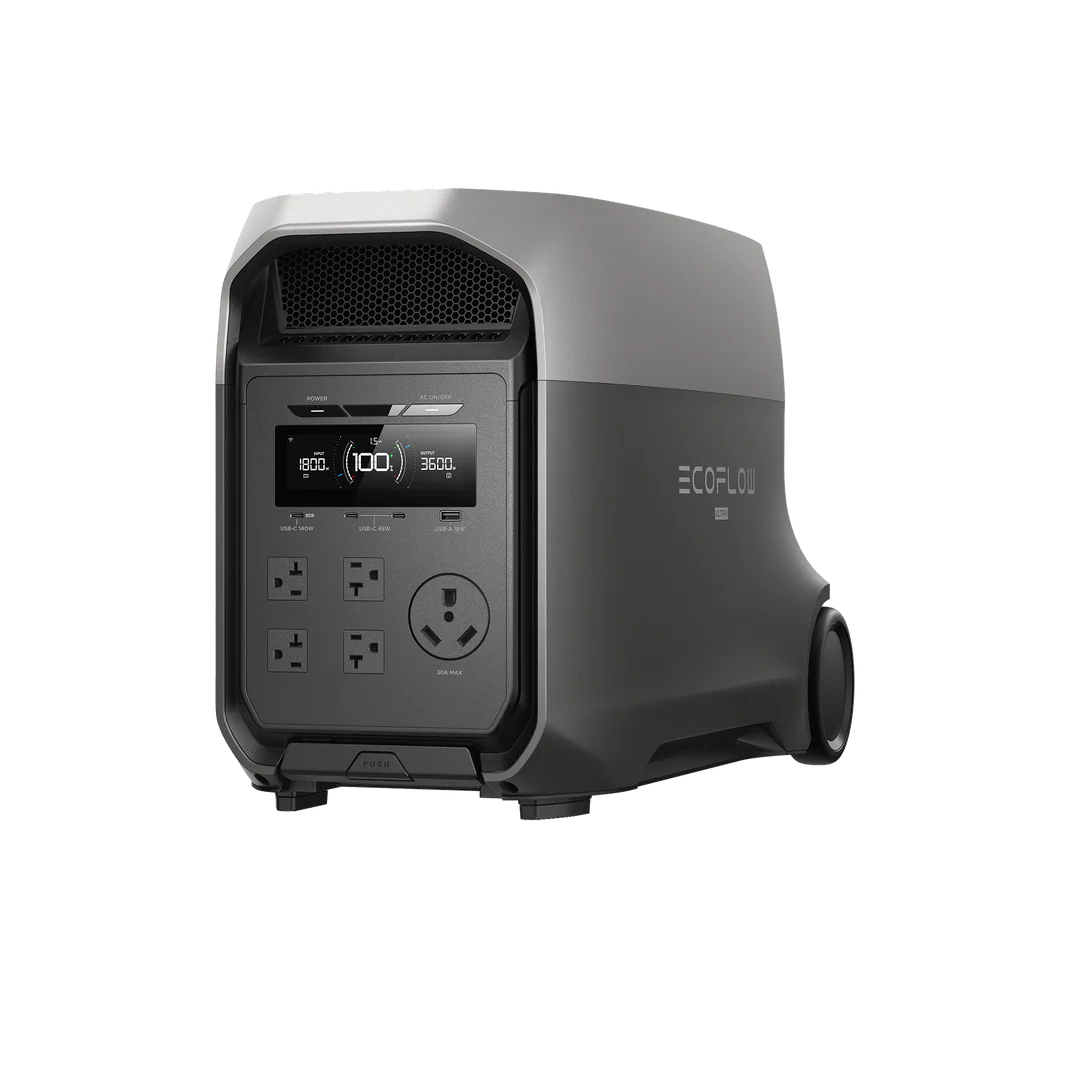
Before you load up your hunting gear, like clothing, a first-aid kit, a firearm/bow, and a portable power solution, such as the EcoFlow DELTA 3 Ultra (3072Wh), it’s important to familiarize yourself with the BC hunting regulations.
Recently, the BC government released the hunting and trapping regulations for 2026 to 2028. While many of the rules and regulations are the same as the previous cycle, there are some notable changes.
For example, in 2024, mandatory hunter reporting was implemented for moose and caribou, and is now also required for elk. These reports are due on March 31st each year.
Other changes include that the incisor tooth is no longer required for mountain sheep compulsory inspections, and that evidence of sex must remain naturally attached to the carcass when possessing and transporting cougars.
There are also new general open seasons, new limited entry hunting (LEH) draws for elk implemented in various areas, updated motor vehicle prohibitions, and several other updates.
When Are BC's Hunting Season Dates in 2026?
Like Ontario’s hunting season and others across the country, BC’s hunting season is highly specific to different regions and species. BC is split up into nine regions and 225 wildlife management units (WMUs), with each having its own specific seasons for the different types of game there.
In general, hunting seasons in the province open in August or September, and generally go to around November or December, though some may begin earlier and extend beyond those months, depending on where you are, what you’re hunting, and how you hunt.
You can see detailed seasons for each region and type of game in the BC Government’s Hunting and Trapping Regulations Synopsis. Also, keep in mind that not every species will feature an open hunting season, as some may require an LEH draw.
What Licensing and Access Rules Apply Before You Head Out?
Before you head out hunting in BC, there are some licences you need, things you need to do, and items you need to have with you when you hunt.
First, you need to register in the Wildlife Information and Licensing Data (WILD) system and get a Fish and Wildlife ID (FWID). This links all of your various hunting credentials and data to your profile. You’ll also need to prove you’ve completed some kind of hunter safety training, such as the Conservation and Outdoor Recreation Education (CORE) program.
Of course, you also need a general hunting licence, as well as species tags for the specific game you want to hunt. If you plan on hunting with a firearm, you also need a valid federal firearms licence.
You can only hunt during approved seasons. You must get permission if hunting on private land, and you should generally avoid hunting within most BC provincial parks.
Also, avoid hunting in designated “No Shooting” zones, and be sure to avoid discharging firearms too close to roads and/or dwellings.
What Power Challenges Do Hunters Face in Remote BC Terrain?
In addition to ensuring you have your licence in order before you head out on a hunt, it’s also important to be aware of the power-related issues you may face, especially in remote BC terrain.
First, the cold temperatures in some parts of BC during hunting season may drastically reduce the battery life of your devices, and may even prevent them from working altogether in some cases. Also, many remote parts of BC may not have access to the electrical grid, which makes it hard to keep your devices charged up during your trip.
If you don’t account for these challenges and plan accordingly, such as by bringing some type of portable power, you may struggle to keep your important devices and camp comforts operational.
How Do Portable Power Stations Support a Backcountry Hunting Trip?
Portable power stations are one of the best ways to keep yourself safe while on a hunt. They help ensure your GPS and other navigation devices don’t die, your headlamp stays functional, and your phone stays charged up so you have a way to call for help or check out a map if need be.
Also, these power solutions improve your hunt by powering and charging trail cameras, rangefinders, and other devices that you may rely on to identify your targets and keep tabs on the animals around you.
Portable power also dramatically improves your camp life, by powering lights, portable fridges or freezers, fans, heaters, small electric appliances, and anything else you may want to help your camp be as comfortable as possible.
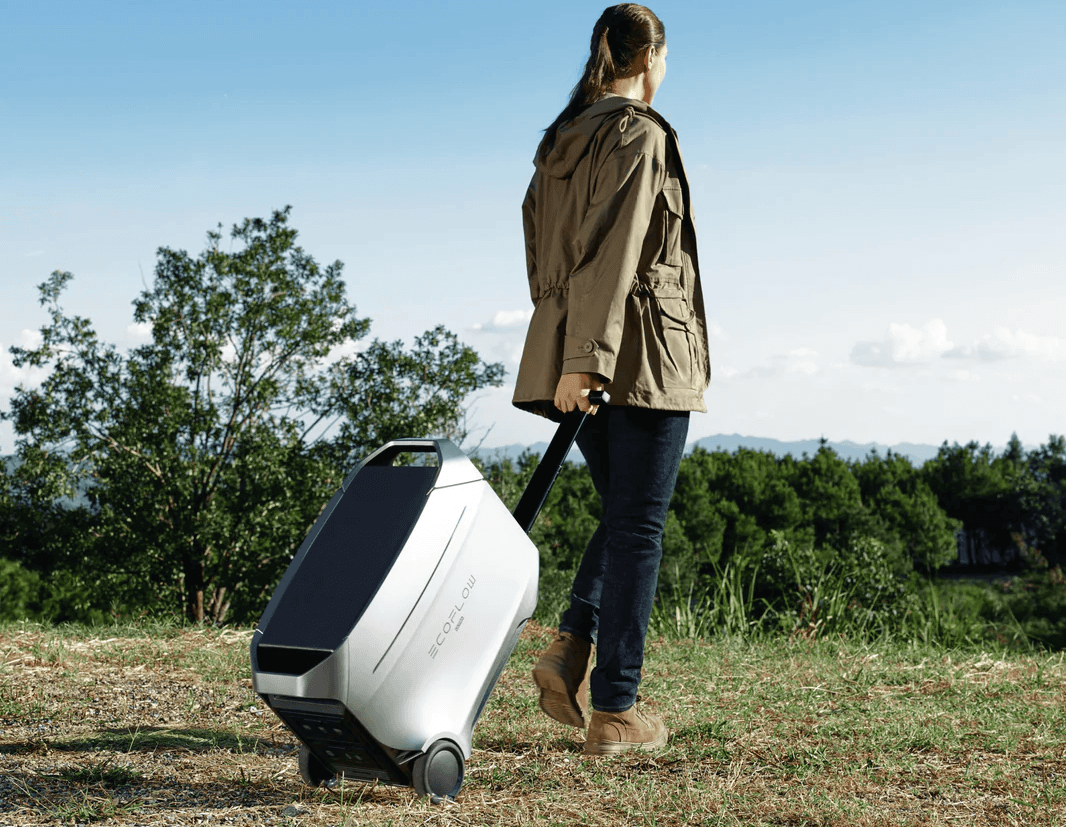
For single-day hunts, a simple and small power bank may be enough for your devices, while a longer multi-day hunting and camping trip may require a larger and high-capacity portable power station, such as the EcoFlow DELTA 3 Ultra (3072Wh), which can run camp appliances and recharge your gear for days at a time without needing an outlet.
Of course, in addition to hunting, portable power stations are great for camping, salmon fishing in BC, hiking, and various other outdoor adventures and activities.
Frequently Asked Questions
Do You Need CWD Testing for Deer, Elk, or Moose in BC?
It depends on where you are. CWD (chronic wasting disease) testing is mandatory for deer, elk, and moose harvested within designated high-risk zones in the province, but it's voluntary everywhere else. Hunters in mandatory zones need to submit samples within the required timeframe, and carcasses can't be moved out of the zone until testing requirements are met. Check your specific WMU before heading out.
Can I Hunt on my Own Property in BC?
Yes, you’re allowed to hunt on your own property, but you still need to abide by the laws of the province and hold a valid hunting licence. You'll also need the appropriate species tags, and any general open season or LEH restrictions for your WMU still apply; owning the land doesn't exempt you from provincial hunting rules or reporting requirements.
Reliable Power Keeps You in the Field for BC's 2026 Hunting Season
Having reliable power with you on your trips helps keep you out in the field hunting and prevents you from being stuck to an outlet or your campsite. Without some type of portable power, it may be hard to charge communication devices, GPS devices, trail cameras, rangefinders, and other gear that many hunters rely on for a safe and successful trip.
EcoFlow offers a range of portable power stations built for exactly this kind of trip, from compact power banks for a single day in the field to high-capacity units like the EcoFlow DELTA 3 Ultra (3072Wh) for multi-day camps. Explore EcoFlow’s full lineup to find the right fit for your next hunt.