Take It Outside: The Ultimate Gear List for Mobile Squat Challenges and Park Workouts
Want better workouts for zero cost? Parks deliver what gyms promise: space, equipment access, flexible hours without the fees. Add natural sunlight, stress-busting greenery, and superior air quality to the mix. But here's what separates failed outdoor sessions from successful ones: portable gear strategy. Resistance bands that actually work. Power stations keeping devices charged. Weather-proof essentials for rain or shine. Everything you need for crushing outdoor squat challenges awaits below.
Why Outdoor Squat Racks Beat the Gym Every Time
Working out at parks gives you more than stronger muscles. Natural sunlight boosts your vitamin D and improves your sleep. Studies show outdoor exercisers feel less stressed and enjoy workouts more than indoor gym-goers.
Your brain works better outdoors too. Trees and grass help you focus and fight mental fatigue. Uneven terrain builds practical strength that helps in real life, not just the gym.
The best part? No membership fees, no waiting for equipment, no closing times. Parks fit your schedule and welcome all fitness levels from beginners learning proper form to experienced athletes.
Fresh air matters. Better oxygen flow improves endurance and speeds recovery. You're not breathing recycled gym air or waiting for someone to finish their set.
Essential Gear for Outdoor Squat Workouts
Smart equipment choice allows for portability along with effectiveness. This equipment helps upgrade any workout park into a complete training arena.
Strength Training Equipment
Essential resistance tools for your day squat challenge:
Resistance bands: Lightweight and versatile, these replace multiple gym machines. Choose fabric bands rated for 50 to 150 pounds.
Kettlebells or dumbbells: A single 20 to 35 pound weight covers most squat variations. Adjustable versions save space.
Exercise mat: Get weather-resistant closed-cell foam at least 6mm thick. Indoor mats absorb moisture and deteriorate fast outdoors.
Proper footwear: Cross-training shoes with flat soles and good tread provide stability on any surface.
Power Solutions for Your Tech
Your smartphone tracks progress, plays motivational music, and displays workout videos. But technology needs power, especially during 60 to 90 minute outdoor sessions. Here are essentials for workout parks:
Fitness tracking apps: Automatically count reps and monitor your progress. Pair with Bluetooth heart rate monitors for real-time intensity feedback during squat sessions.
Portable Bluetooth speakers: Music boosts performance by up to 15%. Choose models with 8+ hour battery life and IPX7 water resistance ratings.
Phone or tablet holders: Follow video demonstrations hands-free with adjustable tripod mounts that work on any surface.
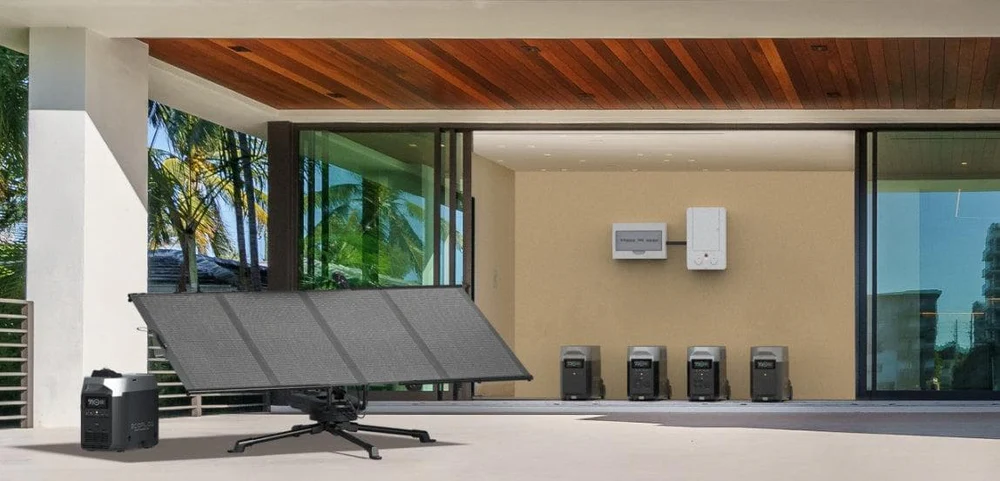
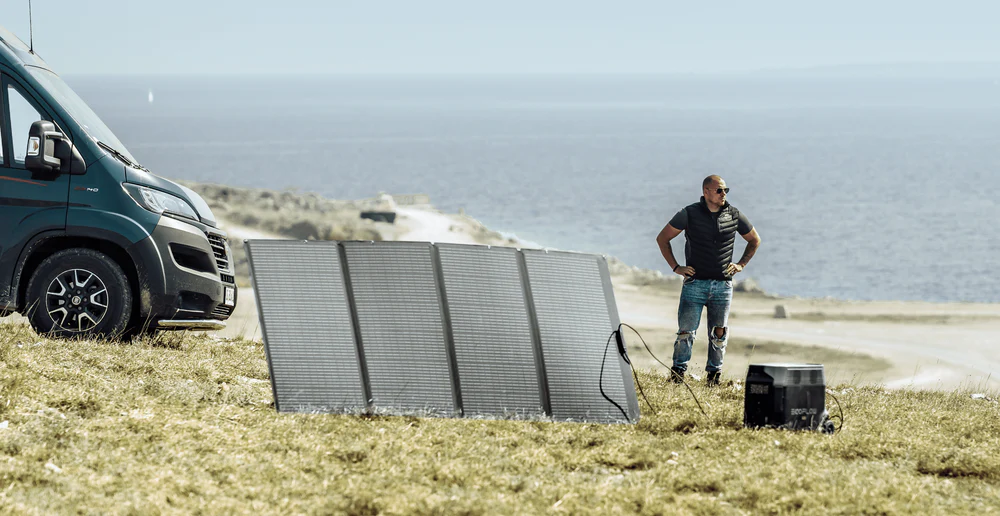
Here's the power solution: streaming music and video drains batteries quickly. Portable power stations like the EcoFlow DELTA Pro Portable Power Station charge multiple devices simultaneously and last for weeks of training sessions. You'll never cut workouts short due to dead batteries.
Storage Essentials
Weather-resistant gym bags protect your investment. Look for:
Separate wet/dry compartments
Padded electronics pockets
External attachment points for mats and bottles
Reflective strips for early or late training
Small pouches keep resistance bands organized and prevent tangling.
Outdoor Training Gear for Different Weather
Weather shouldn't stop your day squat challenge. Adapt your gear instead.
Summer essentials: Apply SPF 50+ sunscreen 30 minutes before training. Reapply hourly. Wear moisture-wicking synthetics that dry faster than cotton. Cooling towels and frozen water bottles provide relief between sets. Train before 9 AM or after 6 PM when temperatures drop 10 to 15 degrees.
Winter modifications: Layer smart. Start with moisture-wicking base layers, add insulation, then wind-resistant shells. You'll generate heat during workouts, so avoid overdressing. Lightweight gloves maintain grip without bulk. Beanies prevent heat loss through your head. Cold-weather shoes need deep treads for frozen ground.
Rain preparation: Waterproof bags protect electronics and dry clothes. Quick-dry synthetics shed water fast. Grip-enhanced gloves compensate for slippery equipment. Skip training during lightning or when temperatures drop below 20°F.
How to Set Up Your Workout Park Training Zone
Location matters. Scout your workout park during your planned training time to check crowds, sun exposure, and ground conditions.
Choose level ground for safe squat form. Avoid exposed roots, slopes, or loose gravel. Grass cushions naturally but gets slippery when wet. Pavement offers better stability.
Watch sun patterns. Morning sessions on tree-shaded east sides stay cool as temperatures rise. Evening workouts benefit from west-facing shade. In summer, prioritize shade to prevent heat exhaustion.
Space needs vary. Squat sessions require roughly 6 by 6 feet. Dynamic movements like burpees need 10 by 10 feet. Stay 10 feet from foot traffic.
Quick setup steps:
Lay your mat to claim space
Position speakers and devices within reach
Organize equipment by exercise order
Scan for hazards like sprinklers or uneven surfaces
Keep music at reasonable volumes. You should hear ambient sounds and nearby conversations. Leave your outdoor squat rack area cleaner than you found it.
How to Pack Your Workout Park Gear
Strategic packing cuts weight without sacrificing function.
For local parks (walking distance): One resistance band, mat, water bottle, phone, and speaker. Total weight under 5 pounds.
Driving to workout park: Add your full band set, kettlebell, jump rope, and portable power station. Use rolling bags to avoid shoulder strain.
Travel fitness: Pack one resistance band, door anchor, and phone. These fit any suitcase and maintain your 30 day workout challenge streak anywhere.
Organization tips:
Use packing cubes to separate electronics, bands, and personal items
Label everything with waterproof tags
Place heavy items closest to your back in bags
Choose multi-function gear (microfiber towels work as mats)
Compression sacks reduce mat volume by 50%. Inspect resistance bands before each use for tears or weak spots.
Start Your Outdoor Training with Action
Your workout park is ready for use at this very moment. Pack the resistance band, fill water, and stake your claim on that tree tomorrow morning. The toughest bit is getting out the door. Once you get the feel of the grass between the toes and the taste of fresh air in the lungs, the differences between the outdoors and the walls of the gym will make themselves obvious. Look for a fitness app tonight, charge the technology, and get the alarm clock set 30 minutes earlier. Squat rack day one will go down tomorrow.
FAQs
Q1. How Many Days Per Week Should I Train at a Workout Park for Best Results?
Having three to four sessions a week allows for good recovery and building regularity. It is also good to alternate between lower body training sessions, like squats and lunges, and other sessions that cover the upper body or cardio. This will ensure that you do not overtrain and that the 30-day workout challenge that you are executing will not suffer. For newbies, the initial training sessions should not exceed two to three sessions per week.
Q2. What Should I Eat Before and After Outdoor Squat Rack Workouts?
Have a light meal consisting of carbs and protein about 90 minutes prior to the training. It can be banana with peanut butter, oatmeal with berries, or a small turkey sandwich. After completing the training, have protein intake within 30 minutes for assistance with muscle recovery. Bringing yogurt, boiled egg, or protein shake along will help during outdoor squat challenges. Lastly, hydrate by drinking water prior to feeling thirsty throughout the day.
Q3. How Long Will a Portable Power Station Run My Workout Park Devices?
The exact battery life will depend on the model, but good quality portable power stations can support the use of several devices for several hours. They will charge a smartphone between 20 and 40 cycles, support the use of a Bluetooth speaker for 30+ hours, and support the use of a tablet for several cycles of exercising sessions. For basic outdoor trainers, users can enjoy indefinite battery life support with the help of solar panels.
Q4. How Do I Stay Consistent With Outdoor Training When Motivation Drops?
Plan your workout sessions at the park like appointments that cannot be missed. Look for a training buddy. Monitor progress using photos or strength exercises every two weeks. Participate in communities sharing their results of the day squat challenge. Pack your equipment the night before so that there will be no obstacles when you wake up. It is also essential to understand that attending is better than performing. Spend 20 minutes when the motivational juices are not flowing.
For press requests or interview opportunities, reach out to our media team
media.na@ecoflow.com