What to Bring on a Ski Trip: Essential Gear and Tips
Few things match the thrill of gliding over fresh snow on a clear winter day. Whether you’re planning a trip to the iconic slopes of Aspen or sticking closer to home with a family ski weekend in the Poconos, knowing what to bring on a ski trip makes all the difference. A successful mountain getaway takes more than excitement; it takes thoughtful preparation for cold weather, elevation changes, and long days outdoors.
From choosing the right time to go to packing dependable gear and cold-weather tech, this guide walks you through everything you need to stay comfortable, prepared, and safe on the mountain, so you can focus on the skiing, not the setbacks.
When Does Ski Season Start?
In the U.S., ski season doesn’t follow a single calendar; it depends heavily on geography. High elevation resorts in Colorado and Utah can sometimes spin lifts as early as October, but for most ski areas across the country, the season typically runs from late fall through early spring.
Early Season (November to December)
For many resorts, the first real push begins around Thanksgiving. Early-season skiing often relies on snowmaking, resulting in a limited number of open runs, sometimes jokingly called “white ribbons” cutting through otherwise bare terrain. Resorts in places like Vermont and Utah usually fall into this category early on. While options may be limited, this period is ideal for avoiding crowds, scoring early-season deals, and easing back into skiing before winter storms fully settle in.
Peak Season (December to February)
Mid-winter is when conditions are at their most dependable. Natural snowfall stacks up, terrain opens wide, and powder days become more common. From the heavy snow of the Sierra Nevada to the famously light powder in Colorado, this is the heart of ski season for most Americans. Expect colder temperatures and busier lift lines, especially around Christmas and New Year’s, when travel peaks nationwide.
Spring Skiing (March to April)
As winter fades, spring skiing takes over. Days grow longer, temperatures warm up, and snow softens into forgiving “corn” conditions by midday. Many skiers love this time of year for its relaxed atmosphere, think parking lot tailgates, slushy afternoon laps, and end-of-season events. Just be ready for firmer snow in the mornings, and don’t forget sun protection.
What Is the Best Month for a Skiing Trip?
Late January through February is the prime window for skiing in the U.S., with the most reliable snow, fully open terrain, and consistently good conditions. If you prefer warmer weather and a more laid-back mountain atmosphere, March is ideal, offering longer days, sunnier skies, and a lively apres-ski scene while still delivering solid morning snow.
How to Plan a Ski Trip
A great ski trip is built on preparation, not luck. A little planning upfront helps you avoid surprise costs, wasted time, and last-minute stress once you’re in the mountains.
Check the Weather Early
Mountain conditions change fast. Use tools like OpenSnow or NOAA to track storms and temperatures so you know whether to expect bluebird skies or low-visibility snow days. This also helps you pack the right goggle lenses and layers.
Set a Realistic Budget
Ski trips add up quickly. Lift tickets at major resorts can top $250 per day, and rentals, food, and lodging push costs even higher. Multi-resort passes like Epic or Ikon can save money, and smaller independent resorts often offer better value with fewer crowds.
Choose a Resort That Matches Your Skill Level
Not every mountain is right for every skier. Beginners usually prefer wide, groomed runs at places like Breckenridge, while advanced skiers seek steep terrain at Jackson Hole or Big Sky. Always review the trail map before booking to make sure the terrain fits your group.
Pick the Right Days to Ski
If possible, plan your ski days mid-week. Tuesday through Thursday typically means shorter lift lines, quieter slopes, and lower lodging prices compared to busy weekends.
Know the Resort Rules
Take a few minutes to review the Responsibility Code posted at U.S. resorts. Understanding right-of-way rules and trail signage keeps everyone safer on the mountain.
Plan Transportation Carefully
If you’re not staying slopeside, make sure your vehicle is winter-ready. In mountain areas like Utah’s Little Cottonwood Canyon, traction laws are strictly enforced during storms, and proper tires or 4WD aren’t optional.
What to Pack for a Ski Trip
Packing for a ski trip is all about balance. You need enough insulation to stay comfortable on a freezing chairlift, but breathable gear that won’t leave you soaked with sweat halfway down a mogul run. Smart packing keeps you warm, dry, and focused on skiing, not on discomfort.
Essential Ski Gear & Clothing
At the basics level, you’ll need skis or a snowboard, boots, and poles. If you’re flying to a destination like Lake Tahoe or Park City, renting high-quality demo gear at the resort is often easier than hauling bulky bags through the airport. For clothing, stick to the proven layering system used by experienced skiers across the U.S. when considering must-have gear for the slopes:
Base layer: Moisture-wicking merino wool or synthetic fabrics. Avoid cotton at all costs; it traps moisture and drains heat fast.
Mid-layer: A fleece or insulated puffy jacket to retain warmth.
Outer shell: A waterproof, windproof jacket and pants (GORE-TEX or equivalent) to block snow and cut mountain winds.
Documents, Electronics, and Power
Bring a valid ID, your digital or physical lift pass, and travel insurance that covers winter sports. Cold weather is especially hard on electronics, so plan if you rely on your phone for trail maps, photos, or emergency contact.
Outdoor Power Supply Assurance
Low temperatures can drain lithium-ion batteries shockingly fast. It’s common to see a phone drop from 80% to single digits while checking the trail map or filming a run. To avoid losing navigation, communication, or safety tools, a dependable power source such as a portable power station is essential, especially during road trips, tailgate breaks, or evenings back at the lodge.
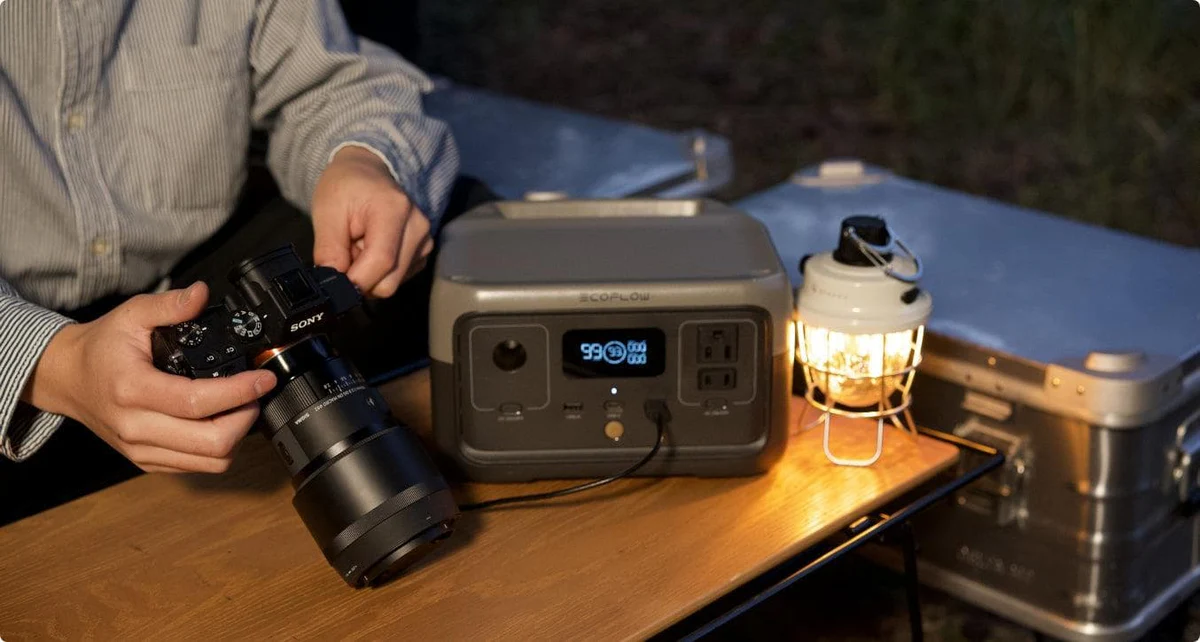
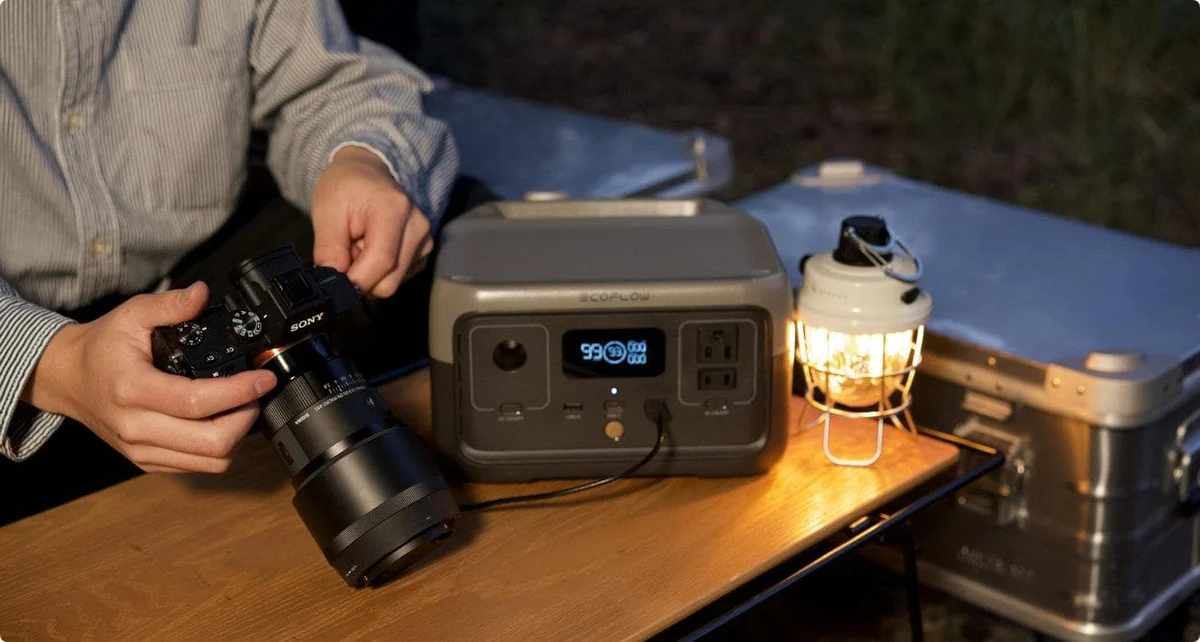
The EcoFlow RIVER 2 Portable Power Station is an ideal solution for ski trips. It’s compact and light enough to move easily from car to cabin, yet powerful enough to recharge phones, action cameras, heated gear, and other essentials. With ultra-fast charging, it ensures your tech stays ready even in sub-freezing mountain conditions, keeping you safe, connected, and able to capture the best moments of your trip.
How to Choose the Right Ski Gear?
The right setup can turn a long day on the mountain into a confidence-building, win or ruin it with cold fingers and aching feet. Choosing ski gear isn’t about chasing the most expensive option; it’s about matching equipment to your ability, terrain, and typical U.S. resort conditions.
Skis: Match Skill Level and Terrain
Skis are highly specialized. Beginners are best served by all-mountain skis with some rocker in the tip and tail, which makes turning easier and more forgiving. If you spend your days chasing powder in places like Utah or Colorado, wider skis (100 mm and up) help you stay afloat. For skiers who stick to groomers or icy East Coast runs, narrower, stiffer skis offer better edge grip and control.
Ski Boots: Fit Comes First
Boots matter more than skis. A poor fit leads to numb toes, sloppy control, and early fatigue. Boots that are too loose reduce responsiveness, while overly tight boots restrict circulation. Choose a flex rating that matches your experience level: softer flex for beginners, stiffer flex for advanced skiers, and don’t rush the fitting process.
Ski Poles: Size and Durability
Proper pole length improves balance and rhythm. Turn the pole upside down, grip it below the basket, and look for a 90-degree bend at your elbow. Carbon fiber poles are light and responsive, popular with experienced skiers, while aluminum poles are tougher and better suited for beginners or rough conditions.
Ski Clothing: Stay Dry and Regulate Heat
Mountain weather changes quickly. Look for jackets and pants with solid waterproof ratings (10,000 mm or higher), breathable fabrics, and practical features like pit zips, powder skirts, and sealed seams. Staying dry is just as important as staying warm.
Helmets and Goggles: Non-Negotiable Safety Gear
A helmet with MIPS technology is essential for impact protection. Pair it with goggles that offer interchangeable lenses, dark lenses for bright bluebird days, and yellow or rose lenses for low visibility during storms or flat light.
How to Stay Safe During a Ski Trip?
Staying safe on the mountain comes down to preparation, awareness, and respect for everyone sharing the slopes. Whether you’re skiing a packed resort in Colorado or exploring wide open terrain in Montana, these practical safety tips help ensure your trip ends with great memories, not a visit to ski patrol.
1. Wear Proper Safety Gear
A helmet is non-negotiable. Even cautious skiers can’t predict the behavior of others, especially on busy runs. Modern helmets are lightweight and often include MIPS technology to reduce rotational impact. If you plan to spend time in terrain parks or on hard-packed East Coast snow, padded shorts or a back protector can add another layer of protection.
2. Warm Up Before Your First Run
Cold muscles are more vulnerable to injury. Take five to ten minutes at the base to loosen up with dynamic stretches targeting your quads, hamstrings, calves, and hips. A few air squats or leg swings can go a long way toward reducing the risk of knee injuries like ACL or MCL strains.
3. Respect Resort Rules and Signage
Boundary ropes and warning signs exist for a reason. “Closed” and “Permanent Closure” areas often hide exposed rocks, thin snow cover, or avalanche risk. If a run is labeled “Experts Only,” believe it; rescues in steep or deep terrain are dangerous and slow.
.webp)
.webp)
4. Make Yourself Visible
On a mountain covered in white, visibility matters more than you might think. Wearing bright or high-contrast outerwear makes it much easier for other skiers and riders to spot you, especially in flat light or light snowfall. If you need to stop for a breather or to regroup with friends, move well to the side of the trail where you’re clearly out of the main flow. Avoid stopping in the middle of a run or just below a roller or blind crest; uphill traffic won’t see you in time, and that split second can be the difference between a clean run and a dangerous collision.
5. Follow Basic Ski Etiquette
Every ski resort in the U.S. follows the Responsibility Code, and understanding it is essential for everyone’s safety. The most important rule is simple: the skier or rider downhill always has the right of way. They can’t see what’s happening behind them, so it’s your job to control your speed and line to avoid them. When passing, give plenty of room and wait for a clear, wide section of the trail. A calm verbal cue like “on your left” or “on your right” helps prevent surprises and keeps traffic flowing smoothly. Good etiquette isn’t just polite, it’s what keeps busy slopes from turning into accident zones.
6. Stay Alert to Weather and Snow Conditions
Conditions in the mountains can change fast, often with little warning. A clear, bluebird morning can turn into a full whiteout by midday, wiping out contrast and making it difficult to tell sky from snow. Keep an eye on wind speeds too; strong gusts can accelerate frostbite risk and may force lift closures, which can leave you stuck far from your base area. When visibility drops, and flat light makes bumps and pitch hard to read, that’s your cue to call it early and head for the lodge. Smart skiers adjust plans to the weather, not the other way around.
7. Know Emergency Procedures
Before your first run, save the resort’s Ski Patrol number on your phone, so help is only one call away. If you plan to ski tree lines or areas closer to the backcountry, a compact first aid kit is essential. Include bandages, antiseptic wipes, blister care, and an emergency space blanket for warmth. Even basic knowledge, like how to stop bleeding, treat shock, or stabilize an injured limb, can make a critical difference while waiting for assistance.
8. Keep Your Devices Powered
On the mountain, your phone is more than a convenience; it’s your GPS, trail guide, and emergency lifeline. If you’re separated from your group or run into trouble, a dead battery can quickly turn into a serious safety issue. Cold winter conditions are especially harsh on lithium-ion batteries, and it’s common to see charge levels drop fast once temperatures dip.
To reduce battery drain, keep your phone in an inner pocket close to your body warmth. Beyond that, plan ahead with a reliable backup power option. Having a portable solution like the EcoFlow RIVER 3 Portable Power Station, waiting in your car or base camp, adds real peace of mind. It lets you recharge phones, radios, or GPS devices between runs, check weather updates, and stay reachable if you need assistance, so you’re never cut off when it matters most.
Conclusion
A well-planned ski trip turns winter into something you actually look forward to. When you time your visit right, pack dependable gear, and plan for real mountain conditions, the focus shifts from logistics to enjoying the ride. Having a reliable power backup, such as a power bank or the EcoFlow RIVER series portable power station, ensures your phone, navigation apps, and safety devices stay powered even in freezing temperatures. With the essentials covered, you’re free to enjoy the fresh powder, clear mountain views, and that well-earned apres-ski at the end of the day.
FAQ
1. How Do You Book a Ski Trip?
For the best prices and availability, aim to book flights and lodging at least three months ahead, especially for popular resorts. Ski-focused platforms like Ski.com make planning easier by bundling lodging, lift tickets, and rentals into one package, often at a lower total cost than booking separately.
2. How Much Does a Ski Trip Cost in the US?
Most ski trips in the United States cost between $200 and $600 per person per day, depending on the resort and season. You can cut costs by staying in nearby towns instead of slopeside lodging and bringing your own snacks or lunches instead of eating on the mountain.
3. How Long Should a Ski Trip Last?
For most skiers, three to five days is the ideal length. It’s enough time to get comfortable on the terrain, explore the mountain, and enjoy the experience without pushing your body to the point where fatigue increases the risk of injury.
4. What Are the Best Places to Ski in the US?
Vail & Beaver Creek, Colorado: Known for upscale amenities and expansive terrain.
Park City, Utah: The largest ski resort in the country, with direct access to a historic downtown.
Mammoth Mountain, California: Famous for deep snow and one of the longest ski seasons in North America.
5. Is Skiing Difficult for Beginners?
Skiing does have a learning curve, but modern gear and professional instruction make it far more approachable than it used to be. With one or two lessons, most beginners can comfortably ski green runs within a few days.
For press requests or interview opportunities, reach out to our media team
media.na@ecoflow.com