What Is Passive House Design? Principles for Ultra-Low Energy Homes
Passive House design is the most rigorous energy efficiency standard for buildings. Its origins trace back to 1990s German building science research aimed at optimizing ultra-low energy consumption. The Phius standard adapted the principles from the European Passive House Institute to work effectively in North American climates, providing U.S. residents with a roadmap to achieve 80-90% less energy use for heating and cooling compared to conventional construction.
This ultra-efficient design serves as the foundation for achieving complete energy independence through renewable systems. If you’re interested in this revolutionary approach, here’s how you can transform your home's energy consumption while maintaining comfort.
Understanding the Passive House Standard
This green building standard was developed by two German scientists, Dr. Wolfgang Feist and Bo Adamson, in the late 1980s. This led to the creation of the Passive House Institute (PHI) in Germany and, eventually, Phius for North America. Phius simply adapted the European model for the more diverse climate zones in North America.
The core performance target of Passive Homes is 4.75kBtu/ft^2/year for space heating energy use. Other metrics that matter include primary energy use (limit of 38.1kBtu/ft^2/year, which includes all systems in the home.
The climate-specific adjustments of Phius account for the regional temperature differences from Florida to Alaska.
To get your home certified as a Passive House, you need third-party verification through energy modeling and specialty on-site testing. The database currently includes over 1,000 certified projects across the U.S. and Canada.
While it’s called the “Passive House” standard, the same standard applies to all building types, including residential, commercial, and institutional.
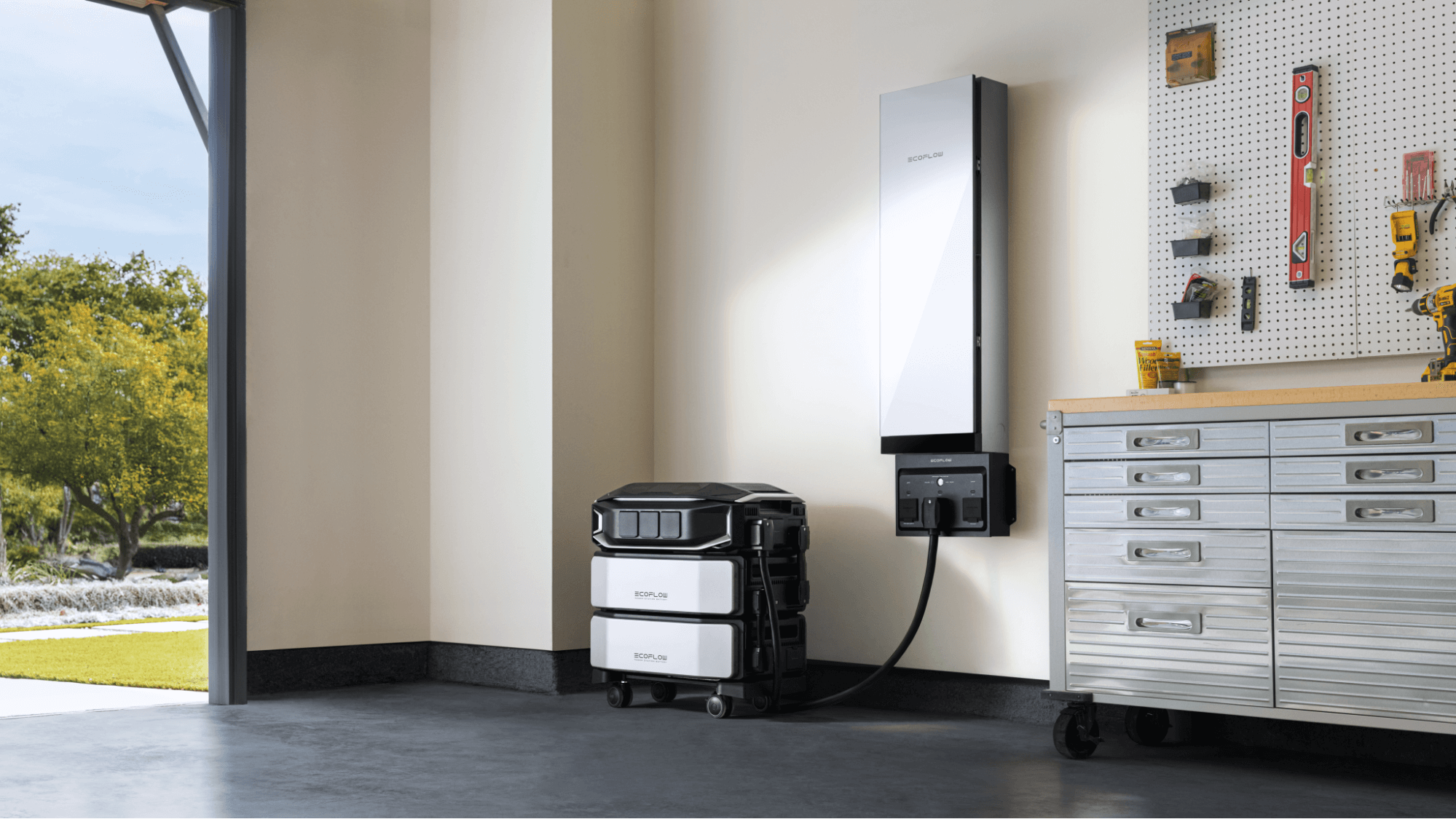
Achieving this standard is just the start of a truly ultra-efficient home, with many using renewable energy systems like whole-home generators to eliminate grid dependence and switch to clean, eco-friendly electricity.
The Five Core Principles of Passive House Design
There are five interconnected principles of Passive House design that work together to achieve ultra-low energy performance. Each principle is critical. If you’re missing even one single element, it compromises your home’s overall performance.
Super-Insulation and Thermal Bridge-Free Construction
Insulation helps keep the desired warmth or cool air in while protecting the home from the outdoor elements. For a Passive House, wall insulation is usually R-40 to R-60, depending on your climate zone. Roof insulation ranges from R-60 to R-80 in colder climates. The foundation insulation extends below the frost line, providing continuous coverage with a range of R-values from R-20 to R-40.
Eliminating thermal bridges through structural elements requires continuous insulation layers with no gaps or voids. Advanced framing techniques can also reduce wood thermal bridging when assembling walls. The whole idea is that the insulation wraps the entire building.
Airtight Building Envelope
The airtight building envelope extends beyond just insulation. To get certified, a blower door test on your home must achieve 0.6 air changes per hour at 50 pascals (ACH50). This is in comparison to typical new construction homes, which have an ACH50 of 3-5, or existing homes, which have an ACH50 of 10-15.
Your home needs a continuous air barrier installed and sealed at all penetration points. Common leak points include electrical boxes, rim joists, plumbing penetrations, and windows/doors. Testing can be performed during construction to identify and seal any problem areas.
With an airtight construction, you’ll significantly reduce drafts and improve occupant comfort.
High-Performance Windows and Doors
Windows and doors are designed to open, but in a Passive House, they’re expected to be completely airtight when closed. That means triple-glazed windows with a U-factor of .15 or better. The window frames should feature thermal breaks and multiple sealing layers.
Installing these windows properly is critical, as it should include preventing thermal bridging at all window frames.
Considering the sizing and location of windows also matters. South-facing windows should be sized to optimize passive solar gain in heating climates where any extra heat goes a long way in keeping the indoors comfortable.
The Solar Heat Gain Coefficient (SHGC) must be carefully matched to your climate zone to optimize energy performance. A higher SHGC on south-facing windows in heating-dominated climates can capture solar heat during winter, while cooling-dominated regions require lower SHGC values to minimize unwanted heat gains and reduce AC loads.
Balanced Ventilation with Heat Recovery
The home’s Energy Recovery Ventilation (ERV) systems provide a controlled exchange of fresh air. The minimum heat recovery efficiency is 75%, but it often exceeds 90% in premium units.
Creating a balanced supply and exhaust prevents pressure imbalances and air leakage, and operating these systems continuously maintains indoor air quality without an energy penalty.
Filtration in the ventilation system will remove outdoor pollutants while recovering thermal energy.
Thermal Bridge-Free Construction
This was touched on in the first principle, which showcases its interconnectedness, but it also extends beyond insulation. Structural connections should be used to minimize heat conduction through the building envelope. For example, balcony attachments use thermal breaks or structural thermal bridging solutions. Windows and door frames should be positioned in the insulation layer, not the structural frame.
Frequently Asked Questions
How Much More Does It Cost To Build a Passive Home?
Building a new construction Passive House can cost 5-15% more than conventional construction, and deep retrofits can cost 10-25% more than standard renovations. However, significantly reduced utility bills can provide payback within 10 years, giving it a healthy ROI.
Passive House Design Enables Long-Term Energy Independence
Passive House Design is a proven pathway to an ultra-efficient and comfortable home. It combines five core principles that work synergistically to achieve dramatic energy reductions, but your energy optimization doesn’t have to end there. Pair your Passive House home with renewable energy systems, such as the EcoFlow DELTA Pro Ultra X plus solar panels, to complement your low-consumption lifestyle.
The Passive House standard is achievable for new construction, but renovation projects can also help your home earn certification. Your investment today creates a foundation of energy independence that will last a lifetime.
For press requests or interview opportunities, reach out to our media team
media.na@ecoflow.com