Wedding Photography All-Day Shoot Essentials
- Why You Need Two Cameras
- Which Lenses You Should Carry
- How You Keep Gear Powered
- How You Handle Different Light
- Why Guests Love Disposable Cameras
- How the Day Unfolds
- What You Must Capture
- How You Set Your Camera
- What Happens After the Wedding
- When the Lighting Gets Tough
- If You Shoot Video Too
- When You Travel for Weddings
- Final Thoughts
- Gear List
- Timeline Example
Wedding photography represents a unique discipline within the visual arts. It combines the pressure of live photojournalism with the artistic demands of editorial portraiture. A typical wedding day does not run for merely six or eight hours. The standard for comprehensive coverage has shifted toward the twelve-hour day. Such a duration allows a photographer to capture the full narrative arc. The story begins with the quiet anticipation of preparation and concludes with the raucous energy of the grand exit.
Success in such a marathon environment requires more than a creative eye. It demands physical stamina and logistical precision. It requires a mastery of gear that must perform flawlessly under changing conditions. The professional photographer acts as a historian, an artist, and a director. Every gear choice impacts the final result. Every minute of the timeline matters.
Why You Need Two Cameras
Reliability serves as the cornerstone of professional wedding photography. A photographer cannot pause the ceremony because a shutter fails. Redundancy is not optional; it is mandatory.
Why Two Bodies Are Better
Professional standards dictate carrying at least two camera bodies. A dual camera setup offers two distinct benefits. First provides immediate backup in case of mechanical failure. The second allows the photographer to mount different lenses on each body. One camera might hold a wide-angle lens for scene setting, while the other holds a telephoto lens for intimate emotion. Such a setup eliminates the need to change lenses during critical moments like the exchange of rings.
Mirrorless technology has revolutionized the industry. These cameras offer silent shooting modes, which prove invaluable during solemn church ceremonies. The electronic viewfinder allows the photographer to see the exposure in real time. Such features reduce the margin for error in difficult lighting.
How Sensors Handle Dark Rooms
Weddings rarely occur in perfect light. Receptions often take place in dim barns or candlelit ballrooms. The camera sensor must handle high ISO settings without producing distracting digital noise. A full-frame sensor is generally preferred for its superior light-gathering capabilities and its ability to render shallow depth of field. Depth of field control allows the subject to pop against the background.
How You Protect Your Files
A professional camera must feature dual memory card slots. The standard workflow involves writing RAW files to both cards simultaneously. If one card corrupts, the second card preserves the data. Hard drive failure or card corruption stands as the greatest fear for any photographer. Instant redundancy mitigates such risk.
Which Lenses You Should Carry
Lens selection dictates the aesthetic of the images. The lens determines how the camera sees the world.
Three Zooms Do Most of the Work
Most wedding photographers rely on three core zoom lenses to cover the vast majority of scenarios.
| Lens Focal Length | Primary Use Case | Aesthetic Quality |
| 16 to 35mm f/2.8 | Venue shots, large groups, dance floor action | Expansive, dynamic, immersive |
| 24 to 70mm f/2.8 | Documentary, full body portraits, general coverage | Versatile, natural, standard field of view |
| 70 to 200mm f/2.8 | Ceremony close ups, speeches, candids from distance | Compression, subject isolation, unobtrusive |
The 70 to 200mm lens holds particular importance during the ceremony. It allows the photographer to capture the tear on a groom's cheek from the back of the church. The photographer remains invisible to the guests while capturing the most intimate moments.
Why You Need Primes
Prime lenses have a fixed focal length. They cannot zoom. However, they typically offer wider apertures such as f/1.4 or f/1.2. Such wide apertures allow significantly more light to enter the camera. They are essential for extremely dark venues where flash is not permitted.
The 35mm f/1.4 is a favorite for documentary storytelling. Its field of view mimics the human eye. It forces the photographer to get close to the action. The images feel intimate and present.
The 50mm f/1.2 offers a classic look. It provides a natural perspective with no distortion. It serves well for portraits and details.
The 85mm f/1.4 is legendary for portraits. It flattens features in a flattering way. It blurs the background into a creamy wash of color. Such separation draws the viewer's eye immediately to the subject's face.
How You Keep Gear Powered
Electronic devices drive modern photography. Cameras and flashes and laptops and drones all hunger for power. A dead battery during the first dance is a failure of preparation. Managing power over twelve hours requires a robust strategy.
Standard Batteries Are Not Enough
A standard camera battery might last for one thousand shots. A wedding photographer might take four thousand shots. Flashes consume AA batteries at an alarming rate. Changing batteries constantly interrupts the flow of shooting. Finding an outlet at a historic venue or an outdoor field is often impossible.
Build a Charging Station
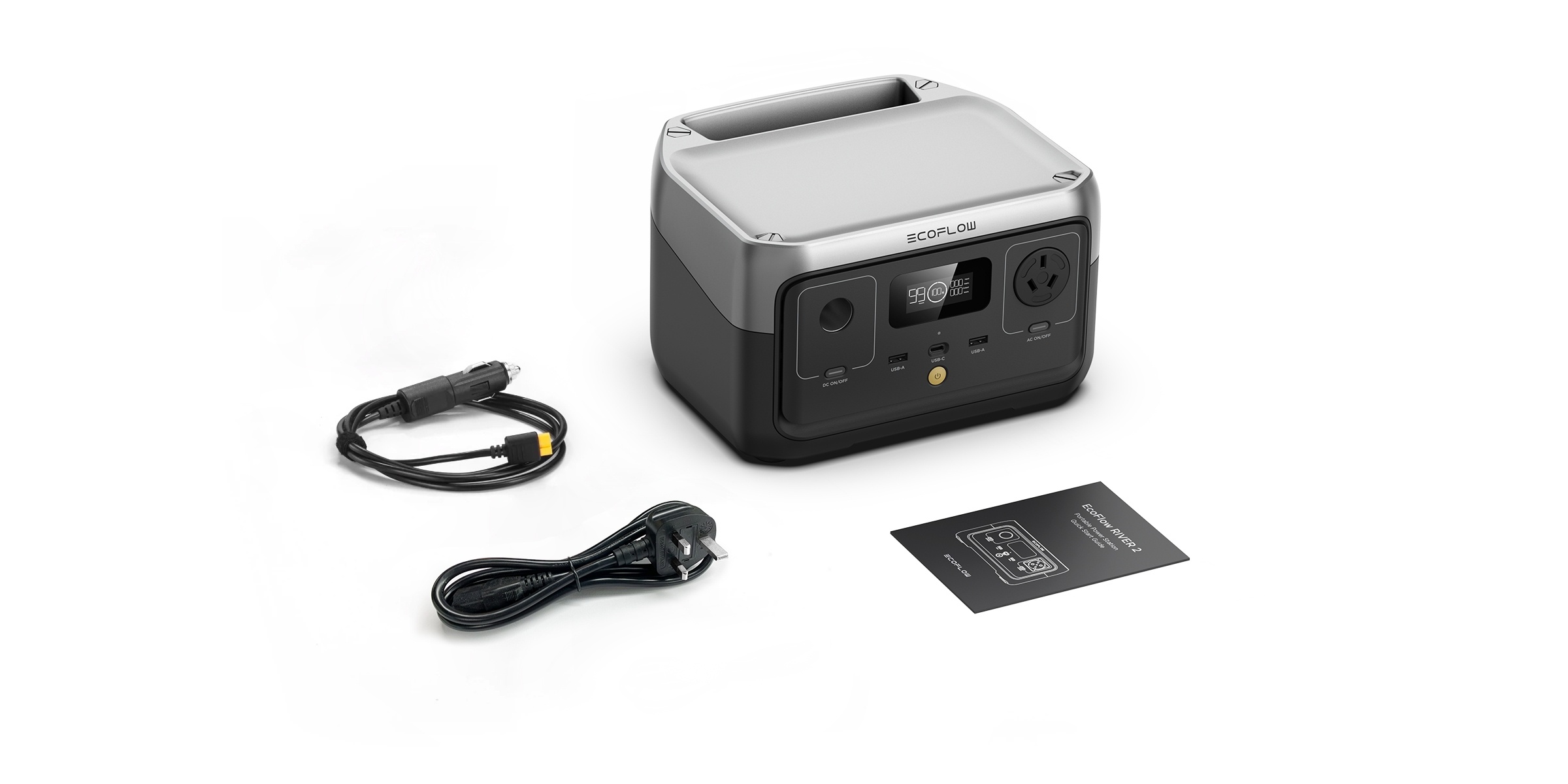
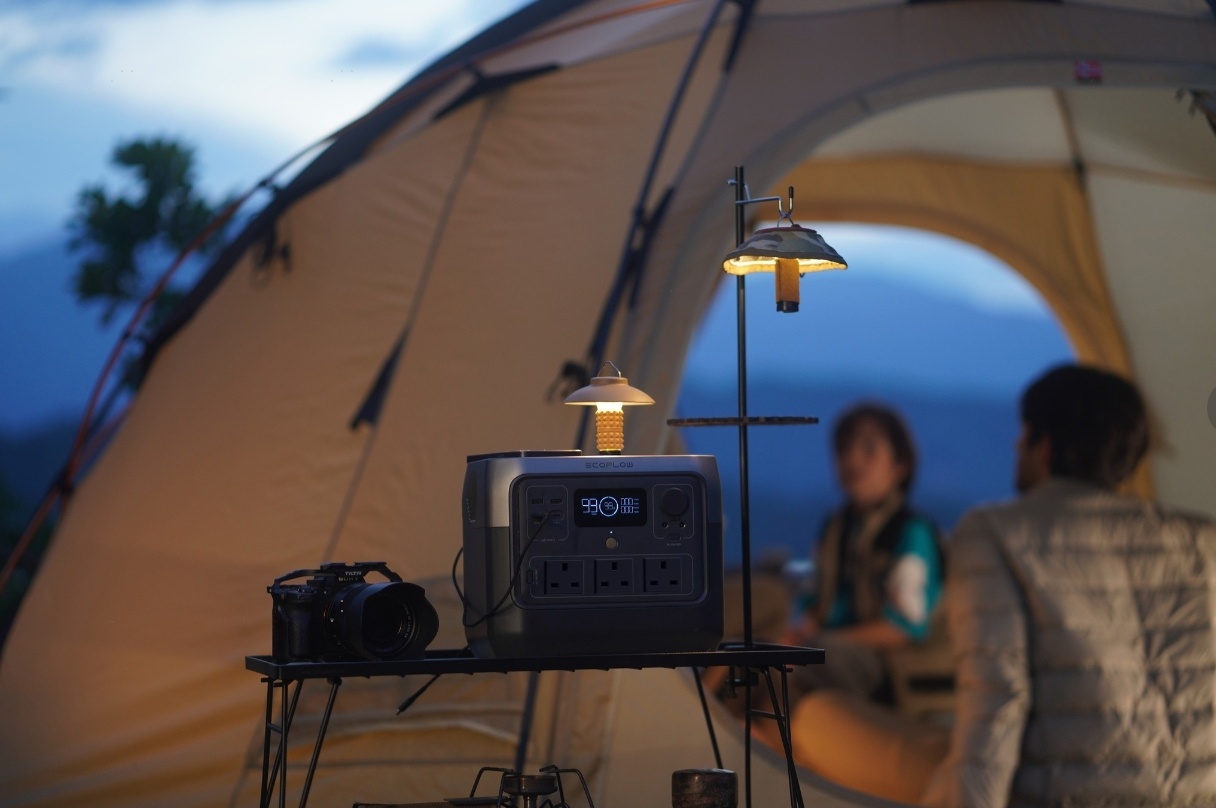

The solution involves creating a "base camp" where gear can recharge. The EcoFlow RIVER 2 Pro portable power station serves as the heart of such a setup. It offers a capacity of 768Wh, which is sufficient to recharge camera batteries dozens of times.
The unit features multiple output ports. It includes four AC outlets, USB-C ports, and USB-A ports. A photographer can charge everything simultaneously. The photographer can plug in a laptop to run backups while charging drone batteries and camera batteries.
The EcoFlow RIVER 2 Pro charges from zero to one hundred percent in only 70 minutes via a wall outlet. Such speed is crucial. A photographer can deplete the unit during the first half of the day and recharge it fully during a dinner break.
The device uses LiFePO4 battery chemistry. Such chemistry is safe and long-lasting. It allows for over 3000 charge cycles. The unit weighs approximately 17 pounds. It is portable enough to carry to the venue but powerful enough to run a mobile studio.
How You Handle Different Light
Photography is the manipulation of light. A wedding photographer must master sunlight, candlelight, and strobe light.
How You Use the Sun
Window light provides the gold standard for preparation photos. It wraps around the subject softly. Placing the bride at a 45-degree angle to a window creates beautiful modeling on her face. Shadows define the features.
Backlighting creates separation. Placing the couple between the camera and the sun creates a rim of light around them. Such a technique adds drama and romance. It effectively separates the subject from a busy background.
When You Need Flash
The sun eventually sets. The reception requires artificial illumination.
On Camera Flash: The simplest tool is a speedlight mounted on the camera. However, pointing the flash directly at the subject creates harsh shadows. The professional technique involves "bouncing" the flash. The head is swiveled to point at a white ceiling or wall. The light hits the surface and scatters. It returns to the subject as a large and soft source of light.
Off Camera Flash: Placing flashes on stands around the room creates dimension. A light in the corner can act as a "kicker" or "rim light." It illuminates the hair and shoulders of people on the dance floor. Such separation prevents the subjects from blending into the dark background.
Modifiers: Bare flash is harsh. Modifiers soften or shape the light. A grid focuses the beam into a spotlight. A sphere diffuses the light in all directions. Gels change the color of the light. A CTO (Color Temperature Orange) gel matches the flash to the warm tungsten bulbs found in most ballrooms. Such balancing guarantees the background does not turn an ugly muddy blue.
Why Guests Love Disposable Cameras
A fascinating trend has emerged in wedding photography. Couples are placing disposable cameras on guest tables.
Why Film Feels Special
In a digital world of perfect filters and endless editing, the raw imperfection of film holds a special charm. Disposable cameras capture the wedding from the guests' perspective. The photos are often gritty, candid, and hilarious. They lack the polish of the professional shots but possess an authenticity that cannot be faked.
How You Help Guests Use Them
Guests need guidance. Many younger guests have never used a film camera. They may not know that the flash is manual.
Instructional Signage Example:
"Be our photographer!
Advance the film wheel until it locks.
Charge the flash (Hold the button until the red light glows!).
Snap the photo.
Leave the camera on the table."
Without the flash, indoor film photos will be black. Explicit instructions about the flash are vital.
Which Cameras Work Best
Brands like Fujifilm and Kodak offer reliable disposable options. Models with higher ISO film (like ISO 800) are better for indoor receptions. The "camera battery" inside the disposable unit powers the flash. It is distinct from the rechargeable batteries used by the professional.
The trend has revived interest in the physical print. The couple waits weeks for development. The resulting envelope of prints feels like a treasure chest of forgotten memories.
How the Day Unfolds
A wedding day is a live event. It follows a script, but improvisations occur constantly. Understanding the flow is essential for anticipation.
Start With Preparation (Hours 1 to 3)
The day begins with details. The photographer arrives and locates the dress, shoes, and rings. A "flat lay" is constructed. A styling board provides a clean background. Ribbons and flowers add texture.
The photographer then documents the finishing touches of hair and makeup. The mood is often a mix of excitement and nerves. Candid shots of bridesmaids laughing in robes are staples. The mother zipping the dress is a classic emotional beat.
Shoot the First Look (Hours 3 to 4)
The "First Look" allows the couple to see each other privately before the ceremony. It creates a pocket of time for portraits. The light is usually controlled. The couple is fresh.
Document the Ceremony (Hours 4 to 5)
The main event. The photographer must be everywhere but seen by no one. Key moments include the procession and the vows and the kiss. The 70 to 200mm lens is the primary tool. The photographer watches the parents in the front row for tears.
Organize Family Photos (Hours 5 to 6)
Guests enjoy drinks while the family gathers for formal portraits. Speed is the priority. A pre-written list is the only way to survive. The photographer acts as a director.
Grouping Strategy Table:
| Grouping Order | Participants | Rationale |
| 1 | Couple + Both Immediate Families + Grandparents | Clears the elderly first |
| 2 | Couple + Both Immediate Families | Removes extended relatives |
| 3 | Couple + Bride's Immediate Family | Focuses on one side |
| 4 | Couple + Bride's Parents | Intimate family unit |
| 5 | Couple + Groom's Immediate Family | Switches sides efficiently |
| 6 | Couple + Groom's Parents | Completes family obligations |
Capture the Reception (Hours 6 to 11)
The party begins. The Grand Entrance requires fast autofocus. The First Dance often features complex lighting. Toasts provide opportunities for reaction shots. The photographer hunts for laughter and tears.
Open dancing is chaotic. The photographer uses a wide angle lens and gets into the crowd. Dragging the shutter (using a slow shutter speed like 1/15th) while firing a flash freezes the subject but blurs the ambient lights. Such a technique conveys energy and motion.
Finish With the Exit (Hour 12)
Sparklers or fireworks often mark the end. The photographer sets up the lighting in advance. The couple runs through the tunnel of light. It creates a cinematic finale to the album.
What You Must Capture
A wedding photography checklist guarantees no moment is forgotten.
What to Shoot During Prep
Invitation suite (full set including envelopes).
Rings (Engagement and bands).
Perfume/Cologne.
Shoes.
Jewelry.
Vow Books.
Heirlooms.
Bouquet/Boutonnieres.
Getting Ready Shots
Hair and makeup application.
Toast with the wedding party.
Putting on the dress/suit.
Parent looking at child in wedding attire.
Letter reading.
Ceremony Requirements
Wide shot of the venue.
Decor details.
Groom walking down the aisle (or waiting).
Processional.
Bride's entrance.
Parent giving away bride.
Vows.
Ring exchange.
The Kiss.
Recessional.
Portrait List
Couple: Full length.
Couple: Close up/Intimate.
Couple: Veil shots.
Couple: Walking/Action.
Bridal Party: Full group.
Bridal Party: Just the guys.
Bridal Party: Just the girls.
Bridal Party: Individual portraits with the couple.
Reception Essentials
Room wide shot (before guests enter).
Table settings.
Cake.
Entrance.
First Dance.
Parent Dances.
Speeches.
Cake Cutting.
Open Dancing.
Grand Exit.
How You Set Your Camera
Settings change constantly. However, certain baselines exist.
Choose Between Manual and Aperture Priority
Manual mode offers total control. It is essential when using flash. The flash power stays constant, so the camera settings must also stay constant.
Aperture Priority is useful in rapidly changing natural light. For example, during the recessional, the couple walks from a dark church into bright sunlight. Aperture Priority allows the camera to adjust the shutter speed automatically to maintain exposure.
How You Focus
"One Shot" focus is for static subjects like details. "AI Servo" or "Continuous" focus is for moving subjects. Modern eye tracking autofocus is a game-changer. It locks onto the eye of the bride and tracks her as she moves. It allows the photographer to focus on composition rather than fighting the focus point.
Why You Use Back Button Focus
Separating the focus function from the shutter button is a technique used by pros. The thumb presses a back button to focus. The index finger presses the shutter to take the photo. It prevents the camera from refocusing every time the shutter is pressed. It allows for focus and recompose techniques without switching modes.
What Happens After the Wedding
The work continues after the wedding. Post-production is where the style is applied.
How to Choose the Best
A twelve hour wedding might generate 8,000 raw files. The client only needs 800. Culling is the process of selecting the best. Software like Photo Mechanic renders previews instantly. The photographer looks for sharpness and expression. Blinks and blurs are rejected.
How You Edit for Style
The selected images are imported into editing software. A preset is applied to establish the "look." The photographer then adjusts exposure and white balance for each image. Consistency is key. The skin tones in the getting-ready photos should match the skin tones in the ceremony photos.
How to Back Up Data
Hard drives fail. It is not a matter of if but when.
The 3-2-1 Backup Rule:
3 Copies of the data.
2 Different media types (SSD and HDD).
1 Copy offsite (Cloud storage).
The photographer must never delete the memory cards until the backup verification is complete.
When the Lighting Gets Tough
Every wedding presents a nightmare lighting scenario. Preparation is the antidote.
Shooting in a Dark Church
Some churches prohibit flash. The photographer must rely on fast glass. Lenses with f/1.4 apertures let in light. High ISO settings like 3200 or 6400 are necessary. Modern noise reduction software can clean up the grain later. A monopod helps stabilize the camera for slower shutter speeds.
Handling Bright Noon Sun
Noon sun creates "raccoon eyes" with deep shadows in the sockets. The solution is open shade. Finding a large tree or the side of a building creates soft light. If shooting in the sun is unavoidable, the photographer puts the sun behind the subject. It acts as a hair light. The exposure is set for the skin tones, which blows out the background but saves the portrait.
Lighting a Dark Barn
Wooden barns absorb light. Bouncing flash off a brown ceiling creates orange light and dark photos. The solution is off-camera flash on stands. The light is directed at the subject rather than bounced. Softboxes or umbrellas are used to soften the direct beam.
If You Shoot Video Too
Many photographers now offer video clips or "fusion" coverage.
Video Needs More Power
Video drains batteries twice as fast as stills. The sensor is always on. The processor works harder. The EcoFlow RIVER 2 Pro becomes even more critical. Hybrid shooters essentially need a portable power plant.
Keep the Camera Steady
Handheld shake is acceptable in photos but distracting in video. A monopod or a gimbal is required. The photographer must move smoothly. The "ninja walk" involves bending the knees and rolling the feet to minimize vertical bobbing.
When You Travel for Weddings
Travel adds complexity.
Never Check Your Gear
Never check cameras or lenses. Airlines lose bags. All essential gear must fit in the overhead bin. A Pelican Air case is the standard for protection. Tripods, light stands, and cables can go in checked luggage.
Check the Voltage
Different countries use different voltages. The EcoFlow RIVER 2 Pro is a large battery. Airline regulations restrict the size of lithium batteries in carry-on luggage. Photographers must check specific airline rules. Often, the large power station must be shipped ahead or rented locally. Smaller power banks are the alternative for flight travel.
Final Thoughts
Wedding photography is a high-stakes profession. There are no "do-overs." The cake is cut once. The first kiss happens once. The professional must be ready.
Preparation is the separation between the amateur and the expert. It involves carrying backup cameras and mastering the behavior of light. It involves managing the psychology of a stressed couple and the logistics of a drunk bridal party. It involves verifying that power is always available through tools like the EcoFlow RIVER 2 Pro.
The equipment serves the vision. The lens choice dictates the feeling. The light placement dictates the mood. But ultimately, the gear fades away. The photographer remains a witness. The goal is to capture the fleeting joy of the human experience and preserve it against the passage of time. The twelve-hour day is a marathon, but the resulting images constitute a legacy.
Gear List
Category | Item Description | Quantity |
Cameras | Full Frame Mirrorless Bodies | 2 |
Lenses | 16-35mm f/2.8 Zoom | 1 |
24-70mm f/2.8 Zoom | 1 | |
70-200mm f/2.8 Zoom | 1 | |
85mm f/1.4 Prime | 1 | |
100mm Macro | 1 | |
Lighting | Speedlights (On Camera) | 2 |
Strobes (Off Camera) | 2 | |
Light Stands | 3 | |
Triggers and Receivers | 1 Set | |
MagMod Modifiers | 1 Kit | |
Power | EcoFlow RIVER 2 Pro | 1 |
Camera Batteries | 6 | |
AA Rechargeable Batteries | 24 | |
Battery Chargers | 2 | |
Support | Carbon Fiber Tripod | 1 |
Monopod | 1 | |
Storage | 128GB SD Cards (UHS-II) | 8 |
Hard Drive Case | 1 | |
2TB SSD (Portable) | 1 | |
Misc | Multi tool | 1 |
Gaffer Tape | 1 Roll | |
Lens Cloths | 5 | |
Rain Covers | 2 |
Timeline Example
| Time | Activity | Photographer Role |
| 11:00 AM | Arrival and Details | Styling flat lays, dress shots |
| 12:00 PM | Hair and Makeup Finishing | Candid shots, robe photos |
| 1:00 PM | Getting Into Dress | Mom zipping dress, putting on shoes |
| 1:45 PM | First Look | Setting up location, capturing reaction |
| 2:15 PM | Couple Portraits | Creative shots around venue |
| 3:00 PM | Wedding Party Photos | Fun group shots, walking shots |
| 3:45 PM | Immediate Family (Pre-Ceremony) | Quick parents/siblings shots |
| 4:30 PM | Hide Couple / Detail Venue | Photographing empty ceremony site |
| 5:00 PM | Ceremony Starts | Procession, vows, rings, kiss |
| 5:45 PM | Ceremony Ends / Recessional | Exit shots, signing license |
| 6:00 PM | Cocktail Hour / Extended Family | Formal groups, candids of guests |
| 7:00 PM | Grand Entrance | Lighting setup, action shots |
| 7:15 PM | First Dance | Off-camera flash, atmospheric shots |
| 7:30 PM | Toasts / Dinner Service | Reaction shots, food details |
| 8:30 PM | Parent Dances | Emotional moments |
| 8:45 PM | Cake Cutting | Action shot |
| 9:00 PM | Open Dancing | Wide-angle lens, dragging shutter |
| 10:50 PM | Last Dance / Setup Exit | preparing lighting for exit |
| 11:00 PM | Grand Exit | Sparklers, car getaway |
For press requests or interview opportunities, reach out to our media team
media.na@ecoflow.com