Tax Implications of Being a Digital Nomad in Different States
Increasingly, more Americans are adopting digital nomad lifestyles each year, opting for location independence and the freedom to work on their own terms. However, state tax laws can make your obligations quite complex, especially because they vary by jurisdiction.
Mobile workers who travel by RV face these unique challenges every tax season, but understanding domicile rules around the U.S. can help you avoid unexpected tax bills and compliance penalties.
Here’s how to plan to potentially save thousands annually while maintaining your nomadic freedom.
Understanding Tax Domicile vs. Physical Location
Your tax domicile isn’t the same thing as your physical location or your mailing address. States use domicile to determine comprehensive tax obligations or worldwide income, and your physical location triggers different rules for income sourcing or temporary tax duties.
What is Tax Domicile?
Tax domicile is a legal concept that represents your permanent home state for tax purposes. It’s irrelevant to your current physical location. Your domicile is established through a combination of things: your physical presence, intent, and official state connections.
You can generally maintain only one domicile at a time in the U.S., and changing it to a new state requires formal steps.
How States Determine Tax Obligations
Most states use a 183-day rule for statutory residency, which triggers full tax obligations. Your permanent address, voter registration, and driver’s license also create a presumption of state residency.
Some states also use “convenience of employer” rules to tax remote work. This means that if an employee works remotely due to convenience rather than necessity, they may be subject to taxation by the employer’s state, which could result in double taxation.
The burden of documentation falls on you, the taxpayer, to prove your non-resident status in states where you may have worked as a digital nomad.

Common State Tax Scenarios for Digital Nomads
The landscape of state taxes varies significantly between states for the same income level, so strategically choosing your domicile location can have a substantial impact on your annual tax burden. Timing your moves also matters for partial-year resident calculations. This highlights the importance of proactive planning in avoiding unnecessarily high taxation.
No-Income-Tax States
Certain states are ideal for establishing a tax domicile because they do not have a state income tax. These include Florida, Texas, Wyoming, South Dakota, New Hampshire, Tennessee, Washington, Alaska, and Nevada.
Establishing a legitimate domicile requires more than just your mailing address or taking brief visits back home – you must demonstrate an intent to remain in the state permanently through official state connections, such as registering your RV.
High-Tax States to Watch
Certain states may carry more aggressive income taxes, such as California, which pursues former residents with a presumption of continued residency. Then there’s New York, which has statutory resident rules that trigger full taxation after 184 days (roughly half a year).
Connecticut and New Jersey also impose exit taxes on certain high-earning departing residents, so that’s something to look out for.
These states regularly audit nomads and require extensive documentation.
Double Taxation Trap
Avoid getting taxed simultaneously by multiple states, which can double your obligations on the same income.
How Double Taxation Occurs
When your home state claims resident taxation on worldwide income, but travel states also claim taxation on your locally-performed work, you can find yourself in a challenging spot. Partial-year resident rules in multiple states can also overlap, creating excessive coverage.
Remote work complicated things even further when the location of the employer and employee differ.
Appealing double taxation can be a lengthy state appeal process, and costs add up quickly for nomads without a permanent address.
Essential Tools and Setup for Digital Nomads
When you work from anywhere your wheels take you, you need a setup that can support you. Choosing the right mobile office equipment and reliable power sources ensures you can work remotely with no geographical barriers.
Mobile Office Equipment
Use a suite of tech for your off-grid office.
Laptops
Backup batteries
Cellular hotspot or satellite internet
Ergonomic workspace setup: laptop riser, ergonomic mouse, chair cushion, etc.
Professional video conferencing equipment
Secure VPN connection
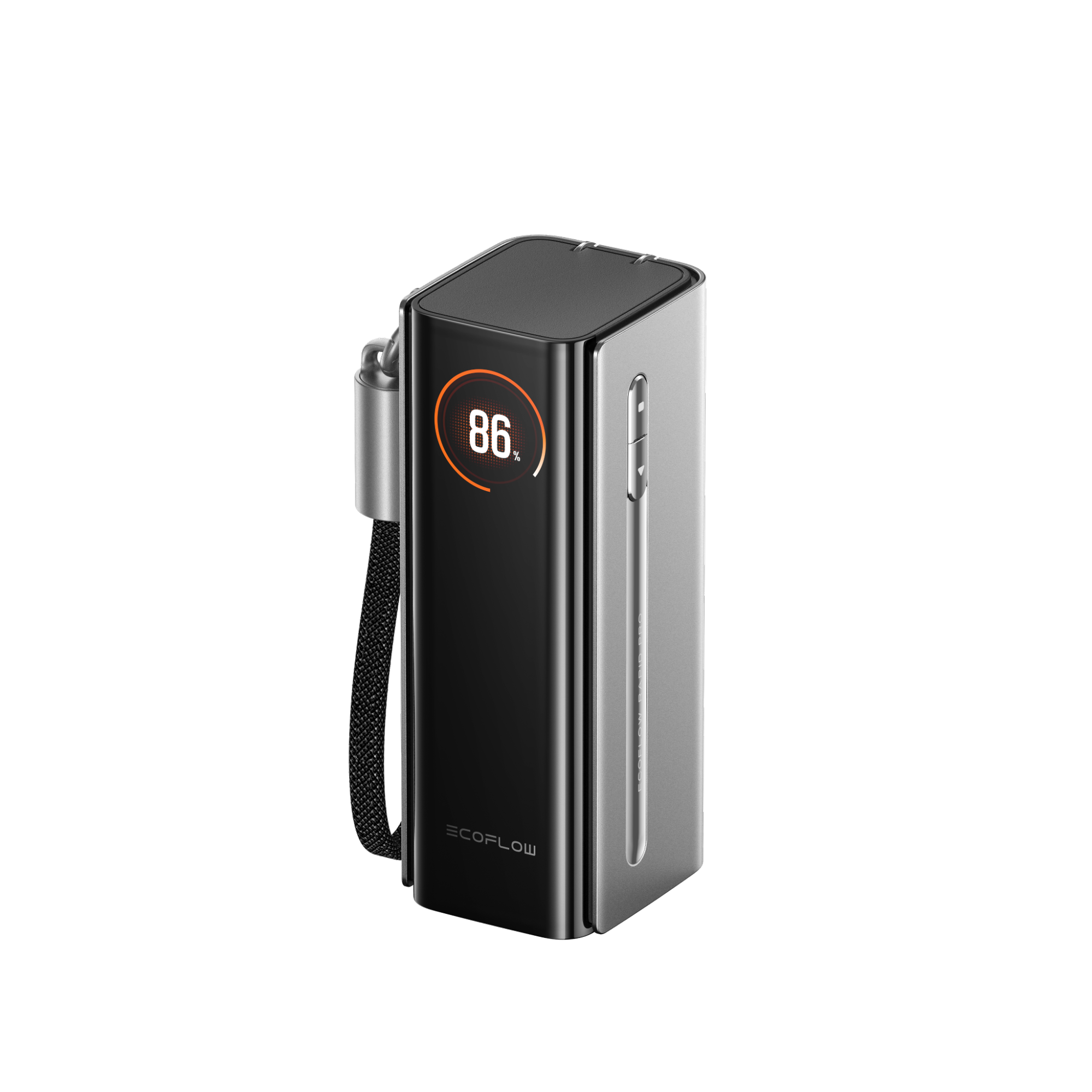
Backup power source - EcoFlow Power Banks are a perfect choice
Record Keeping
Keep track of your taxes with thorough documentation to support any appeals you may need to make to clarify your domicile.
GPS tracking apps
Cloud-based accounting software
Digital receipt scanner
Time-tracking applications
Backup systems to protect tax data from device loss/technical issues
State-Specific Considerations for RV Nomads
Where your car is registered has some but not complete influence on your tax domicile establishment.
Vehicle Registration Impact
Your vehicle registration state supports your domicile claims, but if that’s all the evidence you have, it will be insufficient. You’ll also need insurance, voter registration, or a driver’s license to align with your chosen domicile state.
Keep in mind that car registration renewal must be done annually; planning your travel around this schedule will help you avoid late fees.
Establishing Legal Domicile
Most states require you to spend substantial periods of time in your chosen legal domicile. You should also keep your bank accounts, medical providers, and professional services concentrated in that state. Other ways you can demonstrate an intent to remain in that state permanently include social connection, community involvement, property ownership or long-term leases, professional licenses or business registrations, and regular return visits.
Tax Planning Protects Digital Nomads From Multi-State Risk
Planning for your taxes before the tax year begins is essential to set yourself up for success and avoid unnecessarily high income tax burden. It’s a good idea to seek professional tax advice if you have any questions, given the complexity and high stakes of multi-state compliance. You can receive personalized advice on your specific scenario and learn how to optimize your tax structure.
Pairing preparation with the right technology solutions and reliable equipment will empower both your compliance and productive remote work. The EcoFlow RAPID Pro X Power Bank is a perfect on-the-go solution for maintaining your mobile office's power independence, ensuring seamless productivity wherever your travels take you.
For press requests or interview opportunities, reach out to our media team
media.na@ecoflow.com