Portable Air Conditioner vs. Window AC: Which is the Best Choice for You?
With the warmer season right around the corner, you may be looking for some ways to keep your space cool without breaking the bank. Traditional air conditioning units, while effective, can cost a ton of money to run at full power and can struggle to keep your entire space cool as temperatures continue to rise.
The good news is that homeowners can consider plenty of other options when trying to efficiently and affordably cool down their interior spaces. Portable air conditioners and window units are two more popular options, but which is best?
Read on to learn the pros and cons of each cooling solution and which one may be best for you.
Portable Air Conditioners
If you feel your space needs a little help cooling down but don’t want to invest in a traditional air conditioner, a portable option may be the best choice. These air conditioning units thrive in small spaces and quickly help to lower the temperature in the general area it is running in. They can even offer certain health benefits for those who deal with allergies in their homes.
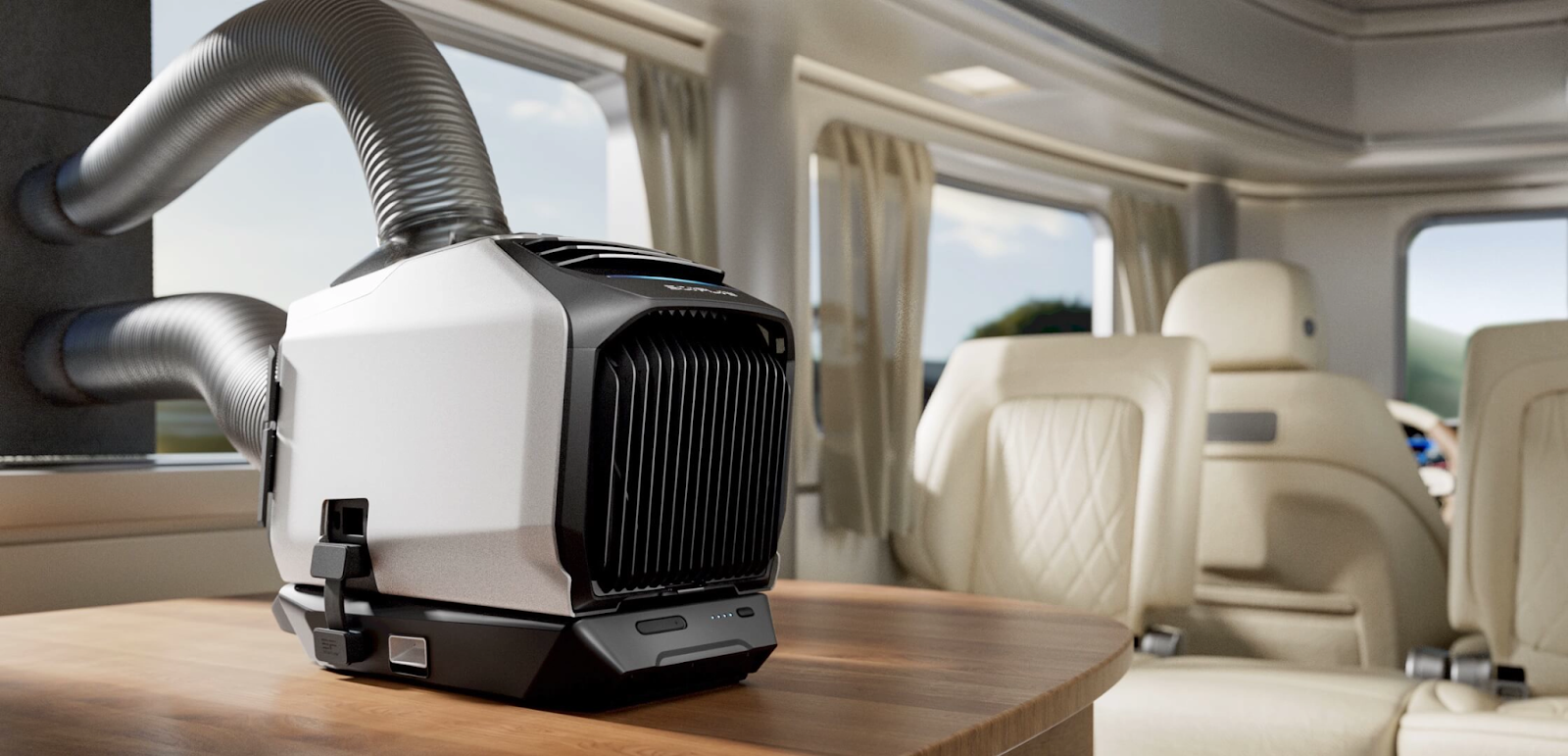
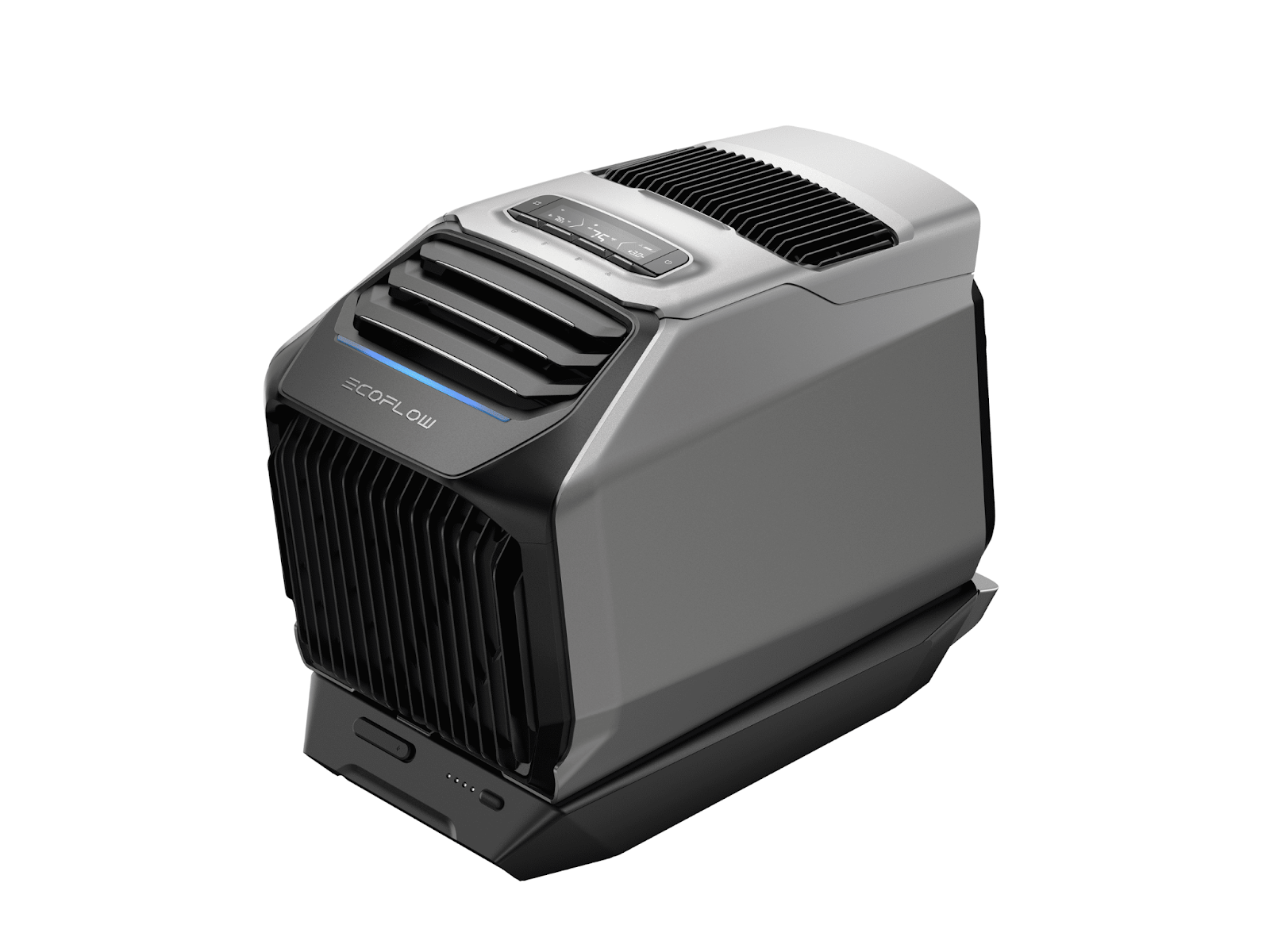
Take the EcoFlow Wave 3 Portable AC, for example. This portable unit is perfect for individuals who are looking to cool off a singular space or maybe want something easy to take on the go. If you are an avid traveler or even a camper, you may want to consider this the better option for you.
Pros and Cons of Portable Air Conditioners
While portable air conditioners offer plenty of benefits, there are also some cons to consider. Below, we break down the main things you should consider when buying a portable AC unit.
Pros:
- Easy to Install: Unlike a traditional AC unit, portable systems are straightforward to install and do not require the help of a professional.
- Portable: As mentioned above, these items are easy to take with you and can be moved from space to space as your needs change.
- Compact: Unlike traditional air conditioners, portable AC units are small and take up much less space than their larger counterparts.
Cons:
- Efficiency: While these items are smaller, they are not quite as efficient to run as traditional AC units. These portable options are designed for smaller spaces and will, therefore, struggle to cool off larger areas.
- Noisy: These items are out in the open while in use, so they are typically a bit louder than traditional AC units.
- Lifespan: Portable units are great for short-term use and in small spaces but will likely not last as long as investing in a more permanent unit.
Window Air Conditioners
Another popular cooling solution people consider installing in their homes is a window air conditioner. These units are simple to use and are typically controlled by a thermostat or remote. Window units run quite efficiently and may be best if you want to lower the temperature in individual rooms and/or open spaces throughout your home.
Pros and Cons of Window Air Conditioners
Window air conditioners are a permanent solution to cooling your interior space. However, they do offer their own set of pros and cons, which we dive into below.
Pros:
- Cost-Effective: While typically a bit more expensive than a portable unit, these items are much more energy-efficient and overall less expensive to keep running.
- Space-Saving: Window units, as the name suggests, are installed in your window so they do not take up any floor space in your home.
Cons:
- Installation: Though these units can be installed without the help of a professional, it is not recommended. Proper installation is important to ensure you can reap the cost-effective and energy-efficient rewards this type of unit offers, so don’t skimp on hiring professional help to install your unit.
- Cooling Capacity: While these units can typically cover a bit more ground than portable AC units, they are still designed only to cool off a small amount of space. Singular rooms or open-floor plan spaces will benefit the most from this unit style.
- Seasonality: If you install these units in windows, you may have to remove them when the winter seasons arrive.
What Factors Should You Consider When Choosing Between a Portable and Window AC?
Installation
The effort of installation is an important consideration that may sway your overall decision. In a general sense, portable AC units are the simplest to install as they do not require the help of a professional and are easy to move around as needed. If installation is your primary consideration, a portable AC unit may be your best option.
Performance
Performance, meaning how well each of these units can cool off your home in an allotted period, is a critical consideration when making your decision. After all, the goal is to have your home cooled off quickly, so you want to make sure you are purchasing a unit that is up to the challenge.
Both window and portable AC units offer similar performance levels when working to cool off your home. Both styles of units are designed to be used in smaller spaces, though window units are more powerful, and their cooling effects may spread further than portable units. This depends on the layout of your home and the space you are trying to cool, so consider this as you make your decision.
Energy Efficiency
While both portable and window AC units offer a certain efficiency level, window units win in this overall category. These units require a smaller amount of energy to be powered, resulting in lower energy costs over time.
If energy efficiency is your highest concern, there are other options. The EcoFlow Solar Generator or EcoFlow DELTA Series Solar Generators are excellent investments for homeowners looking to save in the long run. Solar generators are highly energy efficient and are definitely something to consider for long-term solutions to your cooling needs.
Cost
Both window and AC units are more cost-effective than traditional or central AC units, but one does win in this category. Portable AC units offer a lower up-front cost than both window and central units and are great if you are trying to cool off your space on a budget.
That being said, it is important to note that window units tend to cost less to run over time. This is because they require a bit less energy usage and will not rack up your electric bill if kept on for long periods of time.
Frequently Asked Questions
Does a Portable AC Work Better Than a Window AC?
Both portable AC units and window AC units have benefits and disadvantages. Portable AC units are typically easier to set up and move around as needed. They are designed for short-term use and can easily be transported from room to room for cooling needs.
Is a Portable Air Conditioner Better Than a Traditional Air Conditioner?
Traditional air conditioners are designed to cool an entire home, while portable units have a more specific use case. These units are meant for small to medium-sized spaces and can quickly cool off enclosed areas, while a traditional air conditioning unit will take more time and energy to cool the entire home. Both units offer plenty of benefits, and it will depend on your specific needs and which one may be best for you.
Final Thoughts
At the end of the day, both portable and window AC units offer their own set of benefits and drawbacks that should be considered before you make your purchase. Cooling off your home, especially with the warmer seasons approaching, can be easy if you select the right unit for your specific needs.
Are you interested in learning more about how a portable AC unit could help to cool off your space? Learn more about EcoFlow’s Wave 3 Portable AC and all of its amazing cooling capabilities.
For press requests or interview opportunities, reach out to our media team
media.na@ecoflow.com