The Ultimate Guide to a Montana Spring Trout Fishing Getaway
- Why Montana is a Top Spring Trout Fishing Destination
- Best Rivers and Lakes for Spring Trout Fishing in Montana
- How to Plan a Montana Trout Fishing Trip in Spring
- Montana Spring Trout Hatch Guide
- Essential Gear and Techniques for Montana Spring Trout Fishing
- Guided Fishing Trips vs. DIY Adventures
- Combining Your Fishing Getaway with Montana Adventures
- Conclusion
- FAQ
As winter snow begins to melt and Big Sky Country starts to wake up, Montana quickly turns into a dream destination for fly fishing. Spring creates a short but exciting window when anglers can target trophy-sized trout before the busy summer season begins. Rivers start to open, insect activity slowly returns, and hungry fish become more willing to chase a fly after months of cold water.
This guide walks you through how to plan a memorable Montana trout fishing getaway in spring. From the well-known hatches on the Madison River to the practical gear you’ll want when heading deep into Montana’s backcountry, we’ll cover the essentials. You’ll also learn about some of the best fishing spots, seasonal techniques that work during spring, and a few practical tips for navigating the wilder side of Montana with confidence.
Why Montana is a Top Spring Trout Fishing Destination
Montana has long held a special place in the fly-fishing world. When spring arrives, rivers begin to warm slightly, and trout become far more active after the slow winter months. As water temperatures gradually climb, fish start feeding more consistently, giving anglers some of the most productive fishing days of the year before the busy summer season begins.
Abundant Trout Species and Ideal Spring Conditions
Montana’s cold, clear rivers support an impressive range of trout species. Anglers regularly encounter hard-fighting Brown trout, energetic Rainbow trout, and the native Westslope Cutthroat, which many consider a bucket-list catch. Spring marks the transition out of winter dormancy. As water temperatures move into the 40-50℉ range, trout begin feeding more aggressively, making it easier to trigger strikes with both dry flies and nymph patterns.
Scenic Landscapes and Outdoor Adventure
Fishing is only part of the experience. Montana’s rivers run through wide valleys, pine forests, and rugged mountain ranges that still hold snow well into spring. It’s common to see elk moving along the riverbanks or bald eagles circling above the water. On many early-season mornings, the river access points are nearly empty, giving anglers long stretches of water that feel quiet and untouched.
Best Rivers and Lakes for Spring Trout Fishing in Montana
Montana is a big state, and choosing where to fish can make a huge difference in your trip. With thousands of miles of rivers and countless lakes, anglers have options ranging from well-known tailwaters to quiet backcountry waters. Whether you’re chasing rising trout on a famous river or exploring a peaceful mountain lake, Montana offers plenty of places to start.
Iconic Trout Rivers
Several rivers have earned legendary status among fly anglers. The Madison River, Yellowstone River, and Missouri River are often at the top of the list. In spring, the Missouri, often called the “Mighty Mo”, is known for large groups of trout feeding steadily on the surface. The Madison, on the other hand, produces reliable action with nymphs and streamers throughout the early season. These rivers attract anglers from across the country and remain central to Montana’s fly-fishing culture.
Hidden Gems for Anglers
For anglers hoping to avoid busy boat traffic, Montana also offers plenty of quieter water. Smaller tributaries and rivers like the Smith River provide a more remote experience. The Smith is famous for its multi-day float trips through deep limestone canyons, where fishing and scenery go hand in hand. Once you drift into the canyon sections, cell service usually disappears, and the focus shifts entirely to the water and the trout.
Top Lakes for Spring Fishing
Stillwater fishing is another excellent option in spring. Lakes such as Hebgen Lake and Georgetown Lake are known for producing some of the state’s largest trout. After winter ice melts, many lakes experience what anglers call the “ice-off” period. During this time, trout move into shallow water to feed, often close to shore. That makes it possible for both boat anglers and those casting from the bank to hook into surprisingly large fish early in the season.
How to Plan a Montana Trout Fishing Trip in Spring
A successful trip to the Treasure State takes a little planning. Spring weather in Montana can change quickly, and river conditions shift as snow begins melting in the mountains. Paying attention to timing and setting up a reliable Basecamp can make the difference between a smooth fishing getaway and a frustrating weekend on the water.
When to Go
The best window for spring trout fishing usually falls between late March and May. During this period, rivers begin to clear after winter ice breaks up, and trout become more active as water temperatures rise. It’s also the stretch of time before the annual spring runoff, when melting mountain snow pushes river levels up and turns many freestone rivers fast and muddy.
Accommodations
Montana offers everything from high-end fishing lodges to simple riverside campsites. Many anglers prefer overlanding or camping near the water, especially when exploring areas like the Smith River or remote sections near Yellowstone. These spots often require a bit more self-sufficiency, since they sit far from towns and establishedpower sources, making a reliable portable power station an essential part of a modern backcountry setup.
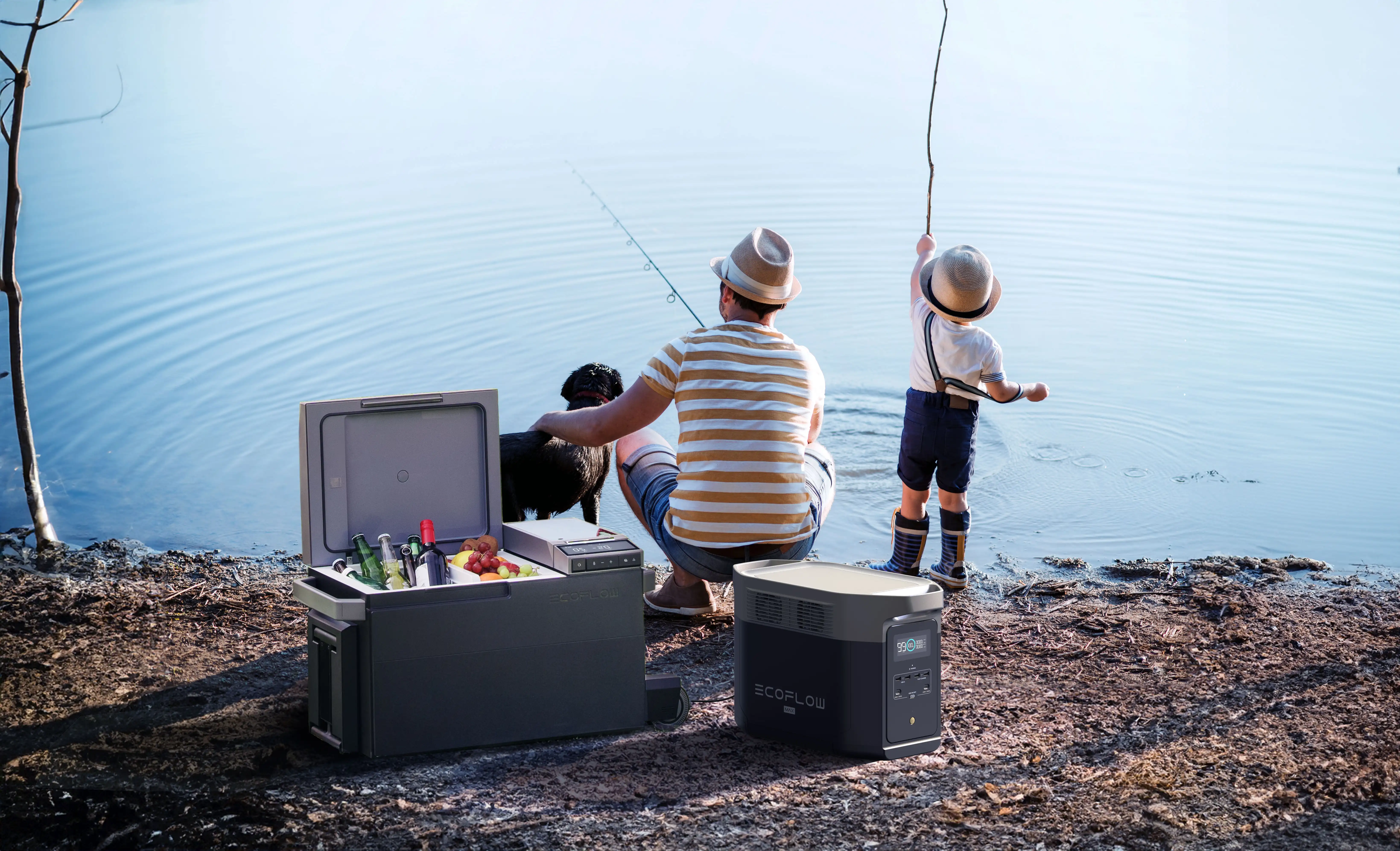
When you’re spending several days in the backcountry, having dependable power makes a big difference. For longer 3-5 day overlanding trips, a portable power station like the EcoFlow DELTA 2 Max Portable Power Station can help keep essential gear running. With its 2048Wh capacity, it can power a portable car refrigerator for days, which is useful for keeping food fresh or properly storing fish according to Montana Fish, Wildlife & Parks (FWP) regulations. It also provides quiet charging for devices like phones, drones, or fish finders while you’re camped along the river. For anglers who spend extended time away from towns, reliable power simply makes the entire camp setup easier.
Fishing Licenses and Regulations
Before heading out on the water, it’s important to understand Montana’s updated fishing license system. As of March 1, 2026, Montana Fish, Wildlife & Parks (FWP) moved to a fully digital licensing system.
Plan Ahead and Buy Online
Fishing licenses can no longer be purchased as paper copies at local fly shops. All anglers must now buy licenses through the official FWP MyFWP online portal or mobile app before heading out.
What You Need
A legal setup for non-resident anglers typically includes:
Conservation License: required for most outdoor recreation activities in Montana
Base Fishing License: In 2026, a non-resident 5-day license costs $56
AIS Prevention Pass: mandatory to help prevent the spread of Aquatic Invasive Species
Proof of License
After purchasing your license, make sure you save the digital PDF on your phone or carry a printed copy in a waterproof gear bag. Many of Montana’s best fishing locations sit deep in mountain canyons where cell service disappears quickly, so having your license accessible offline is essential.
Montana Spring Trout Hatch Guide
Timing your fishing trip around an insect hatch can make a huge difference on Montana rivers. As spring progresses and water temperatures slowly climb, several key hatches begin to appear across the state. Knowing what trout are feeding on during each part of the season helps anglers select the right fly patterns and adjust their approach on the water.
| Month | Common Spring Hatches | Best Fly Patterns |
|---|---|---|
| March | Midges | Zebra Midge, Griffith’s Gnat |
| April | Blue-Winged Olives (BWO) | BWO Parachute, RS2 |
| May | Mother’s Day Caddis | Elk Hair Caddis, X-Caddis |
Many Montana anglers look forward to the Mother’s Day Caddis hatch in May, which is widely considered one of the most exciting events of the spring season. During these large hatches, caddisflies cover the water, and trout begin feeding aggressively along the surface. For fly anglers, it often creates excellent dry-fly opportunities, with steady rises happening throughout the day on many rivers across the state.
Essential Gear and Techniques for Montana Spring Trout Fishing
Choosing the right fly matters, but the gear supporting your day on the water plays a big role, too. Spring fishing in Montana often means cold mornings, changing weather, and long hours outdoors. Having reliable equipment helps anglers stay comfortable and focused, especially when conditions shift throughout the day.
Essential Fishing Gear
A versatile 5-weight or 6-weight fly rod works well for most Montana rivers in spring, giving you enough control for delicate presentations while still handling wind and heavier nymph rigs. Solid wading boots with good traction are equally important, since early-season river rocks can be slick and unpredictable.
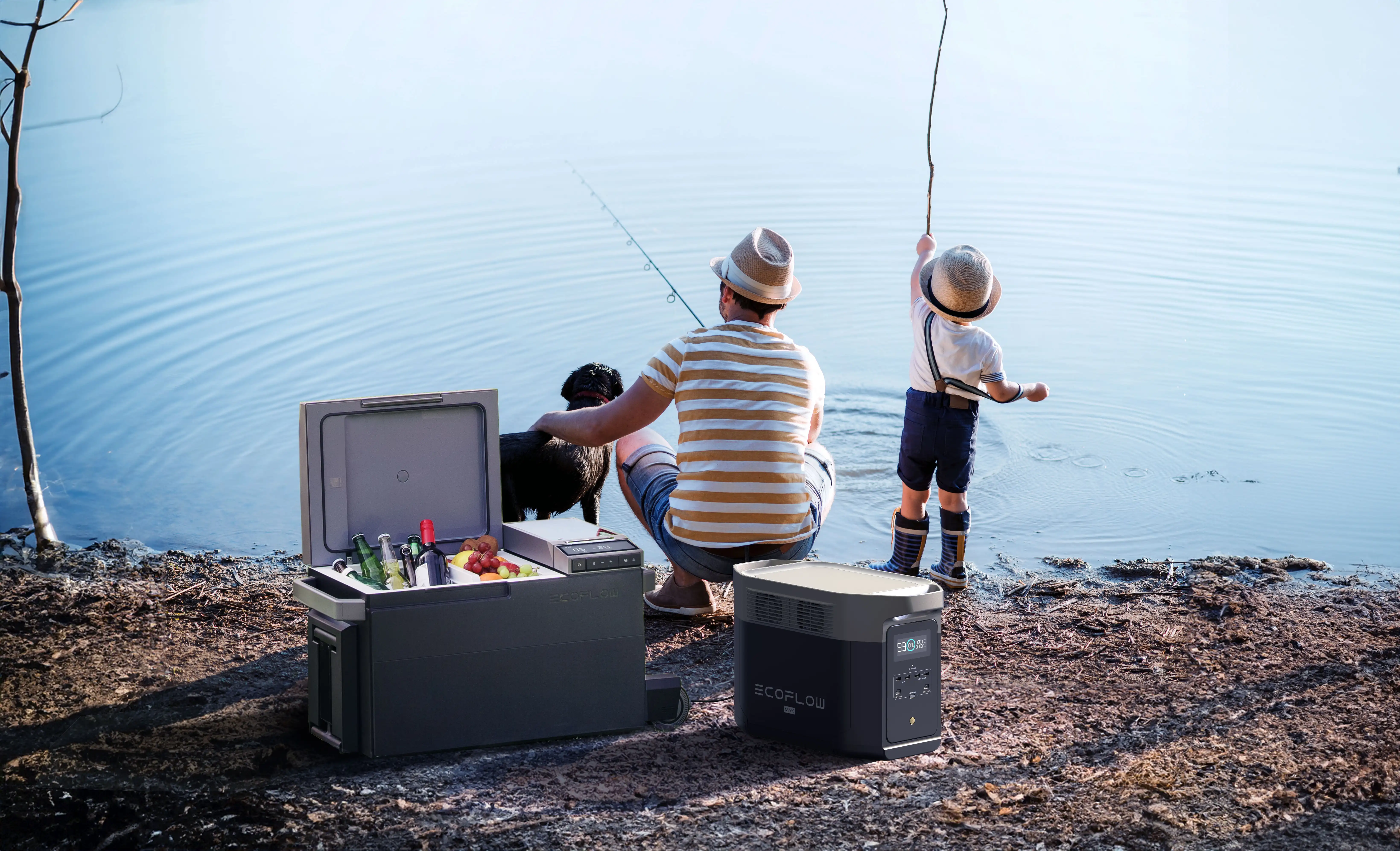
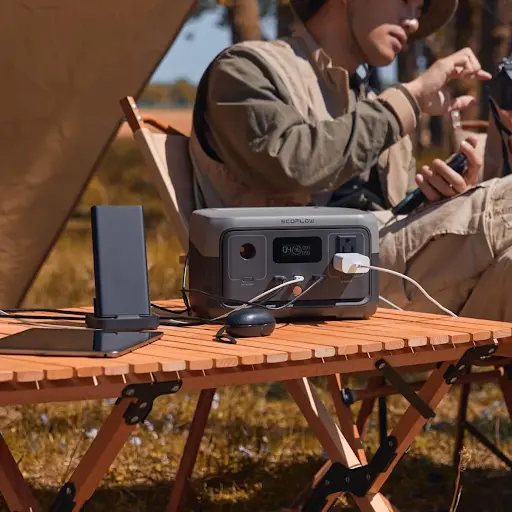
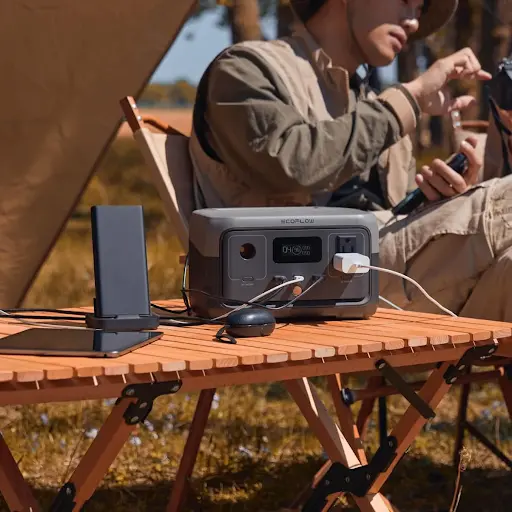
Electronics can also make a trip smoother, especially if you’re camping near remote lakes or rivers. For anglers spending a quiet weekend at a lakeside campsite, a compact power station like the EcoFlow RIVER 2 Portable Power Station can be a convenient addition to the gear setup. It’s light enough to carry easily but provides enough power to keep phones, headlamps, cameras, or fish finders charged throughout the trip. On colder Montana spring mornings, when temperatures sometimes hover close to 32℉, having a reliable power source also makes it possible to run gear like heated vests or small electric blankets for extra warmth while waiting for the first trout to start rising.
Fly Fishing Patterns and Techniques
Spring trout feeding patterns tend to revolve around Blue-Winged Olives (BWOs) and Midges, which appear frequently on many Montana rivers during cloudy afternoons. When fish are rising, matching these small insects with dry flies can produce steady action. If the surface activity slows down, many anglers switch to nymphing with patterns such as San Juan Worms or stonefly nymphs to reach trout feeding near the river bottom. Another productive option is stripping streamers, which can trigger aggressive strikes from larger Brown trout defending their territory.
Expert Tips for Maximizing Your Catch
Water temperature often tells the real story on spring rivers. Even a small increase of 2-3℉ can suddenly make trout more active and willing to feed. Cloud cover can also influence fishing conditions. Overcast days often lead to stronger insect activity, which encourages trout to rise more consistently throughout the day. In these low-light conditions, mastering the night enables anglers to target trophy trout under the cover of darkness.
Guided Fishing Trips vs. DIY Adventures
The way you experience Montana fishing often comes down to your skill level and the kind of trip you want. Some anglers prefer the guidance and efficiency of a professional guide, while others enjoy the challenge of exploring rivers on their own.
Benefits of Hiring a Local Guide
For first-time visitors, hiring a local guide can make the trip much smoother. Guides know the rivers, understand seasonal hatches, and often have years of experience reading water conditions. They provide the boat, gear recommendations, and fly selections that match what trout are feeding on that day. While you focus on casting and improving your technique, the guide manages the rowing and navigation. For many anglers, this local knowledge turns an average fishing day into a much more productive one.
Planning a DIY Trip
Anglers who enjoy independence often choose the DIY approach. Planning your own trip allows you to explore rivers at your own pace and follow those thin blue lines across Montana’s maps. Many fishing access points sit far from towns, which makes preparation important. With a capable 4x4 vehicle, a high-capacity solar generator for off-grid energy, and enough supplies for several days, anglers can reach quiet stretches of river that see very little pressure. For those who enjoy the adventure side of fishing, Montana offers endless opportunities to explore.
Combining Your Fishing Getaway with Montana Adventures
Montana offers far more than great trout water. While fishing may be the main reason for the trip, the surrounding landscapes and outdoor experiences make it worth slowing down and exploring beyond the river.
Wildlife and Nature Exploration
Consider setting aside a day to visit Yellowstone National Park or Glacier National Park, both within reach of many popular fishing areas. Spring is an especially good time for wildlife viewing. You might spot young bison calves, often called “red dogs”, moving across the plains, along with elk, deer, and occasionally wolves traveling through open valleys. Early mornings and late afternoons tend to offer the best chances for seeing animals in their natural habitat.
Local Culture and Cuisine
After a full day on the water, Montana’s small towns provide a welcoming place to relax. Communities like Bozeman, Missoula, and Livingston have a strong outdoor culture, with local diners, breweries, and fly shops lining the streets. Many anglers end the day with a classic Montana treat, such as a huckleberry milkshake, a locally brewed craft beer, or a hearty bison burger. Around here, the tradition of relaxing after fishing, often jokingly called “après-fish”, is part of the overall experience.
Conclusion
A spring trout fishing trip in Montana is more than just time on the water; it’s an experience many anglers remember for years. By planning around seasonal hatches, exploring some of the state’s quieter rivers and lakes, and preparing with the right gear for backcountry conditions, you can make the most of this short but exciting fishing season.
Whether you’re casting on a famous river like the Madison or setting up camp beside a quiet mountain lake, spring offers a unique window before the peak summer crowds arrive. Pack your waders, review your fishing gear checklist for pros, and get ready to enjoy Montana’s wide-open landscapes and some of the best trout fishing the state has to offer.
FAQ
1. When is the best time to go fly fishing in Montana?
The prime window for spring fly fishing in Montana usually runs from late March through mid-May, just before mountain snowmelt begins the annual runoff. During this period, rivers start to warm and trout become far more active after the slow winter months. It’s also when popular insect hatches begin to appear, including the well-known Mother’s Day Caddis hatch, which can create excellent dry-fly fishing on many Montana rivers.
2. What weight fly rod is best for trout?
A 9-foot, 5-weight fly rod is widely considered the most versatile setup for trout fishing in Montana. It handles delicate presentations for dry flies while still providing enough strength to manage wind and weighted nymph rigs. Anglers fishing larger rivers like the Yellowstone or targeting bigger brown trout with streamers sometimes move up to a 6-weight rod, which offers a bit more casting power.
3. What are the daily bag and possession limits for trout?
Daily trout limits vary depending on the specific river or lake. On many of Montana’s well-known Blue Ribbon fisheries, anglers may keep up to five trout per day, though often only one fish may exceed 18 inches. Many stretches of river also operate under catch-and-release regulations to protect wild trout populations. Always review the latest Montana Fish, Wildlife & Parks (FWP) regulations for the exact waters you plan to fish.
4. Which trout species are most common in Montana rivers?
The three trout species anglers most commonly encounter in Montana are Rainbow trout, Brown trout, and Westslope Cutthroat trout. Rainbows are known for their energetic jumps and strong fights. Brown trout are often larger and more cautious, which makes landing them especially rewarding. The Westslope Cutthroat, Montana’s state fish, is easily recognized by the red slash marks beneath its jaw. In colder headwaters or high-elevation streams, anglers may also find colorful Brook trout.
5. Can you fish in Montana during spring runoff?
Fishing is still possible during runoff, although conditions can become challenging. Runoff typically begins in late May or early June, when melting mountain snow raises river levels and reduces water clarity. During this time, anglers often focus on tailwater rivers or spring creeks where flows remain more stable. Rivers such as the Missouri River below Holter Dam or the Bighorn River often stay clear enough for trout fishing even during high water.
6. What flies work best for trout in spring?
Spring trout feeding patterns usually revolve around Midges, Blue-Winged Olives (BWO), and Stonefly nymphs. Early in the season, small Midge patterns tend to produce consistent results. As the season progresses, BWO hatches often bring trout to the surface during cloudy afternoons. When fish are not rising, anglers commonly switch to subsurface patterns like a San Juan Worm or Pat’s Rubber Legs, which imitate larger food sources trout often target after winter.
For press requests or interview opportunities, reach out to our media team
media.na@ecoflow.com