How to Heat a Dog House Without Electricity
- Heat Moves From Hot To Cold Areas
- The Right Spot Stops The Wind
- A Smaller Room Stays Warmer
- Insulation Boards Stop The Freeze
- Straw Bedding Works Best
- A Door Flap Blocks The Drafts
- Batteries Provide Emergency Warmth
- Plastic Houses Need Extra Help
- Daily Checks Keep Dogs Safe
- Biology Helps The Dog Survive
- Advanced Materials Boost Performance
- Safe Heating for Outdoor Dog Houses
Keeping a canine companion warm requires simple science. Cold weather threatens safety when temperatures drop below freezing. A shelter acts as the primary defense against the cold. Proper preparation transforms a simple box into a warm sanctuary.
Heat Moves From Hot To Cold Areas
Heat functions as energy that moves from warmer zones to cooler ones. A dog shelter exists to slow down such transfer. The animal generates warmth through metabolism. The structure must capture that warmth before it escapes into the winter air. Three main forces dictate heat loss: conduction, convection, and radiation. A successful strategy addresses all three forces at once.
Cold Floors Steal Body Heat Rapidly
Conduction occurs when two objects touch. A dog lying on a frozen floor loses body heat instantly. The floor sucks energy from the belly and paws. Materials like concrete or thin plastic offer almost zero resistance. The Earth acts as an infinite heat sink. Breaking the connection between the animal and the cold ground remains the most important step. Wood conducts heat more slowly than stone does.
Wind Blows Warm Air Away
Convection happens when air moves across a surface. The dog warms the air layer next to its skin. If the wind blows through the dog house, it strips that warm layer away. The body must then burn more calories to reheat the air. A drafty house destroys the value of insulation. Even a small crack allows cold air to enter. Stopping airflow remains critical for retaining warmth.
Cold Walls Absorb Radiant Energy
Radiation involves heat traveling through space as waves. A dog radiates heat toward the walls. If the walls sit at a freezing temperature, they absorb the energy. If the walls contain a reflective surface, they bounce the energy back toward the dog. Most standard dog houses lack any radiant barrier. Heat simply passes through the wall material and vanishes outside. Adding reflective layers helps maintain internal temperatures.
Damp Air Cools The Body Faster
A wet environment creates a cold environment. A dog breathes out moisture constantly. Damp bedding conducts heat twenty times faster than dry bedding. If humidity builds up inside the dog house, water vapor condenses on the cold walls. It then drips onto the dog. Evaporation extracts massive amounts of heat from the body. A properly designed house must breathe just enough to let moisture out.
The Right Spot Stops The Wind
Where one places the structure determines the baseline temperature. The dog house sitting in an open field fights the elements alone. A house tucked into a protected corner borrows warmth from the surroundings.
Solid Barriers Block The Chill
Wind strips away heat envelopes. Placing the dog house behind a solid barrier reduces the impact of convective cooling. A garage wall or a solid fence serves as a windbreak. The barrier should stand between the prevailing wind direction and the shelter. In North America, cold fronts typically arrive from the north. Positioning the unit on the south side of a building offers natural protection.
The Door Should Face Away From Wind
The entrance creates the largest gap in the thermal envelope. Never face the door into the wind. If the wind blows from the north, face the door east or south. An east-facing door welcomes the morning sun. The sun helps dry out the bedding. A south-facing door receives the most light throughout the day. If the house must face a windy direction, building an L-shaped entrance deflects the air currents.
The Sun Provides Free Heat
The sun acts as a powerful passive heater. During winter, the sun sits low in the southern sky. Position the dog shelter to catch direct sunlight. Dark roofs and walls absorb solar radiation. They store the heat and release it slowly into the interior. Shade trees that lose their leaves in winter allow sunlight to pass through. Avoid placing the shelter in permanent shadow.
Elevation Protects Against Frozen Ground
Cold air sinks to the lowest point. The ground retains moisture and cold. Placing the dog house directly on soil guarantees a cold floor. Elevation creates an air gap. Air acts as an insulator if it stays trapped. Raising the house four inches off the ground prevents direct conduction to the frozen earth. Pallets or cinder blocks work well for elevation.
A Smaller Room Stays Warmer
A common mistake involves providing a shelter that is too large. Humans equate spaciousness with comfort. For a dog in winter, space equals cold. The dog acts as a radiator. A radiator can only heat a limited volume of air.
The House Must Match The Dog
How to heat a dog house effectively starts with size. The ideal shelter offers just enough room to stand up and turn around. When a dog sleeps in the cold, it curls into a ball to conserve heat. The walls should sit close to the animal. If the ceiling sits too high, warm air rises and stays near the roof. The dog stays cold on the floor. A smaller volume warms up faster.
A False Wall Shrinks The Space
If the dog house is too large, one can shrink the interior. Insert a divider wall made of plywood. Create a smaller sleeping chamber at the back. The front section becomes a vestibule. The vestibule acts as an airlock. The dog enters the first section and turns a corner. The wind stays in the front. The heat stays in the back. Fill the empty space behind the false wall with insulation.
Lower Ceilings Trap The Heat
High ceilings in barn-style dog houses trap heat where it provides no benefit. Install a false ceiling or a drop panel. Place a sheet of rigid foam across the upper eaves. Rest insulation batts on top of the new panel. Reducing the vertical space forces the warm air down. The dog stays in the thermal pocket. A height of three inches above the standing dog provides sufficient clearance.
Insulation Boards Stop The Freeze
Thin wood walls offer very little protection. Standard plywood has a low insulation value. Rigid foam insulation provides much better protection. Adding insulation remains the most effective upgrade for any shelter.
Foam Panels Resist Heat Flow
Polystyrene foam boards work exceptionally well for dog house insulation. They resist moisture and cut easily. Glue the panels to the interior walls. Since dogs may chew on foam, cover the insulation with a hard protective layer. Thin plywood panels sandwiched over the foam prevent ingestion hazards. Such construction creates a highly efficient wall.
Reflective Foil Bounces Heat Back
Reflective insulation consists of bubble wrap between foil layers. It reflects radiant heat effectively. Staple such material to the interior studs. An air gap between the foil and the wall improves performance. The foil also acts as a vapor barrier. It stops moisture from rotting the wood framing.
Warm Floors Save Energy
The floor extracts heat via conduction. Prioritize floor insulation above all else. Place a thick sheet of rigid foam between the ground runners and the floor deck. A warm floor makes a massive difference in comfort. Never leave the foam exposed on the floor. Claws will destroy the material instantly. Cover it with a new sheet of plywood.
Silicone Seals The Cracks
Insulation fails if air flows through it. Use silicone caulk to seal every seam. Check where the walls meet the floor. Use expanding spray foam to fill large gaps. A tight seal stops the wind from penetrating the structure. However, maintain specific ventilation ports to manage humidity.
Straw Bedding Works Best
Bedding serves as the final layer of insulation. It allows the dog to nest and create a microclimate. The wrong bedding can actually make the dog colder.
Straw Traps Dead Air
Long-stemmed straws remain the gold standard for outdoor bedding. Straw consists of hollow stalks. Such hollow tubes trap dead air. The material does not compress easily. It allows the dog to burrow effectively. Straw wicks moisture away from the dog toward the bottom of the pile. A deep layer of straw allows the dog to create a nest.
Hay Absorbs Water
Many people confuse hay with straw. Hay is food for livestock. It consists of grass and leaves. Hay absorbs water like a sponge. Once wet, it mats down and loses all insulating value. Wet hay ferments and grows mold. It freezes into hard clumps. Always verify that the material is golden straw.
Blankets Freeze In Winter
Fabric bedding works well indoors but fails outdoors. Blankets absorb humidity from the air. In freezing temperatures, a damp blanket turns into a sheet of ice. A frozen blanket draws heat away from the dog. Unless one changes the blankets daily, they pose a danger. Straw requires less maintenance and performs better.
Cedar Shavings Repel Bugs
Cedar shavings contain natural oils that repel fleas. They smell pleasant and reduce odors. However, shavings lie flat and offer less loft than straw. They do not allow for burrowing. A combination approach works best. Place a layer of cedar shavings on the bottom. Pile a thick layer of straw on top for warmth.
A Door Flap Blocks The Drafts
An open door lets all the heat out. A door flap functions like a check valve. It lets the dog in but keeps the wind out.
Heavy Vinyl Strips Work Well
Clear plastic vinyl strips work perfectly. They remain flexible in cold weather. The transparency allows the dog to see out. Cut the vinyl into vertical strips. Mount them to the top of the door frame. The dog pushes through the strips. Gravity pulls them back into place. Such an addition boosts heat retention massively.
Rubber Mats Last Longer
Heavy rubber floor mats offer a rugged alternative. Cut a mat to fit the opening. Slit the mat vertically to create flaps. Rubber blocks wind effectively. It withstands chewing better than plastic does. Adding a magnetic strip to the bottom helps the flap seal against the frame.
Training Helps The Dog
Some dogs fear pushing through a barrier. Start with the flap tacked up. Lower the flap a few inches each day. Use treats to encourage the dog to push through. Once the dog understands the mechanism, the flap provides significant protection.
Batteries Provide Emergency Warmth
During extreme cold snaps, passive insulation might not suffice. Active heating becomes necessary for survival. Grid power often fails during storms.
Portable Power Increases Safety


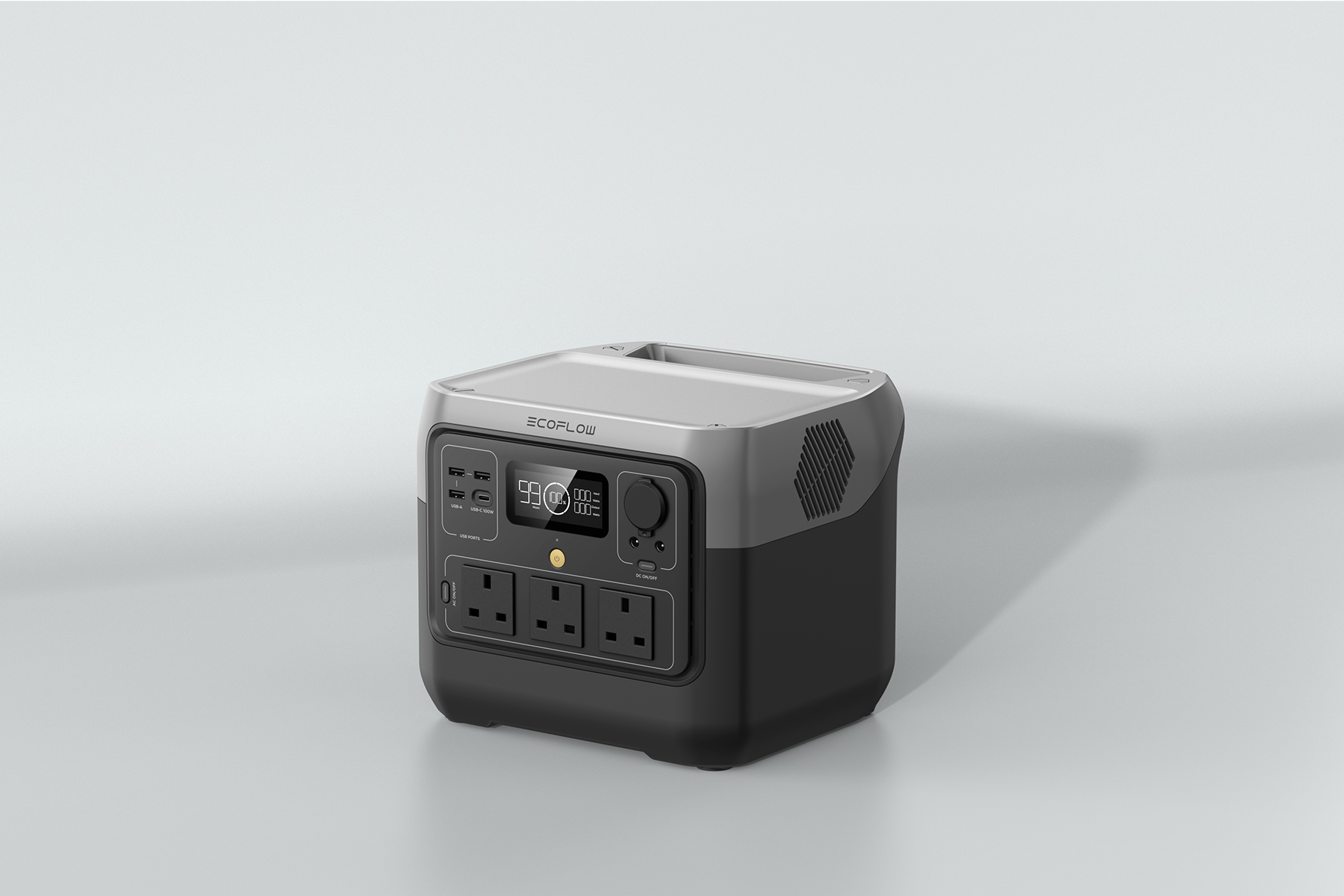
Running extension cords across a wet yard creates hazards. Rodents can chew the wires. A portable power station eliminates long cables. The EcoFlow RIVER 2 Pro Portable Power Station provides reliable off-grid energy. It charges fully in just 70 minutes using a wall outlet. The unit provides 768Wh of capacity, which runs a pet heating pad for many hours. Its sturdy design handles outdoor use easily.
Safe Pads Prevent Burns
Standard human heating pads often lack durability. Choose a pet-specific heating pad made of rigid plastic. Such pads resist chewing and water. Connect the pad to the portable power station. Place the battery unit in a dry box outside the dog house. Only the cord of the pad should enter the shelter.
Monitoring Prevents Accidents
Active heating requires supervision. Check the temperature of the pad regularly. It should feel warm but not hot. Verify the dog can move away from the heat source. Check the battery level to verify it lasts through the night. The combination of a battery and a pad provides a safety net.
Plastic Houses Need Extra Help
Plastic igloo-style houses offer poor insulation. The thin plastic walls conduct cold instantly. Modifying such units improves performance.
Blankets Insulate The Outside
Glue does not stick well to plastic. Insulate the outside instead. Cover the plastic dome with a heavy blanket. Cover the blanket with a waterproof tarp. Secure the tarp with bungee cords. The blanket creates a dead air space around the plastic. Another method involves spraying expanding foam over the exterior.
Straw Bales Create A Bunker
Straw bales serve as excellent building blocks. Stack bales around the perimeter of the plastic house. Build a wall of straw. Cover the top with more bales. The straw acts as thick insulation. It blocks the wind effectively. Fill the gap between the bales and the house with loose straw.
Wooden Shells Double The Wall
Construct a simple wooden box that fits over the plastic house. Fill the space between the wood and the plastic with insulation. The plastic house becomes the inner liner. The wooden box acts as the weather shell. Such a retrofit combines the ease of cleaning plastic with the warmth of an insulated wall.
Daily Checks Keep Dogs Safe
A warm dog house requires daily attention. Conditions change rapidly in winter. Neglect can lead to wet bedding.
Dry Bedding Saves Lives
Inspect the straw every day. Stick a hand into the center of the nest. It should feel dry and warm. If moisture is detected, remove the wet straw immediately. Add fresh straw to maintain the loft. A flat bed offers no warmth. Keeping the nest deep remains the primary task.
Water Must Stay Liquid
Dehydration poses a serious risk in winter. Dogs cannot eat enough snow to stay hydrated. Water bowls freeze quickly. Use two thick rubber bowls. Keep one inside the human house. Keep one outside. Switch them every few hours. Rubber bowls allow one to smash the ice out easily.
Food Fuels The Furnace
Staying warm burns massive amounts of energy. A dog living outside requires more food. Increase the daily ration during cold spells. Switch to food with higher fat content. Digestion generates body heat. Feeding the dog just before bedtime provides fuel for the night.
Biology Helps The Dog Survive
To build a better shelter, one must understand the animal. A dog actively fights against the cold. The shelter acts as an extension of the body.
Muscles Generate Heat
The primary furnace is the metabolism. Every cell burns fuel to function. When the brain senses cold, it signals the muscles to shiver. Shivering burns calories rapidly. A shivering dog is a dog in distress. The goal of the dog house is to prevent the need for shivering. Digestion also creates heat. Providing a heavy meal fuels the internal fire.
Fur Coats Trap Air
Dogs have a fur coat that functions like fiberglass insulation. Under cold conditions, muscles at the base of each hair contract. The hair stands up. We call the effect pilerection. Standing hair creates a thick layer of trapped air. Air is a poor conductor of heat. The house must offer enough width for the coat to remain fluffed.
Paws Exchange Heat
Dogs lose heat through their paws. The paws have a unique blood flow system. Warm blood from the heart travels down the leg. Cool blood from the paws travels up. The warm blood heats the cool blood before it returns to the body. Such a system keeps the core warm. An insulated floor protects the paws from frostbite.
Advanced Materials Boost Performance
Choosing the correct insulation matters. Not all foam works the same way.
Pink Board Resists Water
XPS foam boards work best for dog houses. They consist of closed cells. They resist water absorption. They provide a high insulation value per inch. EPS foam is white and crumbly. It absorbs moisture over time. Use XPS foam for better durability in damp conditions.
Fiberglass Absorbs Moisture
Pink fiberglass insulation is common but risky. If a dog tears into the wall, glass fibers can damage the lungs. Fiberglass also absorbs moisture. Wet fiberglass loses its ability to insulate. Avoid using fiberglass unless one builds a perfectly sealed wall. Rigid foam is safer.
Wool Offers A Natural Option
Some owners consider wool. Wool insulates even when wet. It is non-toxic. However, wool is expensive. It can harbor insects. Rigid foam generally functions better for a dog house structure.
Safe Heating for Outdoor Dog Houses
Heating a dog house without electricity relies on conservation. One must trap the heat the dog produces. Through proper location, insulation, and deep straw bedding, a simple box becomes a survival shelter. Modifying the entrance to block wind prevents heat loss. When extreme weather hits, using a portable power source like the EcoFlow RIVER 2 Pro offers a critical safety margin. Daily checks confirm the system works effectively. Planning ahead guarantees safety during the harshest months.
For press requests or interview opportunities, reach out to our media team
media.na@ecoflow.com