Gravel Biking: The Adventure Mode of Cycling
- Why Gravel Biking Has Become the Go-Anywhere Style of Cycling
- Gravel Bikes vs. Cyclocross Bikes: Similar Terrain, Different Goals
- Speed, Stability, and Control on Mixed Terrain
- Gearing Choices for Climbing, Speed, and Simplicity
- Equipping a Gravel Bike for Adventure and Bikepacking
- Racing or Exploring? Choosing the Right Bike for Your Riding Style
- Staying Powered and Connected on Gravel Adventures
- Frequently Asked Questions
- Where Roads End, Gravel Adventures Begin
Gravel biking has quickly become a top choice for cyclists seeking adventure beyond the pavement. Combining the endurance of road riding with the thrill of off-road terrain, gravel bikes and cyclocross bikes offer versatile options for racing, exploring, and bikepacking. This guide breaks down the different types of bikes, key features, gear choices, and equipment tips to help you get the most out of your next cycling adventure.
Why Gravel Biking Has Become the Go-Anywhere Style of Cycling
Gone are the days of simply riding your bike down the road. Now, cyclists are seeking new adventures and opportunities, and gravel biking has become the latest popular style. Road racers are now entering gravel races and events, and the riders are getting faster and stronger as they become more focused and the equipment evolves.
Gravel racing was recently pioneered in the USA. However, there was no competition at the global scale, as there were few standardized formats and rules. But the UCI Gravel World Series changed all that. It’s now a top-tier event with skyrocketing popularity: in 2022, they had just 10 races, but by 2024, that number had grown to 25.
Gravel Bikes vs. Cyclocross Bikes: Similar Terrain, Different Goals
Both gravel bikes and cyclocross bikes are designed for off-roading on varied terrain, including steps, pits, or other obstacles. However, they are designed for very different goals.
Cyclocross bikes are built for racing on winding off-road circuits. They’re lightweight and designed for high-speed performance, with fast response to sudden changes in direction.
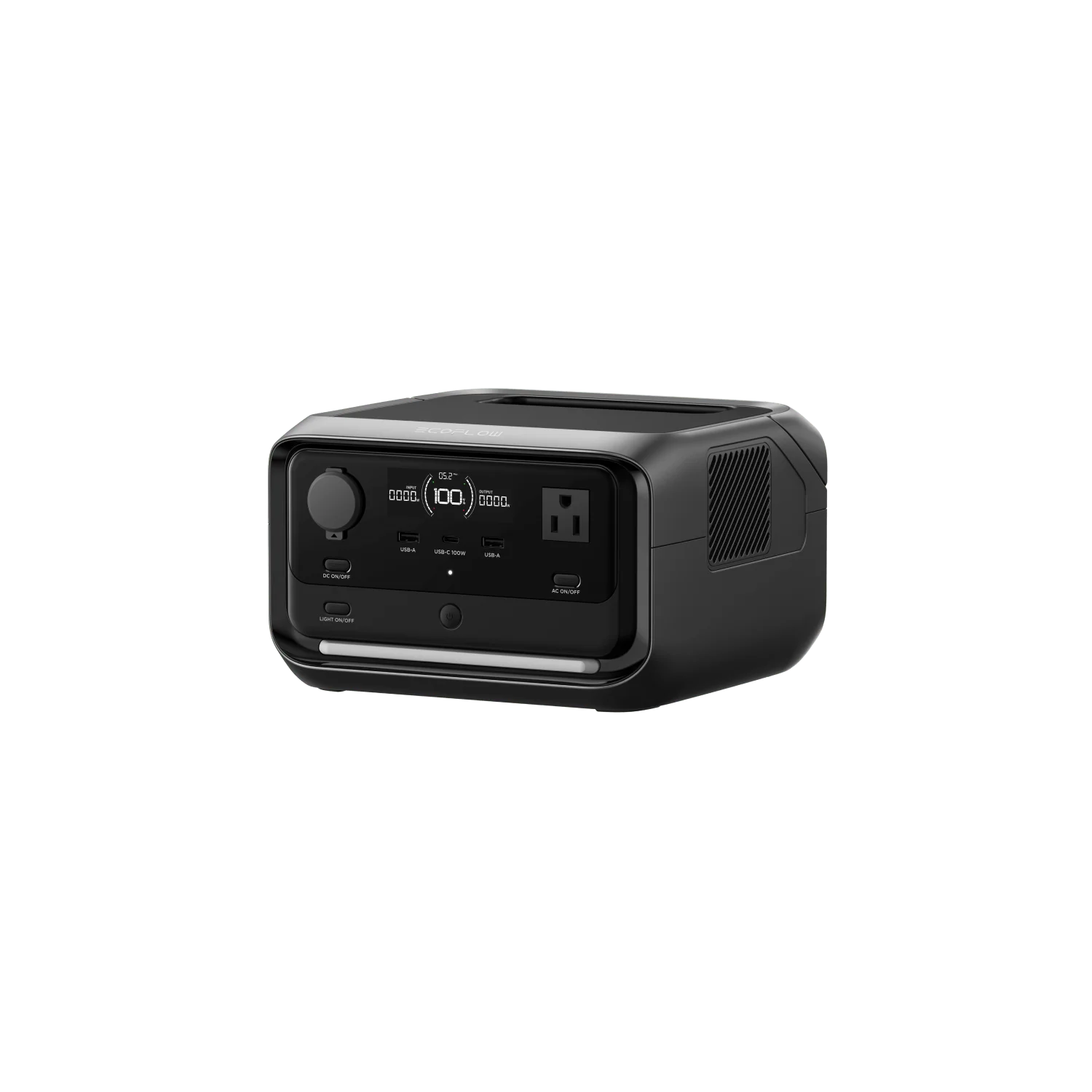
Gravel bikes are designed more for adventures like bike camping. They handle varied terrain but are designed for comfort over speed, which makes them a bit bigger and heavier. Adventurers will want their EcoFlow RIVER 3 Plus to keep their phone charged for all those epic shots along the trail.
Speed, Stability, and Control on Mixed Terrain
Gravel bikes are all about mixed terrain, from packed dirt to loose gravel and rutted trails. They typically have longer wheelbases and wider tires to improve traction, striking a balance between stability and speed.
Cyclocross bikes also handle mixed terrain, but with a lightweight, agile body and a shorter wheelbase for improved handling at high speeds, albeit at the cost of stability.
Still, no matter what you ride, having a compact power source is a must. Choose high-power yet compact models like Portable Power Stations that can fit in your rucksack.
Gearing Choices for Climbing, Speed, and Simplicity
Gearing effectively is essential for handling climbs and flat terrain alike. Gravel bikes tend to have 1x or 2x drivetrains with wider gear ranges to traverse steep, loose climbs. The 1x drivetrain is preferred by those wanting a more relaxed ride with less shifting complexity. The 2x drivetrain offers the widest gear range with smaller steps for greater precision, helping you better optimize your ride.
Cyclocross bikes have tighter gear spacing over a narrow range, prioritizing quick acceleration over climbing. While ideal for racing, they are more limited on extended climbs.
Equipping a Gravel Bike for Adventure and Bikepacking
Outfitting your bike for bikepacking requires careful planning and the right accessories.
First, consider frame or fork mounts to carry racks, bags, camping gear, and extra water. This is far more stable than carrying your kit in a backpack. A handlebar bag is also handy for quick access to snacks, small tools, your phone.
Also consider fenders for better mud control and lighting if you plan to ride early or late. Choose rechargeable LED lights you can recharge at home with your whole-home Backup power.
Racing or Exploring? Choosing the Right Bike for Your Riding Style
Choosing the right bike for your riding style is paramount. If you’re into racing, then speed is your primary need. Look for agile, lightweight bikes like cyclocross.
However, if you’re an adventurer and want to pack camping gear, cameras, and more, you’ll want the storage options of a gravel bike. These are designed for comfort over speed and typically accommodate much more gear.
Staying Powered and Connected on Gravel Adventures
Staying powered and connected is essential on your outdoor adventures. Fortunately, there are plenty of options.
For those who travel by truck or car and bike from there, you can easily carry enough power in a portable home generator to run camping lights, recharge devices, and even run power tools and portable appliances. You can also recharge your battery with solar panels for extended off-road adventures.
Frequently Asked Questions
What Is the Difference Between a Trail Bike and a Gravel Bike?
Gravel bikes are designed for longer rides on mixed terrain and may or may not be built for speed. They typically have less suspension and lighter builds. Trail bikes are built for more rugged terrain and have wider tires, more suspension, and more robust frames.
Is Gravel Riding Harder Than Road Riding?
Gravel riding is typically harder than riding on roads, since the surface is loose and uneven, making it more physically demanding. In comparison, smooth pavement makes it easier to achieve high speeds with relatively little effort.
What Are the Disadvantages of a Gravel Bike?
The main disadvantage of gravel bikes is that they’re slower and less efficient than a road bike due to their wider tires and often heavier frames. The longer frames also sometimes make it difficult on technical mountain bike trails.
Where Roads End, Gravel Adventures Begin
Whether you’re chasing speed on a cyclocross or packing for a multi-day bike camping adventure, choosing the right bike makes all the difference. Then, outfit your ride with thoughtful storage, lighting, and reliable compact power on the go, like the EcoFlow RAPID Pro 3-in-1 Power Bank (10000mAh, 67W), which keeps your devices charged no matter where your gravel adventure takes you.
For press requests or interview opportunities, reach out to our media team
media.na@ecoflow.com