Garbage Disposal Won't Turn On? Simple Checks and Backup Power Tips
A garbage disposal that won't be turned on usually has a simple fix. Most problems come from a tripped reset button, a flipped breaker, or something stuck inside. Before calling a plumber, try these basic checks—you'll probably have it running again in under ten minutes.
How to Reset Your Garbage Disposal?
Your garbage disposal has a built-in safety feature that shuts everything down when something goes wrong. The reset button is your first line of defense when the unit stops working.
Finding the Reset Button
Look underneath your sink at the bottom of the disposal unit. You'll see a small red or black button, usually about the size of a pencil eraser. It might be recessed into the housing, so bring a flashlight if your under-sink area is dark. This button pops out when the motor overheats or gets overloaded.
Three-Step Reset Process
First, make sure the wall switch is off. Reach under and press the reset button firmly until you hear or feel a click. If it doesn't stay in, wait for a short cooling period—the motor needs time to cool down. Once it stays pushed in, turn on the cold water, then flip the wall switch. The disposal should start running normally.
What to Do When Reset Fails
If the button keeps popping out immediately, you've got a bigger issue than a simple overload. The motor might be jammed, or there could be an electrical problem. Don't keep pressing it over and over—you'll just overheat the motor more. Move on to checking for jams instead.
What Your Humming but Not Working Trash Disposal May Be Telling You
That humming noise is not a problem—it’s a positive sign. It means the disposal is receiving power, but it’s blocked from rotating. It’s a fairly common issue with garbage disposals, and it’s easily resolved.
Understanding the Humming Sound
The hum indicates that the motor is trying to run but is unable to. It is similar to a car engine with the car in neutral gear. The electronics are sound; it is simply a matter of unplugging what is obstructing the flywheel. Just don’t let it hum for longer than a couple of seconds. Turn it off immediately to keep from burning out the motor.
Identifying a Jammed Flywheel
The flywheel is the wheel inside that chops the garbage. If a hard object gets lodged in there, such as a bone piece, a utensil, or a cap from a bottle, it’ll lock everything up. The reason your garbage disposal might be humming but not working is that something is lodged inside.
Using the Allen Wrench Method
Most trash compactors come with a small Allen wrench, which is also known as a hex key. Find a hex hole at the very bottom center of your unit. Turn it a few times back and forth. This helps loosen what’s jamming your flywheel by rotating it manually with your hex key.
Manual Rotation Techniques
No Allen wrench? Use a wooden spoon handle or a broomstick. Turn off the power to the breaker first—safety always. Then shine a flashlight into the drain and slide your tool in. Push hard to turn the flywheel. After the flywheel is loose, remove the debris, and turn the power back on.
How Do You Know If Your Garbage Disposal Has Power
In some cases, the problem is not with the garbage disposal but with the power source. Always check that power is reaching the disposal before disassembling it.
Wall Switch Test
Start with the simple things. Turn the disposal switch on and off a couple of times. The switch itself might be wearing out, losing contact. If a click is what you hear but nothing happens, the switch might be dead. Test a lamp on the same outlet (that is, if it’s a switch outlet).
Checking the Circuit Breaker
Go back to your electrical panel, look for a breaker that’s been shut off, it won’t be all the way “off”—it’ll be somewhere in the middle. Turn it all the way off, then switch it back on. Breakers shut down when your disposal uses too much power, especially when other appliances are running on the same line.
Checking the Electrical Outlet
In many cases, the disposal is plugged into a power outlet that is located under the sink. Check that the plug has not worked loose. Push it firmly in to make sure it is seated. Test the outlet with a small lamp or a charger for a cell phone to make sure it is working. If the outlet is dead, you cannot run your disposal.
Using a Voltage Tester
For a more thorough check, get a voltage tester from a hardware store (these cost around $10-$15). Test the voltage by touching the probes to the disposal’s power terminals or the outlet. If there is no voltage, the problem is not with your disposal but with your household electrical system.
Can You Use Backup Power for Your Garbage Disposal During Outages?
Power outages don't have to mean a kitchen full of food scraps. With the right equipment, you can keep your disposal running when the grid goes down.
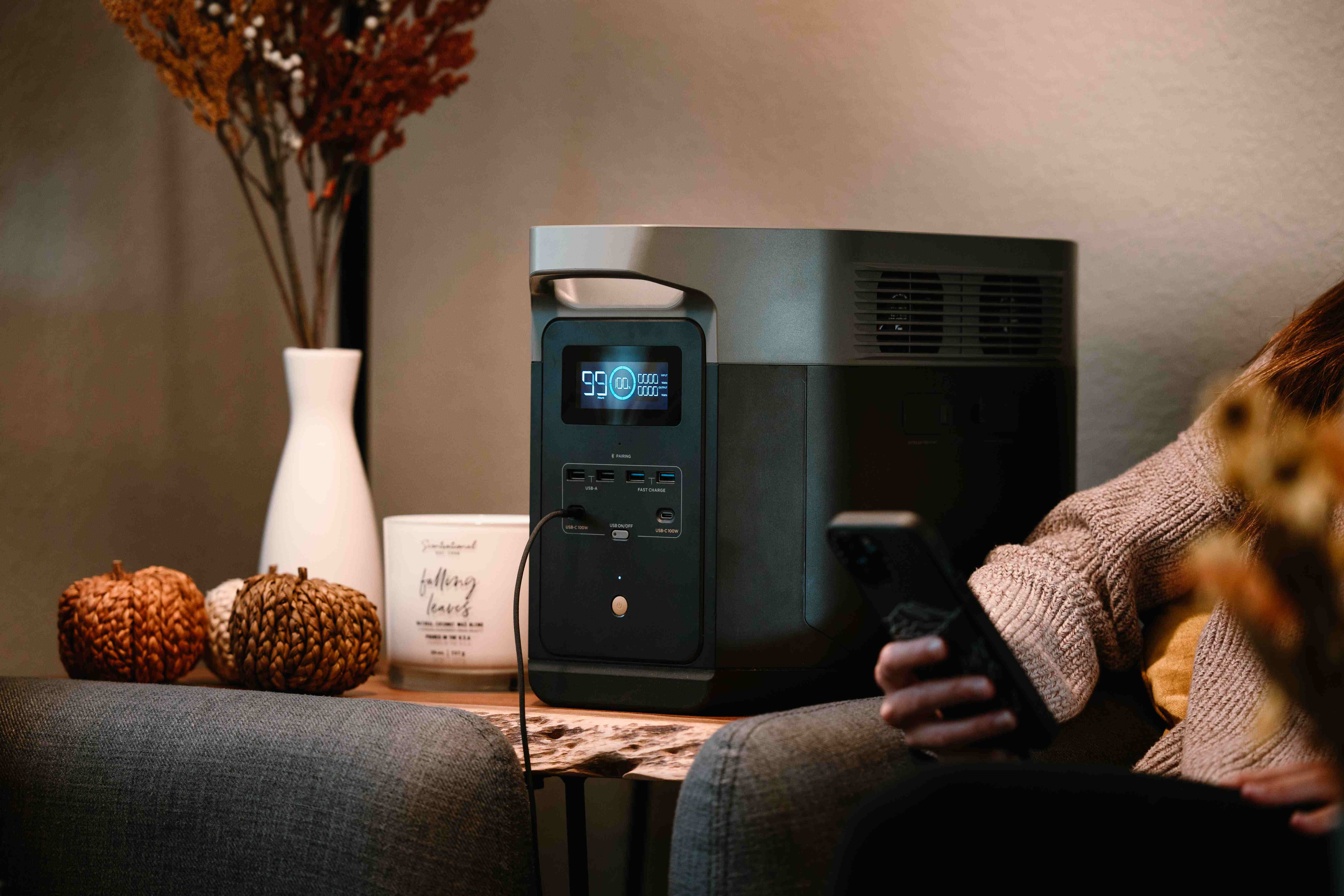
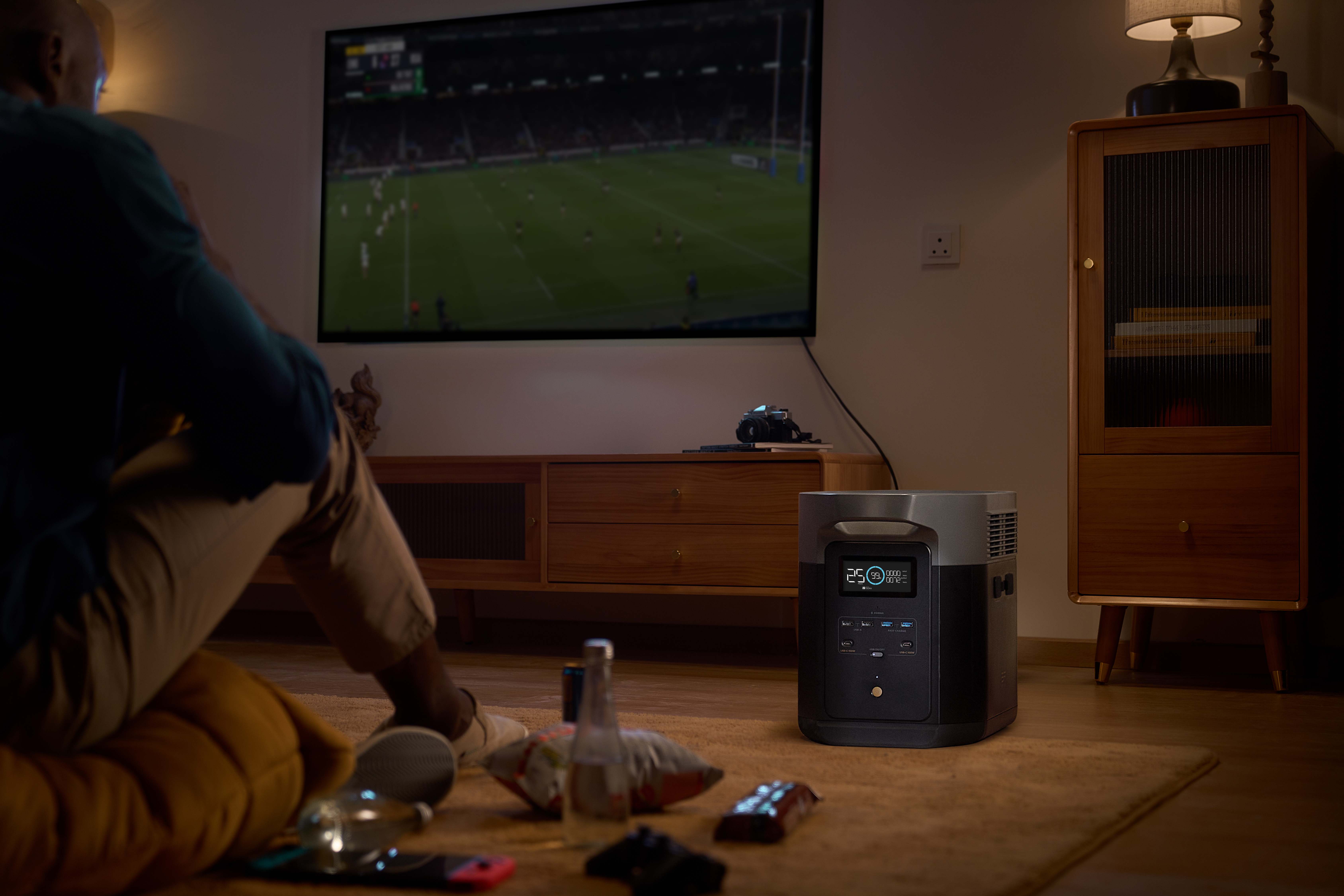
For example, a portable power station like the EcoFlow DELTA 2 makes this much easier than traditional fuel generators. Instead of dealing with gasoline, fumes, or noisy engines, DELTA 2 provides clean, instant AC power that’s safe to use indoors—perfect for running a garbage disposal briefly while you clean up after meals during an outage.
Generator Power Options
A portable generator can easily handle a garbage disposal. Most residential disposals operate on standard household voltage, and their normal running power draw is commonly in the lower hundreds of watts range (varying by size) with a higher draw at startup. Make sure your generator is rated for at least about 1,000 watts or more to handle the startup surge. Place the generator outside—never in your garage or basement. Run a heavy-duty outdoor extension cord to the disposal outlet. Keep it short; longer cords lose voltage.
Battery Backup Systems
Whole-home battery systems like those used with solar panels can power your disposal. These are expensive investments, but make sense if you already have one installed. They automatically kick in during outages, so you won't even notice the power went out. Just remember that disposals use a noticeable burst of power when starting compared with running, so battery capacity planning should account for that.
Power Inverter Solutions
If you have a car or truck, a power inverter can work in a pinch. A capable inverter should be rated to handle at least several times the disposal’s running wattage (often over 800 watts) and must be used with the engine running to avoid draining your battery. This setup isn't ideal for daily use, but it works for short-term outages.
Safety Considerations for Backup Power
Never backfeed power into your home's electrical system—you could electrocute utility workers. Use direct connections only. Make sure your generator or inverter is properly grounded. And don't overload your backup power source by running too many appliances at once. Your garbage disposal isn't worth a house fire.
FAQs
Q1. What Causes a Garbage Disposal to Suddenly Stop Working?
It’s typically a matter of the simplest things: a thermal overload, a tripped circuit breaker, or some food jamming the flywheel. Then, of course, the reset button may come out because it’s been run for too long without a wash. Heavy stuff, such as bones, metal, or glass, will bring it to a stop in a hurry. If there’s smoke, that means the motor is going bad, so your best bet is a new one if you see smoke or burn your food. Turning on cold water helps a lot, as do avoiding fibrous foods.
Q2. How Long Should a Garbage Disposal Last Before Replacement?
Most domestic garbage disposals have a lifespan of several years with regular maintenance, typically a decade or more before serious issues arise. The common indicators that your garbage disposal needs to be replaced include leaks that refuse to stop, a tendency to jam, strange grinding sounds, or a reset button that keeps tripping. Generally, when your appliance is on the upper side of this lifespan with problems, a replacement is more economical than repair.
Q3. Is It Normal for Water to Come Back Up When Running the Garbage Disposal?
No. That means that your water is backing up, so there's a clog in your drain line somewhere. It might not be your disposal, but grime is building somewhere downstream. Hit the hot water switch for a couple of minutes to see if that solves the problem. If not, you need to snake your drain or use a plunger. Never use a chemical drain cleaner with your garbage disposal, as it can rust the inside of your pipes. The problem might be with your P-trap under your sink or even farther downstream in your plumbing system.
Keep Your Kitchen Running Smoothly
Most garbage disposal problems have quick fixes you can handle yourself. Start with the reset button, clear any jams, and check your power supply. Keep these troubleshooting steps handy, and you'll save time and money on service calls. Got a disposal that's beyond repair? Don't wait. A working unit makes kitchen cleanup so much easier.
And if power outages are part of the problem, investing in a reliable backup like the EcoFlow DELTA 2 can give you real peace of mind. With fast charging, strong surge capacity, and clean indoor-safe power, it’s a practical solution for keeping essential kitchen appliances—including your garbage disposal—running when the grid goes down.
For press requests or interview opportunities, reach out to our media team
media.na@ecoflow.com