How to Prepare a Dorm Room Emergency Kit for Power Outages
| Category | Items to Prepare |
| Safety & Security | Flashlight or rechargeable lantern (avoid candles to reduce fire risk) Portable power bank Small first-aid kit (bandages, wipes, etc.) Whistle or small signaling device (to draw attention if needed) |
| Communication & Information | Fully charged power bank (enough to recharge your phone at least twice) Extra charging cables (labeled to avoid mix-ups with roommates' cables) Campus safety notification app with alerts enabled Portable emergency radio (battery-powered or hand-crank model) |
| Food & Water | Bottled water: about 1 gallon per person per day (≈8 × 16.9 fl oz bottles) Protein or granola bars Canned foods (tuna, beans, etc.) Mixed nuts or dried fruit Manual can opener (if including canned foods) |
| Comfort & Hygiene | Warm blanket Wet wipes and hand sanitizer Face masks (for stuffy air or during the cold season) Travel-sized toiletries Menstrual supplies (if applicable) |
| Stress Relief & Entertainment | Deck of cards Puzzle or crossword books E-reader with books or magazines Notebook and pen (for writing or sketching) |
Being in a dorm during a long power outage can be unsettling. But having a plan and the right supplies turns uncertainty into something you can manage. It is not about stockpiling boxes of gear. It is about putting together a small, well-chosen kit that covers the hours you may need to stay put until it is safe to move again.
Why Power Outages Happen and How to Prepare
Power outage protocols are safety measures designed to limit movement, secure buildings, and keep students and staff safe indoors. They are used when responders need time and space to restore power or handle conditions without people being exposed.
Common Causes of Power Outages at School
- Routine maintenance or repairs on electrical systems
- Equipment malfunctions, such as blown transformers or wiring issues
- Seasonal weather events like heavy rain, strong winds, or snowstorms
- High electricity demand during hot or cold seasons
- Utility service upgrades or construction near campus
Knowing these triggers makes it easier to prepare sensibly, packing only what covers realistic scenarios.

What to Do Immediately During a Dorm Power Outage
Supplies are important, but your actions matter just as much. As part of a practical dorm blackout plan, knowing how to stay safe and comfortable is essential when the lights go out. Here are a few key steps:
Use a flashlight or rechargeable lantern instead of candles to reduce fire risk.
Unplug sensitive electronics like laptops and game consoles to protect them from power surges when electricity returns.
Keep your phone in low-power mode to conserve battery until you can recharge.
Limit opening the refrigerator to keep food cold for as long as possible.
Stay informed with updates from your school or utility provider if available.
Stay with roommates or check in with friends to ensure everyone is safe.
Taking these steps helps you stay safe, protect your belongings, and remain comfortable until the power comes back.
Key Items to Keep You Safe in Your Dorm
Your power outage kit should focus on keeping you safe if you need to remain indoors for several hours or even overnight, and should include reliable gear suited to long power outages.
Useful Gear to Keep Handy
During a power outage, it helps to have a few simple items nearby that make life easier and more comfortable.
- A flashlight or small rechargeable lantern to light your room
- A portable power bank to keep your phone or tablet charged
- A small first-aid kit with basics like bandages and wipes
- A whistle or small signal item in case you need to get attention
Place these items somewhere easy to find, and check them once in a while so you know they are ready when you need them.
Staying Connected and Informed Indoors
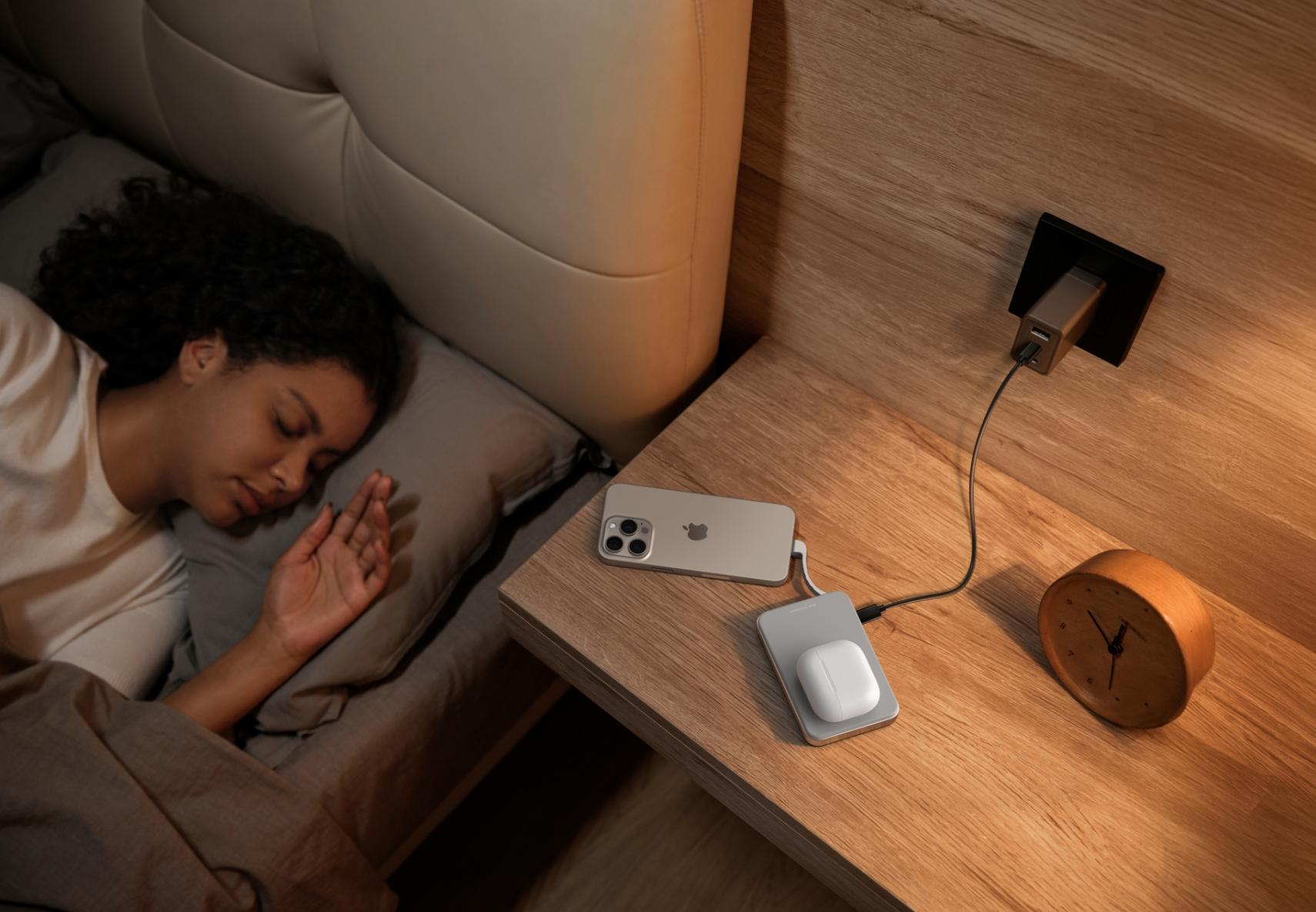
For long power outages or unexpected blackouts, a high-capacity power bank can make the difference between staying connected and losing touch. The EcoFlow RAPID Power Bank (25,000mAh, 170W), with its compact design and ultra-fast charging capabilities, allows you to recharge your phone, laptop, and other devices at the same time without searching for outlets. With a 140W output per port, it ensures that your devices are powered up quickly, and its 140W ultra-fast recharging feature means you won’t be waiting long for the power bank to be ready again.
Keep a fully charged power bank on hand—choose one that can recharge your phone at least twice
Bring extra charging cables and label them so they are not mixed up with roommates'
Install a school safety notification app and keep alerts turned on
Have a small portable emergency radio, battery-powered or hand-crank, for times when mobile service is limited
Store these items together and keep the power bank at least half charged at all times. For an even steadier setup, consider pairing a high-capacity power bank with a compact solar charger to keep your phone and lights working during extended outages.
Food and Water
Having a few snacks and drinks set aside can make waiting for a power outage much easier. Simple, shelf-stable items will keep you comfortable without the need to cook.
- Bottled water: aim for about 1 gallon per person per day (≈8 × 16.9 fl oz bottles)
- Protein or granola bars for quick, no-mess energy
- Canned foods like tuna or beans
- Mixed nuts or dried fruit for easy calories
- A manual can opener, if you include canned items
Choose foods that do not need heating and are easy to clean up after, so you can focus on resting until the power comes back.
Comfort and Hygiene
Comfort means more than staying warm. It also includes keeping clean and feeling at ease.
- A warm blanket for extra coziness
- Wet wipes and hand sanitizer for basic cleanliness
- Face masks for times when the air feels stuffy or during the cold season
- Travel-sized toiletries and menstrual supplies if needed
These small items help you stay comfortable and prevent minor inconveniences from turning into added stress during a power outage.
Stress Management and Distraction
Time can feel slow during a power outage, so it helps to have a few quiet activities ready to pass the time in a pleasant way.
- A deck of cards for quick games with friends
- Puzzle or crossword books that keep your mind busy
- An e-reader with your favorite novels or magazines
- A notebook and pen for writing, doodling, or sketching
Simple activities such as reading, drawing, or solving puzzles can make the hours feel lighter and help everyone stay relaxed until the lights come back on.
Packing and Maintaining Your Kit
Even the best kit is not much help if you cannot find it or if the items are no longer usable. Keep things simple and practical.
- Store everything in a backpack or a small bin so it stays portable if you need to move it.
- Check your kit at the start of each semester and replace snacks, batteries, or other supplies that may have expired or be used up.
- Keep it in a spot you can reach quickly. A kit that is visible and easy to grab is far more useful than one hidden away and forgotten.

After the Power Outage Ends
When the lights come back on, take a moment to relax before jumping into your usual routine. A gentle reset can make things feel normal again.
Give the power a few minutes to fully stabilize before using all your devices.
Send a quick message to family or friends to let them know you are doing well.
Refill the snacks, water, or batteries you used, so your kit is ready for next time.
Think about what made you feel most comfortable and add something small that would make the next outage even easier.
Reviewing and replenishing right away keeps you ready without starting over from scratch. This includes recharging any battery-powered gear, so it's fully operational. A long-lasting device like the EcoFlow RAPID Power Bank, tested for 300 cycles to 80% capacity, ensures dependable power is available the next time you need it on short notice.
Staying Ready Without Feeling Overwhelmed
Preparation for a power outage isn't about expecting problems every day; it's about being sure you have what you need to handle it. A small, well-organized kit offers security, comfort, and the ability to adapt when plans change. With a few smart choices now, like the EcoFlow RAPID Power Bank (25,000mAh, 170W), you'll face any power outage with a calm, ready mindset instead of scrambling for what you wish you'd packed.
FAQs about Power Outage
Q1: How often should an emergency kit be updated?
Emergency kits should be inspected every six months. Bottled water and food have a shelf life and may expire over time, so they must be replaced regularly to stay effective and safe to use. Batteries for flashlights or radios should be tested monthly. Seasonal changes may also require swapping out some items, such as adding warmer electric blankets in winter or extra drinks in the hot summer.
Q2: Can a power outage last more than one day?
Yes, some outages may only last a few hours, but others, such as those caused by severe weather, equipment failure, or grid repairs, may require staying indoors overnight or even longer. That is why it is important to have water, food, and sanitation supplies in your kit that can last at least 24 hours without needing anything from outside.
Q3: Are candles a good backup light source during a power outage?
Candles should not be used in dorm rooms because they pose a fire risk, and open flames are usually prohibited. Safer options include LED lanterns or battery-operated flashlights. Rechargeable flashlights that can be powered by a power bank provide reliable lighting in a confined space without the hazards of an open flame.
For press requests or interview opportunities, reach out to our media team
media.na@ecoflow.com