Best Trekking Gear in 2026: A Complete Checklist for Safe & Comfortable Treks
As 2026 rolls in, more people are heading deeper into the outdoors and staying out longer. Whether you’re lining up a long stretch through the Appalachian Mountains or dealing with elevation and exposure in the Sierra Nevada, the gear you bring makes a real difference once you’re miles from the trailhead. The right equipment can turn a tough route into a rewarding experience, while the wrong setup can make even a great trail feel like work.
This guide breaks down the essential trekking gear for 2026 with a clear focus on lightweight efficiency, safety, and comfort in the American backcountry. We’ll look at what trekking actually demands, how to build a kit that fits real-world conditions, and which gear choices, including modern portable power solutions, help you stay prepared, connected, and self-reliant when you’re far from cell service and everyday conveniences.
What Is Trekking
To get ready for a trek, you first need to understand what you’re actually signing up for. Trekking isn’t a casual outing or a quick walk on a local trail. It’s a longer journey that tests endurance and patience, where you’re carrying what you need and managing conditions as they change. It requires a different mindset, more planning, and gear you can depend on for the long haul.
How Trekking Differs from Hiking
People use “trekking” and “hiking” like they mean the same thing, but the experience on the trail is very different. Understanding that difference helps you choose the right gear and get into the right headspace before you go.
| Feature | Hiking | Trekking |
|---|---|---|
| Duration | Hours to one day | Multiple days to months |
| Distance | Short, usually loop or out-and-back | Long, point-to-point, or cross-country |
| Terrain | Marked, maintained trails | Remote, varied, and often challenging |
| Pack Weight | Light daypack | Full pack with food, shelter, and gear |
| Accommodation | Home or hotel | Camping, huts, or villages |
| Self-Sufficiency | Low | High |
Key Features of a Trekking Trip
A trekking trip is defined by how long you’re out there and how much you carry. Long routes like the Pacific Crest Trail or extended sections through the forests of the Pacific Northwest demand steady physical effort and the ability to adjust as conditions change. Weather, terrain, and daily mileage all vary, so pacing yourself and staying flexible become just as important as strength.
The Importance of Proper Gear for Trekking
In the backcountry, your gear is your lifeline. The right equipment helps prevent problems like hypothermia, dehydration, and navigation mistakes before they turn serious. Reliable gear also keeps you comfortable over long distances, which matters more than people expect. When American weather shifts quickly, as it often does, being well-equipped can make the difference between pushing on safely and needing to cut a trip short.
How to Choose the Right Trekking Gear for Your Trip
Choosing trekking gear is a personal call, and it depends a lot on where you’re headed and how long you’ll be out there. A setup that works in the humid trails of the Great Smoky Mountains can feel completely wrong in the dry, exposed canyons of Utah. Terrain, climate, and trip length all shape what you actually need to carry.
1. Identify Must-Have Trekking Gear: The "Every Gram Counts" Rule 1. Identify Must-Have Trekking Gear: The "Every Gram Counts" Rule
In 2026, ultralight (UL) trekking is no longer a niche approach; it’s become a mainstream standard. The core idea is to manage your base weight, which is the weight of your pack without consumables like food, water, and fuel. Keeping base weight low reduces joint stress, improves endurance, and makes long days more sustainable.
2026 base weight standards:
Ultralight (UL): Under 10 lbs (4.5 kg). Best suited for experienced trekkers using minimalist, high-performance gear.
Lightweight: 10-20 lbs (4.5-9 kg). The most balanced and realistic range for most trekkers in 2026.
Traditional: Over 20 lbs (9 kg). Still necessary for specialized trips involving extreme cold or heavy technical equipment.
2. Weight Optimization for the "Big Four."
To reach these targets, focus on the heaviest parts of your kit. By 2026 standards, your goals should be:
Shelter: Under 2 lbs, using modern materials like carbon fiber poles and Dyneema fabrics
Sleep system: Under 2.5 lbs, with high-loft 900+ fill down quilts and insulated ultralight pads
Backpack: Around 2-3 lbs, using frameless designs or lightweight frames with good load distribution
Portable power: Under 1.5 lbs, offering strong power output without unnecessary weight
Pro tip: Follow the 20% rule. Your total pack weight, including food and water, should never exceed 20% of your body weight to stay safe and comfortable.
3. Match Gear to Trip Duration and Route Difficulty
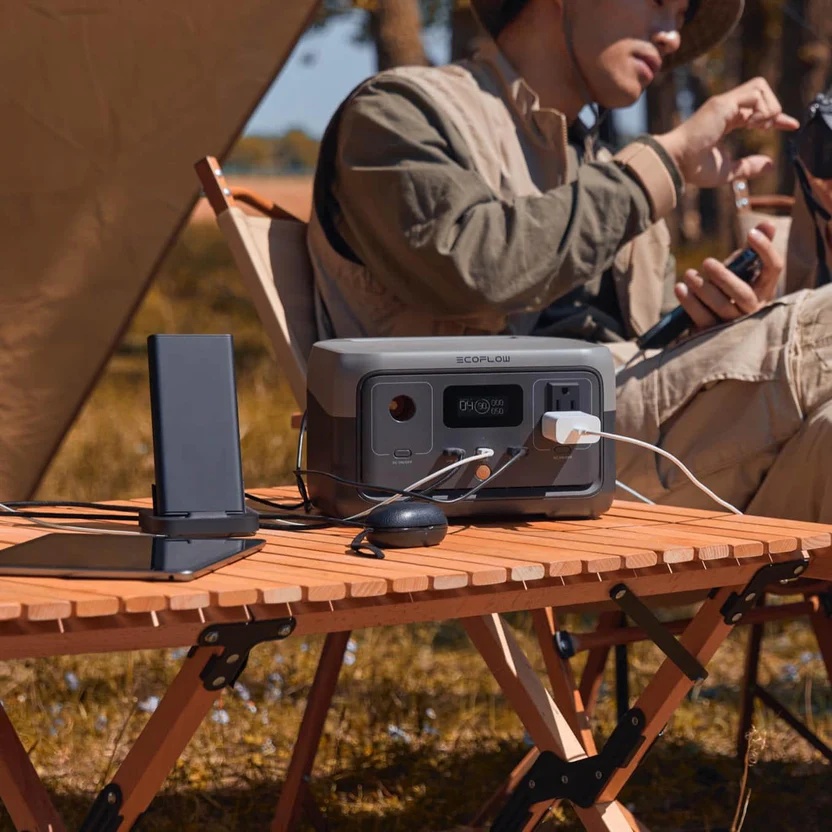
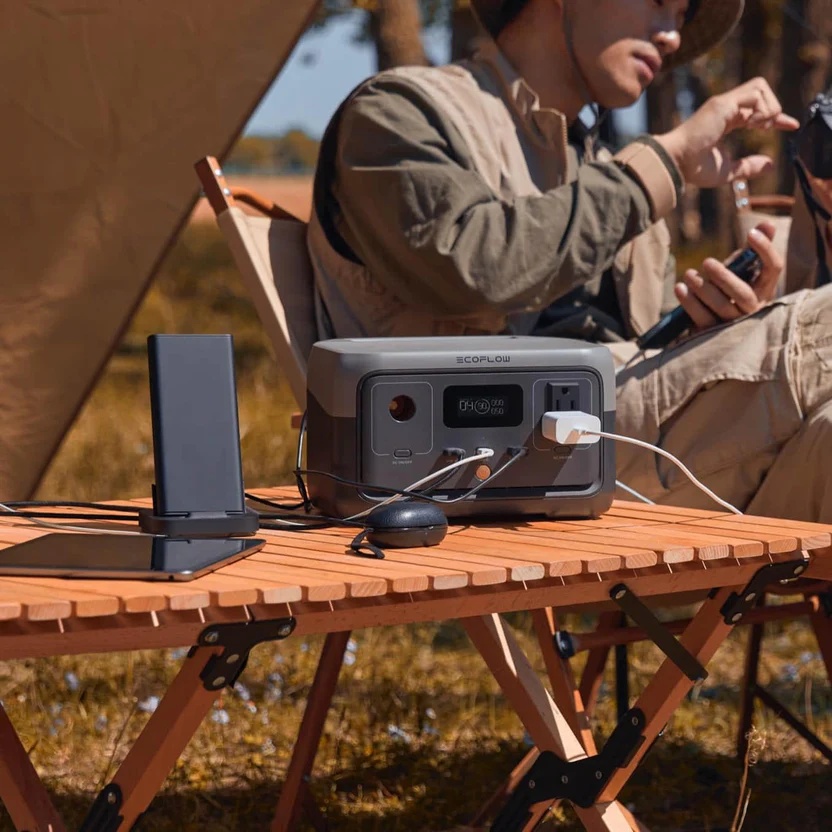
A short weekend trek in the Catskills doesn’t demand the same setup as a month-long expedition in Alaska. The longer and more remote the route, the more self-sufficient you need to be. If your trek involves camping or overnight stays in the wild, carrying a dependable portable power source can make a real difference in both comfort and safety. The EcoFlow RIVER 2 Portable Power Station is lightweight and easy to pack, yet capable of powering essentials like your smartphone, GPS, camp lighting, and small cooking gear. When you’re miles from the nearest outlet, it helps keep critical devices running and makes camp feel more secure and functional.
4. Consider Climate, Terrain, and Altitude
The American landscape changes quickly from one region to the next. High altitude treks in the Rocky Mountains often mean thinner air and sudden temperature drops, while coastal routes usually call for gear that can handle rain, wind, and moisture. Conditions can shift fast, so it’s important to research the specific climate and terrain of your destination and pack for the toughest scenarios you’re likely to face.
5. Plan Gear Based on Power, Water, and Supply Access
Before heading out, know where you’ll get water and how you’ll keep your devices charged. That means planning your water filtration, but also thinking through power needs. In 2026, digital maps and emergency satellite communicators are common, so a reliable power plan is just as important as having safe access to water on long, remote treks.
10 Best Trekking Gear in 2026
With so much outdoor gear out there, it helps to narrow things down to what actually matters on the trail. These ten essentials cover the basics for trekking in 2026, with a focus on safety, comfort, and practicality when you’re far from easy exits.
1. Reliable Navigation and Communication Tools
In 2026, the safest approach is still a mix of analog and digital. A traditional compass paired with a satellite communicator like Garmin inReach lets you stay oriented and reach help when cell service disappears, which is common in remote desert and mountain terrain.
2. Comprehensive First Aid Kit
A first aid kit should always be part of your pack. Blister care, antiseptic wipes, bandages, and any personal medications handle most common issues. Treating small injuries early can keep them from turning into trip-ending problems.
3. Hydration System and Water Filtration
Access to clean water is critical. Lightweight filters or UV purifiers make it safe to drink from natural sources, while a hydration bladder keeps water within reach without stopping to unpack.
4. Weather-Resistant Trekking Clothing Set
Layering is the most reliable way to manage changing conditions. A moisture-wicking base layer, an insulating mid layer, and a breathable waterproof shell work well for the unpredictable weather often found in the American Northeast.
5. Lightweight Sleeping Gear (If Multi-day)
For multi-day treks, quality sleep is part of staying safe. A high-R-value sleeping pad and a down-filled sleeping bag help your body recover, keeping you more alert and steady on the trail.
6. Portable Power Supply
On longer treks, power isn’t a bonus anymore; it’s part of your safety setup. The EcoFlow TRAIL Series DC Portable Power Station is built for long-distance trekking and multi-day camping, with a lightweight, rugged design that fits easily in your pack or inside your tent. It delivers steady power for essentials like your phone, navigation devices, headlamps, and power banks. When you’re deep in remote mountain terrain, having reliable off-grid power means your critical gear stays running day and night.
7. All-Terrain Trekking Boots or Trail Shoes
Your feet take the full load for the entire trip, so footwear matters more than almost anything else. Boots with solid ankle support are a better choice for rocky or uneven trails, while lightweight trail runners work well on well-maintained routes. Whatever you choose, make sure they’re fully broken in before you hit the trail.
8. High-Capacity, Comfortable Trekking Backpack
For most treks, a 50-70 liter backpack is the right size to carry everything without overloading you. An ergonomic suspension system helps shift weight onto your hips instead of your shoulders, which matters on long days. Adjustable frames are worth prioritizing so the pack fits your back properly and stays comfortable mile after mile.
9. Trekking Poles for Stability
Trekking poles take a lot of stress off your knees, especially on long, steep descents like those in the Grand Canyon. They also add balance on uneven terrain and help you keep a steady rhythm, which makes a real difference over long miles.
10. Multi-purpose Tool or Knife
A solid multi-tool earns its place quickly on a trek. It’s useful for quick gear repairs, food prep, and small fixes around camp. Look for a model that includes pliers, a sharp blade, and a screwdriver, simple tools that handle most trail situations without adding much weight.
How to Pack a Trekking Backpack
After you’ve chosen your gear, packing it the right way is just as important. A well-organized pack helps keep your balance centered and reduces fatigue, especially when you’re carrying weight for long hours.
Organize Gear by Weight and Access
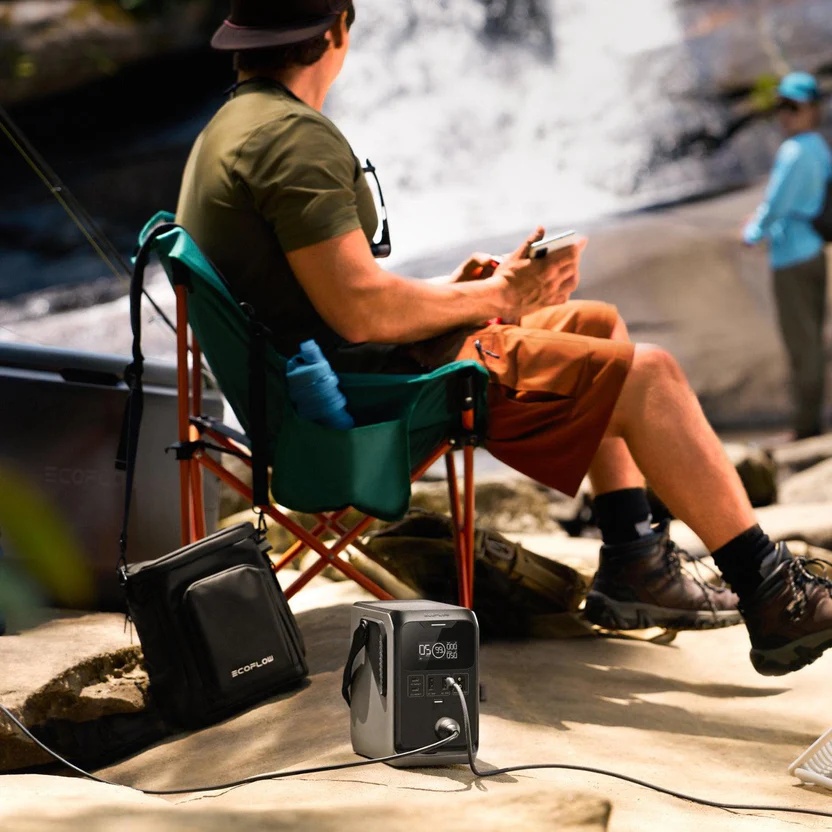
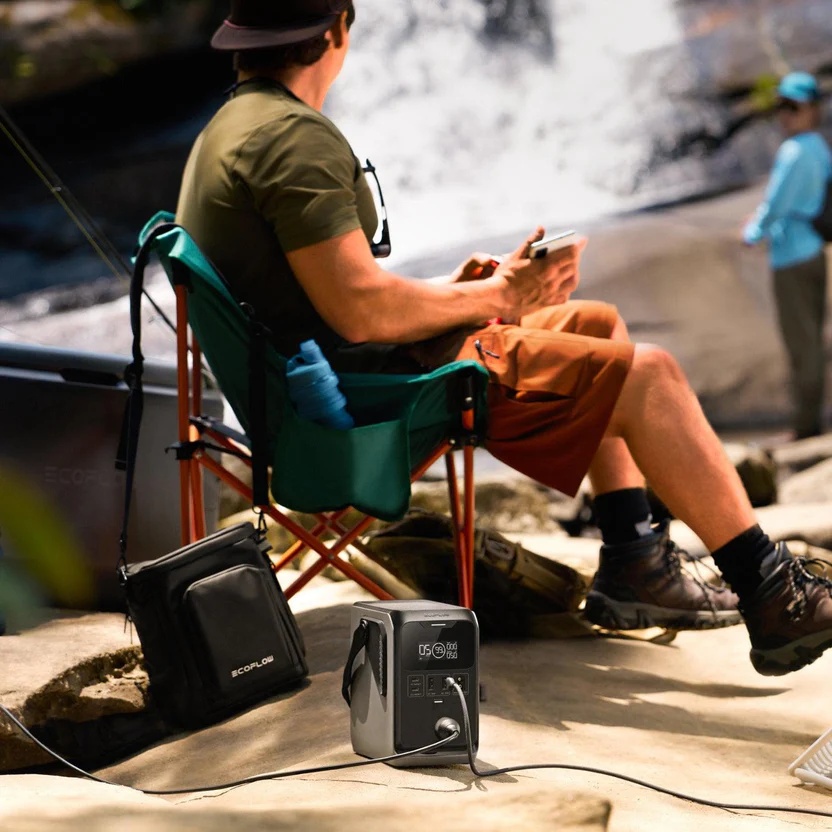
Heavier items like water and your power station should be packed close to your back and toward the middle of the pack. This keeps the load stable and easier to manage. Lighter gear, such as your sleeping bag, fits best at the bottom, while medium-weight items can be placed toward the outside without throwing off your balance.
Keep Essentials Within Easy Reach
Anything you might need during the day should be easy to grab without stopping for long. Snacks, rain layers, first aid, and navigation tools work best in the top lid or side pockets, so you don’t have to unpack everything just to find one item.
Packing Tips for Comfort and Efficiency
Using dry bags or stuff sacks helps separate gear and keeps it dry. Once everything is loaded, tighten the compression straps to stop the pack from shifting as you move. A stable pack makes walking easier and helps you stay balanced on uneven American trails.
How to Stay Safe While Trekking
Even with solid gear, safety on a trek comes down to judgment and preparation. The wilderness doesn’t adjust to you; you have to adjust to it. Good decisions before and during the trip matter just as much as what’s in your pack.
Plan and Understand the Route
Before you head out, spend time with your maps and elevation profiles so you know what the terrain actually looks like. Share your route and expected return time with someone back home. For example, if you’re interested in hiking to the Great Falls, this “Great Falls Hiking Guide” gives you a safety net if plans change or you don’t check in on time.
Check Weather and Environmental Risks
Mountain weather can turn fast, especially in ranges like the Cascade Range. Always check the latest forecast right before you leave, not just days ahead. If conditions start to look risky, turning back early is often the smartest move.
Know Your Limits to Avoid Overexertion and Dehydration
Pay attention to how your body feels. Pushing too hard leads to fatigue, dehydration, and poor decision-making. Take breaks, drink regularly, and eat enough calories to keep your energy steady throughout the day.
Stay Aware and Trek Responsibly
Be aware of the wildlife in the area, whether that’s bears in the north or rattlesnakes in warmer regions. Move carefully, store food properly, and respect the environment. Following Leave No Trace principles helps protect the landscape so others can experience it the same way you did.
Conclusion
Trekking in 2026 offers a rare chance to step away from everyday noise and spend real time outdoors. With the right gear and solid preparation for the terrain and climate ahead, a trek becomes safer, more comfortable, and far more enjoyable. Thoughtful choices like dependable power solutions, such as a power bank from EcoFlow, help you stay prepared without adding unnecessary weight. Whether you’re heading out for your first long trek or you’ve been doing this for years, good equipment lets you focus on the landscape around you instead of what’s weighing you down.
FAQ
1. What to Wear for Trekking?
Trekking works best with a moisture-wicking layering system. Start with a synthetic or wool base layer, add an insulating mid layer for warmth, and finish with a waterproof, breathable outer shell. Avoid cotton; it traps moisture, dries slowly, and can cause chills or chafing on long treks.
2. What Is the Must-Have Camping Gear?
Essential camping gear includes a lightweight tent or shelter, a sleeping bag rated for local temperatures, and a sleeping pad for insulation. A portable power station is also important for keeping essential electronics charged, especially on overnight or multi-day trips. For car camping trips, you can also bring additional comforts like a camp chair, cooler, or portable stove to make your stay easier and more enjoyable.
3. What to Take on a Hike?
For hiking, follow the “ten essentials.” These include navigation tools, sun protection, insulation, lighting, first aid, a fire starter, a repair kit, food, water, and an emergency shelter. Even short hikes can change quickly if conditions shift.
4. Which Is Harder, Trekking or Hiking?
Trekking is generally harder than hiking. It involves longer distances over multiple days, heavier packs, and more remote terrain. It also requires stronger endurance and mental focus since you’re managing safety and logistics for an extended time.
5. What Are the Risks of Trekking?
Trekking risks include sudden weather changes, injuries like blisters or sprains, altitude sickness, dehydration, and getting lost in remote areas. Careful planning, pacing, and reliable gear go a long way in reducing these risks.
For press requests or interview opportunities, reach out to our media team
media.na@ecoflow.com