Apple Picking Season: When to Pick Apples and Where to Go
Apple trees do not follow anyone’s fall travel calendar. An orchard can estimate its opening week months ahead, but a warm spring, a dry August, or several cold nights can move the crop. The apple itself matters too. An early Gala and a late Fuji may come off trees at the same farm more than a month apart.
A good orchard trip begins with two questions: What is ripe now, and what do you want to do with it? Apples for lunchboxes, pies, sauce, and winter storage are not always the same varieties. Use this guide to narrow down the season and region, then read the orchard’s latest picking report before leaving home.
When Is Apple Picking Season in the U.S.?
Across much of the United States, apple picking runs from August through October. The outer edges are wider. A farm in a warmer area might begin in July, while late fruit can remain on the trees into November. Those are broad boundaries, not fixed dates. Harvest timing changes with latitude, elevation, weather, and the cultivars planted in each orchard.
Early Apple Picking in Late July and August
The first U-pick signs often go up while summer is still in full swing. Parts of the South, lower Midwest, and California may have Lodi, Ginger Gold, or early Gala apples ready before Labor Day.
Early apples are often tart, fragrant, and a little softer than the storage varieties that arrive later. Many cook down nicely for applesauce. They also tend to have a shorter shelf life, so this is not the time to buy three months’ worth. Bring water and a hat; an August orchard is usually more sun than sweater weather.
Peak Apple Picking in September
September is when the selection widens across much of the Northeast, Midwest, and Mid-Atlantic. Honeycrisp, McIntosh, Cortland, Gala, and Golden Delicious frequently overlap, though not at every farm or in every week. That mix gives a family plenty to taste and enough variety for both eating and baking.
It is also the month when popular orchards get crowded. By late morning on a clear Saturday, the closest rows may be busy and the bakery line may reach the door. If one apple is the reason for the trip, check the morning update. A heavily promoted variety can be picked out in a weekend.
Late Apple Picking in October and November
The orchard changes in October. Mornings are colder, leaves are turning, and firmer apples such as Fuji, Rome, Granny Smith, and Pink Lady begin to take over. These varieties are often better suited to baking and longer storage than the fruit picked in midsummer.
Many northern farms close their U-pick rows before November. Some orchards in the West, Mid-Atlantic, and South continue with late cultivars. October is not automatically quiet, either. Fall color, pumpkin patches, and school breaks can draw as many visitors as the September crop.
Picking Seasons for Popular Apple Varieties
The dates below are a starting point. Local weather can shift them by days or weeks.
Honeycrisp (Late August to October): Crisp and juicy, with a clear balance of sweetness and acidity. Its season varies sharply by region.
Gala (August to September): Mild, sweet, and easy to pack for school lunches or slice into salads.
McIntosh (Late August to October): Tender and tangy. It is a Northeast favorite and breaks down well for sauce.
Fuji (October to November): Dense, sweet, and a good candidate for fresh eating or refrigerated storage.
Granny Smith (October to November): Firm and tart, with enough structure to hold up in a pie.
Once you arrive, use only the rows the farm has opened. A block that looks ready from the lane may still need another week.
Apple Picking Season by State
These windows reflect common harvest patterns rather than guaranteeing a particular farm.
| State / Region | Harvest Window | Peak Picking Month | Notable Regional Varieties |
|---|---|---|---|
| New York | Late August – Late October | Mid-to-Late September | Empire, McIntosh, Honeycrisp |
| Michigan | Mid-August – Late October | September to Early October | Honeycrisp, Gala, Jonathan |
| Washington | Mid-August – November | September – October | Cosmic Crisp, Fuji, Honeycrisp |
| North Carolina | Mid-August – Late October | September | Rome, Golden Delicious, Gala |
| Virginia & Mid-Atlantic | Late August – November | September – Mid-October | Stayman, York, Winesap |
| California | July – October | September – October | Gala, Fuji, Granny Smith |
| New England (MA, VT, NH) | August – November | September | Cortland, Macoun, Northern Spy |
Note: Harvest windows are based on guidance from state Extension services, agricultural agencies, and regional apple-industry organizations. Actual picking dates vary by orchard, cultivar, weather, and local growing conditions.
Even within the same state, harvest timing can vary. In mountain regions, differences in elevation can put neighboring orchards on different picking schedules.
Where Can You Find the Best Apple Orchards?
A search for apple picking near me is a useful starting point, but there is no single best kind of apple orchard. One family wants a quiet field and a bag of unusual apples. Another wants a corn maze, hot donuts, and enough farm activities to fill the afternoon. Decide which outing you have in mind before comparing apple picking orchards. Then look at the current crop list, hours, reservations, admission price, and rain policy.
Explore Apple Country in the Northeast
New York and New England have built an entire fall tradition around apples. The Hudson and Champlain valleys, central and western New York, Massachusetts, Vermont, and New Hampshire all have clusters of U-pick farms. McIntosh, Cortland, Macoun, Empire, and Northern Spy give the region much of its character.
The same scenery that draws visitors also creates traffic. Orchards within easy reach of New York City, Boston, and Albany fill quickly on September weekends. A weekday visit feels calmer. If Saturday is the only option, take the first picking time rather than arriving after brunch.
Visit Orchards Across the Midwest
Michigan is the center of Midwest apple country, especially the Fruit Ridge near Grand Rapids and growing areas along Lake Michigan. Wisconsin, Minnesota, Ohio, Indiana, and Illinois also have long-running family orchards. Many farms pair U-pick rows with wagon rides, school tours, markets, and corn mazes, but the pricing is not uniform. At one farm, you pay only for the bag. Next, everyone needs an admission ticket before picking begins.
Find U-Pick Farms in the West
Washington leads the country in commercial apple production, yet most commercial acreage is not open for casual picking. Search for a farm that specifically advertises U-pick hours. Areas around Yakima and Wenatchee are famous for apples, while public orchards closer to western Washington cities offer a different, smaller-scale experience.
California has its own apple destinations. Oak Glen works well as a mountain day trip from Southern California. Sebastopol is known for its Gravenstein history and cider culture. Oregon rounds out the region with orchards on both sides of the Cascades, and harvest dates change noticeably between the drier interior and the cooler west side.
Head to the Southeast for Early Apples
In the southern Appalachians, elevation does some of the work that latitude does farther north. Western North Carolina, northern Georgia, and parts of Virginia support orchards despite warm summers. Hendersonville is a well-known center of the season, with farms spread through the nearby mountains. Picking often starts in August. Go early in the day, and check for schedule changes after a spring freeze, prolonged heat, or a tropical system.
What Can You Do at an Apple Orchard?
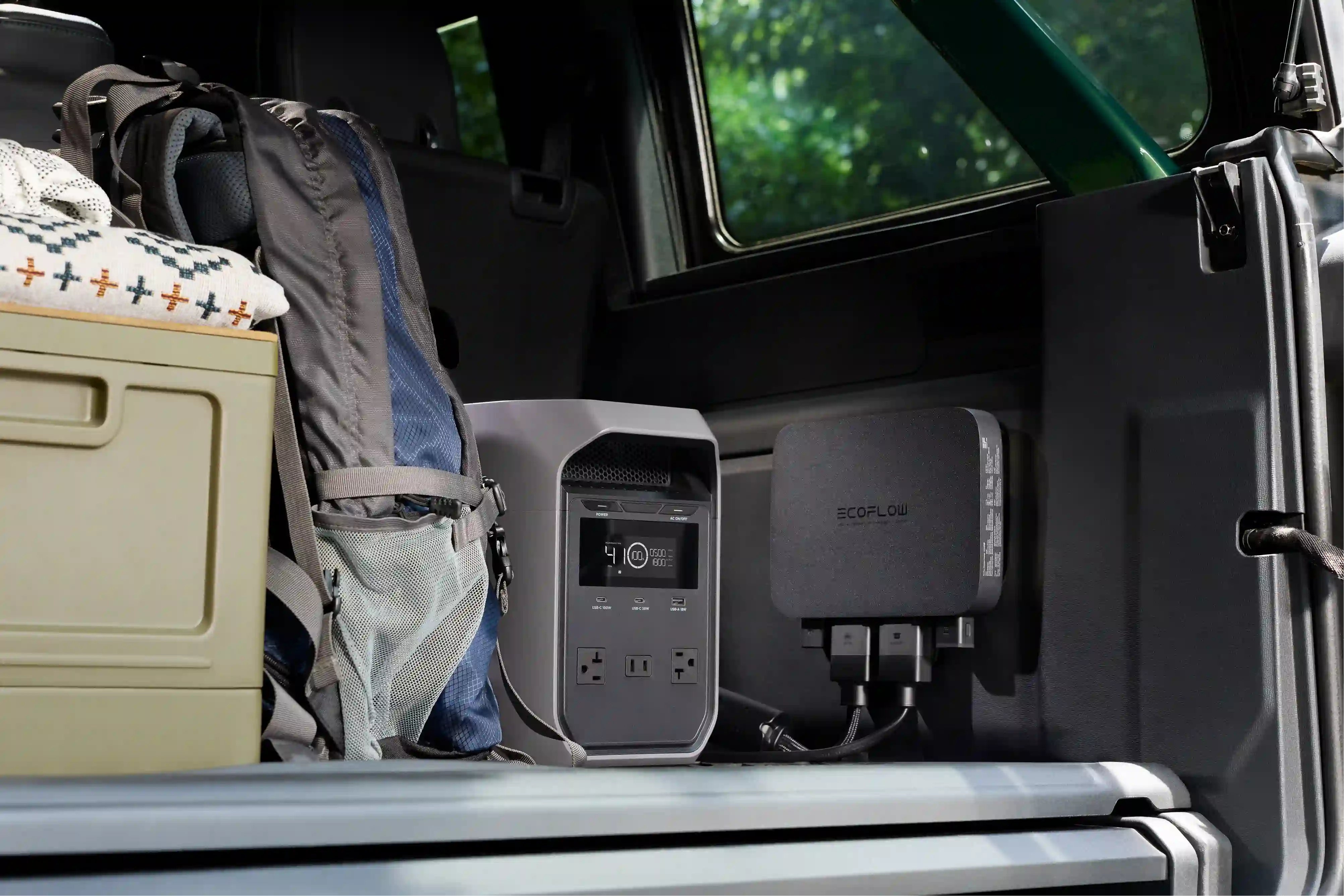
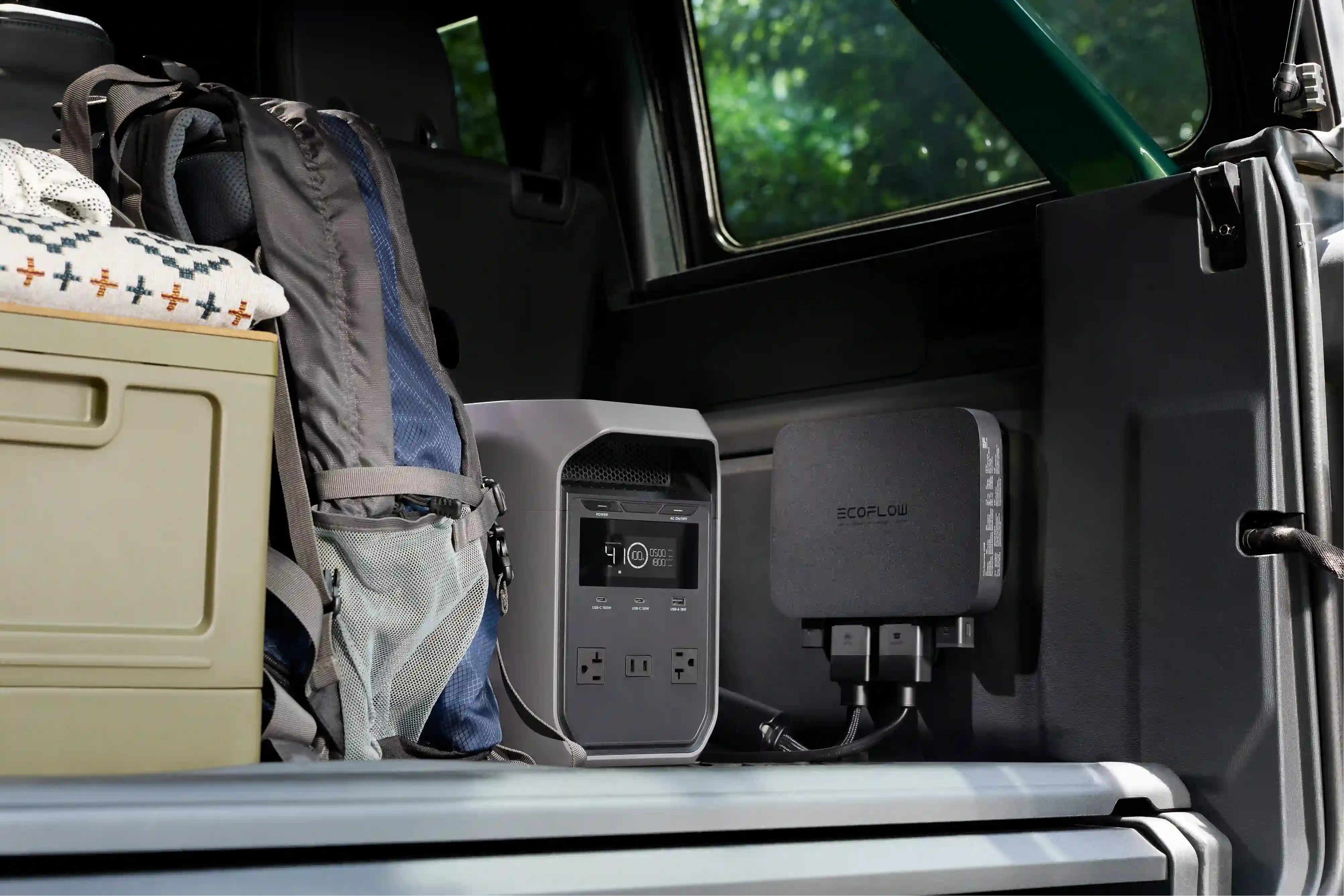
Some farms keep the day centered on fruit. Others operate a full fall festival. For a longer day outdoors, a portable power station can be useful when there is limited access to outlets. The activity calendar tells you which one you are visiting and whether extras require separate tickets.
Learn How to Pick Apples
Do not pull an apple straight toward the ground. That motion can snap the small fruiting spur and reduce next year’s crop. Hold the apple in your palm, lift it, and turn gently. Ripe fruit usually comes away with the stem attached. If it fights back, move to another apple unless orchard staff say the row is ready.
Bruises start easily and often remain hidden until later. Lower each apple into the bag. The children can still do the picking; an adult may need to hold the container.
Enjoy Fresh Cider and Apple Treats
The farm market has become part of the ritual. Sweet cider, warm cider donuts, pies, caramel apples, and apple butter are common, while orchards with licensed cideries may pour hard cider for adults. Bakery hours are not always the same as picking hours. Neither is the inventory. If the group has been talking about donuts for the entire drive, it is worth finding out whether they sell out early.
Join Classic Farm Activities
Wagon rides, corn mazes, pumpkin patches, play areas, and animal barns turn a picking trip into a longer outing. Read the age rules and ticket details first. A maze that delights a ten-year-old may be a miserable hour for a toddler, and not every attraction is included in general admission.
Phones also lose power faster on a long farm day, particularly when the group uses maps, cameras, and location sharing. The EcoFlow DELTA 3 Classic Portable Power Station (1024Wh) can stay at the vehicle or picnic setup as a quiet place to recharge phones, cameras, and other small electronics. Drones should remain packed unless the farm has clearly allowed them.
Go Camping Near Apple Orchards
An orchard fits neatly into a fall camping weekend. Look for a nearby state park, private campground, or farm that openly accepts overnight guests. Do not assume the orchard parking lot doubles as a campsite.
The overnight gear list depends on the temperature. Lights, a portable refrigerator, a coffee maker, phone chargers, and an electric blanket all compete for power. The EcoFlow DELTA 3 Max Portable Power Station (2048Wh) can support those campsite needs away from a hookup. Check the appliances before the trip, and decide what will run together instead of discovering the answer on a cold night.
Shop for Local Farm Products
Apple butter, honey, preserves, cheese, maple syrup, baked goods, and fall decorations often fill the farm store. Read the label if you want products made on that property; some stores also carry goods from neighboring farms. Leave room in the car. The plan may be one bag of apples, but cider, pumpkins, and a pie have a way of joining it.
What Should You Bring for an Apple Picking Trip?
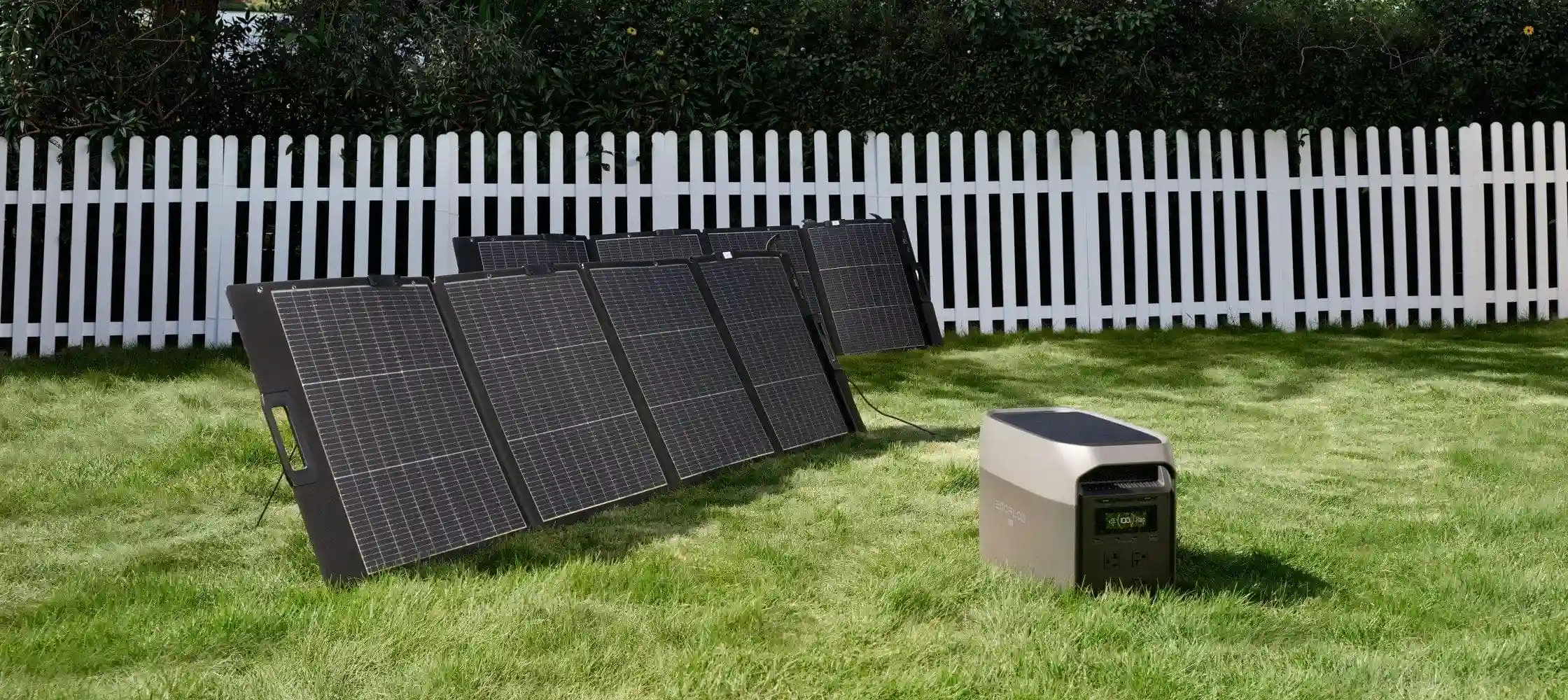
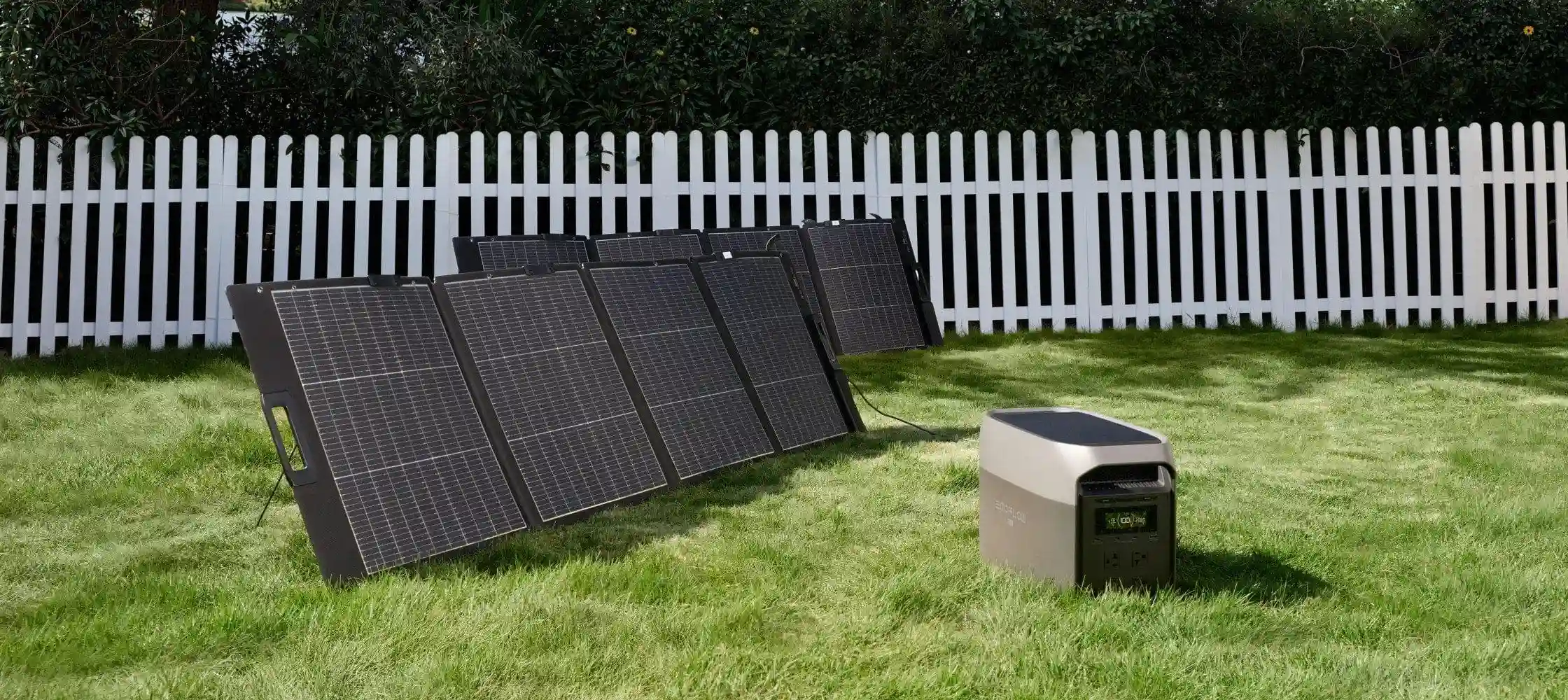
You do not need special equipment. You do need clothes that work on a real farm, a little protection from the weather, and a backup plan for rural cell service. For trips that include a picnic or other outdoor stops, a solar generator can be worth considering when you want an independent source of power. If lunch or another stop follows the orchard, clean shoes in the trunk are a wise addition.
Comfortable Shoes for Orchard Paths
Wear shoes with traction. Lanes hold mud after the main road dries, grass stays wet into the morning, and fallen apples roll underfoot. Broken-in sneakers, hiking shoes, or waterproof boots are safer and more comfortable than sandals. Check yesterday’s weather along with today’s forecast. Friday’s rain can still be waiting in the rows on Saturday.
Layers for Changing Fall Weather
A cold morning can turn warm once the sun reaches the orchard. A T-shirt under a flannel, fleece, or light jacket handles the change without leaving you stuck carrying a heavy coat. In southern and California orchards, dress for the actual forecast instead of the usual picture of New England fall. Young children deserve a spare outfit; mud and cider are predictable companions.
Water and Sun Protection
Bring water, sunscreen, sunglasses, and a hat. Orchard rows offer uneven shade, and several hours of October sun still count. Before anyone eats, use the farm’s hand-washing station. Sampling from the tree is not automatically included in the ticket, so ask rather than assuming.
Bags for Picked Apples
Many farms require their own prepaid bag or basket in the orchard. Leave personal picking totes in the car unless the rules say otherwise. A laundry basket or rigid bin is still handy for the ride home: place the filled orchard bag inside so it does not tip, then keep pumpkins and coolers from pressing into the fruit.
Payment for Farm Purchases
Card payments are common, though a weak rural signal can bring the terminal to a halt. Carry some cash unless the farm says it is cashless. Also read how fruit is priced. Orchards charge by weight, by container, or through admission packages, and the difference is not always obvious at the gate.
Conclusion
September and October are the safest months for planning an apple-picking trip in much of the country, but they are not the only months. Southern and California orchards may begin in midsummer. Late western and Mid-Atlantic varieties can carry the season into November.
The farm’s latest report should settle the date. Check the varieties, reservations, weather status, and activity schedule before leaving. At home, pull out any bruised apples for immediate use and refrigerate the sound fruit without washing the entire batch first. Good timing gets you better apples. It also leaves more of the day for the reasons people return every fall: walking the rows, tasting the crop, and bringing part of the harvest home.
FAQ
How Late Is Too Late to Go Apple Picking?
There is no nationwide cutoff. Many northern orchards finish U-pick by late October, although some late blocks remain open into early November. Farms in milder western, Mid-Atlantic, and southern areas sometimes run longer. Once the orchard closes its picking rows, the season is over even if the farm market remains open.
What to Avoid When Picking Apples?
Do not shake branches, climb trees, yank apples downward, or walk into closed rows. Place fruit gently in the bag. Windfalls should remain on the ground unless staff request otherwise; they may be bruised or contaminated by contact with soil and animals. Most of all, do not pick more than you plan to purchase.
Will Apples Ripen if You Pick Them Too Early?
Apples continue to change after harvest, but picking an immature apple does not guarantee that it will become sweet and crisp in the kitchen. It may soften without developing full flavor, or turn shriveled and mealy. Red skin is not proof of maturity. At a U-pick orchard, the open-row signs are a better guide than color alone.
What Are the Etiquette Rules for Picking Apples?
Stay in designated rows, supervise children, and keep off trees and ladders unless the farm allows climbing. Pay for every apple you pick. Ask before sampling, follow the pet policy, dispose of trash properly, and leave unripe fruit on the branch. These are working trees, not playground equipment.
How Long Will Apples Keep After Picking?
An apple’s storage life depends on its variety, maturity, condition, and temperature. Early fruit may last only a short time, while firm late-season cultivars often keep for several weeks or a couple of months in the refrigerator. Some storage varieties last longer.
Chill the fruit soon after the trip. Keep bruised apples separate and use them first. Wait to wash the rest until you are ready to eat or cook them, since added moisture encourages decay. Check the bag every few days and remove any apple that has begun to soften.
For press requests or interview opportunities, reach out to our media team
media.na@ecoflow.com