Solar Panel Plug into Wall Outlet: How It Works and What to Know
- Can you plug a solar panel into a wall outlet
- How solar panel plugs into wall outlet systems work
- What you need to plug a solar panel into an outlet
- Where to place solar panels for wall outlet connection
- Safety considerations for plugging solar panels into the wall
- Common mistakes when plugging solar panels into a wall outlet
- Conclusion
- FAQs
Plug-in solar panels connect to your home's electrical system via a standard socket, offering an easy way to use solar energy without complex installation. This setup allows you to generate electricity from sunlight and feed it into your home's existing solar system and electrical circuit for everyday use. It is often used in small-scale or beginner-friendly renewable energy solutions, making solar power more accessible to households. Understanding how a plug-in solar system works helps you see its benefits, limitations, and safety considerations. This guide explains everything you need to know before using a plug-in solar setup at home.
Can you plug a solar panel into a wall outlet
Yes, but not in the way many people initially think. A solar panel plugs into a wall outlet setup that uses a microinverter or plug-in solar device first to convert solar energy into usable AC electricity. This allows solar panels that plug into outlet systems to safely feed power into your home circuit through a standard socket.
The key difference from traditional solar is scale and complexity. Conventional systems are permanently installed, require professional wiring, and are designed to power entire homes. In contrast, when you plug a solar panel into a wall outlet, it is usually part of a smaller plug-and-play system designed for partial energy use, such as running basic appliances or reducing electricity bills. It is simpler, more flexible, and often used in apartments or small homes.
In the UK, this type of plug-in solar technology is also gaining attention as part of broader efforts to improve energy security and support low-carbon home energy solutions. Government direction suggests increasing support for small-scale solar adoption in the coming years, with further policy developments expected around 2026, although exact regulatory timelines are still being clarified. Readers who would like to review the official policy context can refer to the UK government announcement here: Government to go further and faster in becoming energy secure
How solar panel plugs into wall outlet systems work
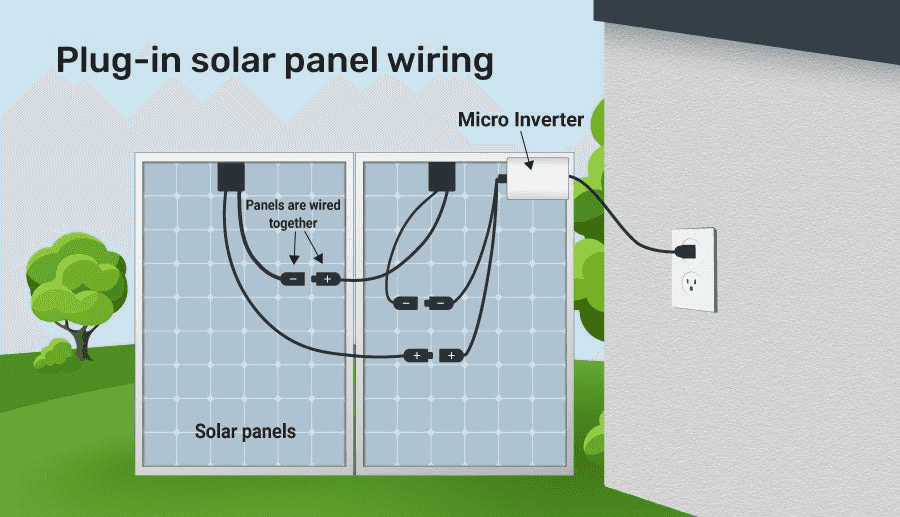
When you use a solar panel plugged into a wall outlet setup, the process is designed to be simple but relies on a few key stages of energy conversion and flow. This allows systems to safely supply electricity to your home without complex wiring.
DC power generation from panels
Solar panels, such as 2 x 450W Rigid Solar Panel x STREAM Microinverter, first capture sunlight and convert it into direct current (DC) electricity. This is the raw form of energy produced whenever sunlight hits the panel surface. The amount generated depends on sunlight intensity, panel quality, and positioning.
Microinverter conversion to AC
Since home appliances cannot use DC directly, a microinverter converts it into alternating current (AC). This is the same type of electricity used in your home sockets. This step is essential when you plug a solar panel into a wall outlet, as it makes energy safe and usable.
Power flows through the home circuit
Once converted, the electricity flows through the plug into your home's electrical circuit. It powers devices that are currently running, such as lights, appliances, or electronics. Any excess power simply reduces the amount you draw from the grid instead of going to waste.
How does it reduce grid draw automatically?
The solar system works alongside your main electricity supply, so when solar energy is available, your home uses it first. This automatically reduces reliance on grid power without manual switching. Over time, this helps lower electricity bills while maintaining a steady power supply.
What you need to plug a solar panel into an outlet
Setting up a solar panel plug into a wall outlet system requires a few essential components that work together to safely generate and deliver electricity to your home. Each part plays a specific role in making solar panels that plug into wall outlet systems functional and efficient.
Solar panels
Solar panels are the starting point of the system, capturing sunlight and converting it into electricity. The performance of your setup depends on panel quality, size, and placement. Proper positioning ensures maximum energy generation throughout the day.
Microinverter
A microinverter is essential because it converts DC electricity from the panels into usable AC power. This step is necessary when you plug a solar panel into a wall outlet, as household appliances run on AC electricity. It also ensures safe and stable energy flow into your home system.
Dedicated outdoor outlet
A dedicated outdoor outlet is used to safely connect the system to your home's electrical circuit. It must be properly grounded and compatible with the system's output. This allows plug-in solar power systems to feed electricity directly into your home safely and efficiently.
Mounting hardware
Mounting hardware keeps solar panels securely fixed in place, usually on rooftops, balconies, or garden areas. It ensures the panels are angled correctly for maximum sunlight exposure. Strong and stable mounting is important for both safety and long-term performance.
Solar battery (optional energy storage)
A solar battery is an optional but highly useful component in a plug-in solar system. It stores excess electricity generated by the solar panels instead of sending it all directly into your home's electrical circuit. This stored energy can then be used later when sunlight is limited, such as in the evening or during cloudy conditions. By adding a solar battery, the system becomes more flexible and efficient, helping to reduce reliance on the grid and improve overall energy usage.
Where to place solar panels for wall outlet connection
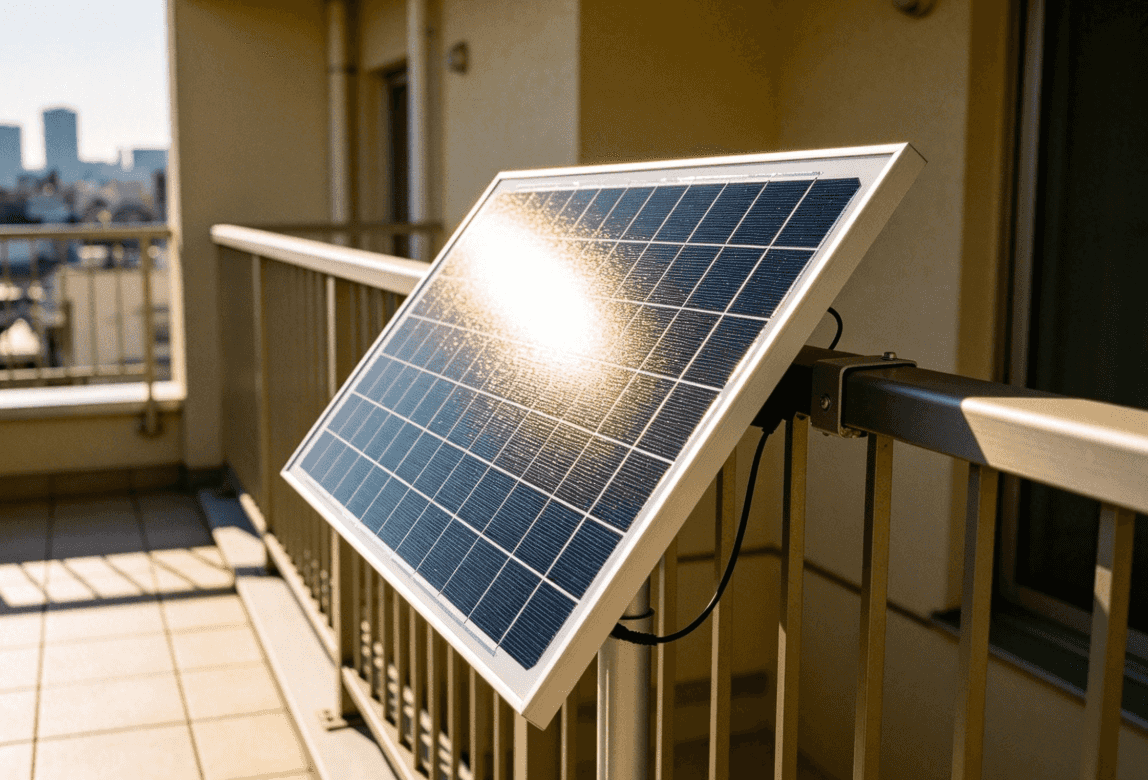
Balcony and railing setup
Balconies are one of the most common locations for plugging solar panels into a wall outlet system, especially in apartments. Panels can be mounted on railings where they receive direct sunlight throughout the day. This setup is space-efficient and ideal for urban homes with limited outdoor areas.
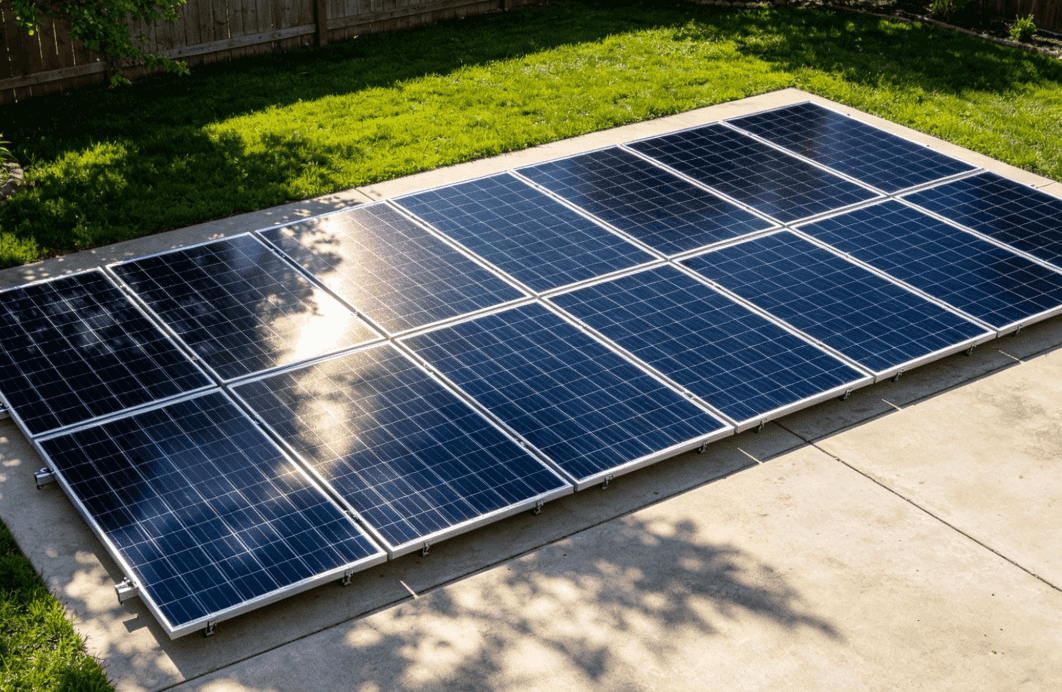
Backyard and ground mount
Backyards offer more flexibility for larger setups and better sun exposure. Ground-mounted panels can be angled properly to maximize energy production. This option works well for homes with open outdoor space and higher energy needs. It also makes maintenance and adjustments easier.
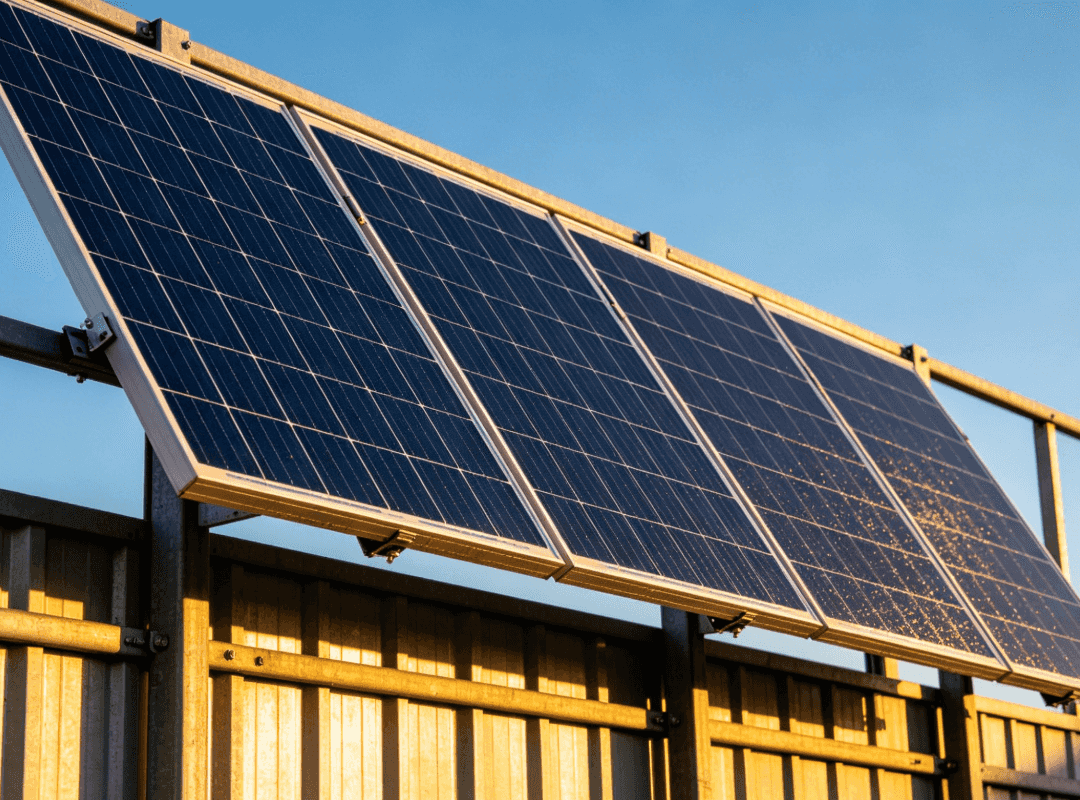
Patio and fence placement
Patios and fences provide additional mounting options for solar panels that you can plug into an outlet. Panels can be installed vertically or at an angle, depending on the direction of sunlight. This setup is useful for optimizing unused outdoor structures. It also helps keep the system secure and out of the way.
Safety considerations for plugging solar panels into the wall
When using a solar panel plugged into the wall outlet setup, safety is just as important as performance. Since electricity is being fed directly into your home circuit, the system must include proper protections to prevent electrical risks and ensure stable operation. Here are the key safety factors to understand.
Dedicated circuit requirement
A dedicated circuit helps ensure the system operates safely without interfering with other household wiring. It reduces the risk of overload and ensures stable power flow when you plug solar systems into your home. Proper installation is essential for long-term safety and efficiency.
Anti-islanding and auto shutoff
Anti-islanding protection ensures the system automatically shuts down during a power outage. This prevents electricity from flowing back into the grid, which could endanger utility workers. Auto shutoff also protects your home appliances from unstable power conditions.
UL 3700 and UL 1741 certification
These certifications confirm that the system meets strict safety and performance standards. UL 1741 ensures inverter compatibility and grid safety, while UL 3700 focuses on plug-in solar device safety. Together, they help ensure reliable and secure operation.
Shock and overload protection
Shock protection prevents accidental electric exposure, while overload protection stops the system from supplying more power than it can safely handle. These features are essential for maintaining safe operation when using solar panels that plug into outlet systems. They help protect both users and connected devices.
Common mistakes when plugging solar panels into a wall outlet
Setting up a solar panel plug into a wall outlet system is simple, but small mistakes can reduce efficiency or even create safety risks. Many issues come from improper installation choices or low-quality equipment. Here are the most common mistakes to avoid.
Using a shared or non-dedicated circuit
Connecting your system to a shared outlet can overload your home circuit. This may lead to tripped breakers or unstable power flow when you use solar panels that plug into outlet setups. A dedicated circuit is always safer and ensures consistent performance.
Poor panel placement and shade
Incorrect placement is one of the biggest performance issues. If panels are placed in shaded or low-sunlight areas, energy production drops significantly. To get the best results when you plug a solar panel into a wall outlet system, ensure the panels face direct sunlight for most of the day.
Buying uncertified systems
Uncertified or low-quality systems may lack proper safety features like anti-islanding or overload protection. This can increase the risk of electrical faults or poor performance. Always choose tested and certified equipment to ensure safe and reliable operation.
Conclusion
A solar panel plugged into a wall outlet setup offers a simple and accessible way to start using solar energy without complex installation or major home modifications. It allows you to generate clean electricity, reduce grid dependency, and lower energy bills in a flexible and user-friendly way. However, proper setup, correct placement, and certified equipment are essential for safe and efficient performance.
Understanding how solar panels that plug into outlet systems work, what components are needed, and the safety requirements helps you make a smarter decision. With the right approach, this technology can be a practical step toward more sustainable and cost-effective home energy use.
FAQs
What happens if you plug a solar panel into an outlet?
When you use a solar panel plugged into a wall outlet setup, the system does not work like a direct plug-in appliance. Instead, a microinverter converts solar energy into usable electricity and safely feeds it into your home circuit. This helps reduce the amount of power you draw from the grid. Directly plugging a panel into an outlet without proper equipment is unsafe and will not function.
Does rain affect solar panels?
Rain does not damage solar panels and is generally safe for the system. In fact, it can help clean dirt and dust from the surface, which may improve performance afterward. However, cloudy or rainy conditions reduce energy generation due to limited sunlight. Even with solar panels that plug into an outlet system, output will be lower during poor weather.
How long will a 10kW solar battery last?
A 10kW solar battery's runtime depends on how much electricity you are using at a time. For example, low usage can extend it to several hours, while heavy usage will drain it faster. It is designed to store energy for later use rather than run everything continuously. A well-sized setup, like a plug solar panel into a wall outlet system, helps maximize stored energy use efficiently.