Solar Electric Panels Do It Yourself: DIY Solar Guide for UK Homes
- What are do it yourself solar panel systems?
- Do it yourself solar panel kits: what’s included?
- Do it yourself solar panel installation: step-by-step basics
- Maintenance: do it yourself solar panel cleaning and upkeep
- Special DIY applications: beyond home rooftops
- Is DIY solar really enough for long-term energy savings?
- The smarter upgrade to DIY solar: storage and energy control
- Why battery storage is essential
- EcoFlow STREAM Ultra and Ultra X for complete home energy solutions
- Recommended STREAM setups for DIY solar users
- 5 tips to get the most out of DIY solar panels
- Conclusion
- FAQs
Solar power is a growing trend for homeowners who are seeking an affordable solution to help lower their electricity costs. Many people are interested in installing solar electric panels do it yourself options at home in order to be more in control of their energy consumption, especially as energy prices are on the rise.
For smaller projects and houses that want to conserve their energy, DIY solar setups can be functional and a beginning. Many homes are also taking a look for entire home solar storage solutions to increase long-term savings and energy independence.
What are do it yourself solar panel systems?
Do it yourself Solar panel systems are solar energy systems that are self-installed instead of fully depending on professional installation services. Usually, these systems consist of solar panels, mounting hardware, wiring, and a battery storage unit.
Many people own homes in the UK and believe that they can save a lot of money on their initial investment by installing solar panels on their own, thereby making the project more flexible. Smaller systems can be installed to power sheds, garden offices, caravans, or to help power domestic electrical services without undertaking a major system installation.
Do it yourself solar panels UK: what you need to know
It's essential to understand both the pros and cons before you embark on a do it yourself solar panels UK project. These are set-ups that can be installed by homeowners with basic electrical and installation skills, but planning is a key component.
Some of the important factors to take into account are:
Roof surface and available sunlight
Local regulations and grid connection requirements
Storage of surplus energy in batteries
Also, UK weather conditions are a factor. Although the UK does not get as much sunshine as some other countries, the technology of solar panels is now good enough to make useful energy throughout the year, and thus, self-made solar panels are becoming increasingly practical for everyday use.
Do it yourself solar panel kits: what’s included?
The majority of do it yourself solar panel kits come with the necessary pieces to get you started producing solar power with as little hassle as possible. The size and complexity of the kits depend on their purpose.
Common kits for building a solar power system consist of:
Solar panels
Use brackets and rails to install and attach components.
Inverters or microinverters
Wiring and connectors
Monitoring equipment
There are also some kits that are quite advanced, allowing homeowners to store electricity that they don't use at the time for later use, which isn't connected to the grid.
Best do it yourself solar panel kits for home use
The best do it yourself solar panel kits are the ones that best fit your energy requirements and installation abilities. Small starter kits can be used to light up, charge devices or garden buildings and larger home systems can reduce a major amount of household electricity consumption.
For your Do it yourself solar panel kit for home, consider:
High-efficiency solar panels
Easy installation design
Expandable battery compatibility
Materials that are resistant to weather elements are appropriate for the UK climate.
A scalable system may be the most intelligent option, as it can be scaled up over time as the homeowner's energy demands increase.
Do it yourself solar panels Home Depot and similar options
Many people look for do it yourself solar panels Home Depot, since many of the kits and materials are available. UK customers can purchase from other retailers, but the concept remains the same: low-cost entry level, self-installation solar systems.
Other countries with a similar option to this are:
Online solar equipment suppliers
Solar stores: These include specialty home improvement stores featuring solar sections.
However, many simple DIY kits only deal with energy generation and not long-term energy management. That's why many homeowners are choosing to integrate solar with storage to make the most out of their solar savings and efficiency.
Do it yourself solar panel installation: step-by-step basics
A do it yourself solar panel installation is really not just about installing solar panels on a roof. Installing solar panels on a roof is not a successful do-it-yourself solar panel installation; it is the installation planning that begins it. While they may not be the most efficient for homes, sheds, workshops, or small off-grid applications, done correctly they can be useful in the UK.
The first step is to determine how much sunlight and roof space you have. The roofs facing south are the most effective in the UK, and shaded areas may seriously diminish efficiency. Once the layout is planned, the installation process typically involves installation of panels, the inverter, and safe testing before use.
While numerous homeowners select solar electric panels do it yourself projects to cut costs, electrical safety along with local ordinances should not be overlooked.
Tools and setup requirements
The right tools and equipment are essential for a successful do-it-yourself solar project, as they ensure that the job runs smoothly and safely. The majority of do it yourself solar panel systems will need electrical components and installation hardware.
Common tools and setup requirements include:
Solar mounting brackets and rails
Plugs and holes drilled in the roof
Solar connectors and wiring for MC4 connectors
Inverter or microinverter system
A tool, welding gloves, and a voltage tester.
There will also be a need for adequate roof space or ground area that receives regular exposure to sunlight. Many property owners opt for smaller solar panel systems in their homes to start off and later add more panels or batteries.
Common mistakes to avoid in DIY solar installation
Common solar DIY issues are often due to a rush in installation or inadequate planning of the home. These are some common mistakes that can be avoided to enhance safety and long-term performance.
Common issues include:
The panel's angle is not correct, or the location is not suitable.
Failure to follow weight limits on the roof and structural safety
Using incompatible inverters and/or wiring
Avoiding battery planning expenses for future expansions
Poor roof fixings to keep water out, such as bad roof top gaskets or similar issues.
A common do it yourself solar panel installation is only thinking about electricity generation in the daylight hours and not energy storage. Much of the generated energy can be used ineffectively or exported if there is no storage.
Maintenance: do it yourself solar panel cleaning and upkeep
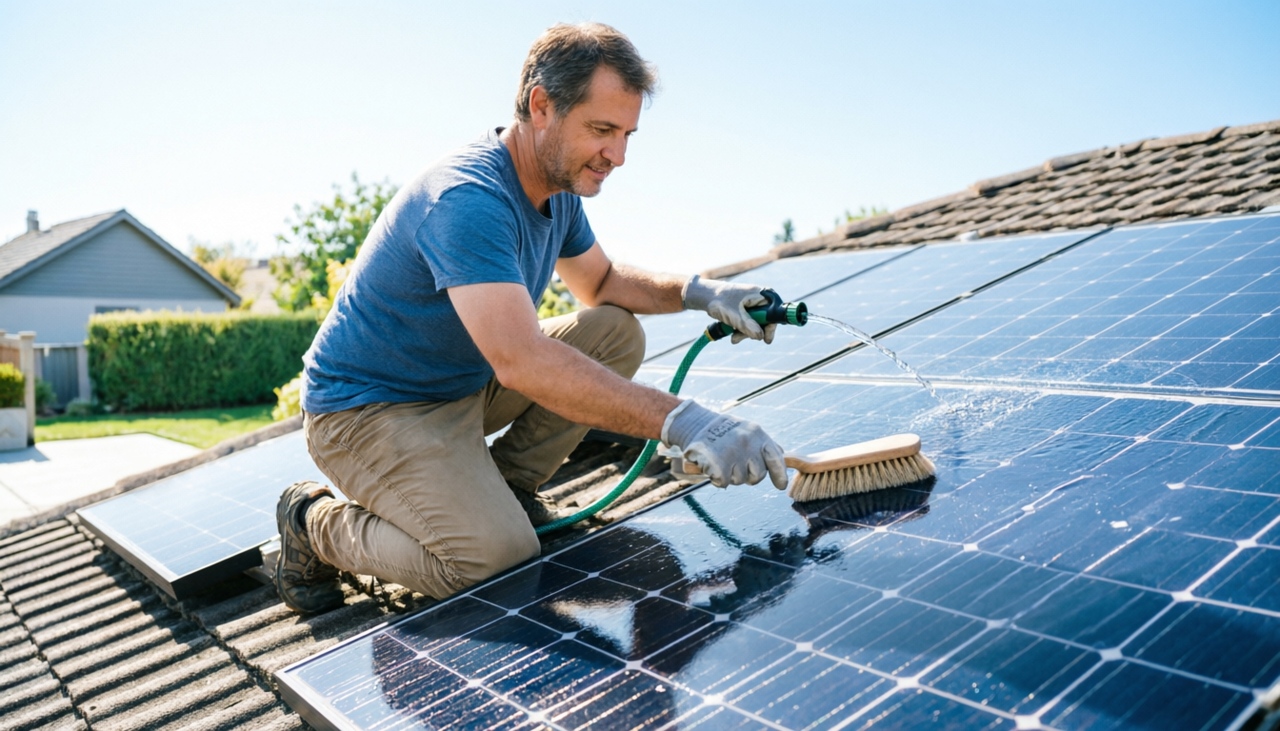
Do-it-yourself solar panel cleaning is a simple and effective task if proper maintenance is done regularly. Panel efficiency can be decreased by dust, leaves, bird droppings, and debris, particularly in periods of drought or in the aftermath of storms.
The basic services to be performed are:
Using soft water and nonabrasive cleaning equipment to clean panels.
Periodically inspecting wiring connections
Checking mounting brackets for wear and corrosion
Check inverter operation and energy generation.
Most modern solar panels require virtually no maintenance; regular inspections will ensure that the panel continues to perform well and will help to safeguard long-term energy savings.
Special DIY applications: beyond home rooftops
The DIY solar movement isn't confined to the traditional house on a street roof. The do it yourself solar panel systems are used by many homeowners who are looking to use solar energy for outdoor and special purpose applications, where normal electrical grid access may be limited or costly.
Popular DIY solar applications are:
Garden offices and sheds
Campervans and caravans
Outdoor workshops
Greenhouses and small farms.
Pool equipment and garden lighting.
These smaller setups are often easier to install and provide an affordable way to learn how solar systems work before investing in larger home energy solutions.
Solar panels for pools do it yourself
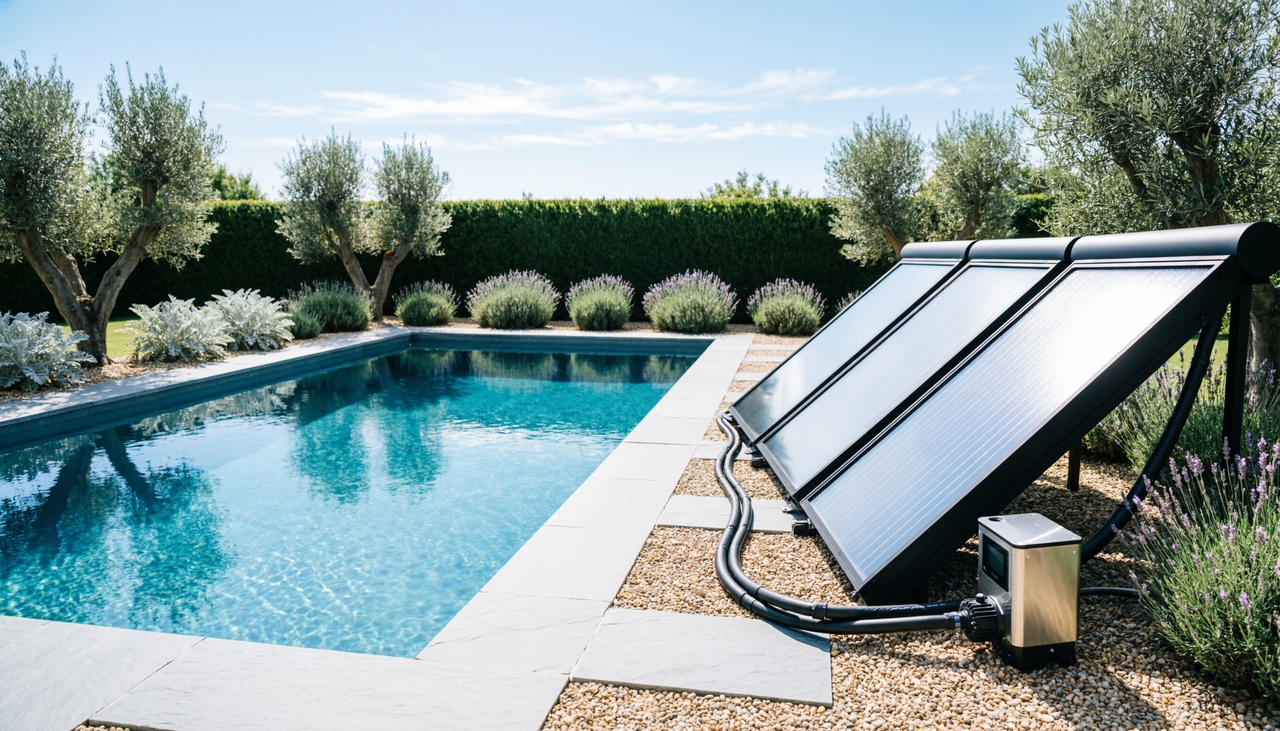
For homeowners seeking to cut costs on their pool heating and pumping systems, solar panels for pools do it yourself are gaining popularity. In the summer months, pool equipment can use a lot of electricity, and solar energy is a viable option.
Usually, DIY pool solar systems are used for the following:
Pool circulation pumps
Filtration systems
Pool lighting
Water heating auxiliary equipment
Pools are typically used more during daylight hours, which makes solar panels an excellent way to help reduce a significant part of the electricity required during the day. Energy efficiency can be further enhanced through a diurnal and cloudy day battery storage system with solar pool installations.
Is DIY solar really enough for long-term energy savings?
For smaller energy demands and during the day as opposed to night, DIY solar can certainly cut costs on electricity. But, as many homeowners will find, solar generation is not a complete solution to the problem of high energy costs.
Solar energy, which is produced during the day, can't always be used when it's needed the most, such as during the evening or during times with a high electricity tariff. This undermines the total saving capability of numerous do it yourself solar panel kits.
Many homes in the UK are now integrating their own solar power systems with battery storage solutions, enabling them to harness and utilize electricity more effectively during the day and night, to ensure long-term energy independence.
The smarter upgrade to DIY solar: storage and energy control
One of the best methods to lower electrical charges and get more control over family electricity consumption is to install your own solar panels. Solar electric panels do it yourself is becoming increasingly popular in the UK, with many homeowners looking to create their own energy generation system without having to hire professional installers.
However, this is not the end of the story when it comes to solar panels. If there is no battery storage, a significant amount of the electricity produced during the day may be unused or exported to the grid when there is not much demand. Energy storage and intelligent energy management are critical to harness energy from a solar panel to its fullest potential, and are certainly part of what should be considered for a do it yourself solar panel installation.
The combination of DIY solar panels and a smart battery system enables households to store energy generated during the day and utilize it later, especially when electricity costs are high. This makes the entire system more efficient, reliable, and cost-effective, particularly for households in the UK facing fluctuations in the weather and the cost of electricity.
Why battery storage is essential
Timing is one of the most significant issues of do it yourself solar panel systems. The energy production from solar panels is highest during the day, whereas household energy usage tends to be highest in the evening when there is no sun.
It is this mismatch that reduces the amount of savings that can be achieved with even the best do-it-yourself solar panel kits if there is no storage. A home battery addresses this issue by providing the solar energy that's not being used during the day and using it when it is needed in the home.
It boosts overall solar efficiency and decreases reliance on costly grid electricity. It also offers more options for powering all day appliances like lights, internet access, televisions, and work-at-home equipment.
In the UK, do it yourself solar panel systems for homes can be enhanced with battery storage to produce a full home energy system that provides more predictable long-term savings.
EcoFlow STREAM Ultra and Ultra X for complete home energy solutions
EcoFlow STREAM systems are engineered to empower homeowners to go beyond just generating solar power and build a more intelligent and efficient energy system. When paired with intelligent battery storage, STREAM systems are able to harness, store and use energy more efficiently around the house by utilizing solar panels.
This enables households to consume more of their own energy than the grid energy supply during the high price period. From the installation of the first solar system to scaling up an existing installation, STREAM solutions offer flexible energy control solutions for modern UK households.
1. EcoFlow STREAM Ultra X Home Solar Battery
The EcoFlow STREAM Ultra X Home Solar Battery is perfect for homeowners who want to use their own solar panels and store the energy every day. It can be used in the household to store surplus solar power in the day and use it for later in the evening to meet electricity demand.
It has an intelligent energy management system with the capability to work effectively in low light conditions typical of the UK climate, to ensure energy is available consistently throughout the year. This is particularly beneficial for households that are just beginning their solar panel system.
It features an intelligent energy management system and performs reliably even during low-light UK weather conditions, helping households store and use more solar energy throughout the year. By reducing dependence on grid electricity during peak-pricing periods, the system helps lower long-term household energy costs while providing more stable, efficient everyday power use.
4×400 W Rigid Solar Panel + Stream Ultra
The 4×400 W Rigid Solar Panel + Stream Ultra system provides higher solar generation and energy independence for homeowners looking for a more powerful DIY solar system. The system is comprised of four high-output rigid solar panels, paired with STREAM Ultra storage, and can be used to power families that consume more electricity in a day.
This larger solar input enables homeowners to use more solar power to operate appliances throughout the day and store excess energy for later use. This is perfect for families that use energy-hungry appliances like refrigerators, washing machines, kitchen appliances, and entertainment appliances. This configuration provides greater savings potential and flexibility for future growth for users who want to make long-term home energy improvements.
Recommended STREAM setups for DIY solar users
The most important thing to keep in mind when selecting a setup is your energy consumption, roof space, and overall savings objectives.
For beginners exploring DIY solar:
STREAM Ultra X's easy installation and flexible design allow for the storage of solar-generated electricity and decrease the need for reliance on the grid for daily functions.
For households with higher energy demands:
The 4×400 W Rigid Solar Panel + Stream Ultra system provides more solar power and battery capacity to support more appliances throughout the day.
For long-term energy independence:
Expandable STREAM systems provide increased storage and solar capacity over time, making them an ideal fit for growing household energy demands.
With smart battery storage and do-it-yourself solar power generation, UK homes can go beyond simply installing solar panels to build a more secure, efficient, and sustainable home energy system.
5 tips to get the most out of DIY solar panels
Choose the right panel placement
Do it yourself solar panels UK systems are highly dependent on the amount of sunlight that is received. Generally, south-facing installations that are not shaded will result in the best yields for UK homes. Small adjustments in place can result in substantial gains over the long haul in energy production.
Use battery storage to increase savings
A large number of homeowners who are running do it yourself solar panel system lose a portion of the surplus electrical energy that comes from the sun during the day because they don't have any kind of method to store the energy. Battery storage will enable you to benefit from solar power in the evening or when rates are high, and therefore increase savings.
Keep panels clean and maintained
Boosting panel efficiency year round with regular do it yourself solar panel cleaning. Dirt, leaves and debris can affect the amount of energy generated, particularly when the weather is dry and windy. Routine cleaning maximizes performance; it's simple.
Start small but choose expandable systems
The best do it yourself solar panel kits can be scaled. Homeowners can begin with a smaller system so they can gain insight into the benefits of solar energy and plan for future growth if their energy demands rise.
Monitor your energy usage regularly
By monitoring electricity consumption, you will be able to gauge how much electricity your home-made electricity system is actually replacing. Over time monitoring tools can indicate the optimum time of use of appliances and help maximize the effectiveness of do it yourself solar panel installation setups.
Conclusion
All UK homeowners can make their electrical costs significantly cheaper and more manageable by installing solar electric panels do it yourself approach. Self-built solar solutions are more easily available than ever before, and can be deployed to roof tops, garden buildings, pools as well as for other small-scale applications. If you have the correct planning, maintenance and setup, a DIY solar can give you significant savings over time.
But there is an even more efficient way to do it: when solar generation is combined with smart storage solutions. Such systems, such as the EcoFlow STREAM line, enable homeowners to store and optimize solar energy use, further enhancing savings and the ability to maintain energy independence from the grid. Solar energy systems, paired with energy storage systems, are the future-proof solution, regardless of whether you're embarking on a small do-it-yourself energy project or building a larger home energy system.
FAQs
Are do it yourself solar panels legal in the UK?
Generally, do it yourself solar panels UK installations are legal for homeowners, particularly for smaller off-grid systems. Grid-connected systems may have to meet local electrical and safety standards, however.
When it comes to DIY solar projects, homeowners should always consult:
There is no local planning permission requirement.
Electrical certification rules
Grid connection regulations for larger systems.
It's essential to follow UK safety regulations to help ensure your DIY system runs safely and efficiently into the future. In more complex installations, professional inspection might still be recommended.
What is included in do it yourself solar panel kits?
Most do it yourself solar panel kits come with the essential components to power up solar electricity at home. Depending on the size of the kit and its use, the contents vary.
Common do-it-yourself solar packages contain:
Solar panel and mounting components
Inverters and wiring connectors
Resources and tools for installation
Some high-level kits will even come with battery compatibility or expandable storage. The selection of the appropriate kit is dependent on the energy requirements of the household and future expansion plans.
Is do it yourself solar panel installation cheaper than professional installation?
In a lot of scenarios, installation of solar panels by anyone can be more cost-effective than professional installation, because of reduced initial labor costs. For smaller projects, such as an extra home system, shed, caravan, or workshop, DIY setups may be common.
Even so, there could be benefits to professional installation of larger home systems, particularly in terms of roof safety, electrical certification, or grid connection. When considering the two options, homeowners should take the installation complexity, warranty terms, and long-term performance into account.
Are battery systems necessary for DIY solar setups?
For some, do it yourself solar panel systems installations, battery storage isn't required, but it can greatly enhance long-term energy savings and efficiency. If the sun's energy is not needed on the demand side when the sun is shining, it may not be used at all.
DIY solar users can benefit from battery storage in a few ways:
Batteries to store electricity for use at night
Lowering the cost of electricity during periods of peak demand
Developing increased self-consumption rates
Widespread UK house battery storage adoption would see a simple DIY solar solution become a more comprehensive and functional home energy solution.