Plug-In Solar Battery Guide: Types, Sizing & UK Buying Tips
A plug-in solar battery is a simple way to store solar energy for use when sunlight is not available. It works alongside a solar setup to improve efficiency and reduce reliance on grid electricity. These systems are becoming popular for their convenience, especially in small homes and apartments. Understanding the different types, costs, and safety features is important before making a choice. This guide explains everything you need to know to get started.
What is a plug-in solar battery?
A plug-in solar battery is a device that stores the electricity generated by a plug-in solar setup for later use. Instead of using all the energy instantly, solar batteries allow you to save excess power and use it when sunlight is not available. This type of plug-in solar battery storage improves energy efficiency and reduces reliance on the grid.
A standard plug-in solar system without storage sends electricity directly to your home for immediate use, with any unused energy going to waste. In contrast, a plug-in solar with battery setup stores that extra energy, making it available during evenings or in low-light conditions. This makes the system more flexible, reliable, and cost-effective over time.
In addition, policy developments in the UK are expected to further support the adoption of plug-in solar technologies. The UK government has indicated that it plans to expand support for small-scale solar and energy solutions as part of its broader energy security strategy, with policy changes expected in 2026, although the exact implementation timeline has not yet been confirmed. You can read more details in the official announcement from the UK government: Government to go further and faster in becoming energy secure.
Why plug-in solar battery storage matters?
Solar panels generate electricity only during daylight hours, which doesn't always match your actual usage patterns. Adding storage helps bridge this gap by saving energy for later use. Here's why it makes a difference.
The problem with daytime-only generation
Without storage, a plug-in solar battery setup uses energy only as it's produced during the day. If you're not home or using less power, excess electricity often goes unused. This limits the overall efficiency of your system. It also means you still depend on grid power in the evening.
What changes when you add battery storage
When you include plug-in solar battery storage, unused energy can be saved and used later in the day. This allows you to rely on solar power even after sunset. It improves efficiency and reduces reliance on external electricity sources. Over time, it also increases cost saving
Types of plug-in solar batteries
There are several types of plug-in solar battery options available, each designed for different needs and setups. Choosing the right type depends on your space, energy usage, and how flexible you want your system to be.
1. Portable power stations
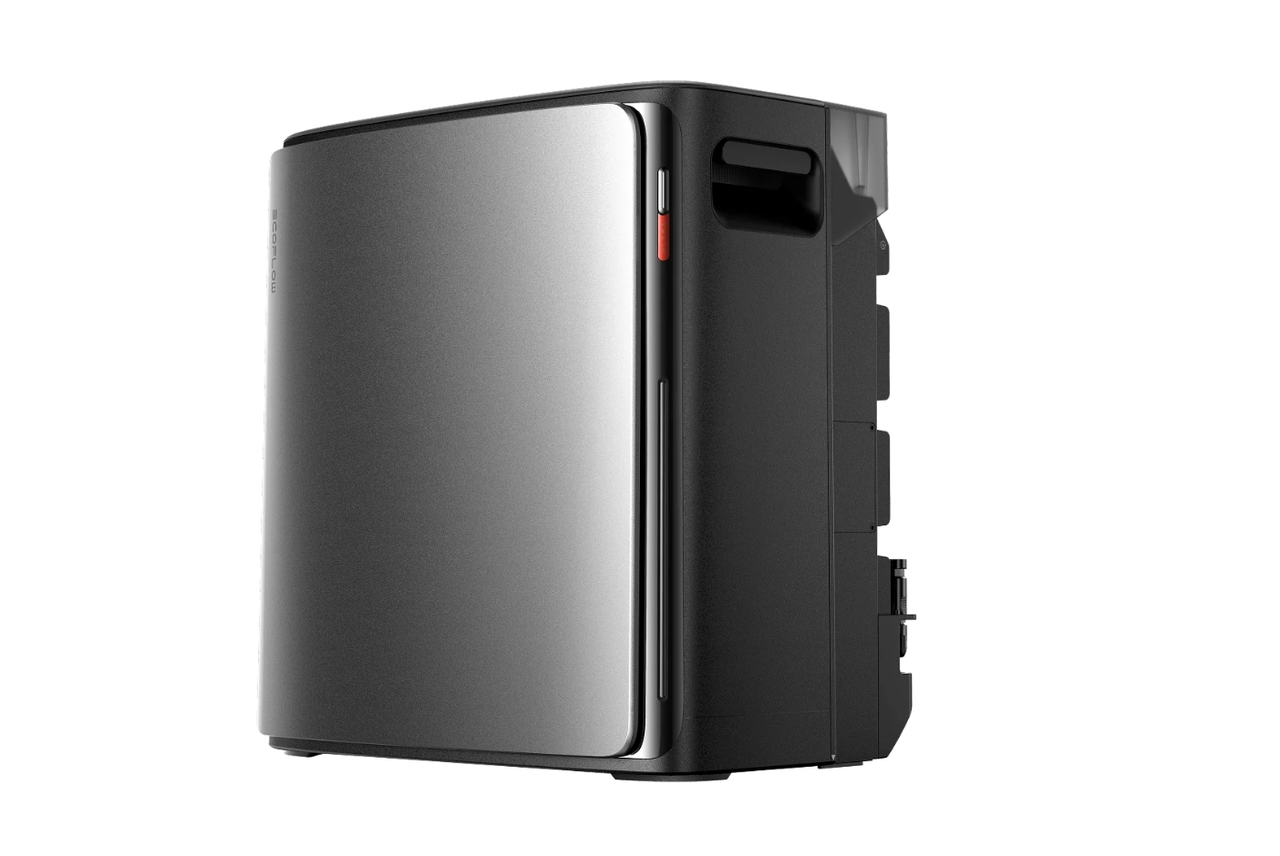
Portable power stations are one of the most common forms of plug-in solar battery storage. These units are typically compact, easy to move, and designed to work with small solar setups. They are suitable for households that need flexible energy storage without permanent installation. Portable power stations are often used to store excess solar energy for later use and can power essential devices such as laptops, lighting, and small household appliances. Their portability and ease of integration make them a practical option for beginners or for temporary and small-scale energy needs.
2. Integrated balcony solar battery kits
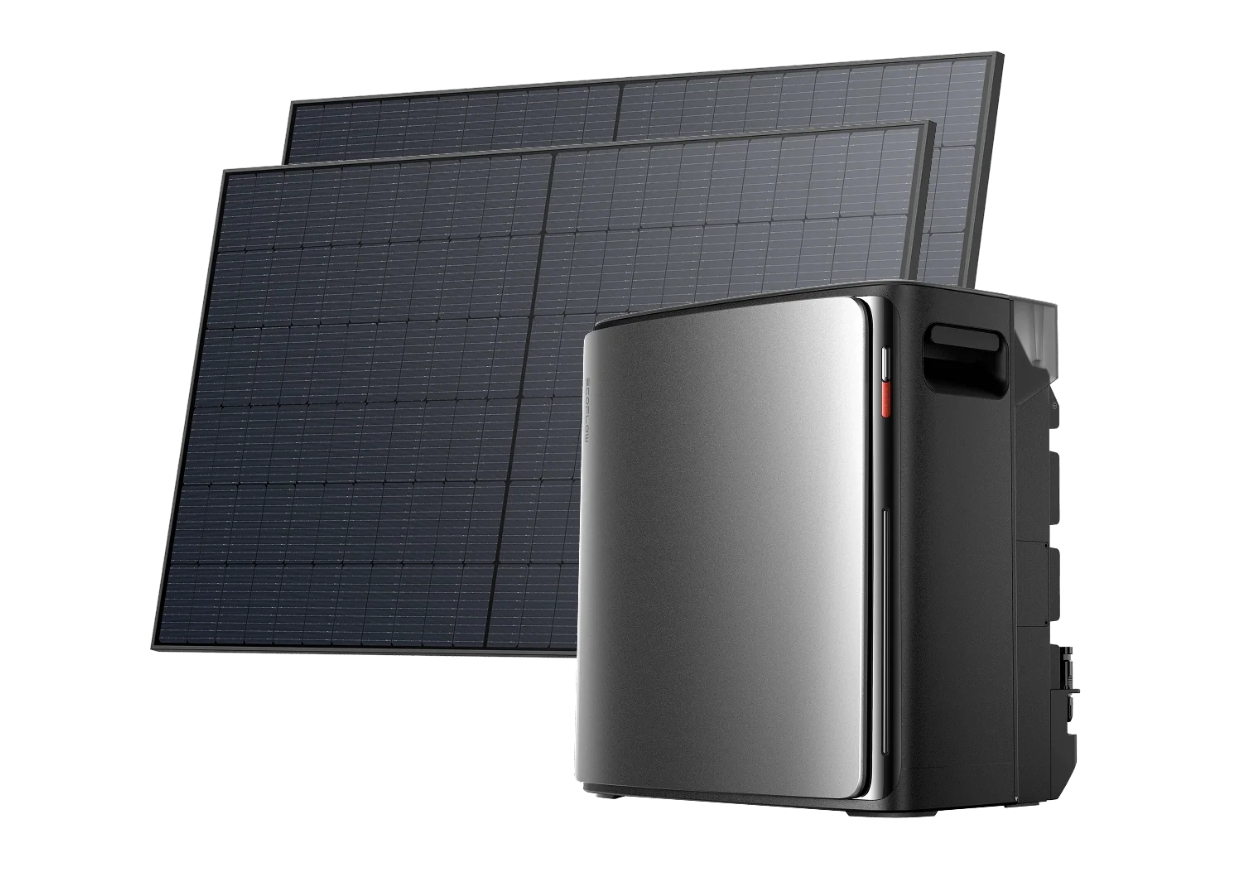
Integrated kits combine solar panels, inverters, and battery storage into one complete system. These solar system setups are often used in apartments and small homes where space is limited. A solar plug with a battery kit like this is designed for easy installation and efficient energy use. It provides a more seamless and user-friendly experience compared to separate components.
3. Modular stackable home batteries
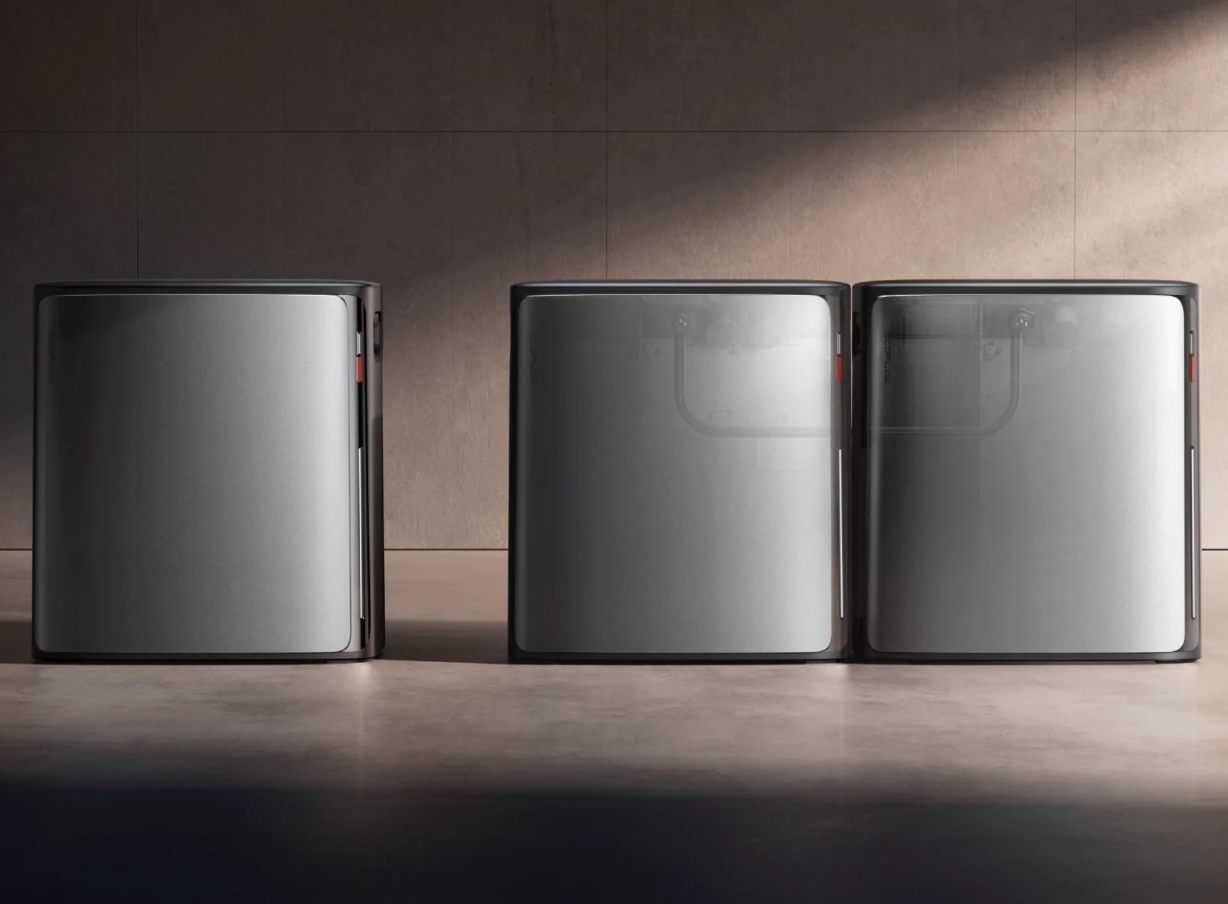
Modular batteries are advanced systems that allow you to expand storage as your energy needs grow. They consist of stackable units that can be added over time. This type of plug-in solar battery setup is suitable for users who want long-term flexibility and higher capacity. It's a scalable solution for more demanding home energy requirements.
Is it worth getting a storage battery with solar panels?
Adding a battery to a solar setup can significantly improve how efficiently you use the energy you generate. A plug-in solar battery allows you to store excess daytime electricity and use it later in the evening, instead of sending it back to the grid or wasting it. This is especially useful for households that consume more power after sunset, as it helps increase self-consumption and reduce reliance on external electricity.
A plug-in solar system with a battery is most valuable for users who want greater energy independence, backup protection during outages, and better control over energy usage. However, it does come with a higher upfront cost, so the decision depends on your budget and usage pattern. If you mainly use electricity during the day, a basic solar setup may be enough, but for long-term savings and flexibility, adding storage can be a worthwhile upgrade.
What size plug-in solar battery will you need?
The right size of a plug-in solar battery depends mainly on how much electricity you use daily and what you want the system to achieve. Instead of one fixed size, batteries are usually chosen based on capacity (kWh), which determines how long they can power your devices.
For basic use, a small plug-in solar battery storage system, around 1–2 kWh, is usually enough to run essentials like lights, routers, and laptops in the evening. If you want to cover more appliances such as TVs, fans, or work-from-home setups, a mid-size system of around 2–5 kWh is more suitable. Larger homes or users who want backup power during outages may need 5 kWh or more, depending on their daily consumption.
A simple way to think about sizing is that most households only need enough storage to cover evening and night usage rather than the entire day. This is why many compact systems work well when paired with a plug-in solar with battery setup, as they are designed for partial energy independence rather than full off-grid living. In practice, the best size is the one that matches your usage habits, not just the biggest capacity available.
What to avoid when buying a plug-in solar battery?
One of the biggest mistakes is not checking whether the battery works properly with your existing setup. A mismatch between the inverter, panels, or plug-in solar battery can reduce efficiency or even prevent the system from working correctly. Always ensure all components are compatible before buying.
Focusing only on price
Choosing the cheapest option can be risky because lower-cost systems often lack durability, safety features, or efficiency. While affordability matters, a plug-in solar with a battery should be judged on overall performance and lifespan, not just upfront cost. Cheaper systems may end up costing more in the long run.
Overlooking battery capacity needs
Many users either buy too small or too large a system for their actual usage. A properly sized plug-in solar battery storage ensures you can store enough energy without wasting money on unused capacity. Always match battery size with your daily electricity consumption.
Skipping warranty and support checks
A strong warranty is a sign of product reliability. Without proper support, repairs or replacements can become expensive and stressful. Always check warranty length, coverage, and customer service quality before purchasing any system.
Not considering installation requirements
Even plug-in systems need proper setup for safe operation. Ignoring electrical requirements or using unsuitable outlets can lead to safety risks. Make sure your plug-in solar battery setup follows manufacturer guidelines and, if needed, is checked by a qualified electrician.
Conclusion
A plug-in solar battery offers a simple and flexible way to store and use solar energy without the complexity of traditional installations. It bridges the gap between daytime energy production and evening usage, making solar power more practical for everyday life. From understanding battery types and costs to checking safety certifications, choosing the right system helps you get better performance and long-term value.
While compact systems are ideal for small homes and backup use, more advanced options can support higher energy demands with greater efficiency. Overall, a plug-in solar battery storage solution is a smart step toward lowering electricity costs and conveniently improving energy independence.
FAQs
Is a plug-in solar worth it?
Yes, a plug-in solar system can be worth it for users who want a simple way to reduce electricity bills without major installation work. It is especially useful for small homes, renters, and beginners. While it won't replace a full rooftop system, it provides noticeable savings over time. The value depends on your energy usage and sunlight conditions.
Does rain affect solar panels?
Rain does not damage solar panels and can actually help by cleaning dust and dirt from the surface. However, cloudy or rainy weather reduces energy generation since sunlight is limited. A plug-in solar battery can help store energy generated on sunnier days for later use. Proper installation ensures long-term durability in all weather conditions.
Where can you buy a plug-in solar battery?
You can buy a plug-in solar battery storage system from renewable energy retailers, online marketplaces, and specialist solar suppliers. Availability is increasing as plug-in systems become more popular. Always choose certified products from trusted brands to ensure safety and performance. Checking reviews and warranty details is also recommended before purchasing.
Is a plug-in solar battery safe?
Yes, a properly certified plug-in solar battery is safe to use when installed correctly. Safety features like overload protection, anti-islanding, and certified inverters help prevent electrical risks. It is important to follow manufacturer guidelines and use compatible components. Avoid uncertified systems to ensure safe and reliable operation.