Off-Grid Camping Made Easy: Locations, Power Tips, and Essential Equipment
Going off-grid lets campers fully enjoy nature and escape the busy city life. To make the experience comfortable, a bit of preparation is key. Simple solutions like portable power stations can provide electricity for lights, small appliances, and device charging, helping you stay self-sufficient without relying on mains power. Combined with the right gear and planning, these essentials make off-grid camping practical and enjoyable.
What is off-grid camping?
Off-grid camping refers to a style of outdoor travel where campers stay in remote locations without relying on public utilities such as electricity, water supply, or established campground facilities. It emphasizes self-sufficiency, requiring individuals to carry or generate their own resources, including power, food, and water. This approach allows travelers to explore more secluded natural environments while maintaining independence from conventional infrastructure. As a result, off-grid camping occasionally appeals to those seeking deeper immersion in nature and a more autonomous outdoor experience.
15 best off-grid camping locations in the UK
The UK offers a surprising variety of remote landscapes ideal for travellers seeking an authentic camping experience. From minimal-facility campsites to wild coastal and mountain locations, these destinations allow campers to disconnect from modern infrastructure and immerse themselves in nature.
Below are some of the best places for off-grid camping locations, whether you prefer quiet campsites or completely wild surroundings.
5 minimal-facility campsites for a true off-grid experience
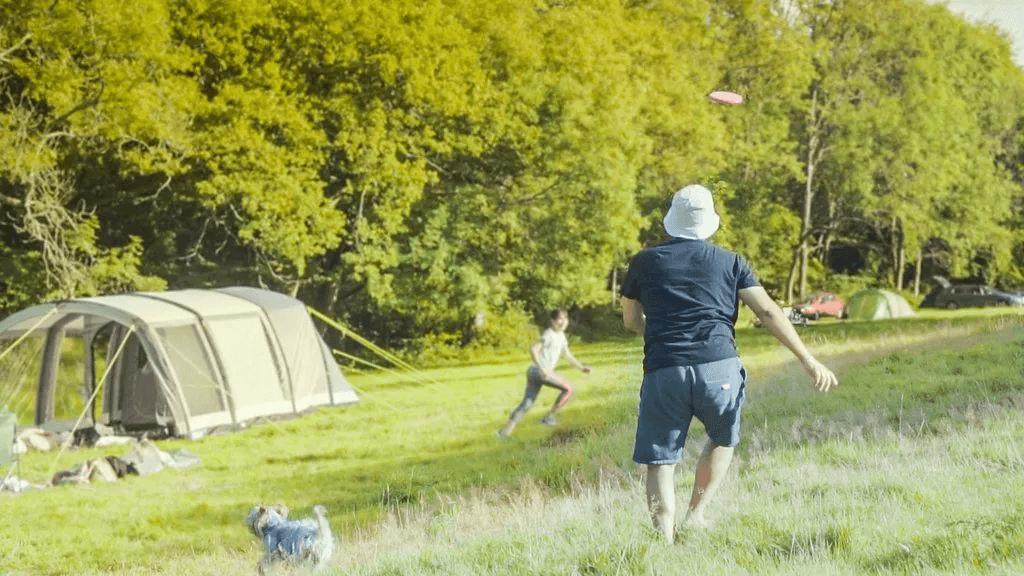
Hook Farm Campsite, East Sussex
Tucked in the countryside near the South Downs, Hook Farm Campsite offers simple pitches with limited facilities, encouraging campers to rely on their own gear and power solutions. It's ideal for travelers wanting a gentle introduction to off-grid camping in the UK while still enjoying peaceful rural surroundings.
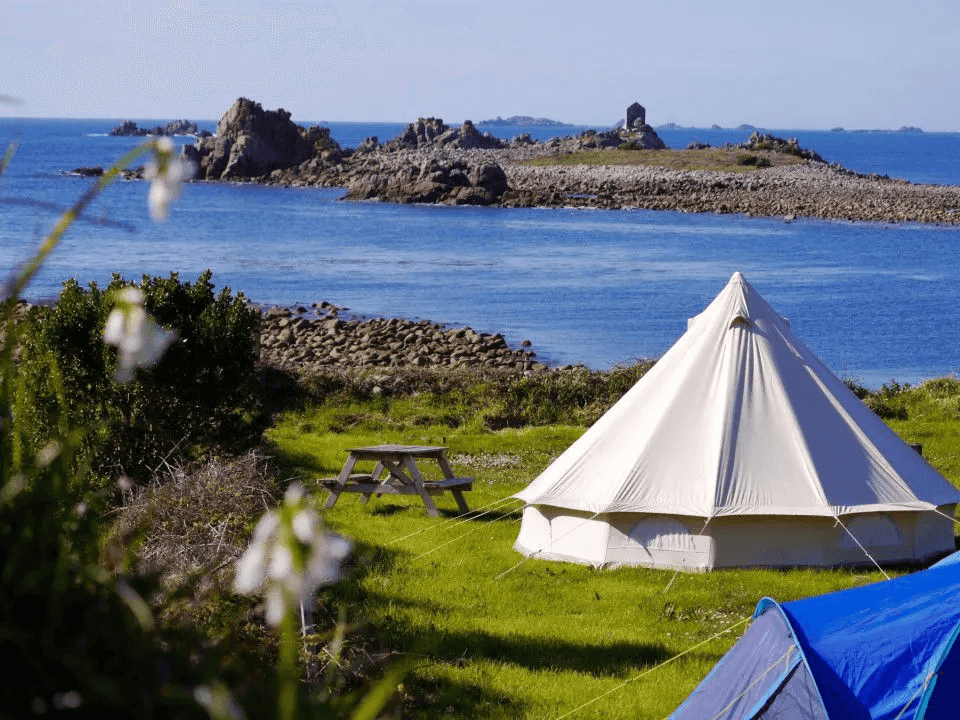
Troytown Farm Campsite, Isles of Scilly
Located on the island of St Agnes, Troytown Farm Campsite provides a quiet coastal setting with very basic amenities. Campers experience a slower pace of life and ocean views that perfectly complement off-grid camping in the UK.
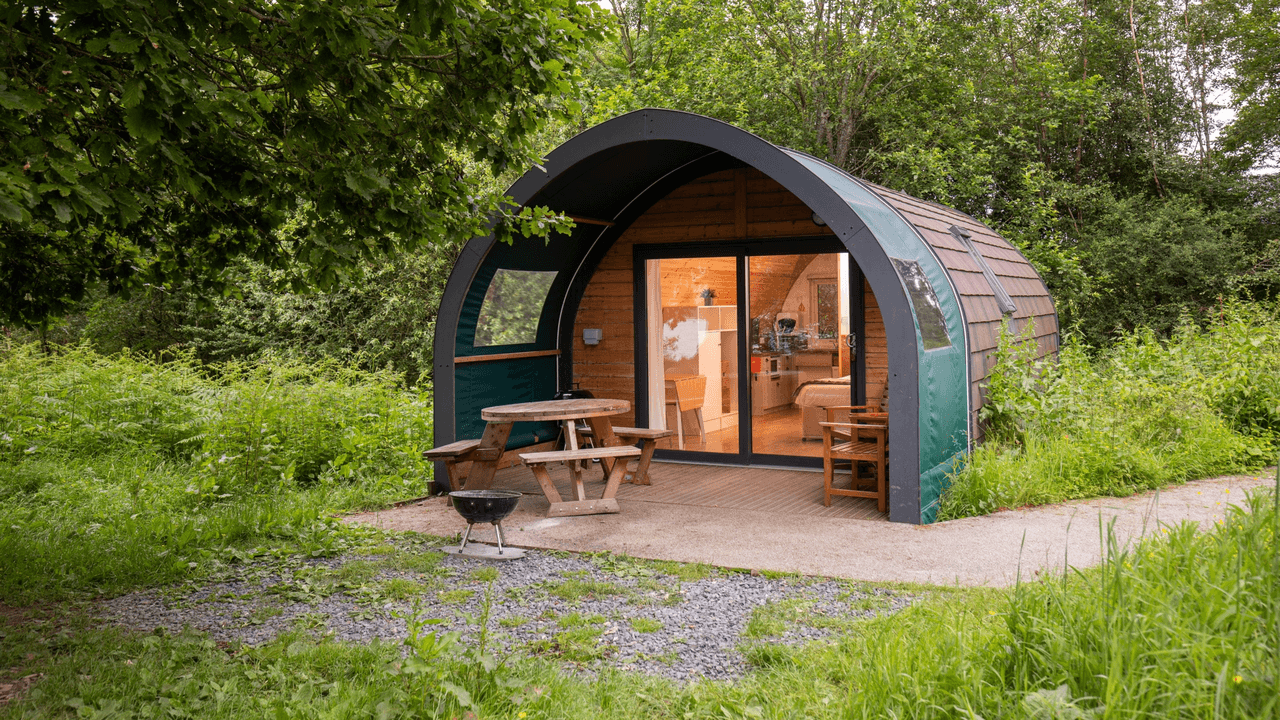
Low Wray Campsite, Lake District
Operated by the National Trust, Low Wray Campsite includes simple woodland pitches where visitors can disconnect from busy campsites. Its natural environment makes it suitable for those practicing sustainable off-grid camping in the UK.
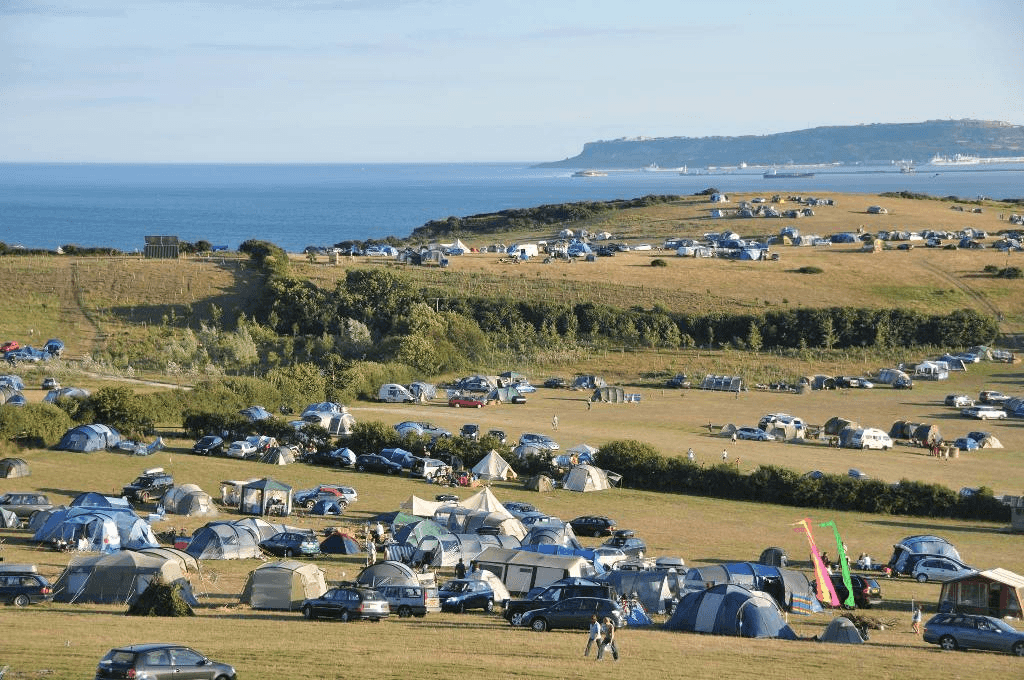
Eweleaze Farm Campsite, Dorset
Eweleaze Farm Campsite sits above the Jurassic Coast cliffs and offers meadow camping with minimal infrastructure. It's an appealing option if you're searching for peaceful alternatives to crowded campgrounds while exploring free off-grid camping UK-style simplicity.
Wasdale Campsite, Cumbria
At the foot of England's highest peak, Wasdale Campsite provides a rugged base for hikers and explorers. With limited facilities and dramatic scenery, it delivers an authentic off-the-grid camping UK atmosphere.
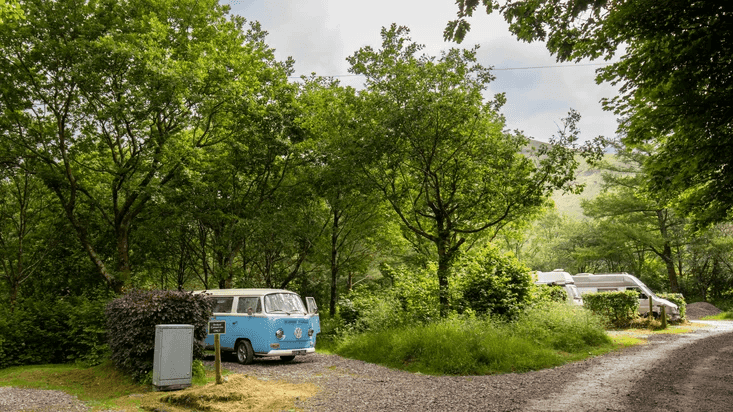
5 wild locations for an off-grid adventure
Dartmoor Moorlands, Devon
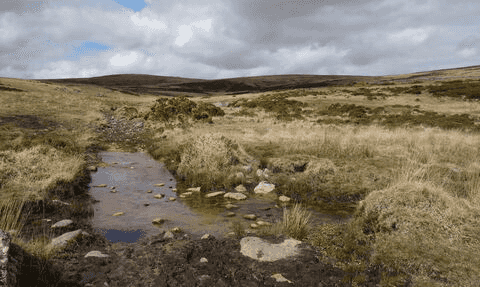
The open landscapes of Dartmoor are one of the few areas in England where wild camping is traditionally practised in certain zones. Backpackers often trek deep into the moorlands to experience remote off-grid camping in the UK.
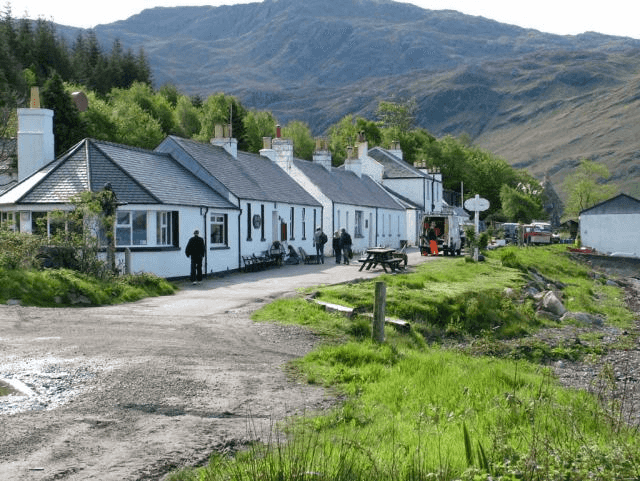
Knoydart Peninsula, Scotland
Accessible mainly by boat or long hiking routes, the Knoydart Peninsula is one of Britain's most isolated regions. Its rugged terrain offers a rare opportunity for genuine off-the-grid camping in the UK, surrounded by untouched wilderness.
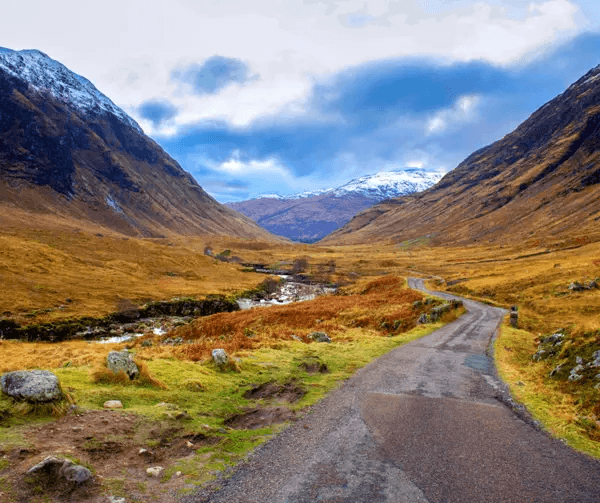
Glen Etive, Scottish Highlands
Glen Etive is famous for its dramatic valley landscapes and quiet roadside camping spots. Adventurers looking for scenic and sometimes free off-grid camping near me-style locations often travel here for solitude.
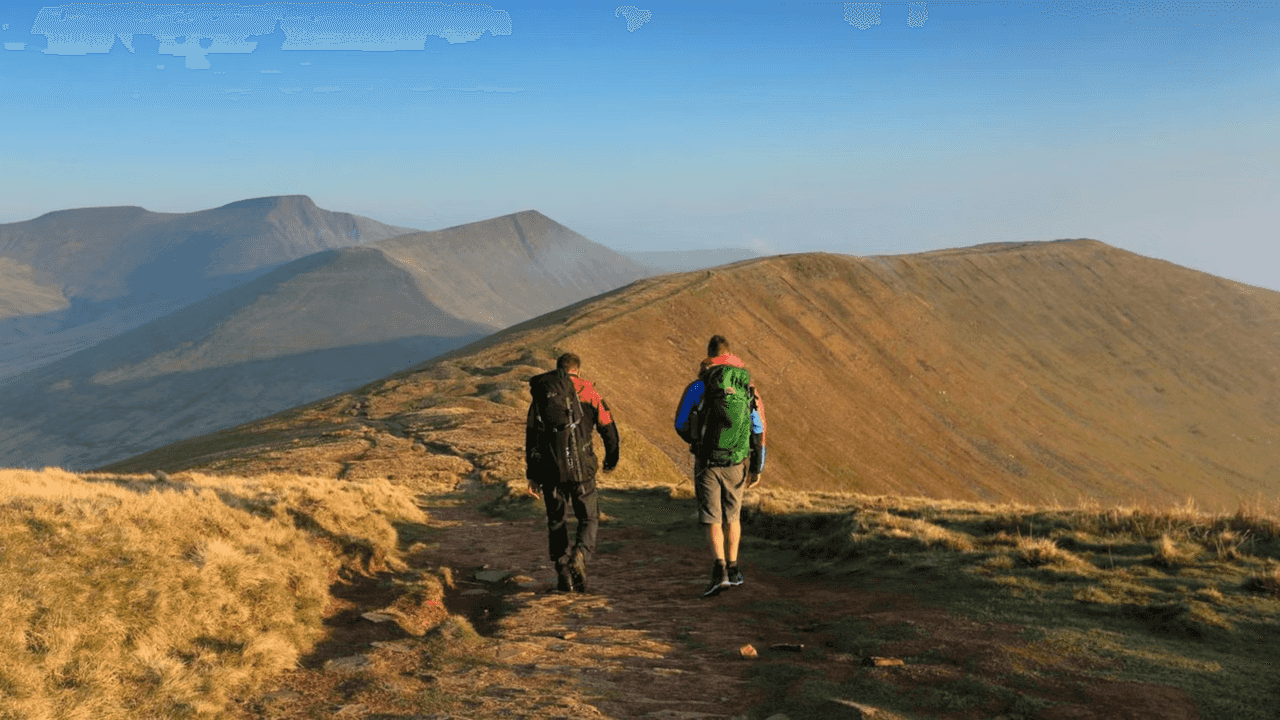
Brecon Beacons Remote Valleys, Wales
Hidden corners of the Brecon Beacons offer hikers peaceful overnight spots far from towns. Responsible campers can enjoy remote valleys that suit self-sufficient off-grid camping UK trips.
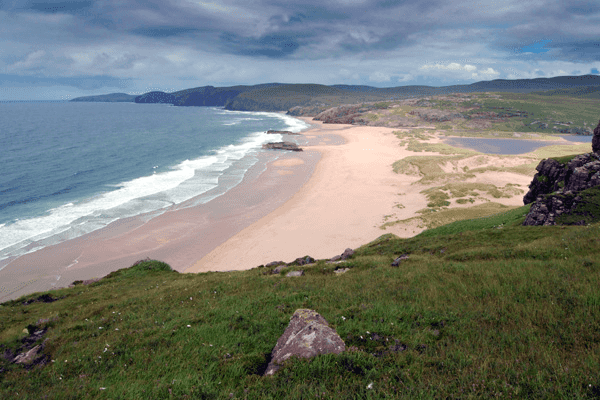
Sandwood Bay, Scotland
The wild coastline of Sandwood Bay requires a long hike to reach, but the reward is a pristine beach and remarkable isolation. This location is frequently recommended for explorers searching for free off-grid camping UK experiences in dramatic coastal scenery.
5 UK national parks perfect for off-grid camping
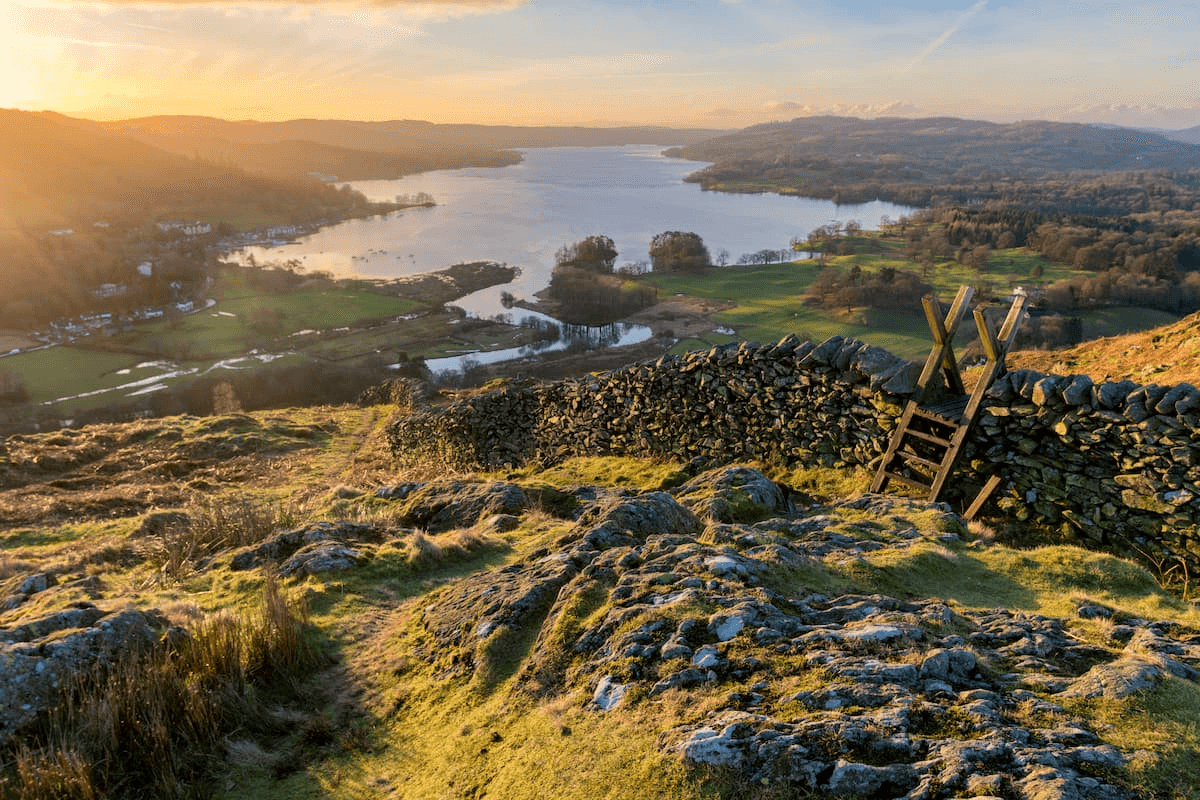
Lake District National Park
Lake District National Park features towering fells and quiet valleys that encourage self-reliant camping journeys. With proper planning, it can provide excellent opportunities for scenic camping adventures.
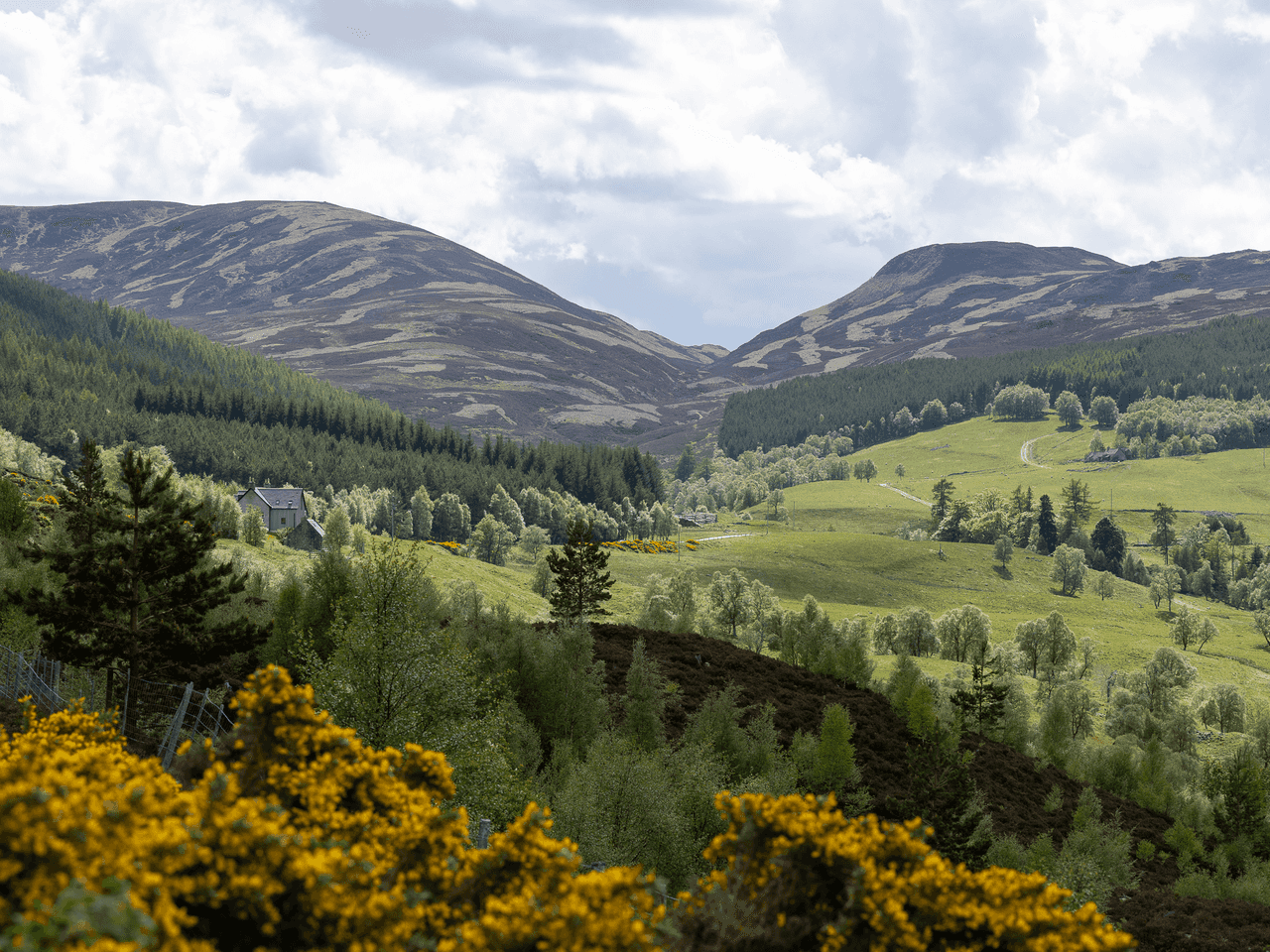
Cairngorms National Park
The vast wilderness of Cairngorms National Park is widely considered one of the best regions for remote travel in Britain. Backpackers often venture deep into the park to enjoy authentic off-grid camping in the UK.
Snowdonia National Park
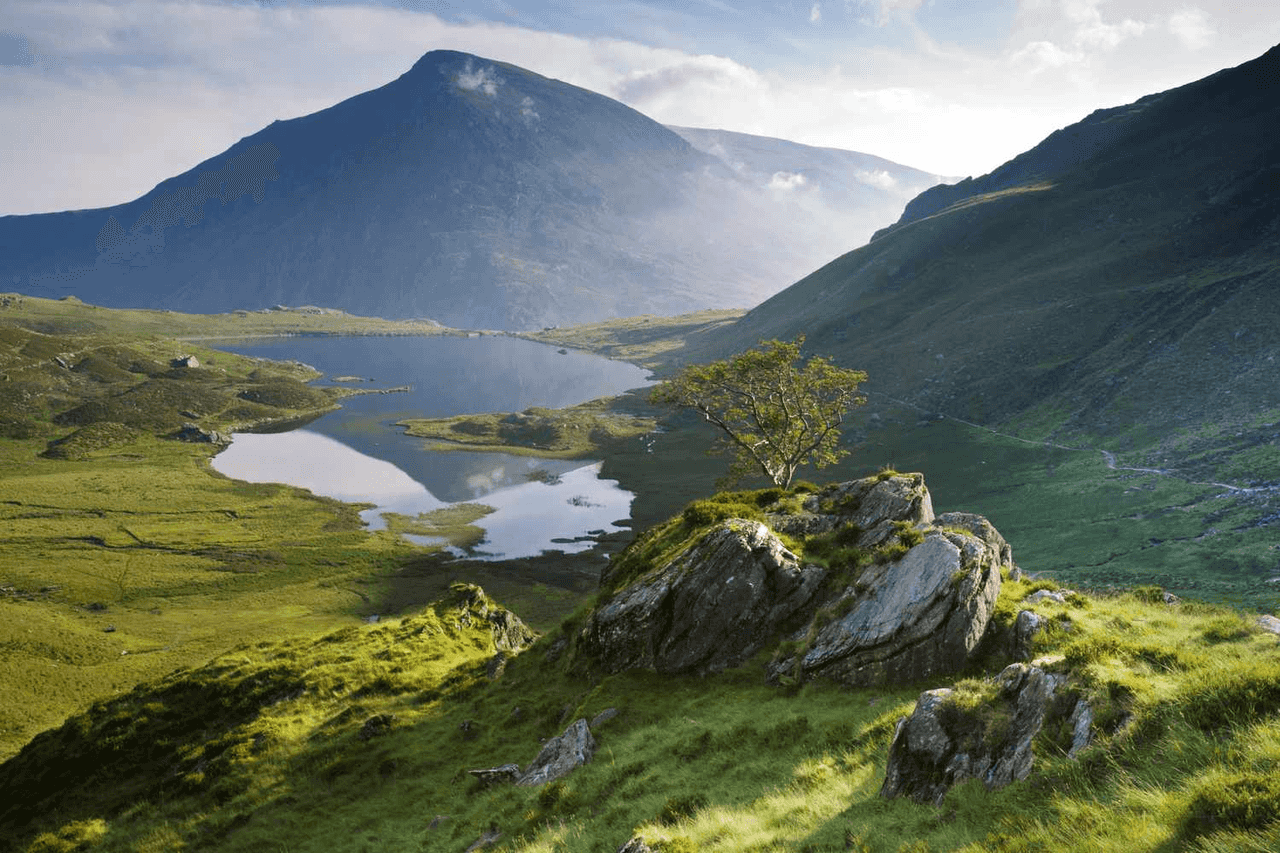
Known for rugged mountains and glacial lakes, Snowdonia National Park attracts experienced hikers seeking remote overnight stays. Its dramatic landscapes create ideal settings for self-sufficient off-grid camping UK trips.
Northumberland National Park
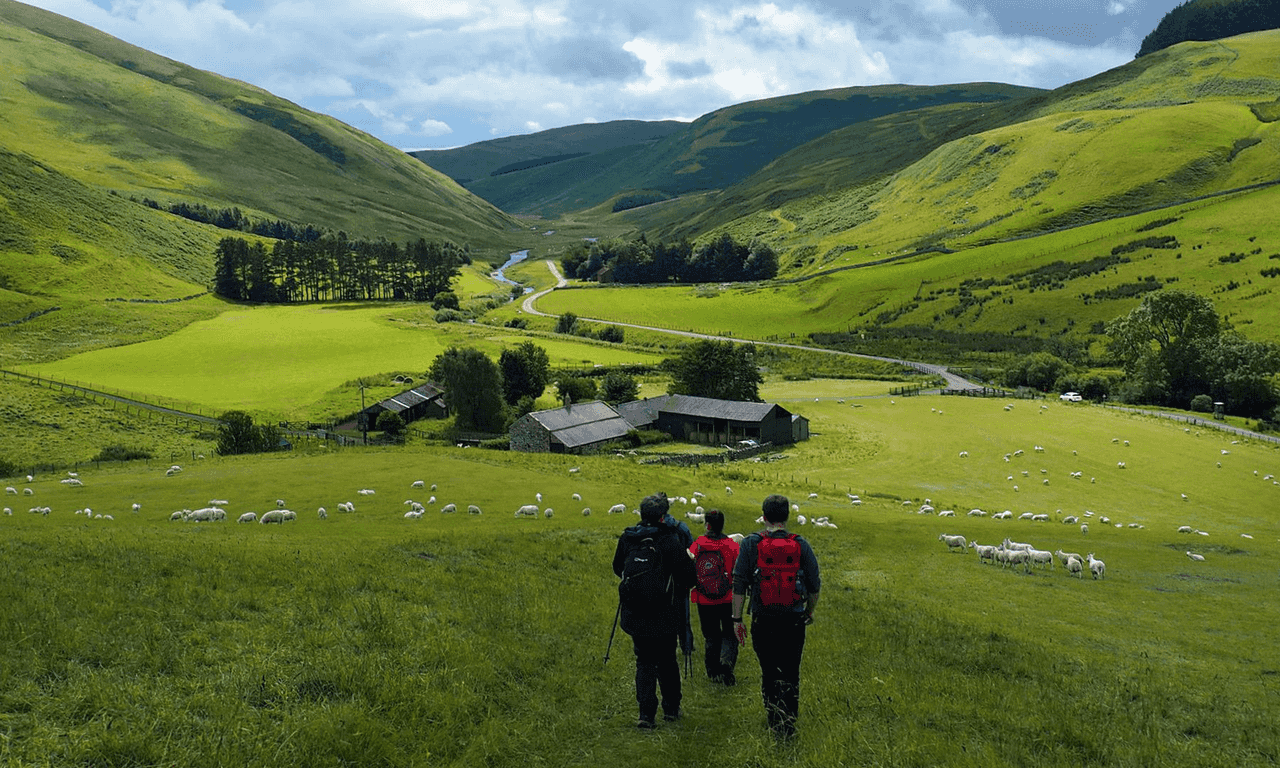
The wide open hills of Northumberland National Park offer dark skies and peaceful countryside. Travellers searching for free off-grid camping near me locations in northern England often explore its remote areas.
Loch Lomond & The Trossachs National Park
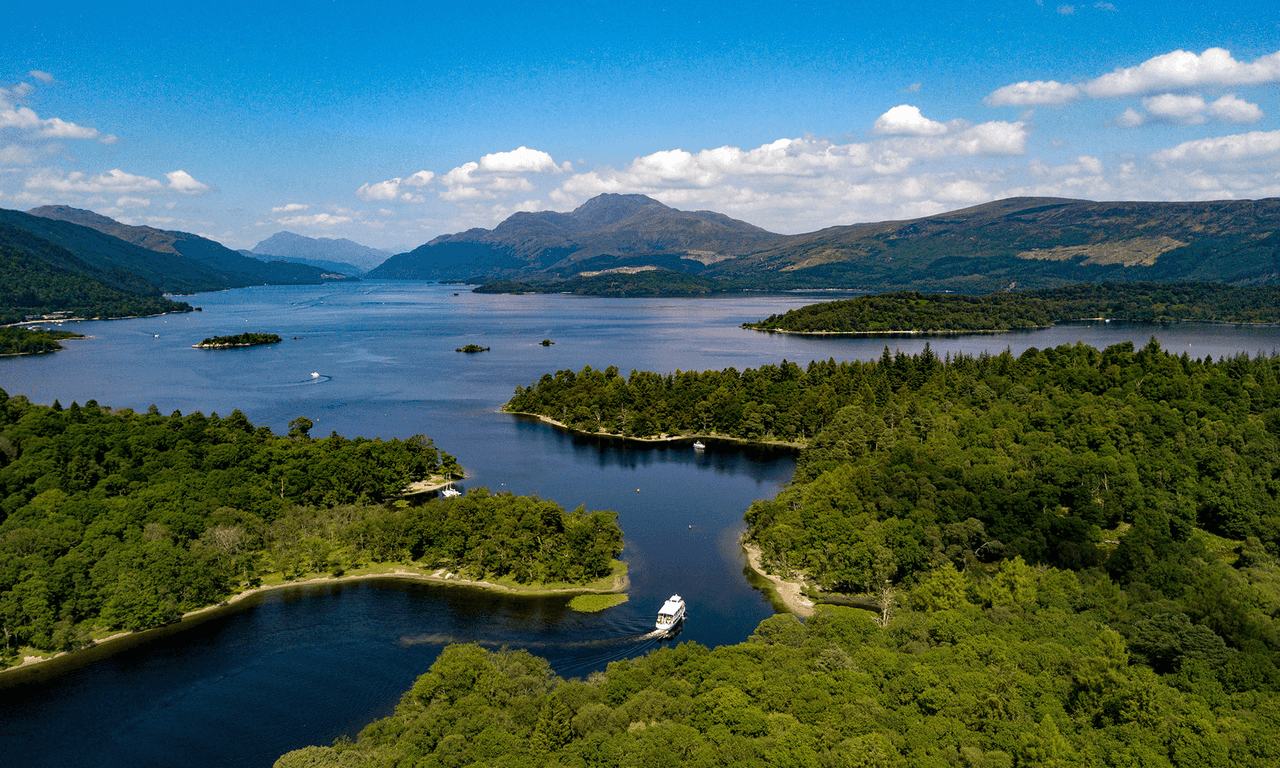
Loch Lomond and The Trossachs National Park combine forests, lochs, and mountain scenery. When visiting designated zones responsibly, it can deliver memorable camping experiences in a breathtaking natural environment.
Off-grid camping essentials checklist
Heading off for an off-grid camping adventure is exciting, but a little planning goes a long way. Having the right gear can turn a challenging trip into a smooth and enjoyable experience. From choosing a cozy shelter and comfy sleeping setup to making sure you have enough food, water, reliable lighting, and safety tools, each item plays a part in keeping your adventure comfortable and stress-free. The checklist below breaks down all the essentials you'll want to pack for a successful off-grid getaway.
Reliable off-grid power solutions for camping
Modern off-grid camping equipment often includes portable energy systems that keep essential devices running without relying on traditional power infrastructure. Modern solutions like EcoFlow portable power stations allow campers to run essential devices even in remote locations, providing peace of mind and flexibility.
High-capacity solar generator for off-grid trips: EcoFlow DELTA 3 Plus (1 kWh)
The EcoFlow DELTA 3 Plus is a portable power station that stores 1,024 Wh of electricity—enough to run small appliances and devices while camping or off-grid. It provides 1,800 W of continuous power, and with X‑Boost technology, it can temporarily handle devices that need a bit more energy, up to around 2,400 W. This means you can power things like portable fridges, lights, or small cooking equipment safely.
You can recharge the DELTA 3 Plus in several ways:
The AC wall charging: Plug it into a regular socket (up to about 1,200–1,500 W, depending on conditions).
Solar panels: Connected to 500 W of solar panels to refill it from sunlight.
Car charging: Use a 12 V or 24 V car socket if you're on the road.
The unit is built with a durable LiFePO₄ battery, which can last for thousands of charge cycles, so it keeps working for years. It also has Wi-Fi and Bluetooth, so you can monitor your battery and power usage from your phone. All of this comes in a compact, portable package weighing about 12 kg, making it easy to carry to your campsite.
The best reliable off-grid power solution for camping: EcoFlow DELTA 3 Max Plus (2 kWh)
The EcoFlow DELTA 3 Max Plus is a powerful portable battery that stores 2,048 Wh of electricity, making it perfect for longer off-grid camping trips. It can provide 3,000 W of continuous power and handle short bursts up to 6,000 W, so you can run bigger devices like portable cooktops, electric coolers, or lights without worry.
This power station has four AC outlets, several USB-A and USB-C ports, and a 12V DC output, letting you charge or power multiple devices at the same time. Even with all this power, it's still compact and portable, weighing about 22 kg, so it's manageable for camping trips.
Charging options are very flexible:
Fast AC wall charging: Up to 2,300 W.
Solar panels: Up to 1,000 W for sunny days.
Generator or car charging: Works with 12 V/24 V sockets.
The LiFePO₄ battery is built to last, giving around 3,000 full charge cycles to 80% capacity, so it can handle frequent use over the years. You can even expand the battery with extra compatible units, reaching up to 10 kWh for really long adventures. Plus, with Wi-Fi, Bluetooth, and a companion app, you can easily check battery status and manage power use while out in the wild.
Shelter & sleeping gear
A reliable shelter is the backbone of any off-grid camping gear setup. Choose a durable tent, a weather-resistant tarp, and an insulated sleeping bag suited to the climate. Pair them with a compact sleeping pad to maintain warmth and comfort, ensuring restorative sleep even in remote environments.
Item | Purpose | Selection Tips |
Tent | Main shelter for protection from the weather | Choose a durable, waterproof tent with reinforced seams; consider easy setup designs for efficiency |
Tarp | Extra coverage for ground or overhead protection | Waterproof, tear-resistant material; can extend shelter space or protect from rain/sun |
Sleeping bag | Thermal insulation during sleep | Select a temperature rating suitable for the climate; lightweight and compressible for transport |
Sleeping pad | Comfort and insulation from the ground | Compact, lightweight, and well-insulated to prevent heat loss and improve sleep quality |
Pillow | Head and neck support | Inflatable or compressible travel pillows save space while improving comfort |
Water & food supplies
When camping away from facilities, carrying sufficient water and non-perishable food is essential. Portable water filters or purification tablets let you safely use natural sources such as streams or lakes. Nutrient-dense foods, such as dehydrated meals, trail mix, and energy bars, help sustain energy during extended outdoor exploration.
Item | Purpose | Selection Tips |
Water container | Store and transport drinking water | Durable, leak-proof bottles or jugs; consider collapsible options for space-saving |
Portable water filter | Purify water from natural sources | Lightweight, easy to use; removes bacteria, protozoa, and sediment |
Purification tablets | Backup water treatment | Compact and easy to carry; useful if the filter fails or for emergencies |
Non-perishable meals | Sustain energy while camping | Dehydrated or freeze-dried meals; choose options rich in protein and calories |
Snacks & energy bars | Quick energy boosts | Trail mix, nuts, dried fruit, or bars that require no preparation |
Lighting & navigation tools
A well-planned off-grid camping setup should include dependable lighting and navigation equipment. Headlamps, lanterns, and spare batteries illuminate your campsite after sunset, while a map, compass, or GPS device ensures you can confidently navigate unfamiliar terrain.
Item | Purpose | Selection Tips |
Headlamp | Hands-free lighting | Adjustable brightness, long battery life, and waterproof options are best |
Lantern | Camp illumination | LED lanterns with multiple brightness settings; battery or rechargeable options |
Spare batteries | Backup power for lights | Bring enough for the duration of the trip; check compatibility with devices |
Map | Terrain reference | Topographic maps of the area; waterproof or laminated preferred |
Compass | Navigation backup | Simple, reliable, and lightweight; essential if GPS fails |
GPS device | Accurate positioning | Preloaded maps; long battery life; optional smartphone GPS backup |
Safety & emergency gear
Preparedness is vital in remote environments where assistance may be limited. Pack a comprehensive first-aid kit, multi-tool, whistle, and fire-starting tools to handle unexpected situations. Emergency blankets and a portable communication device can further enhance safety during unpredictable weather or challenging conditions.
Item | Purpose | Selection Tips |
First-aid kit | Treat injuries | Include bandages, antiseptics, pain relief, blister care; adjust contents for trip length and group size |
Multi-tool | Versatile problem-solving | Includes knife, pliers, screwdriver, can opener; compact and durable |
Whistle | Signal for help | Loud and lightweight; attached to a backpack or clothing |
Fire-starting tools | Start emergency fires | Waterproof matches, lighter, or fire starter; practice using them safely |
Emergency blanket | Retain body heat | Compact and reflective; useful in sudden weather changes |
Portable communication device | Call for help if needed | Satellite phone, personal locator beacon, or walkie-talkie; consider coverage area |
Conclusion
In conclusion, off-grid camping offers a refreshing escape from everyday routines by enabling travelers to explore remote landscapes with greater independence. From discovering quiet natural locations across the UK to preparing the right gear and power solutions, thoughtful planning makes the experience far more comfortable. Reliable shelter, food supplies, navigation tools, and portable energy systems all contribute to a smoother adventure. With proper preparation and respect for nature, off-grid camping can become a truly memorable way to experience the outdoors.
FAQs
Is off-grid camping legal in the UK?
Off-grid camping in the UK is generally restricted because most land is privately owned. Wild camping is officially permitted in limited areas, such as parts of Dartmoor, but elsewhere it usually requires the landowner's permission. Many campers choose remote campsites or designated spots that allow a more self-sufficient outdoor experience.
Can passengers sleep in a campervan while driving?
Passengers are allowed to rest in a campervan while it is moving, but they must remain properly seated and wear a seatbelt if one is available. Lying in a bed or moving around the vehicle during travel is unsafe and may breach road safety regulations. It's always advisable to stop the vehicle before anyone sleeps comfortably.
What is a good off-grid power setup for beginners?
A practical starter setup typically includes a portable power station paired with foldable solar panels. This combination can reliably charge phones, lights, and small appliances without relying on campsite electricity. Adding efficient LED lighting and energy-conscious devices helps maximize battery performance during remote trips.