All About LFP Batteries: Benefits, Uses, And Applications
Lithium Iron Phosphate (LFP) batteries are becoming increasingly popular for their safety, long lifespan, and stable performance. They are widely used in applications ranging from renewable energy systems to solar batteries, where reliable and efficient energy storage is essential. Understanding the benefits, common uses, and practical applications of LFP batteries can help you make informed choices for your next energy solution.
What is an LFP battery?
An LFP battery, or lithium iron phosphate battery, is a type of lithium-ion technology known for its stability and durability. It utilizes iron phosphate as the cathode material, which contributes to a more robust chemical structure compared to other lithium-based batteries. This composition allows it to handle repeated charging cycles with minimal degradation over time. Commonly used in electric vehicles and portable power stations, LFP batteries are valued for their dependable performance and enhanced safety profile.
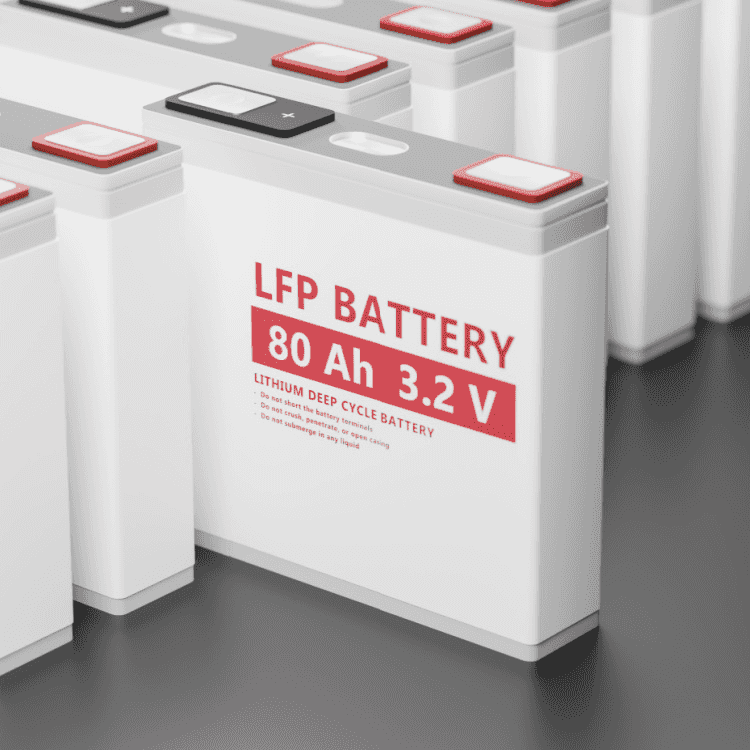
Key advantages of LFP batteries
Understanding the benefits of LFP battery technology requires looking beyond basic performance metrics. These batteries stand out not just for durability, but for how efficiently they align with modern energy requirements. Their evolving role reflects a shift toward more dependable and forward-thinking power solutions.
Long cycle life
LFP batteries are engineered for remarkable longevity, often sustaining over 3,000 charge cycles with minimal capacity degradation. This extended lifespan not only enhances long-term value but also supports LFP battery recycling efforts by reducing the frequency of disposal and material turnover. In practical terms, users benefit from a more sustainable energy solution that balances durability with environmental responsibility.
Enhanced safety
A defining characteristic of LFP chemistry is its intrinsic thermal stability, which significantly lowers the risk of overheating or combustion. Unlike other lithium-ion variants, it resists thermal runaway even under stressful conditions. This makes it particularly suitable for high-demand applications where operational safety cannot be compromised.
Environmentally friendly
LFP batteries are composed of more abundant and less hazardous materials, eliminating the need for cobalt or nickel. It not only reduces environmental strain during resource extraction but also aligns with more ethical manufacturing practices. Their composition makes them a more conscientious choice for eco-aware users.
Reliable performance
These batteries deliver a consistent voltage profile throughout their discharge cycle, ensuring steady and predictable energy output. Their resilience across varying temperatures further enhances their practicality in diverse environments. Whether used in portable systems or long-term setups, they offer dependable and uninterrupted performance.
LFP battery applications
LFP batteries have moved far beyond niche usage and are now embedded in a wide spectrum of real-world applications. Their practical design allows them to meet very different energy demands without compromising efficiency. From small-scale setups to complex systems, their role continues to expand in meaningful ways.
Renewable energy storage
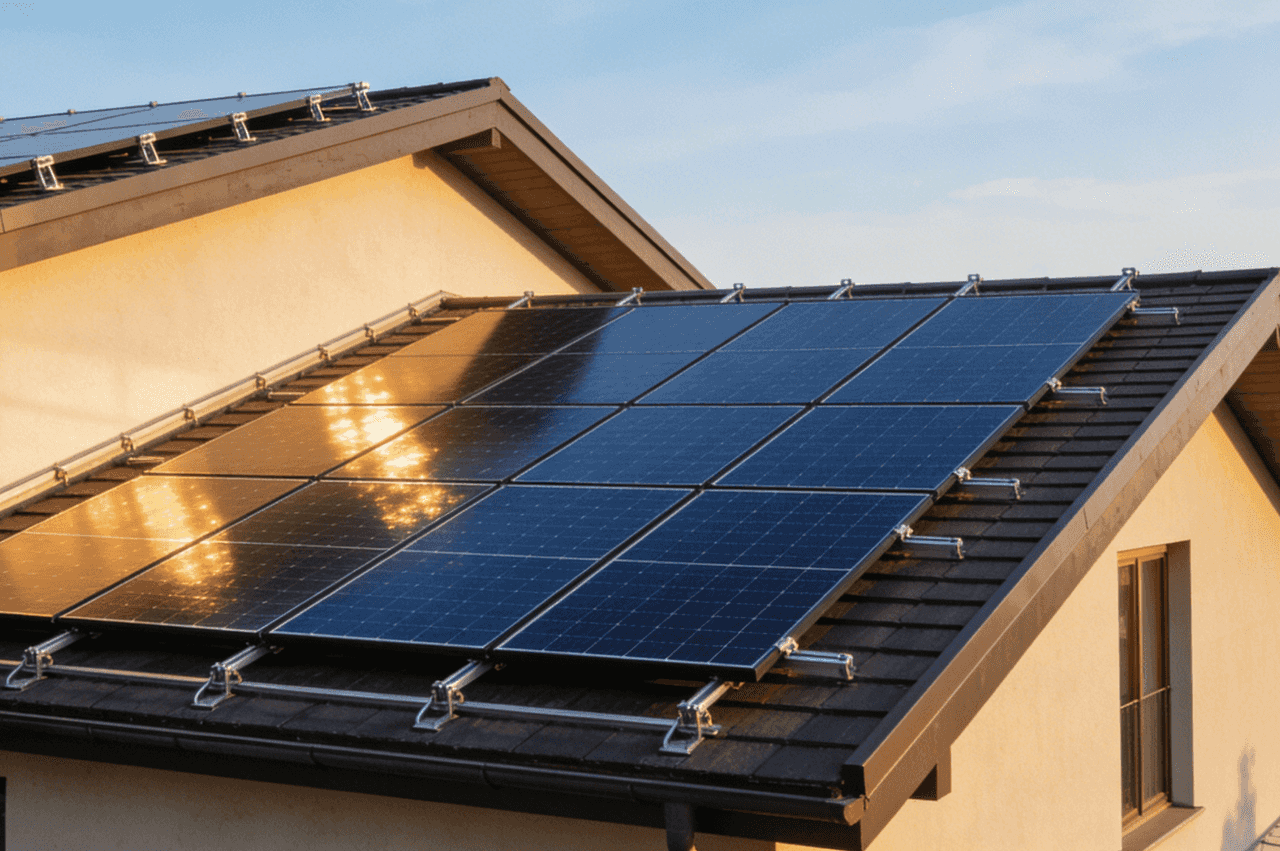
In renewable energy systems, LFP batteries excel at storing surplus energy generated from rooftop solar panels, wind turbines, and small-scale community energy projects during peak production hours. This stored energy can then be redistributed to power homes, street lighting, water pumps, or backup systems during periods of low generation, improving overall grid efficiency. Their stable discharge behavior ensures a consistent energy flow rather than sudden fluctuations, making them particularly valuable for off-grid solar setups, microgrids, and decentralized power networks.
Electric vehicles (EVs)
Within electric mobility, LFP batteries contribute to predictable and steady driving performance, making them ideal for city EVs, electric scooters, e-bikes, and compact delivery vans. One of the key benefits of LFP battery technology is its ability to maintain structural integrity under repeated daily usage, which suits urban commuting, ride-sharing fleets, and last-mile delivery vehicles. Additionally, their lower material volatility supports safer integration into compact vehicle designs and battery packs, ensuring reliability without compromising safety.

Portable power stations
For those seeking flexible and mobile energy solutions, EcoFlow's portable power stations have become a go-to choice. They simplify electricity access in remote settings while keeping essential devices operational. With advanced LFP battery integration, EcoFlow units bridge the gap between convenience and self-sufficiency, offering reliable and efficient power wherever it's needed.
EcoFlow DELTA 3 Classic (1024Wh) for camping & outdoor use
The EcoFlow DELTA 3 Classic features a 1024Wh capacity paired with a strong 1800W AC output and 3600W surge, enabling it to handle portable appliances such as mini fridges, outdoor lighting setups, and low-to-moderate wattage cooking devices. With X-Boost up to 2400W, dual AC outlets, and multiple USB options, including a 100W USB-C port, it supports diverse charging needs in camping, outdoor adventures, and mobile setups. Its compact build (398 × 200 × 283 mm) and manageable 12.1 kg weight make it highly portable for outdoor use.
Charging flexibility is another highlight, with 1400W AC input, enabling a rapid 0–80% charge in just 45 minutes, along with support for solar input up to 500W and generator compatibility—perfect for extended time off-grid. Built with LFP battery chemistry, it offers a long operational lifespan of up to 10 years. Smart features such as Wi-Fi, Bluetooth, and app control enhance usability, while quiet operation and stable performance make it ideal for camping trips, outdoor excursions, and emergency power situations.
EcoFlow DELTA 3 Max Series (2048Wh) for reliable home energy
The EcoFlow DELTA 3 Max Series delivers a substantial 2048Wh capacity, positioning it as a powerful EcoFlow LFP battery solution for demanding energy needs. It offers up to 3000W AC output (6000W surge) in the Plus variant, supporting multiple high-wattage devices simultaneously through four AC outlets and a wide range of USB and DC ports. Despite its high output, the unit maintains a practical form factor, with a refined design available in distinct color options and a manageable weight of around 20–22 kg. Enhanced features like X-Boost and X-Fusion further optimize performance for energy-intensive applications.
This series supports versatile recharging methods, including 2300W AC fast charging, solar input up to 1000W, generator compatibility, and vehicle charging. Built on LFP battery chemistry, it ensures extended cycle life along with improved operational stability. The Plus model provides expandable capacity up to 10kWh, making it suitable for longer usage scenarios.
Industrial applications
In industrial settings, LFP batteries are often deployed in areas where continuous and stable power is essential, such as factory production lines, automated assembly equipment, conveyor systems, and warehouse lighting or climate control systems. They support equipment that requires stable voltage delivery over extended operating periods. Their resistance to chemical stress and high temperatures allows them to function efficiently in demanding environments. This makes them well-suited for applications where power interruptions could halt operations or reduce productivity.

How LFP batteries differ from other lithium-ion batteries
To truly appreciate LFP technology, it helps to understand how it compares with other lithium-ion variants, selecting the best LFP battery. While they may appear similar on the surface, key distinctions in composition, durability, and performance set them apart. Let's break down the essential differences in a practical, easy-to-understand way.
Chemistry comparison
LFP batteries utilize lithium iron phosphate (LiFePO₄) as their cathode material, whereas other lithium-ion types often rely on nickel-manganese-cobalt (NMC) or nickel-cobalt-aluminum (NCA) blends. This fundamental difference gives LFP cells a more stable molecular structure, reducing reactivity under stress. As a result, they prioritize safety and longevity over sheer energy density, typically offering 90–120 Wh/kg, compared to 150–250 Wh/kg for NMC or NCA cells. In contrast, other chemistries may provide higher capacity but with increased sensitivity to heat and faster degradation.
Cost and lifespan
Although LFP batteries may have a slightly higher upfront cost in some cases, they excel in long-term value due to their extended cycle life of 3,000–5,000 cycles at 80% depth of discharge, compared with 1,000–2,000 cycles for typical NMC or NCA lithium-ion cells. This makes them economically efficient over time, especially in applications requiring frequent cycling. Other lithium-ion batteries tend to degrade faster, leading to more frequent replacements.
Temperature tolerance
LFP batteries demonstrate superior resilience in a wide range of temperature conditions, particularly when exposed to heat. They typically operate safely from -20°C to 60°C and can maintain stable performance up to 55°C–60°C without significant degradation. While extremely cold conditions (below -20°C) can slightly reduce efficiency, they remain safer compared to other lithium-ion types, which often start to lose performance above 45°C and are more vulnerable to thermal runaway.
LFP battery maintenance and safety tips
To maximize the efficiency and lifespan of LFP batteries, adopting mindful maintenance practices is essential. While these batteries are inherently robust, a few strategic habits can significantly enhance their performance. Here are some precautions to ensure safe and optimal usage:
Proper charging
Maintaining an appropriate charging routine is key to preserving battery health. It's advisable to avoid consistently draining the battery to zero or overcharging it beyond recommended limits. Using compatible chargers with stable input ensures efficient energy transfer without stressing internal components.
Storage considerations
When storing LFP batteries for extended periods, keeping them at a moderate charge level — typically around 40–60%—is ideal. They should be placed in a cool, dry environment away from direct sunlight or excessive humidity. Extreme conditions can gradually impact internal chemistry, even in durable battery types.
Safe handling
Handling LFP batteries with care minimizes the risk of accidental damage or performance issues. Avoid physical impacts, punctures, or exposure to water, as these can compromise structural integrity. Additionally, ensure proper ventilation during use to prevent heat accumulation in enclosed spaces.
Future trends for LFP batteries
Looking ahead, LFP batteries are set to play an increasingly influential role in shaping modern energy ecosystems. Ongoing innovation and shifting global priorities are accelerating their adoption across multiple sectors. The following developments highlight where this technology is heading next.
Growth in renewable energy
LFP batteries are becoming increasingly integral to renewable energy systems, particularly in solar and wind storage applications. Their durability and ability to handle frequent charge cycles make them ideal for storing intermittent energy. As global reliance on clean power expands, these batteries are expected to play a pivotal role in stabilizing energy grids. This trend reflects a broader shift toward sustainable and resilient energy infrastructure.
EV adoption
The electric vehicle industry is steadily embracing LFP technology due to its safety and cost advantages. Automakers are integrating these batteries into entry-level and mid-range EVs to deliver reliable performance without excessive production costs. Their long operational life also aligns well with the demands of daily driving. As EV adoption accelerates worldwide, LFP batteries are likely to gain even greater prominence.
Improvements in energy density
Ongoing research is focused on enhancing the energy density of LFP batteries without compromising their inherent stability. Innovations in material engineering and cell design are gradually increasing their capacity to store more energy in a compact form. This progress could help bridge the gap between LFP and higher-density lithium-ion alternatives. As advancements continue, users can expect more efficient and versatile energy storage solutions.
Conclusion
From understanding what an LFP battery is to exploring its advantages, applications, and future potential, it's clear that this technology offers far more than just energy storage. Its role spans across renewable systems, electric vehicles, and portable power solutions, reflecting its growing importance in modern usage. The combination of safety, efficiency, and adaptability makes it a practical option for both everyday and large-scale needs. With proper maintenance and informed usage, LFP batteries can deliver consistent results over extended periods.
FAQs
What is LFP in a battery?
LFP stands for lithium iron phosphate, a specific type of cathode material used in certain lithium-based batteries. It is known for its stable chemical composition, which contributes to consistent energy delivery. This structure minimizes internal stress during operation, enhancing overall reliability. As a result, it has become a preferred option in various energy storage applications.
Which is better, a lithium-ion battery or an LFP battery?
The answer depends largely on the intended application and performance priorities. Traditional lithium-ion batteries often provide higher energy density, making them suitable for compact devices. In contrast, LFP batteries emphasize stability, durability, and safer operation. For users prioritizing endurance and dependability, LFP technology is frequently the more practical choice.
Can I charge my LFP battery to 100% every day?
Charging an LFP battery to full capacity daily is generally acceptable due to its stable chemistry. However, maintaining slightly lower charge levels can help optimize long-term efficiency. Occasional full charges are useful for calibration, but not always necessary for routine use. A balanced charging approach can enhance overall performance consistency.