Lawn Mower Battery Guide – Types, Lifespan & Maintenance
- What is a lawn mower battery?
- Types of Lawn Mower Batteries
- How long does a lawn mower battery last?
- How to charge a lawnmower battery?
- Portable power solutions for lawn equipment
- Factors that affect lawn mower battery performance
- How to choose the right battery for your lawnmower?
- How to properly maintain your lawn mower battery?
- Conclusion
- FAQs
Choosing the right battery for your lawn mower is essential for efficient and reliable garden maintenance. Understanding the different types of lawn mower batteries, their expected lifespan, and proper care can save you time and money. For those who want extra flexibility, portable power stations can complement traditional mower batteries, providing backup power for charging or running electric garden tools when access to mains electricity is limited. This guide covers everything you need to know to keep your lawn mower powered and performing at its best.
What is a lawn mower battery?
A lawn mower battery is a rechargeable power source designed to start or provide power to all kinds of engines. It provides a quick burst of electricity to the starter motor. This initial surge is measured in Cold Cranking Amps (CCA). Most gas-powered riding mowers use 12-volt lead-acid batteries. These are smaller and lighter than standard car batteries.
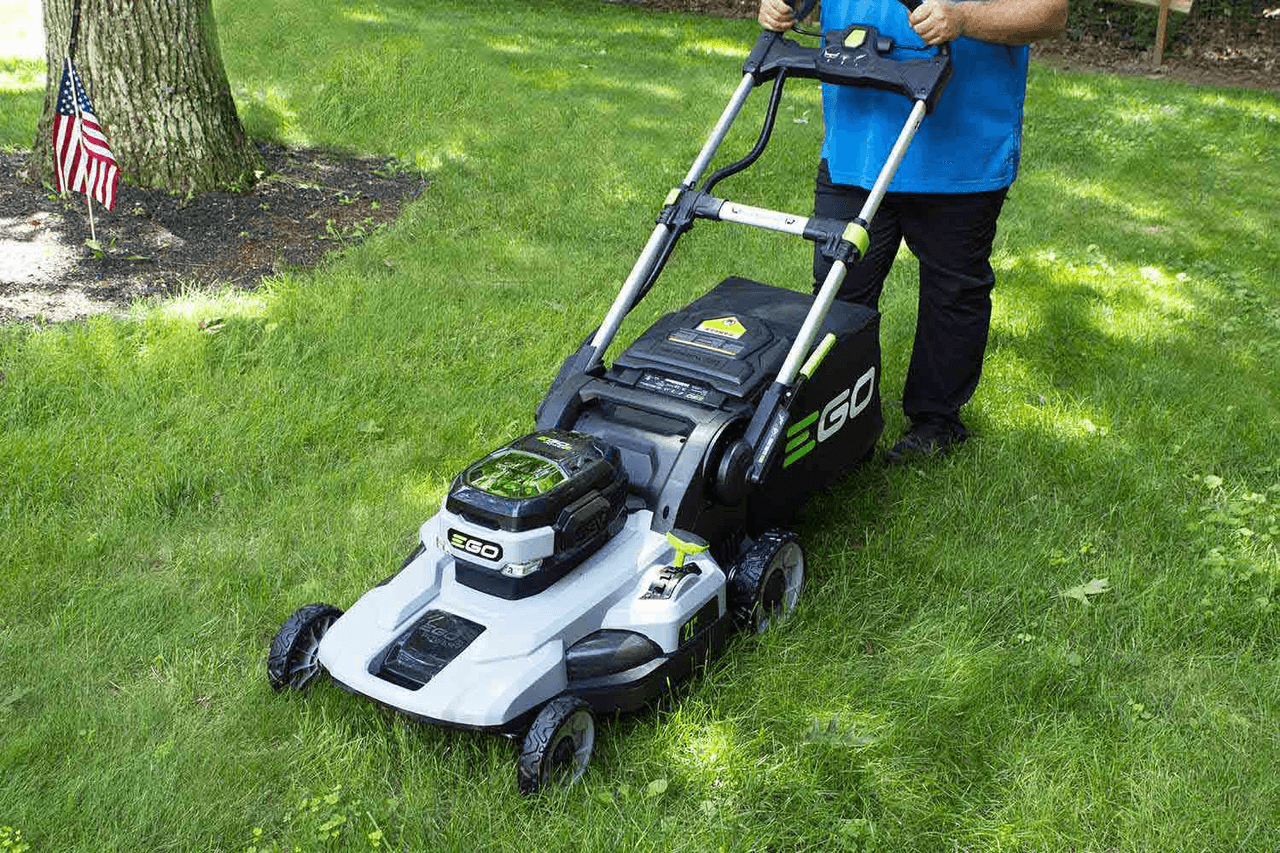
In electric mowers, battery-powered lawn mowers are used for different purposes. It stores all the energy needed to rotate the blades and move the wheels. These models usually feature high-capacity Lithium-ion units. Regardless of the type, the battery is the essential component that brings the mower to life.
Types of Lawn Mower Batteries
The selection of the correct battery for a lawn mower is about matching power to your specific machine. Most riding mowers depend on a 12-volt system, though older or smaller models may use 6-volt batteries. Furthermore, modern mowers use a few distinct technologies. Therefore, each offering different benefits for lifespan and performance. Here are the detailed explanations of different types of batteries.
Lead-Acid Batteries
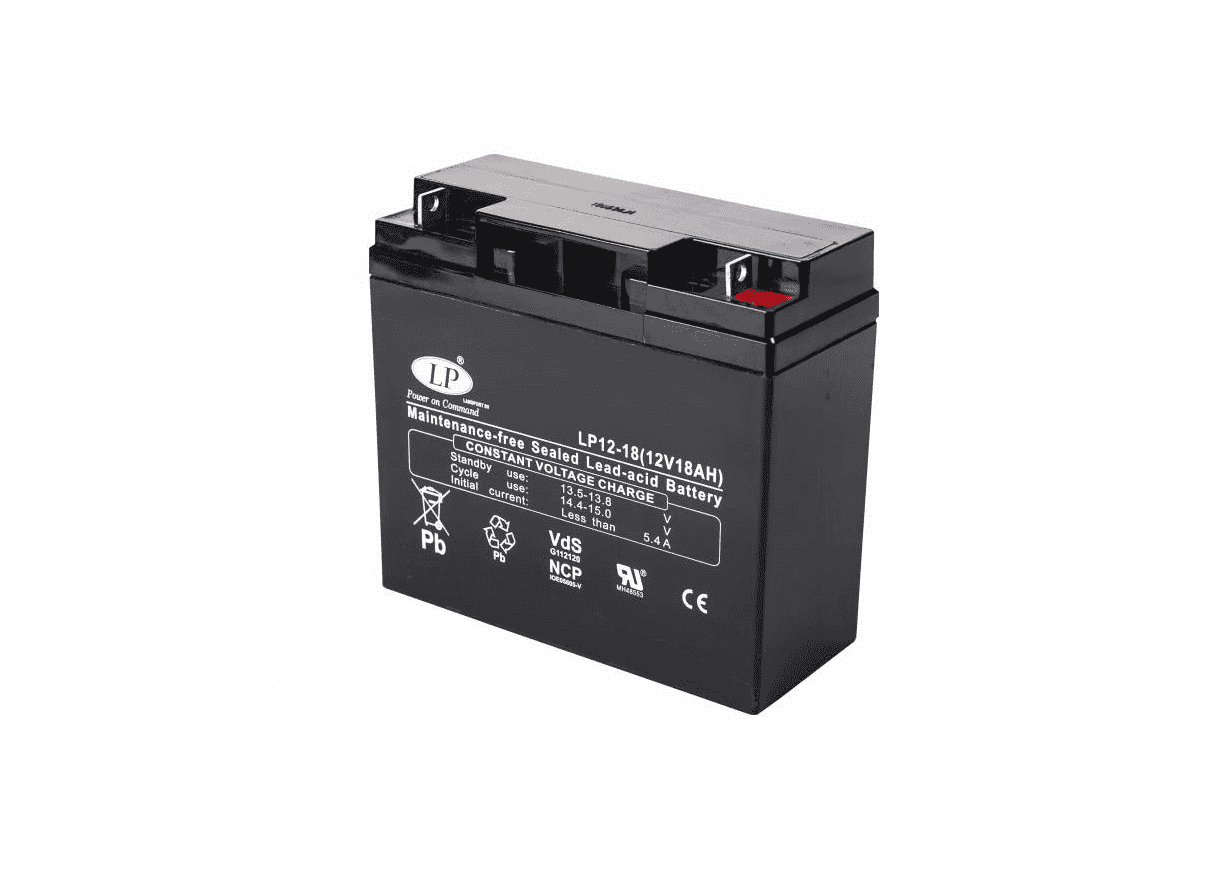
These are the traditional choices for gas-powered mowers. They are affordable and widely available, providing a strong burst of energy to turn the engine over. While reliable, they are heavy and require seasonal maintenance. Therefore, keeping them charged during winter is essential to prevent the plates from degrading over time.
Lithium-Ion Batteries
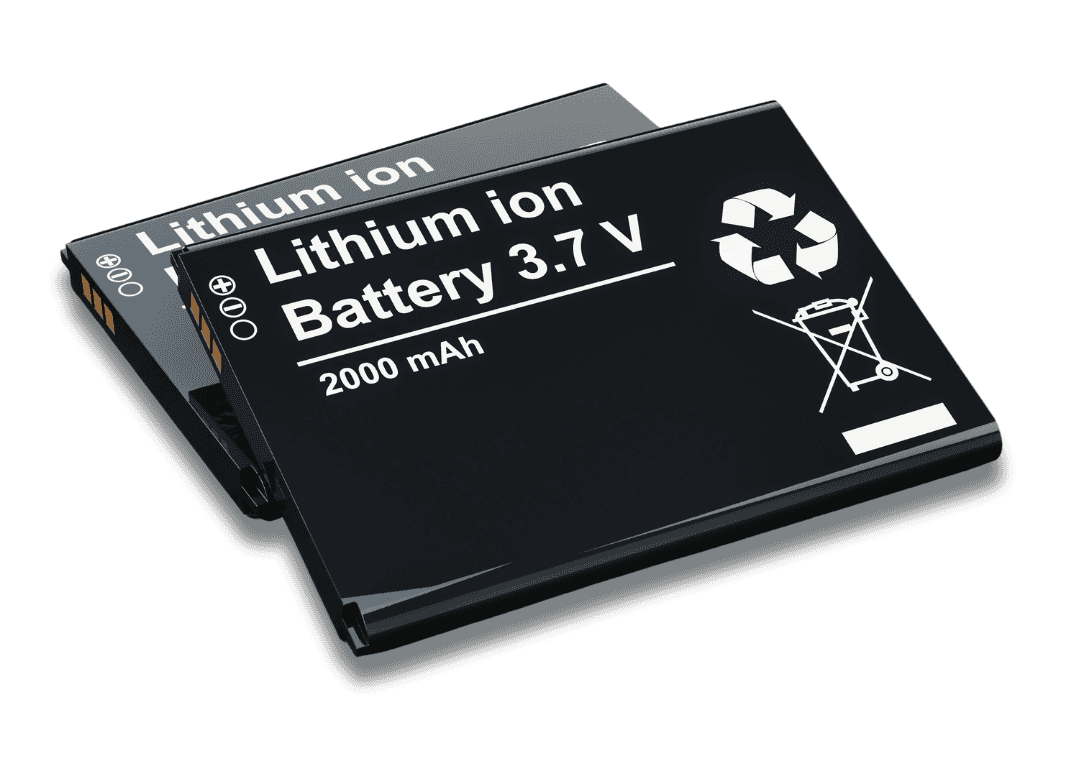
Well, dominating the cordless electric mower market, lithium-ion batteries are prized for being lightweight and fast-charging. They provide full power throughout the entire mow. Therefore, their performance doesn't drop as the charge gets low. These batteries are maintenance-free and can last significantly longer than lead-acid versions with proper storage.
LiFePO4 (Lithium Iron Phosphate) Batteries
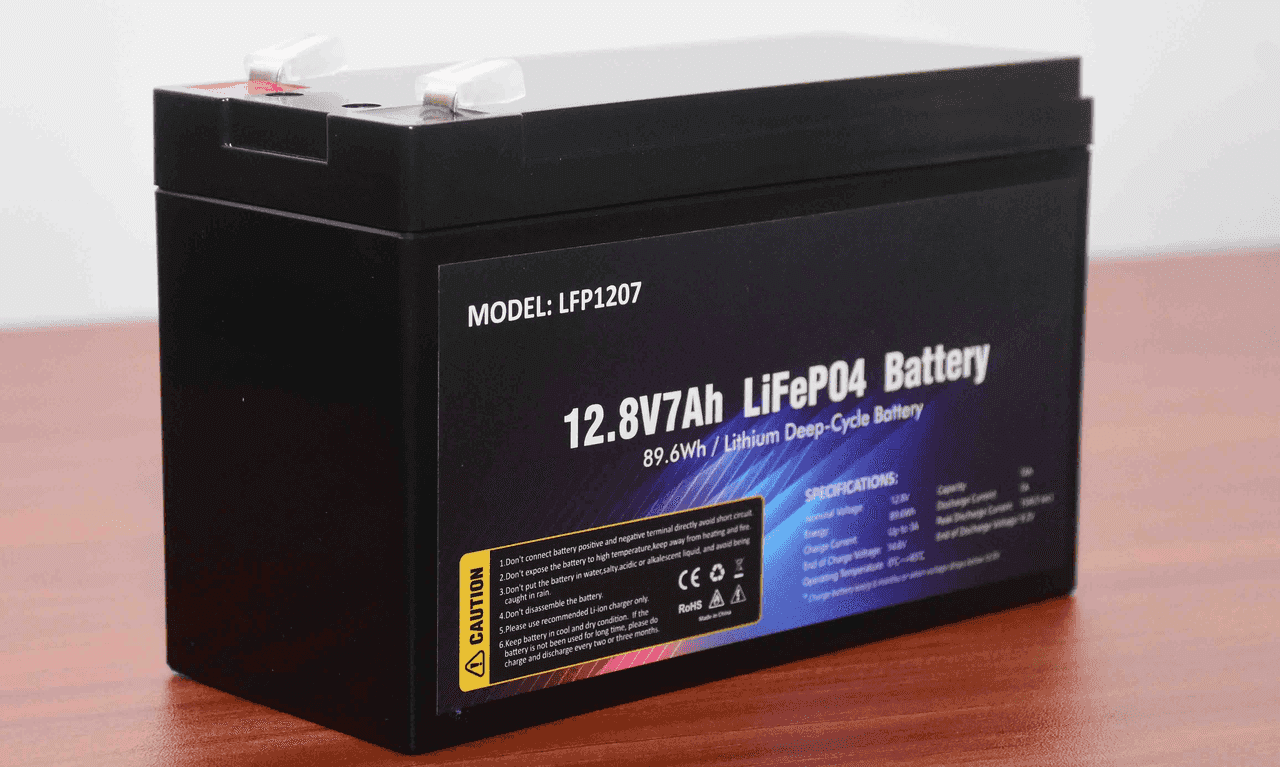
This type of top-rated battery-operated lawn mower is equipped with advanced lithium technology. So, this is the gold standard for safety and durability. You can handle thousands of charge cycles, often lasting over 10 years. They are incredibly stable in high heat and won't catch fire easily. Their long-term value and consistent power stand out from others.
How long does a lawn mower battery last?
The average lifespan of any lawn mower battery is three to five years. This timeline depends heavily on the battery type and how well you maintain it. Furthermore, the standard lead-acid batteries usually sit on the lower end. This battery lawn mower with a battery often needs replacement every three years. The high-end Lithium-ion can easily last five to ten years with proper maintenance.
In fact, several factors influence the longevity of the battery. Heat is a major enemy, as high summer temperatures can degrade internal chemistry quickly. However, when you leave a battery in a freezing garage all winter without a charge, this causes permanent damage.
Vibration also plays a role. A loose battery bouncing around the mower frame will fail much faster than one properly secured. To get the most value, keep the terminals clean of corrosion and use a battery tender during the off-season. So, consistent maintenance ensures you aren't stuck with a dead engine on the first mow of spring.
How to charge a lawnmower battery?
The charging process for a lawnmower battery is a simple process. You just require the right equipment. Most mowers use a 12-volt lead-acid battery. Thus, you will need a matching smart charger or a battery tender. You can start by ensuring the mower is turned off and parked on a flat surface. Then, immediately access the battery and identify the positive (red) and negative (black) terminals.
In the next step, connect the battery-powered lawn mower red clamp of the charger to the positive terminal first. Then attach the black clamp to the negative terminal. Set your charger to the correct voltage, usually 12V, and a low amperage, such as 2 amps.
It is ideal to charge the battery at a lower rate as it is safer and prevents the battery from overheating. Modern smart chargers are ideal because they automatically stop charging once the battery is full. This prevents overcharging, which can boil the internal fluids and ruin the battery.
Once the charger indicates a full cycle, disconnect the black cable first, followed by the red one.
Portable power solutions for lawn equipment
It is very challenging to maintain a large yard without a significant battery-powered lawn mower. Portable power stations offer a clean, quiet, and reliable way to charge electric mowers, leaf blowers, and hedge trimmers anywhere on your property. Here is the detailed explanation of two EcoFlow power stations with their unique features.
Portable power for everyday lawn care: EcoFlow DELTA 3 Max Plus
The EcoFlow DELTA 3 Max Plus is a high-capacity portable power station designed for homeowners who need reliable energy for yard maintenance and outdoor tasks. With a 2048Wh LFP battery, it provides enough power to recharge multiple handheld lawn tools, lights, and other small appliances on a single charge. The durable LFP chemistry supports around 3000 cycles to 80% capacity, ensuring long-term reliability over several years of regular use.
Efficiency is key when tackling a busy weekend of gardening. The DELTA 3 Max Series supports fast AC charging, reaching 0–80% in about 47 mins under optimal conditions. Its 3000W continuous AC output (6000W surge) allows high-draw tools to run safely, while multiple output ports provide flexibility for various devices.
Despite its high capacity, the unit is designed for portability and quiet operation, making it convenient to move across your yard without disruption. Its robust construction ensures consistent performance for everyday outdoor use or as a backup power source.
Best for: Homeowners needing high-capacity, reliable, and portable power for lawn maintenance, outdoor tasks, or emergency backup.
High-power charging for heavy-duty lawn tools: EcoFlow DELTA 2 Max
For those with professional-grade electric mowers, the EcoFlow DELTA 2 Max provides the extra muscle needed for heavy-duty tasks. It features an impressive 2048Wh base capacity. You can easily expand up to 6kWh with extra batteries. This expandable capacity benefit enables you to customize your power needs based on the size of your lawn or the number of tools you need to run.
Like its smaller sibling, it uses a premium LFP battery. Therefore, it offers the same ten-year lifespan and enhanced safety during operation. When it comes to raw strength, the DELTA 2 Max delivers a 2400W AC output.
This power station is designed to be boosted to 3100W using X-Boost mode. This feature enables you to power heavy-duty equipment like electric chainsaws or large pressure washers without any lag. It also features dual solar charging, reaching up to 1000W.
This benefit is perfect for eco-friendly users who want to recharge their station using free energy from the sun while working outdoors. Despite its power, it operates at a quiet output level. So, it ensures you don't disturb the neighbors while you work. Its rugged design ensures it handles the bumps and dust of outdoor environments with ease.
Factors that affect lawn mower battery performance
To enhance battery-operated lawn mowers' performance, you have to understand how small habits impact the internal health of the battery. Below are the detailed explanations of these 4 indicators that ensure your mower starts reliably every time you head out to the yard.
Usage intensity
As you already know, every time you turn the key, the battery uses a lot of power to start the engine. If you only mow for a few minutes, the mower doesn't have enough time to refill that energy. Over time, these short trips leave the battery weak. It is better to let the engine run long enough to recharge itself fully.
Charging habits
Generally, a good battery lawn mower likes a slow and steady charge rather than a fast blast of power. Thus, the usage of a high-speed charger can cause the inside of the battery to overheat and break down. A simple trickle charger is a much safer choice. Also, never leave a battery sitting empty for weeks, as it might never hold a full charge again.
Storage conditions
It's about that extreme weather is a battery lawn mower's worst enemy. In the summer, high heat can cause the internal liquids to dry up and stop working. In the winter, a battery that isn't fully charged can actually freeze and crack open. For the best results, keep your battery in a cool, dry place inside your house during the off-season.
Maintenance practices
Dirt and white crusty buildup on the metal terminals act like a wall for electricity. This makes it much harder for power to reach the engine when you try to start it. Simply cleaning the terminals with a wire brush keeps the power flowing. Also, make sure the lawn mower battery is bolted down tight so it doesn't bounce around and break.
How to choose the right battery for your lawnmower?
The selection of the right battery-powered electric lawn mower ensures your mower starts every time without damaging the electrical system. First of all, you have to check your owner's manual for the voltage. Most riding mowers use 12-volt batteries, while smaller ones might need 6-volt batteries. Next, look at the Cold Cranking Amps (CCA). This number tells you how much power the battery has to start the engine. A higher CCA is better if you live in a cold climate.
You also need to match the physical size and terminal position. Batteries are grouped by size, like "Group U1." Make sure the positive and negative posts are on the correct side so the wires can reach them. Finally, choose between a standard lead-acid battery or a maintenance-free lithium-ion battery version for a longer life.
How to properly maintain your lawn mower battery?
Keeping your lawn mower battery in good condition is key to reliable starts and longer battery life. Follow these simple steps to ensure your battery stays ready for every mowing session.
Keep the terminals clean
Over time, corrosion can build up on the metal posts of the battery terminals, blocking the flow of electricity. This can prevent your mower from starting properly. You can clean the terminals easily with a wire brush and a simple mix of baking soda and water. Once the terminals are clean, apply a thin layer of petroleum jelly to help prevent future corrosion buildup.
Keep the battery charged
It's essential to keep your battery-powered lawn mower charged, especially during the winter months. If the battery sits empty for an extended period, such as over the off-season, it will lose its ability to hold a charge. To maintain a steady energy level, use a trickle charger or battery tender during the off-season. This will keep the battery's charge level consistent and ready for the next mowing season.
Ensure the battery is securely fastened
Always make sure that your battery-powered lawn mower is properly secured in its bracket. Excessive shaking and vibration during mowing can damage the internal parts of the battery, which can shorten its lifespan. Ensuring the battery is tightly bolted down minimizes movement, protecting it from unnecessary wear and tear.
Conclusion
To sum up, keeping your lawn mower battery in top shape is the best way to ensure a stress-free mowing season. By choosing the right size and following a simple maintenance routine, you can avoid the frustration of a dead engine. Whether you are cleaning terminals or storing your best battery lawn mowers for the winter, these small steps will save you time and money.
Always remember that a well-cared-for battery is the heart of a reliable machine.
When you need power far from a wall outlet, staying charged is the key to finishing your yard work efficiently. EcoFlow provides portable power stations that enable you to charge electric mowers and tools. These units are perfect for keeping in your garage or taking on the go. They give you the freedom to tackle any outdoor task without worrying about a dead lawn mower battery or running out of juice.
FAQs
What size battery do you need for a lawnmower?
Most riding mowers use a Group U1 battery. This is the standard size that fits into the small battery compartment under the seat or hood. It usually measures about 8 inches long and 5 inches wide. So, it is best to always check your old battery to see if the terminals are on the correct side.
How long does a lawn mower battery usually last?
A lawn mower battery usually lasts between three and five years. Its lifespan depends on how well you maintain it and the weather conditions. Lead-acid batteries often need replacing sooner, while lithium-ion models can last much longer. To make yours last, keep the terminals clean and use a trickle charger during the cold winter months.
What kills the battery on a lawn mower?
Several things can kill a lawn mower battery, but lack of use is the biggest cause. If a battery sits for months without being charged, it slowly drains until it can no longer hold power. This often happens during the winter when the mower is stored in a cold garage. Furthermore, extreme heat and shaking also cause damage. Finally, dirty terminals with white crusty buildup block the electricity from reaching the engine. This eventually makes the battery fail.