Complete Fly Fishing Gear Guide: What You Need for Your Next Trip
There is more to fly fishing than just skill. Your outing's success and level of enjoyment are greatly influenced by the fly fishing gear you bring. Using the right fly fishing tools improves your casting accuracy, enables you to handle the line more skillfully, and guarantees your comfort when spending a lot of time on the water. The entire fly fishing experience is made simpler and much more enjoyable by choosing the appropriate equipment.
For longer trips or remote locations, portable power stations can be a valuable addition to your setup. They provide reliable energy for charging devices, powering lights, or running small equipment, helping you stay prepared and connected even in off-grid environments.
Essential fly fishing gear for beginners
Starting fly fishing can feel overwhelming because of the different pieces of equipment involved. However, once you understand the basic setup, it becomes much easier to build a reliable fly fishing kit. A few essential items, such as a rod, reel, line system, and flies, form the foundation of any fly fishing gear list. These tools work together to help you cast accurately, control your line, and present flies naturally on the water.
Below are the most important pieces of fly fishing gear for beginners to understand before heading out on their first trip.
Item | Purpose | Key selection tips |
|---|---|---|
Fly rod | Provides the flexibility and control needed to cast the fly line | A 9-foot, 5-weight rod is a versatile choice for beginners |
Fly reel | Holds the fly line and helps manage fish while reeling in | Choose a reel that matches the rod weight for proper balance |
Fly line | The weighted line used to cast lightweight flies | Beginners should start with a weight-forward floating line |
Leader | Connects the fly line to the fly and creates a natural presentation | Use a tapered leader for smoother casting and better presentation |
Tippet | The thin final section that connects the fly to the leader | Choose a clear, lightweight tippet that matches the fly size |
Dry flies | Imitate adult insects floating on the water surface | Use them when fish are feeding on the surface |
Nymphs | Represent underwater insects below the surface | Effective when fish are feeding deeper in the water |
Streamers | Mimic small fish or baitfish | Useful for targeting larger or more aggressive fish |
Emergers | Represent insects transitioning from water to air | Work well during insect hatch periods |
Fly box | Stores and organizes flies safely | Choose a waterproof fly box with secure compartments |
Fly rod, reel, and line setup
The components of a fly fishing kit consist of the fly rod, reel, and line. In contrast to regular fishing, fly fishing uses the heaviness of the fly line instead of the bait to cast. As a result, it is essential for the rod, reel, and line to be well-balanced to allow for easy casting and better control.
A typical beginner setup is a 9-foot, 5-weight fly rod, which is considered the most versatile option for rivers and small lakes. It provides enough flexibility for learning casting techniques while still being powerful enough to handle common fish species like trout or bass.
Many beginners prefer buying a pre-matched rod and reel combo, since the components are already balanced and ready to use.
Recommended beginner models include:
Orvis Clearwater Fly Rod Outfit
Redington Crosswater Fly Combo
Piscifun Sword Fly Fishing Combo
Fly line system: line, leader, and tippet
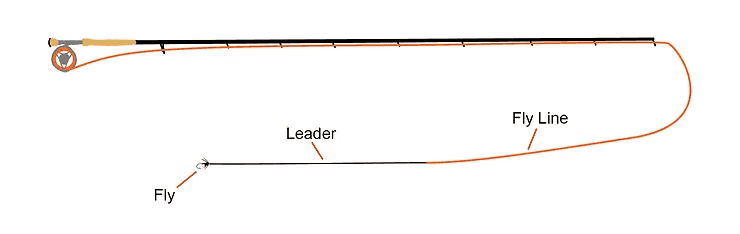
The fly line system is what actually delivers the fly to the fish. The setup includes three key components: the fly line, the leader, and the tippet.
The fly line is the thick, weighted line attached to the reel. It provides the mass needed to cast the lightweight fly. Beginners often use a weight-forward floating line, which is easier to cast and works well in most freshwater conditions.
The leader is a clear, tapered line attached to the end of the fly line. Its main purpose is to make the presentation more natural, so fish do not see the heavier fly line.
The tippet is the last tiny section of the line that connects directly to the fly. It improves the appearance of the fly in the water and allows fishermen to replace flies without cutting the entire leader.
A well-balanced line setup allows for more precise casting and ensures that the fly flows organically in the water.
Popular beginner-friendly fly lines include:
Rio Mainstream Weight Forward Fly Line
Scientific Anglers Air Cel Floating Fly Line
Fly fishing flies and fly storage
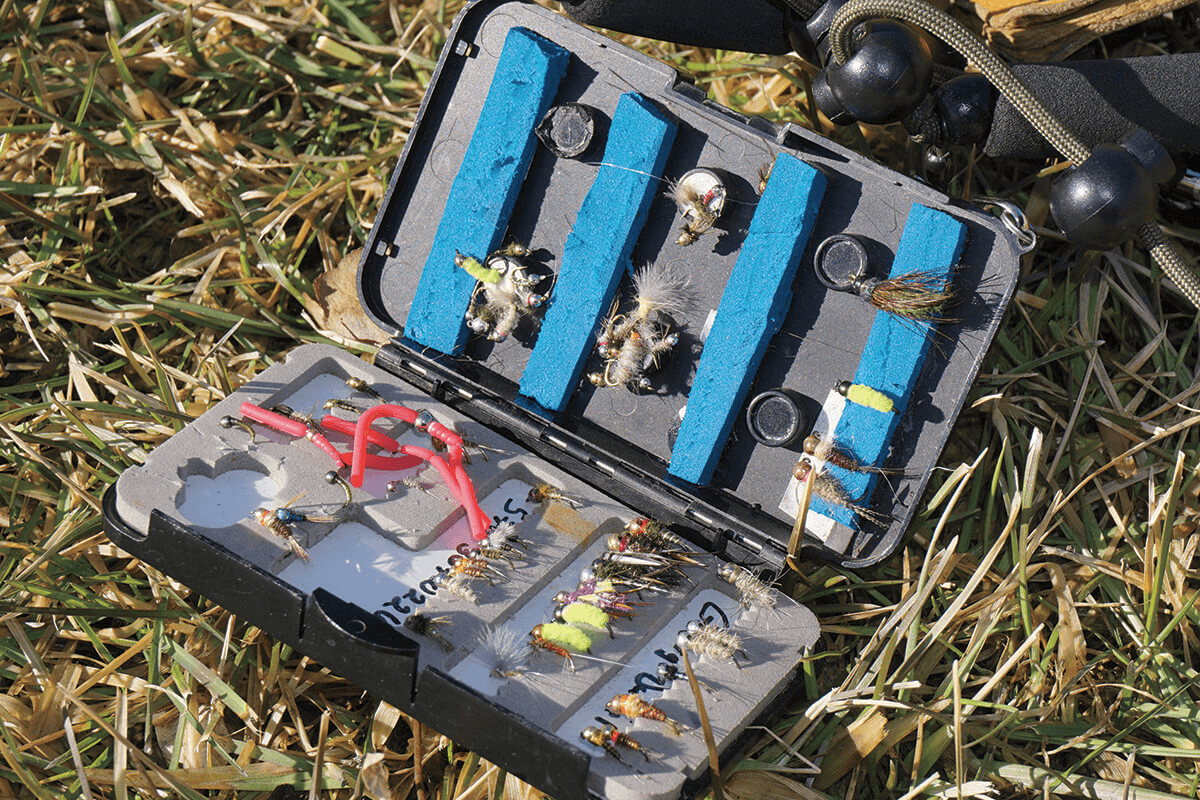
Flies are the artificial lures used in fly fishing. They are designed to imitate insects, small fish, or other food sources that fish naturally feed on.
There are several common categories of flies:
Dry flies float on the surface of the water and imitate adult insects.
Nymphs – sink below the surface and imitate underwater insects
Streamers – mimic small fish or baitfish
Emergers – represent insects transitioning from water to air
Since flies are small and delicate, they are stored in a fly box, which keeps them organized and protected from moisture and damage.
Recommended beginner options include:
Umpqua Beginner Fly Assortment
Fishpond Tacky Fly Box
Essential fly fishing tools and accessories
In addition to rods, reels, and flies, several small tools make fly fishing more efficient and enjoyable. These fly fishing tools help anglers change flies quickly, remove hooks safely, manage lines, and handle fish properly. While they may seem minor, experienced anglers rely on them constantly during a fishing trip.
Below are some of the most essential fly fishing tools beginners should include in their gear kit.
Item | Purpose | Key selection tips |
|---|---|---|
Nippers or line cutters | Used to trim fishing lines, leaders, and tippets when changing flies | Choose stainless steel or aluminum nippers with sharp cutting edges |
Hemostats or forceps | Help remove hooks safely from a fish's mouth | Look for lightweight stainless steel forceps with a secure grip |
Fly floatant | Keeps dry flies floating on the water surface | Silicone-based gels work well and help repel water |
Fly sinkant | Helps flies sink below the surface for underwater presentations | Use when fishing with nymphs or streamers |
Strike indicator | Helps detect subtle bites by signaling movement in the line | Choose lightweight indicators that attach easily to the leader |
Landing net | Safely catches and handles fish after they are reeled in | Rubber or silicone mesh nets are gentler on fish and prevent hook tangles |
Nippers or line cutters
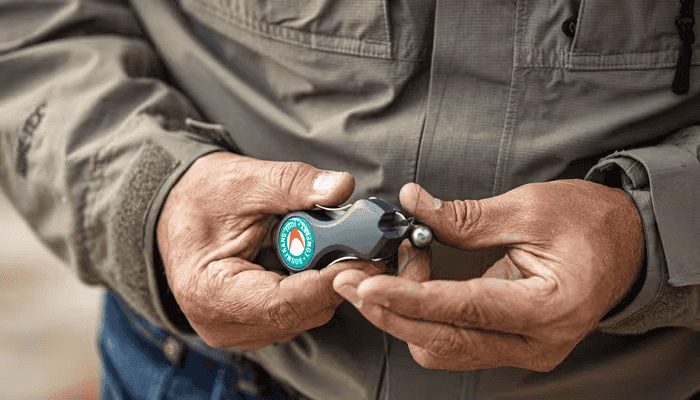
Nippers are small tools used to cut or trim fishing lines, leaders, and tippets. They are one of the most frequently used types of fly fishing gear because anglers often need to cut and retie lines when changing flies.
Most fly fishing nippers are made from stainless steel or aluminum and feature extremely sharp cutting edges designed to slice through thin tippet material cleanly.
Recommended models:
Orvis Nippers
Dr. Slick Fly Fishing Nippers
Montana Casting Co. Fly Fishing Nippers
Hemostats or forceps for hook removal
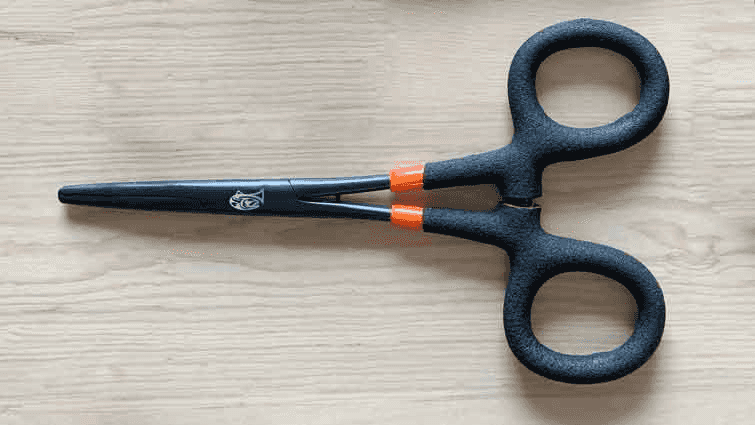
Hemostats, often known as forceps, are small, pliers-like devices used to safely remove hooks from a fish's mouth. They are especially beneficial when hooks are stuck deep within or when handling fish with strong teeth.
These tools provide a secure grip on the hook, allowing anglers to twist and remove it without harming the fish or their fingers.
Forceps are typically made from surgical-grade stainless steel and are designed to be lightweight, corrosion-resistant, and easy to operate with one hand.
Recommended models:
Dr. Slick Scissor Forceps
Umpqua RiverGrip PS Mitten Scissor Forceps
Fly floatant and sinkant
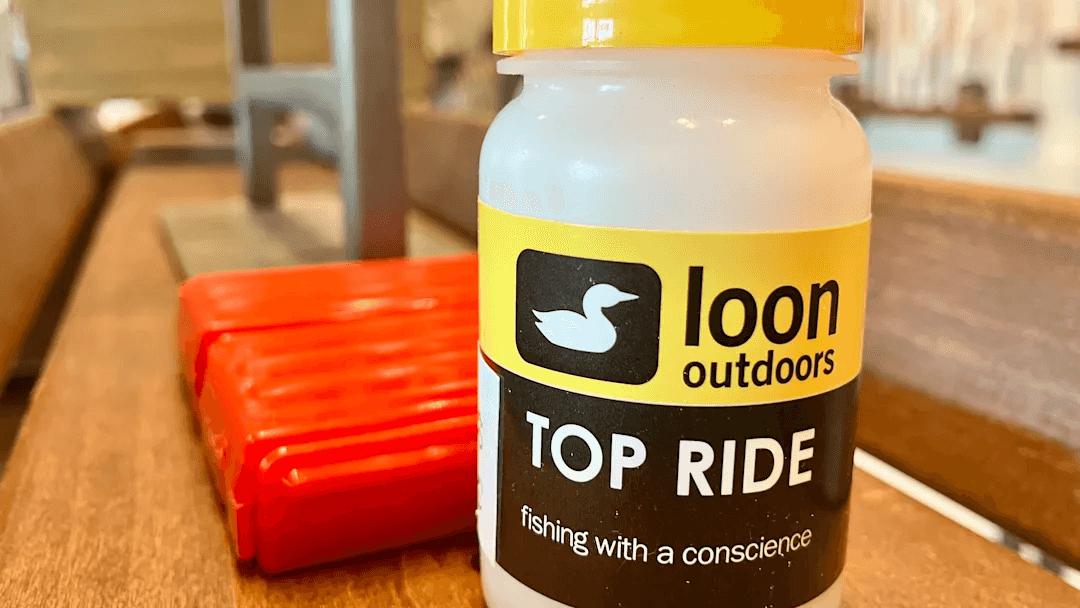
Floatant and sinkant help anglers control how their flies behave on the water. These products are applied to flies to either keep them floating on the surface or help them sink below the water.
Floatants are commonly used with dry flies, allowing them to stay on the water's surface and imitate insects. Many floatants are silicone-based gels that repel water and help flies remain buoyant for longer periods.
Sinkants, on the other hand, are used when fishing with nymphs or streamers, helping the fly break the surface tension and drift naturally underwater.
Recommended products:
Loon Aquel Floatant
Loon Payette Paste Floatant
Strike indicators
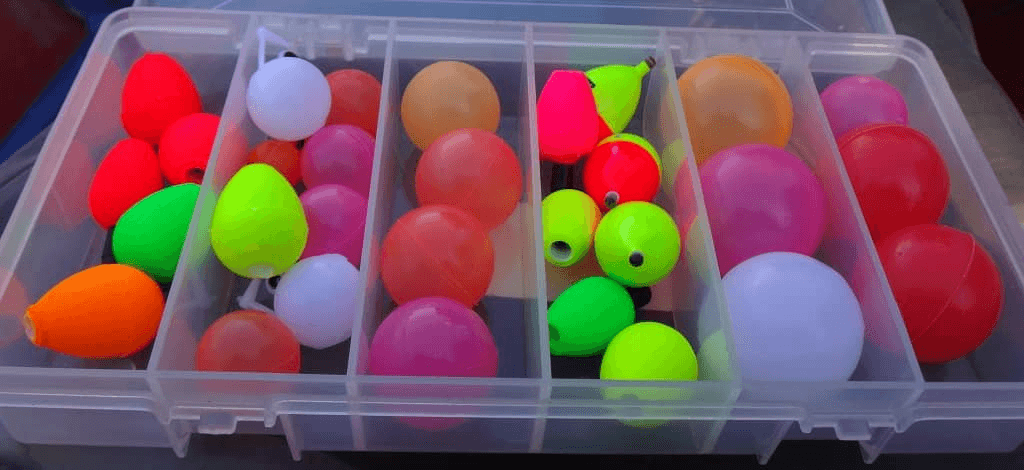
Strike indicators function similarly to traditional fishing bobbers. They attach to the leader and help anglers detect subtle bites that may be difficult to see or feel.
When a fish takes the fly underwater, the strike indicator moves, dips, or stops drifting naturally, signaling that it is time to set the hook.
Strike indicators are particularly useful when fishing with nymphs, as these flies drift beneath the surface where strikes are harder to detect.
Recommended models:
Thingamabobber Strike Indicator
Airlock Strike Indicator
Landing net
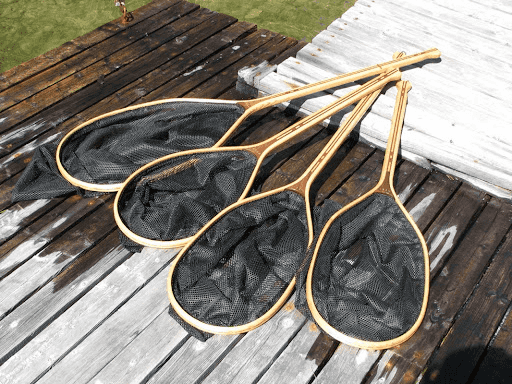
A landing net helps anglers safely catch and handle fish once they are reeled in. Using a net reduces stress on the fish and prevents damage to the fishing line or hook.
Most modern fly fishing nets are designed with rubber or silicone mesh, which is gentler on fish and prevents hooks from getting tangled.
A good landing net improves catch-and-release fishing by allowing anglers to handle fish quickly and return them safely to the water.
Recommended models:
Fishpond Nomad Hand Net
Rising Brookie Landing Net
Fly fishing clothing and comfort gear
Comfort and safety are very important in fly fishing, particularly for anglers who spend long hours in cold water or walking along riverbanks. Wearing the appropriate clothes helps manage body heat, enhances sight in the water, and keeps important items sorted.
Good fly fishing clothing is made to tackle wet conditions, allow movement, and shield anglers from sun rays and slick ground. Important gear consists of waders, sunglasses that reduce glare, and a fishing vest or bag to organize equipment effectively.
Item | Purpose | Key selection tips |
|---|---|---|
Waders | Keep anglers dry while standing or walking in the water | Choose breathable waterproof materials for comfort during long fishing sessions |
Wading boots | Provide traction and stability on slippery riverbeds | Look for durable soles with good grip and proper ankle support |
Fishing vest or chest pack | Carries small tools, flies, and accessories within easy reach | Select lightweight options with multiple organized pockets |
Hat or cap | Protects the face and eyes from sun exposure | A wide-brimmed cap with a visor provides better shade |
Polarized sunglasses | Reduce glare from the water and improve visibility below the surface | Choose polarized lenses with UV protection for clearer vision |
Lightweight gloves | Protect hands from sun, cold, or line friction | Breathable and quick-dry materials offer better comfort |
Waders and wading boots
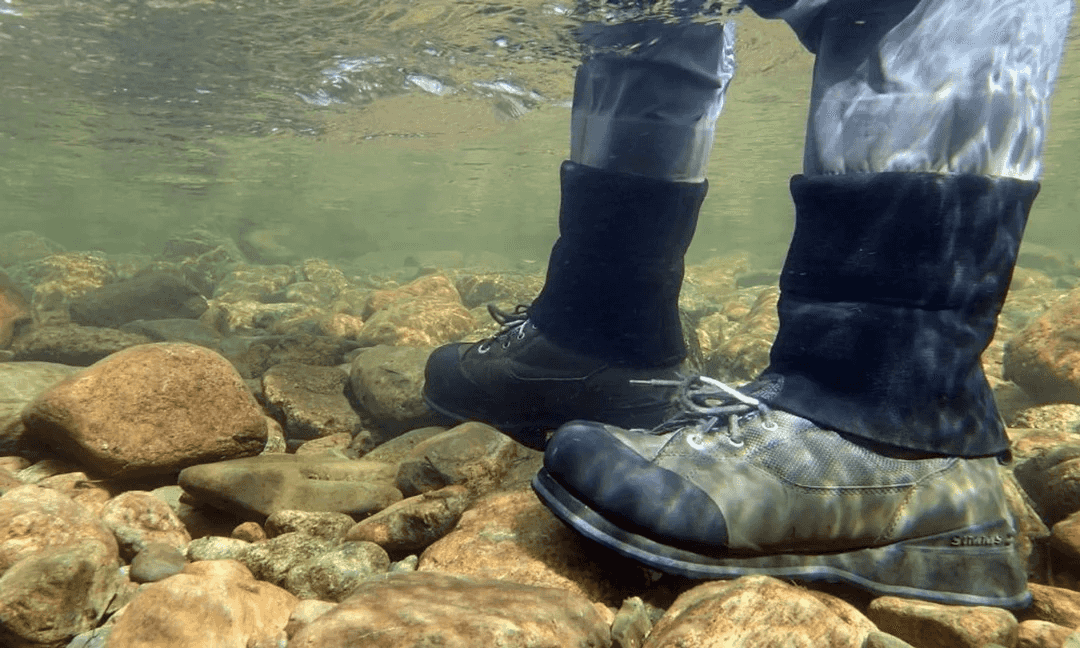
Waders and wading boots allow anglers to stand comfortably in rivers and streams while staying dry and stable. Waders are waterproof trousers that reach up to the chest and are typically made from breathable fabrics that keep water out while letting moisture escape.
Many fishers wear stocking-foot waders that have neoprene socks built in at the bottom. These waders are used along with individual wading shoes that help with traction and support the ankles while navigating slippery stones or bumpy river bottoms.
Recommended models include:
Simms Freestone Waders
Orvis Clearwater Waders
Frogg Toggs Sierran Stockingfoot Waders
Patagonia Danner Foot Tractor Wading Boots
Polarized sunglasses for better visibility
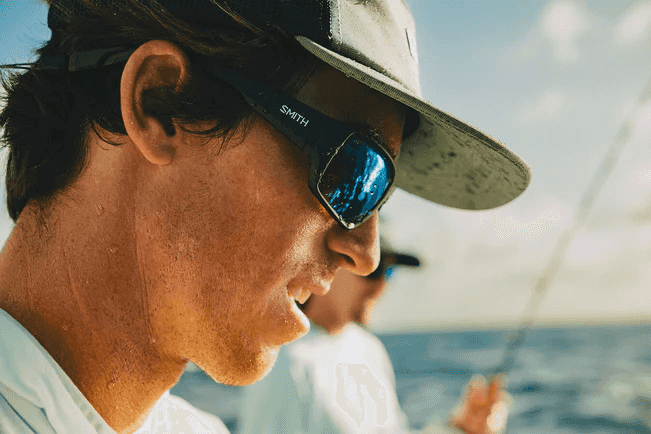
Polarized sunglasses are considered essential gear in fly fishing tools. They reduce glare from the water's surface, allowing anglers to see beneath the water more clearly and spot fish, underwater structures, or drifting flies.
Water reflects strong sunlight, which can strain the eyes and make it difficult to detect fish movement. Polarized lenses filter out this reflected light, improving visibility and reducing eye fatigue during long fishing sessions.
Polarized sunglasses not only enhance visibility but also protect the eyes from UV radiation and accidental hook casts.
Recommended models include:
Costa Del Mar Blackfin Polarized Sunglasses
Smith Guide's Choice Polarized Sunglasses
Oakley Split Shot Polarized Sunglasses
Fly fishing vest or pack for gear organization
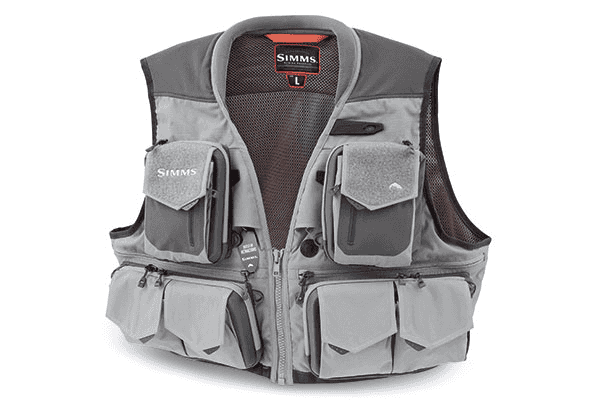
A fly fishing vest or pack helps anglers organize and carry their essential tools while wading. Since anglers are often standing in water and far from the riverbank, they need quick access to gear such as flies, leaders, tippet spools, nippers, and floatant.
Traditional fly fishing vests feature multiple pockets that allow anglers to keep small accessories neatly arranged and easy to reach. Modern alternatives include sling packs, chest packs, and lightweight backpacks that distribute weight more comfortably during long fishing trips.
Recommended models include:
Fishpond Upstream Tech Vest
Patagonia Stealth Pack Vest
Orvis PRO Fly Fishing Vest
Portable power solutions for fly fishing trips
Portable power solutions offer several advantages for fly anglers fishing far from traditional power sources.
Keep electronics charged: Portable power stations allow anglers to charge essential devices such as smartphones, GPS units, cameras, and headlamps, ensuring navigation, safety, and trip documentation even in remote locations.
Power small appliances and equipment: They can run portable refrigerators, camp lighting, electric pumps, or drone chargers, supporting fishing, camping, and scouting activities.
Enhance safety and comfort: Reliable power lets anglers maintain communication devices, recharge emergency equipment, and operate lighting systems at night without relying on noisy fuel generators, making multi-day trips safer and more enjoyable.
Modern portable power solutions are compact, quiet, and capable of running multiple devices at once, making them ideal for outdoor adventures. EcoFlow DELTA series offers powerful and portable energy options that suit both short weekend trips and longer off-grid fishing expeditions.
High-capacity portable power for extended fly fishing trips
For anglers planning multi-day fly fishing trips in remote locations, the EcoFlow DELTA 3 Max Plus offers a 2048Wh (2 kWh) LiFePO4 battery with around 4000 charging cycles and up to 10 years of lifespan under normal use. It delivers 3000W continuous AC output with a 6000W surge, and X-Boost technology supports devices up to 3900W, making it capable of powering portable refrigerators, cooking devices, lighting systems, or charging multiple electronics simultaneously.
Despite its high capacity, the unit remains compact and portable at 22 kg. It supports multiple charging options, including AC outlets, solar panels, generators, and vehicle charging.
For anglers camping near rivers or in remote areas, this power station can run lighting systems at night, charge camera batteries to document catches, power fish finders, and keep food and drinks cold in portable coolers, ensuring comfort and convenience on every fishing trip.
Compact portable power station for weekend fly fishing adventures
For shorter trips or anglers who prioritize portability, the EcoFlow DELTA 3 Plus (1 kWh) offers a compact yet capable power solution suitable for weekend fly fishing adventures.
This portable power station provides a 1024Wh (1 kWh) battery capacity with 1800W continuous AC output and 3600W surge capacity, enough to power essential gear such as smartphones, cameras, GPS devices, and small cooking appliances. With X-Boost technology, it can support devices up to about 2200W, expanding the range of equipment it can run in outdoor environments.
The DELTA 3 Plus includes 13 output ports, including AC outlets, USB-A, USB-C, and a car power port, allowing anglers to charge multiple devices at once. It also supports solar charging up to 500W, making it possible to generate renewable energy during extended outdoor trips.
Weighing about 12.5 kg (27.6 lb), this model is significantly lighter than larger power stations, making it easier to transport to riverbanks, campsites, or remote fishing spots where mobility matters.
Tips for choosing the right fly fishing gear
Choosing fly fishing gear can feel confusing at first, especially with so many rods, lines, and accessories available. The key is to focus on gear that matches your fishing environment, skill level, and comfort. A well-chosen setup not only improves performance but also makes your time on the water far more enjoyable.
Match your gear to the type of water
Different fishing environments require different gear setups. Small streams, large rivers, and lakes all demand different rod lengths, line weights, and fly types. Choosing gear that suits the water you plan to fish in will improve casting control and overall performance.
Choose beginner-friendly equipment
If you are new to fly fishing, start with simple and versatile gear instead of highly specialised equipment. Beginner fly rods and reel combos are usually balanced and easier to use. They help you focus on learning casting techniques rather than adjusting complicated setups.
Focus on quality and durability
Fly fishing gear often comes into contact with water, rocks, and outdoor conditions. Durable equipment made from high-quality materials will last longer and perform more reliably. Investing in good gear also reduces the chances of failure during a fishing trip.
Keep comfort and portability in mind
Fly fishing often involves walking along rivers or standing in water for long periods. Lightweight gear, breathable waders, and comfortable boots can make a huge difference during long trips. Comfortable equipment helps you stay focused and enjoy the experience.
Build your gear gradually
You do not need to buy every piece of equipment at once. Start with essential items such as a rod, reel, line, and a small selection of flies. As you gain experience, you can slowly add more specialised tools and accessories to your gear collection.
Conclusion
Having the right fly fishing gear makes a big difference in both performance and comfort in the water. A balanced rod and reel setup, the right fly line system, essential tools, and proper clothing all help anglers cast better, handle fish safely, and enjoy longer fishing sessions.
For anglers heading into remote fishing spots, reliable power can also be useful. Portable power solutions like EcoFlow DELTA series allow you to charge cameras, smartphones, GPS devices, and lighting equipment during trips, making them a practical power solution for extended fly fishing adventures.
FAQs
What is the 60/20/20 rule in fly fishing?
The 60/20/20 rule explains how fishers should spend their effort during fly fishing. About 60% of the focus should be on reading the water and finding where fish are likely to be. Around 20% goes into choosing the right fly, and the remaining 20% focuses on casting technique.
What are the must-haves for fly fishing?
The basic must-haves in fly fishing gear include a fly rod, reel, fly line, leader, and a selection of flies. Anglers also commonly carry tools such as nippers, forceps, and a fly box for organization. Waders, polarized sunglasses, and a landing net are also helpful for comfort and safety during fishing trips.
What do FL and TL mean in fishing?
In fishing terminology, FL usually stands for Fly Line, which is the weighted line used to cast a fly. TL often refers to Tippet Line, the thin section of line attached to the leader that connects directly to the fly. These components are important parts of the fly fishing gear UK system and help present the fly naturally in the water.