What Is an EPC Rating and What Helps Improve It?
- What is an EPC rating? Why does it matter?
- How is an EPC rating worked out?
- What affects a home's EPC rating
- What are the different EPC ratings?
- How to improve your EPC rating
- How energy efficiency ratings are calculated
- How to check your EPC rating
- How to get an Energy Performance Certificate
- Energy Performance Certificate cost
- Conclusion
- FAQs
A home's energy efficiency can have a bigger impact on your bills, comfort, and even its value than many people realise. Many homeowners are now looking for ways to reduce energy waste and save money, from installing insulation to using solar batteries with smart systems. Understanding your EPC rating is becoming essential, as it influences how energy-efficient your property is perceived and can guide you toward practical improvements. In this article, we'll explore why your EPC rating matters and how small changes can make a noticeable difference, helping you create a more energy-efficient and cost-effective home.
What is an EPC rating? Why does it matter?
An EPC rating shows how energy-efficient a home is, using a scale from A (most efficient) to G (least efficient). It matters because it helps homeowners understand energy usage and find ways to reduce waste. A better rating can lower energy bills and improve comfort throughout the year. It also increases property value and makes a home more attractive to buyers or tenants.
How is an EPC rating worked out?
An EPC rating is calculated by assessing your home's energy use, insulation, heating systems, and windows. Experts use this data to estimate energy consumption and CO₂ emissions. The results are then converted into a score from A to G, showing efficiency levels. This rating helps identify areas where energy performance can be improved.
What affects a home's EPC rating
Several key factors affect a home's EPC rating, starting with insulation. Well-insulated walls, roofs, and floors keep heat in during winter and out in summer, reducing energy use significantly. Poor insulation can make a home lose warmth quickly, raising bills. Improving insulation is one of the easiest ways to boost your energy efficiency ratings.
Heating systems are also important for energy efficiency. Newer boilers or heat pumps use less energy than older ones, making your home more efficient. Windows and doors matter as well, since draughty or single-glazed ones let heat escape. The energy you use for lighting and appliances also affects your rating, but you can lower it by making smart choices.
What are the different EPC ratings?
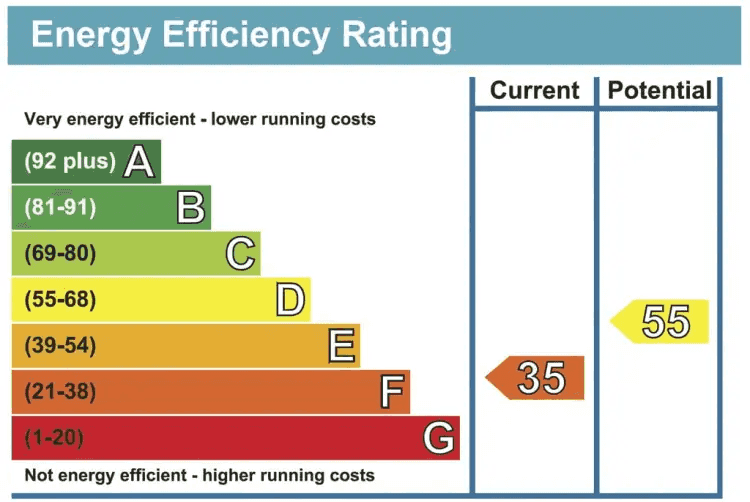
Your home's EPC rating shows how energy-efficient it is, using a scale from A to G. A higher rating means you'll have lower energy bills and a smaller impact on the environment. Knowing your rating helps you see where you can make improvements.
EPC rating | Energy efficiency | Description |
A | 92–100 | Excellent |
B | 81–91 | Very good |
C | 69–80 | Good |
D | 55–68 | Average |
E | 39–54 | Below average |
F | 21–38 | Poor |
G | 1–20 | Very poor |
EPC rating A meaning
An A-rated home is very energy-efficient and uses very little energy. It keeps heat in well and needs less energy for heating and lighting. Homes with this rating have the lowest bills and produce very little carbon, making them eco-friendly and great for modern living.
EPC rating B meaning
A B-rated home is also very efficient and uses energy well all year. It might need small upgrades, like better insulation or a newer heating system. Bills stay low, and the home is comfortable, helping you save money and lower your impact on the environment.
EPC rating C, meaning
A C-rated home is good for energy efficiency and overall performance. Most newer homes are in this group, but you can still improve it with things like double-glazing or better lighting. It offers a balance between comfort and reasonable energy costs, helping families save money.
EPC rating D meaning
A D-rated home is average and might have older heating or not enough insulation. Energy bills are higher, but upgrades like better windows or a new boiler can help a lot. Many homes are still in this category and can benefit from making improvements.
EPC rating E meaning
An E-rated home is below average and loses a lot of heat in cold weather. Energy bills are higher, so adding loft insulation or upgrading the heating system is a good idea. These changes can make your home more comfortable, lower your bills, and raise your property's value.
EPC rating F meaning
An F-rated home is inefficient and can be very costly to run daily. Heat escapes easily, and energy use is high, leading to uncomfortable living conditions. Significant improvements like wall insulation or a modern heating system are needed to raise the rating effectively.
EPC rating G meaning
A G-rated home has very poor energy efficiency and uses a lot of energy. Bills are very high, and the home can be uncomfortable in both cold and hot weather. Major upgrades, like better insulation and a new heating system, are needed to improve its efficiency.
How to improve your EPC rating
Improving your EPC rating starts with making your home smarter and more energy-efficient. Small upgrades, like using renewable energy and managing consumption intelligently, can make a big difference. Investing in modern systems helps reduce bills while boosting comfort and sustainability. Here's how you can improve your energy efficiency rating:
Implement smart energy management solutions
Smart energy management can help improve your EPC rating by reducing energy use and costs. The EcoFlow STREAM series captures solar energy with panels and stores it in STREAM Ultra or Ultra X units, supplying your home with clean, stable power. By using stored energy first, you lower bills and boost efficiency, contributing to a higher EPC score.
Maximize efficiency with 450W Rigid Solar Panel + STREAM Ultra X
The 450W Rigid Solar Panel + STREAM Ultra X creates an efficient solar setup for your home. The system supports up to 2,000W of solar input through 4 MPPTs and low-light technology, helping maximize energy capture even during cloudy weather or early mornings and evenings. The battery capacity can be expanded from 3.84kWh to 23kWh, ensuring reliable energy coverage throughout the day and night.
With a 1200W AC output and up to 2300W supported device power, the STREAM Ultra X can handle many high-demand appliances such as fridges, ovens, and washing machines. It also features a 15-year lifespan, providing long-term reliability and safety for your home energy system.
The system includes AI-driven energy management that analyses usage patterns and optimises energy storage and distribution. It is also compatible with third-party devices using Tiber, Matter, and Shelly protocols, enabling flexible integration with smart home systems.
This combination of scalable storage, advanced solar capture, long lifespan, and smart compatibility makes STREAM Ultra X a practical and energy-efficient solution for modern homes.
Power your home with a single STREAM Ultra
EcoFlow STREAM Ultra delivers a flexible and efficient energy solution for everyday home use. It supports up to 2000W of solar input through 4 MPPT channels, helping maximise energy capture under changing sunlight conditions. Low-light optimisation further improves performance during cloudy weather or early mornings and evenings.
With a 1200W AC output and scalable system capacity that can expand to meet growing household energy needs, it provides reliable power for essential household appliances, ensuring stable performance throughout the day and night. Its plug-and-play design simplifies installation, making it suitable for homeowners starting their solar journey.
It integrates seamlessly with EcoFlow's OASIS Home Energy Management System, enabling AI-driven optimisation, real-time monitoring through the mobile app, and improved energy self-consumption for greater savings and enhanced energy resilience.
Upgrade to energy-efficient appliances
Swapping out old appliances for energy-efficient ones is a great way to boost your EPC rating. Newer appliances use less electricity but work just as well, so your home uses less energy overall. Things like fridges, washing machines, and heaters with good energy ratings can really help lower your bills.
Improve insulation and sealing
Proper insulation and sealing prevent heat from escaping in winter and keep your home cool in summer. Adding insulation to walls, roofs, and floors reduces the energy your heating and cooling systems need to maintain comfort. Sealing gaps around windows, doors, and vents stops drafts and energy loss.
Reduce standby power usage
Many devices use energy even when they're off, which lowers your home's efficiency. Unplugging chargers, TVs, and other appliances, or using smart plugs, can stop this "phantom" energy use. Cutting down on standby power is an easy way to save money. These small savings add up and help the environment.
How energy efficiency ratings are calculated
Knowing how energy efficiency ratings are worked out helps you make better choices to improve them. When you understand what affects your score, you can focus on the right upgrades. Here are the main ways energy performance is measured in homes:
Energy consumption over time
Energy efficiency ratings measure the total energy a home uses over a year, including heating, lighting, and appliances. Losses from poor insulation or drafts are also considered. Homes that consume less energy naturally achieve a higher EPC rating. Tracking usage over time highlights areas where efficiency improvements can be made.
Performance vs energy input
This method compares how much energy your home uses with what you get out of it, like heating or lighting. If your home uses less energy for the same results, it gets a better efficiency rating. Things like efficient boilers, LED lights, and smart appliances can all help with your EPC rating. This helps you see which upgrades make the biggest difference.
Standardised testing methods
Standard energy performance certificate checks make sure that the ratings are fair and can be compared between homes. They look at things like the size of the building, the type of heating, insulation, and window quality. Inspectors use these tests to check EPC ratings accurately. This helps you understand your home's score and what you can do to improve it.
How to check your EPC rating
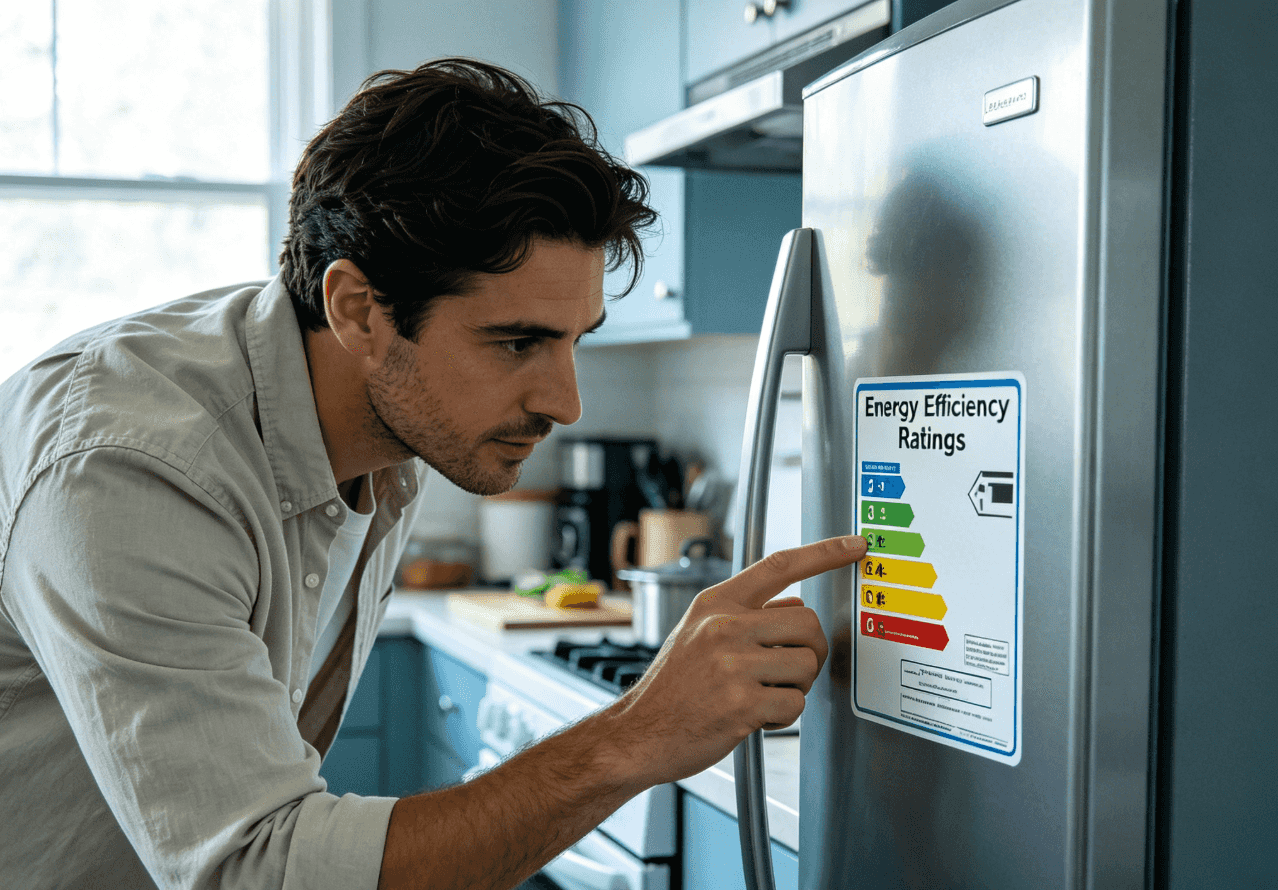
You can check your EPC rating online through the government or authorised energy assessor websites. Enter your property details to get an official report showing its energy efficiency. The report highlights areas for improvement and potential energy-saving measures. Knowing how to check EPC ratings can help plan upgrades and reduce energy costs effectively.
How to get an Energy Performance Certificate
You can get an Energy Performance Certificate by hiring a certified energy assessor. The assessor will check your property, looking at energy use, insulation, heating, and windows. They'll then give you an official EPC with your home's energy ratings. The certificate lasts for ten years and is required if you want to sell or rent your home.
Energy Performance Certificate cost
The price of an EPC depends on your home's size, type, and location. Most standard home assessments cost between £60 and £120. Bigger or more complex homes may cost more because they take longer to check. Paying for an EPC gives you an accurate rating, meets legal rules, and gives you peace of mind.
Conclusion
Making your home more energy-efficient does more than just lower your bills. It makes your home more comfortable, helps the environment, and can raise your property's value. Small, practical changes can have a big impact, and knowing your EPC rating helps you choose the best upgrades. Taking action on energy efficiency means long-term savings and a greener home.
EcoFlow's solar and battery solutions, like the STREAM Ultra X and STREAM Ultra, provide a smart way to boost your EPC rating while relying on clean energy. These systems optimise energy use, store surplus power, and reduce grid dependency, making your home more efficient. By integrating renewable energy and intelligent management, homeowners can achieve both cost savings and higher energy efficiency.
FAQs
Is it worth getting a new EPC certificate?
Yes, getting a new EPC certificate is worth it, especially if you've made upgrades like insulation, heating improvements, or renewable energy installations. A new certificate reflects your home's current energy efficiency and can increase its market value. Using smart solutions like EcoFlow solar and battery systems can also boost your rating, making a new assessment even more valuable.
How often do you need to renew an EPC certificate?
An EPC certificate lasts for ten years, so you don't need to renew it often. But if you make big energy-saving upgrades or add things like EcoFlow solar systems, it's a good idea to get a new EPC to show your improved rating. This way, buyers or tenants see your home's latest energy performance.
How much does an EPC cost in the UK?
In the UK, EPCs usually cost between £60 and £120 for standard homes, depending on size and how complex the property is. Bigger or more complicated homes may cost more because they need more detailed checks. Making energy-efficient upgrades, like adding EcoFlow solar and battery systems, can improve your EPC rating and make the cost of certification a smart investment for the future.